
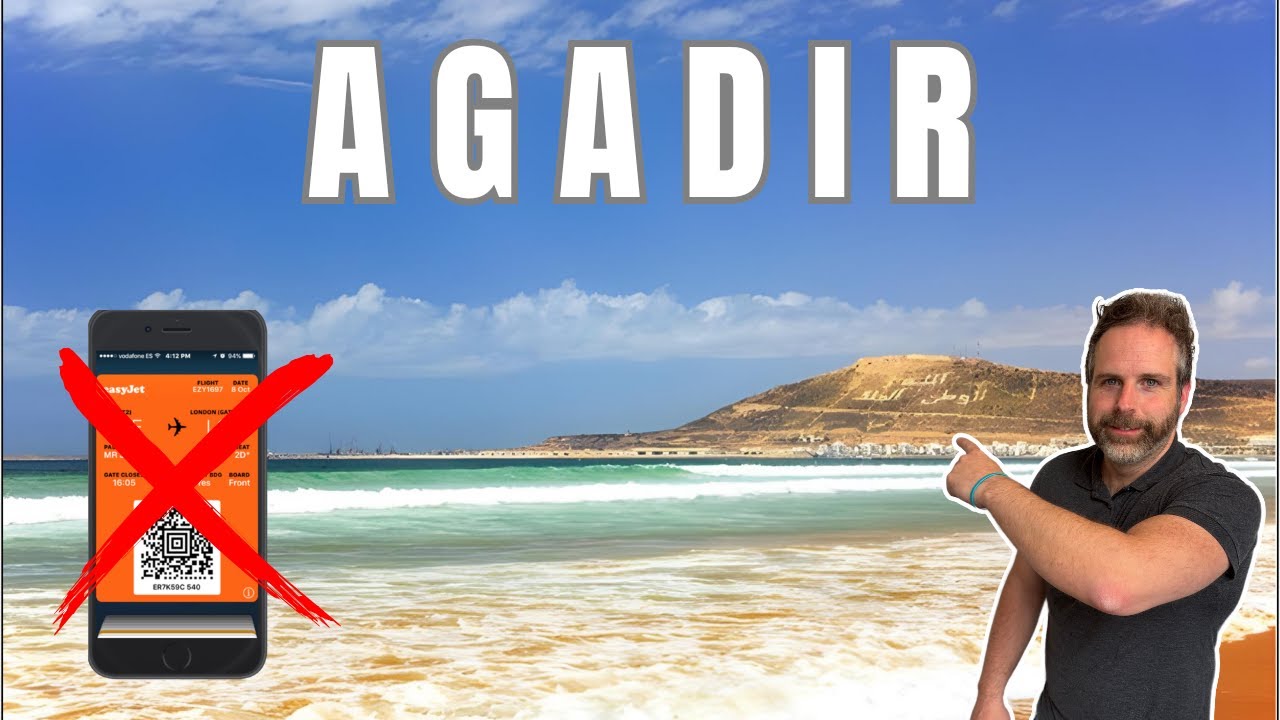
5 Things You NEED to No Before Visiting Agadir (Morocco 2025)
1. Weather and Seasons: Plan Yoru Trip Around the Best Months
Agadir sits along Morocco’s Atlantic coast with a surprisingly stable and mild climate. If you’re planning a 2025 visit, here’s what to expect and how to plan your wardrobe and activities around the weather.
- Spring (March–May): Pleasant daytime temperatures (20–26°C / 68–79°F). Clear skies, low humidity, ideal for outdoor activities, desert day trips, and long strolls along the corniche.
- Summer (June–August): Hot and dry, with average highs around 28–32°C (82–90°F). Sea breezes keep coastal areas pleasant, but inland areas can feel hotter. Hydration and sun protection are essential.
- Autumn (September–November): Warm days with cooler evenings. Sea stays comfortable for swimming (around 20–25°C / 68–77°F).
- Winter (December–February): Mild and mainly dry,with daytime temps typically 15–20°C (59–68°F). Rain is not frequent but more common than in summer.
Pro tip: The best overall window for comfortable sightseeing and beach time is late March through May and late September through November. If you’re chasing excellent surf or wind sports, spring and autumn offer optimal conditions without peak heat.
What to pack for 2025 trips to Agadir:
- Light, breathable clothing for daywear and a light jacket for cooler evenings.
- Sun protection: high-SPF sunscreen, sunglasses, wide-brim hat.
- Swimwear for beaches and hotel pools; consider a cover-up for public spaces outside the beach.
- Comfortable walking shoes for Medina strolls and light hikes (Paradise Valley is a pleasant day trip).
2. Culture, Etiquette and Dress Code: Respectful Travel in a Muslim-Majority City
Morocco is a tolerant, welcoming country with a rich cultural mix of Arab, Berber, and French influences. In Agadir, you’ll find a mostly tourist-amiable atmosphere, but a few cultural norms are worth knowing before you go.
- Dress modestly in public: In most outdoor spaces and markets, shoulders and knees should be covered. While beachwear is common on the sand and at beachfront venues, cover up when strolling through non-beach areas or using public transport.
- Be respectful when greeting: A simple “Salam” or “Salam alaykum” is appreciated. Handshakes are common; if someone offers you the non-dominant hand after a handshake, follow their lead.
- Photography etiquette: Always ask permission before photographing people, especially in customary or religious settings.Some places restrict photography entirely.
- Language basics: Arabic (Darija) and Amazigh (Berber) are widely spoken; French is common in business and tourism. Learning a few phrases in Darija goes a long way.
- Gifts and bargaining: Bargaining is part of market culture. Be friendly, smile, and offer a respectful counter‑offer. Tipping (baksheesh) is appreciated for good service in cafes and with tour guides.
Useful phrases
- Salam alaykum — Hello
- Shukran — Thank you
- Kam huwa thaman? — How much is this?
- la shukran — No, thank you
What to expect socially
- Evening meals and social life often begin later; don’t be surprised by later dining hours in non-touristy spots.
- Alcohol is available in hotels and licensed venues,but it’s less ubiquitous in local eateries.
- Public displays of affection are generally discreet in public spaces.
3. Getting Around and Safety in Agadir: Practical Travel tips for 2025
Agadir is more navigable than many moroccan cities, with a modern waterfront and a relaxed vibe. Here’s how to move around efficiently while staying safe and respectful of local norms.
- Petit taxis (city taxis) are the most convenient for short hops.confirm the fare or ensure the meter is used before you start. Negotiation is common for longer trips or after dark.
- Intercity travel: For day trips outside the city, consider CTM or Supratours buses, wich are comfortable and affordable. Private drivers or organized tours can be convenient for Paradise Valley or the Atlas foothills.
- Car rental: If you plan multiple day trips, a rental car gives you flexibility. Use a reputable agency,and be prepared for narrow Medina streets and mountain passes on longer routes.
- Walking and safety: The corniche and Marina are popular, well-lit areas at night. Exercise typical travel vigilance: keep valuables secure, be mindful in crowded markets, and avoid poorly lit streets after dark.
- Health and safety: Tap water is typically treated, but many travelers prefer bottled water. Use sunscreen and stay hydrated in hot weather.
Smart transport checklist
- Carry small change for taxis and vending machines.
- Share ride details with someone you trust when traveling with a guide or driver.
- Know emergency numbers: local police and health services are reliable in tourist zones.
4. Money, Costs, Markets, and Shopping: Budgeting for Your Agadir Trip
Understanding money matters helps you plan a smoother trip. Agadir operates on Moroccan Dirhams (MAD), and while some upscale places accept cards, many markets and smaller eateries are cash-only.
- Currency: Moroccan Dirham (MAD). Do not rely on foreign currency; carry MAD for most day-to-day purchases.
- Cash is king in markets: Souks (including Souk El Had) and most eateries prefer cash. ATMs are widely available downtown and near tourist hubs, but fees can apply.
- Credit cards: Cards are accepted in larger hotels, some upscale restaurants, and tour operators. Always ask before assuming card acceptance.
- Budget ranges (rough estimates): Food on the go is affordable, mid-range meals are reasonable, and some upscale venues are pricier. Tipping is customary (roughly 5–10% for decent service).
| Category | Budget Range (MAD) | Notes |
|---|---|---|
| Budget traveler | 200–350 | Street food, casual cafes, basic lodging |
| Mid-range traveler | 350–700 | Nice cafes, a comfortable hotel, a couple of tours |
| Luxury traveler | 700+ | Premium hotels, fine dining, private guides |
Practical tip: keep a small amount of local cash for markets and street stalls, but use reputable exchange offices or your bank card for larger purchases to minimize fees.
5. Sights, Beaches, and Day Trips: What to Do in Agadir and Around
Agadir is known for its expansive beach, a wide promenade, and nearby landscapes that make for memorable day trips. Here are must-see sights and how to structure your days in 2025.
- Agadir Beach and Corniche: A long stretch of golden sand with beachfront cafés, palm trees, and water sports. Great for morning jogs or a sunset stroll.
- Agadir kasbah (Oufella): A hilltop fortress offering panoramic views of the city and the Atlantic. It’s especially beautiful at sunset.
- Souk El Had: The biggest market in Agadir for textiles, spices, leather goods, and handicrafts.Practice haggling with a friendly smile.
- Marina and Golf Valley: Modern waterfront with shops, restaurants, and chic views. A pleasant area for an evening walk or a seafood dinner.
- Paradise Valley (Day Trip): A natural oasis with river pools, palm groves, and short hikes in a stunning canyon setting.A popular half-day escape from the city.
- Essaouira (Day Trip or Overnight): A historic coastal town with a winding medina, ramparts, and fresh seafood. About 170–180 km from Agadir; doable as a day trip with a early start or an overnight.
- Taroudant (Red City) and Surroundings: A traditional Berber town with extraordinary ramparts and markets. A great contrast to Agadir’s modern waterfront.
Top Day Trip Table (Short List)
| Destination | Distance (approx) | Highlights |
|---|---|---|
| Paradise Valley | 40–60 km | Natural pools, palm groves, canyon hikes |
| Essaouira | 170–180 km | Historic medina, seafood, artsy vibe |
| Taroudant | 70–90 km | Red-walled streets, markets, surrounding oases |
| Tafraoute | 150–180 km | Pink rock formations, Atlas foothills |
| Legzira Beach | 180–200 km | Cliffs, arches, dramatic sunsets |
Personal tip: if you’re visiting in peak season, book early for day trips to popular spots like Paradise Valley or Essaouira to secure seats on transport and preferred times.
First-Hand Experience: A Speedy Travel Snapshot
One traveler shared that an evening stroll along the Agadir Corniche with a plate of grilled sardines and mint tea felt like a perfect blend of Moroccan tradition and seaside leisure. They found Souk El Had lively but friendly, with vendors who appreciated respectful bargaining and a smile. The Paradise Valley day trip offered a refreshing contrast—cool pools and light hiking after a morning on the beach.