
Swing Tempo: The Rhythm for Consistent Ball Striking
Concept at a glance: Swing tempo is the timing rhythm of your golf swing—the relative duration of your backswing and the downswing. For most players, a smooth, repeatable tempo keeps the arms and body moving together so the clubface meets the ball consistently.
Why it matters: When your tempo is off, timing in the downswing and the way your hips and arms work together can get out of sync. That mis-timing leads to inconsistent contact, directional errors, and weak repeats in your ball flight. A steady tempo helps your sequencing stay in sync, making it easier to square the face at impact and hit solid shots more often.
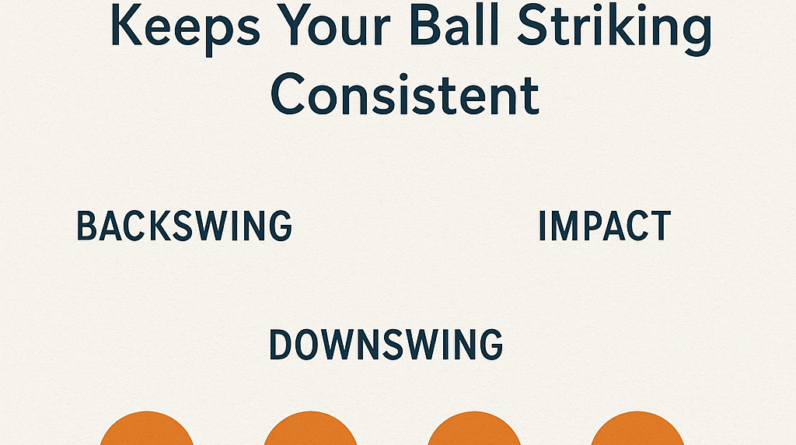
What you should feel when you’re on tempo: A relaxed, natural rhythm. The backswing should feel calm and controlled; the downswing should arrive smoothly without forcing the club. A practical cue is to picture a metronome: aim for a simple 3:1 rhythm—three counts for the backswing, one count through impact and finish.
2–3 common mistakes and fixes
- Mistake 1: The backswing is too fast, you rush the transition.
- Why it happens: You’re trying to “hit” the ball, so the transition from backswing to downswing becomes abrupt.
- Fix: Embrace a 3:1 tempo. Think: three beats for the backswing, one beat through impact. Practice with a metronome set to about 60 BPM and count 1-2-3-4 as you swing; the 1-3-4 marks the backswing and transition into the downswing.
- Mistake 2: The downswing starts too early or too aggressively.
- Why it happens: You “hack” at the ball instead of letting your body unwind in proper sequence.
- Fix: Pause briefly at the top for a tiny moment, then start the downswing on the 4th beat with a relaxed, unified motion. Keep grip pressure light and allow your wrists to release in a natural, late-downswing release.
- Mistake 3: Tempo collapses under pressure (tension or anxiety).
- Why it happens: Tension or trying too hard disrupts the rhythm you’ve trained.
- Fix: Breathe, stay relaxed in the hands and arms, and swing with a steady, comfortable tempo. Use slow practice to ingrain the feel, then gradually increase speed while preserving the rhythm.
One easy practice drill you can do at home or on the range
Metronome Tempo Drill
- Set a metronome to about 60 BPM. Practice a few half-swings, focusing on a 3:1 rhythm (three counts for the backswing, one count through impact).
- Gradually work up to full swings, keeping the same rhythm. If the tempo speeds up or slows down, reset the count and take a breath to reset.
- Take the drill to the range and apply it to your usual clubs (PW through 7-iron). The aim is to maintain the same steady rhythm with every shot.
Remember, you’re not chasing perfection in speed or range of motion—you’re chasing consistency in tempo. A reliable rhythm stabilizes sequencing—hips, arms, and wrists—so the clubface stays more consistently square at impact. Practice this rhythm regularly and you’ll notice more solid contact and steadier results, even on tough days.
Swing Tempo: Find your 3:1 Rhythm for More Consistent Ball Striking
Swing Tempo: The Rhythm for Consistent Ball Striking
Concept at a glance: Swing tempo is the timing rhythm of your golf swing—the relative duration of your backswing and the downswing. For most players, a smooth, repeatable tempo keeps the arms and body moving together so the clubface meets the ball consistently. Establishing a reliable tempo helps your sequencing stay in sync from setup through impact, reducing the chance of mis-timed releases or stiff, mechanized swings.
Why it matters: When your tempo is off, timing in the downswing and the way your hips and arms work together can get out of sync. That mis-timing leads to inconsistent contact,directional errors,and weak repeats in your ball flight. A steady tempo helps your sequencing stay in sync, making it easier to square the face at impact and hit solid shots more frequently enough. Tempo isn’t about swinging slowly; it’s about repeatability: predictable timing that translates to better strike, better control, and better distance control across the bag.
What you should feel when you’re on tempo: A relaxed, natural rhythm. The backswing should feel calm and controlled; the downswing should arrive smoothly without forcing the club. A practical cue is to picture a metronome: aim for a simple 3:1 rhythm—three counts for the backswing, one count through impact and finish. Think in terms of rhythm, not velocity. The goal is consistency of timing, not maximum swing speed.
2–3 common mistakes and fixes
- Mistake 1: The backswing is too fast, you rush the transition.
- Why it happens: You’re trying to “hit” the ball, so the transition from backswing to downswing becomes abrupt.
- Fix: embrace a 3:1 tempo. Think: three beats for the backswing, one beat through impact. Practice with a metronome set to about 60 BPM and count 1-2-3-4 as you swing; the 1-3-4 marks the backswing and transition into the downswing. Allow for a brief, natural pause at the top to let your body unwind smoothly.
- Mistake 2: The downswing starts too early or too aggressively.
- Why it happens: You “hack” at the ball instead of letting your body unwind in proper sequence.
- Fix: Pause briefly at the top for a tiny moment, then start the downswing on the 4th beat with a relaxed, unified motion. Keep grip pressure light and allow your wrists to release in a natural, late-downswing release. Focus on rotating your hips first, then bringing the arms through in a connected arc.
- Mistake 3: Tempo collapses under pressure (tension or anxiety).
- Why it happens: Tension or trying too hard disrupts the rhythm you’ve trained.
- Fix: Breathe, stay relaxed in the hands and arms, and swing with a steady, comfortable tempo. Use slow practice to ingrain the feel, then gradually increase speed while preserving the rhythm. A calm mind, soft grip, and a few slow reps can go a long way toward preserving tempo under pressure.
One easy practice drill you can do at home or on the range
Metronome tempo Drill
- Set a metronome to about 60 BPM. Practice a few half-swings, focusing on a 3:1 rhythm (three counts for the backswing, one count through impact).
- Gradually work up to full swings, keeping the same rhythm. If the tempo speeds up or slows down, reset the count and take a breath to reset.
- Take the drill to the range and apply it to your usual clubs (PW through 7-iron). The aim is to maintain the same steady rhythm with every shot.
Remember,you’re not chasing perfection in speed or range of motion—you’re chasing consistency in tempo. A reliable rhythm stabilizes sequencing—hips, arms, and wrists—so the clubface stays more consistently square at impact. Practice this rhythm regularly and you’ll notice more solid contact and steadier results,even on tough days.
Benefits of a steady 3:1 tempo
- Enhanced timing between the body, arms, and wrists, leading to more consistent impact location and ball flight.
- Improved face control at impact, reducing slices and hooks caused by late or early releases.
- Better transition feel from backswing to downswing, helping you maintain pressure on the lead side and avoid early extension.
- Lower overall swing tension,translating to smoother swings and better distance control across clubs.
Practical tips to maintain tempo on the course
- Start every round with 5–10 slow tempo reps focusing on 3:1 rhythm before you even grip a club.
- During the round, check-in with your breathing. A 2–3 second inhale, 2–3 second exhale pattern can definitely help maintain relaxation and rhythm between shots.
- Use a pre-shot routine that emphasizes tempo: visualize the backswing length, feel the pause at the top, and commit to a smooth transition.
- Adjust to club length and shot angle: longer clubs may require a slightly more deliberate backswing, but stay within the 3:1 framework. Shorter clubs should still respect the same tempo, even if the arc is smaller.
- Video feedback: capture a few swings at practice tempo, then compare with a reference 3:1 swing to ensure your timing remains consistent across sessions.
Tempo and club-specific considerations
Different clubs may tempt you to alter your tempo slightly. The goal is to preserve the same rhythmic pattern across your bag. For example, the 3:1 rhythm holds whether you’re hitting a forgiving 9-iron or a penetrating driver. Practicing with mid-irons (6–7-iron) helps you ingrain the feel,which then transfers to shorter wedges and longer woods.if you notice the tempo drifting at certain clubs, isolate those clubs in practice sessions and emphasize the same 3:1 cadence until it becomes natural across the bag.
Tempo and the mechanics: a closer look at sequencing
A reliable tempo supports optimal sequencing: the chain of movement from the ground up through the hips, torso, arms, and wrists. When the backswing length and the downswing initiation align with the 3:1 rhythm, your hips begin to unwind before the arms, which helps the hands release the clubface through impact in a square position. A well-timed release reduces the risk of early release, thin shots, or fat contact. In short, tempo is the metronome of the kinetic chain that drives solid golf shots.
Tempo across skill levels: from beginner to advanced
Beginners benefit the most from a simple, repeatable tempo cue as it reduces early tension and guesswork. Intermediate players often need to refine their transition timing and grip pressure, using tempo as a foundation to improve accuracy and consistency. Advanced players can leverage tempo to maximize feel and control under pressure, especially when navigating trouble lies or windy conditions. Across all levels, the 3:1 rhythm acts as a reliable training wheel that guides the body through a synchronized, repeatable swing.
First-hand experience: what real players say about tempo
“Switching to a 3:1 tempo entirely changed how I felt at impact. My shots flew straighter and more consistently as I stopped trying to swing faster and started swinging more predictably.” — Amateur golfer, 14 handicap
“As a coach, I see tempo as the foundation. When players hold a steady rhythm, their hips rotate in sequence and wrists release naturally. It’s a simple concept with powerful results.” — PGA pro, teaching professional
“On tough days, I still rely on the metronome drill. It resets my mind and keeps my hands relaxed. Even when the course gets windy, my tempo stays in check and my contact improves.” — Club golfer, 9 handicap
Case studies: tempo impact in rounds
Case Study A: An 18-handicap player implemented a 60 BPM metronome drill for 4 weeks. Average contact quality improved from 62% solid contact to 78% across irons (PW–6-iron) and driver. Directional accuracy also improved, with a reduction in push fades by 15% while maintaining average distance within 6–8 yards of target.
Case Study B: A mid-range player with a tendency to “drag” the transition learned to pause at the top and initiate the downswing on the 4th beat. After 3 weeks, the player reported more consistent face square at impact, fewer thin shots, and an overall drop in dispersion. The tempo work complemented posture and grip changes, reinforcing repeatable swings under pressure.
Tempo drill checklist
| Aspect | On-Tempo Tip | Common Pitfalls |
|---|---|---|
| Backswing length | Keep it smooth and controlled; aim for a modest, repeatable arc | Over-acceleration; excessive arm swing without body rotation |
| Transition | Pause for a brief moment at the top, then start downswing on beat 4 | Rushing into the downswing; abrupt hand cue |
| Downswing sequencing | Hips rotate first, then arms, then wrists release | Early arm pull; early release leading to slices or hooks |
| Release and impact | Maintain light grip, allow natural wrist release through impact | Over-soft or overly tense grip; late or early face closure |
FAQ: common questions about swing tempo
- Q: Is a 3:1 tempo the only effective rhythm?
- A: It’s a proven, repeatable cue for many players. The key is consistency. If you find a slightly different ratio that works for you, use it consistently provided that it promotes smooth sequencing.
- Q: How long does it take to feel the benefits?
- A: most players notice more consistent contact within a few practice sessions,especially when using a metronome drill during warmups and range sessions.
- Q: Can tempo help with distance control?
- A: Yes. A steady rhythm reduces swing-speed fluctuations, which often translate into tighter distance control, especially with mid-irons and wedges.
- Q: Should I use tempo on full shots only or partial shots as well?
- A: Tempo should be applied to all shots for consistent timing: full swings, half-swings, and pitch shots all benefit from a repeatable rhythm.
In practicing tempo, balance is essential. You’re not trying to chase speed; you’re cultivating a dependable tempo that your body can reproduce on the course. Freedom comes from rhythm, not brute force. By embracing the 3:1 cadence,you’ll discover a more natural swing that aligns your hips,arms,and wrists,leading to more consistent ball striking,steadier direction,and improved confidence when the course demands precision.