
Master Your Swing Tempo: The 3:1 Rhythm for Consistent Ball Striking
One focused topic can transform your contact and distance. Here we zoom in on swing tempo—the timing that keeps your swing smooth and repeatable.
What the concept is
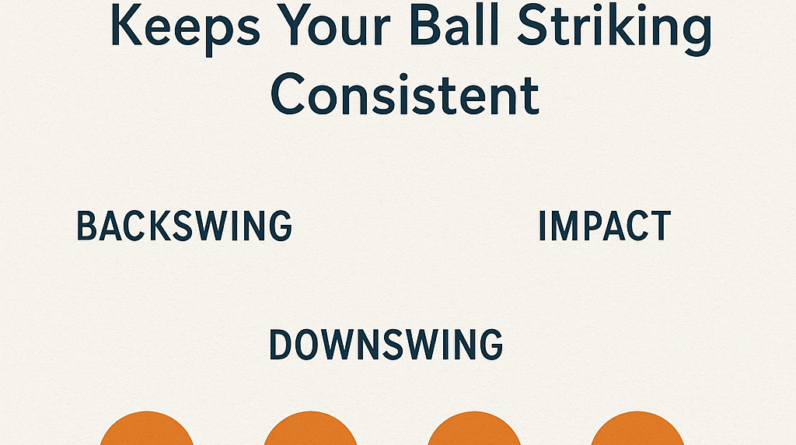
Tempo is the timing and rhythm from the start of your backswing to impact. A simple, reliable starting point for most players is a 3:1 ratio: three parts of the backswing to one part of the downswing through impact. In practice, it feels like a steady, uninterrupted arc rather than a sequence of rushed moves.
Why it matters to the golf swing
- Consistency: A stable tempo reduces compensations that misalign the clubface.
- Solid contact: A smooth transition helps you strike the ball on the sweet spot more often.
- Distance control: Rhythm helps you time the release and achieve repeatable speed at impact.
What the golfer should feel when doing it correctly
- Relaxed shoulders and a light grip that let the club swing rather than fighting you.
- A calm, even tempo from takeaway through impact—no sudden jerks or rushing motions.
- A natural, controlled release: wrists unhinge as the hips rotate into impact, not before.
2–3 common mistakes and fixes
- Mistake 1: Rushing the downswing and trying to “hit” the ball.
- Fix: Slow the transition and focus on a deliberate start to the downswing. Use the 3:1 cue and practice with a metronome set to a comfortable tempo. Keep your chest and hips turning together; let the arms follow, not lead.
- Mistake 2: Backswing is too long or too short, breaking the rhythm.
- Fix: Establish the rhythm by counting: three counts on the backswing, one on the downswing. If your swing length varies, shorten the backswing slightly to preserve equal timing.
- Mistake 3: Grip pressure is too tight, creating stiff wrists and a mechanical release.
- Fix: Check grip pressure and aim for a soft, quiet grip—roughly a 2–3 on a 10-point scale. A quick test: swing with a very light grip and breathe out; you should still feel the clubhead.
Practice drill: 3:1 Tempo Drill
How to perform:
- Set a metronome or count aloud: three taps for the backswing, one for the downswing, through impact on the fourth beat.
- Without a ball, swing 8–12 repetitions focusing on one flowing motion with the target tempo.
- Gradually add a light ball on the range and maintain the same tempo. If contact isn’t clean, reset with a few dry swings to re-establish rhythm.
Master your Swing Tempo: The 3:1 Rhythm for Consistent Ball Striking
What is the 3:1 swing tempo?
In golf, tempo describes the feel of the swing—the relationship between the length and speed of the backswing versus the downswing. The 3:1 rhythm means three measured counts for the backswing followed by one quicker count for the downswing into impact. Think of it as three intentional, gradual beats pulling the club away from the ball, then a purposeful, accelerating move through the ball on the fourth beat.This ratio helps golfers maintain a smooth, on-plane swing and reduces the likelihood of an over-rapid, tense downswing.
Tip: Tempo is a feel, not a fixed speed. The 3:1 concept is a guideline you adapt to your own pace, body type, and skill level. The goal is a consistent, repeatable rhythm you can reproduce on the range and course.
Why tempo matters in golf
- Consistency across shots: A steady tempo reduces variables in swing path and clubface control, leading to more centered strikes.
- improved contact: A controlled backswing followed by a smooth, timely downswing increases solid contact and reduces fat and thin shots.
- Distance control: Proper tempo helps you time acceleration through the impact zone, producing more predictable ball speed and launch.
- On-plane actions: The 3:1 rhythm supports a natural, on-plane swing by aligning backswing length with downswing timing.
- Injury reduction: Less chaos in timing means less abrupt loading of the wrists and shoulders, lowering the risk of strain.
The benefits of mastering a reliable tempo extend to all clubs—driver through wedges—since the underlying principle is rhythm, not just power. When you feel in control of the clock inside your swing, your ball striking improves across the bag.
The science behind tempo and timing
Tempo is a bridge between swing mechanics and neurological timing. The brain relies on rhythm to sequence movements; a 3:1 tempo keeps your muscle groups firing in a coordinated order:
- Stability first: The backswing is designed to create a stable platform and simple path—three measured moves set the stage.
- Speed through impact: The downswing emerges with urgency, translating into crisp contact once the club face meets the ball.
- Tempo transfer: The feel you develop on the range transfers to the course, helping you react to varying wind, turf, and lie conditions with consistency.
For most players, keeping the tempo gentle in the backswing and decisive in the downswing reduces over-rotation and late timing, which are common culprits of mishits.
Getting started: tools for tempo training
- Metronome or tempo app: Set a tempo that guides the four-beat cycle (three pace counts, one quick count).Start slow and gradually speed up as your feel improves.
- Tempo trainer device: A small sensor or vibration device worn on the wrist or carried in the pocket can cue the 4-beat rhythm without looking at the clock.
- Video feedback: Record slow-motion clips to verify the backswing length and the speed of the downswing, ensuring the 3:1 feel translates visually.
- Mirror practice: Practice in front of a mirror to verify posture and swing path remains stable while you maintain tempo cues.
Accessibility tip: If you don’t have a metronome, you can count aloud “one-two-three-four” during practice swings and feel the longer count on the first three beats and the quicker action on the fourth.
drills to feel the 3:1 rhythm
1) Four-beat counting drill (3:1 emphasis)
This drill translates the 3:1 concept into a tangible counting method. Use a metronome set to a comfortable pace (60–90 BPM). Execute one practice swing per four-beat cycle:
- Backswing through the first three beats with a smooth, relaxed shoulder turn.
- Deliver the downswing on the fourth beat with intent and velocity through the ball.
- Reset and repeat. Focus on keeping the backswing three beats long and the downswing one beat quick and clean.
2) Three-count backswing, one-count downswing (on-plane focus)
This drill adds theOn-plane cue to ensure the swing stays inclined toward the target line:
- take your normal setup and begin the takeaway, counting aloud: 1-2-3 (backswing).
- At the top, initiate the downswing in a single, decisive motion on beat 4, ensuring the hands move toward the body and the hips rotate through the shot.
- Keep the clubface square through impact and visualize a line from your spine to the target.
3) Pause-and-feel (light practice only)
A very brief, controlled pause at the top can help you feel the transition from backswing to downswing without interrupting the tempo:
- Pause for a fraction of a second at the top—enough to feel the instant you begin the downswing on beat 4.
- Maintain 3:1 feel as you progress into the downswing, then continue through impact.
4) Shadow swing tempo with mirror feedback
Stand in front of a mirror and perform the four-beat cycle without a ball. Watch your posture, arm positions, and the club’s path:
- Three slow backswing beats should preserve a stable spine angle.
- The fourth beat should show a quick, aggressive extension into the ball’s imaginary contact point.
- Adjust grip pressure and stance width if you notice early release or excessive tension.
Integrating tempo into a full practice routine
tempo training is most effective when integrated with a structured practice routine. Use the 3:1 rhythm as a backbone of your swing and mix inこう-targeted drills to reinforce it.
- Warm-up (5–7 minutes): Gentle movements, hip rotations, and shoulder loosening followed by easy swings with relaxed tempo.
- Tempo block (10–15 minutes): Alternate between the four-beat drills and light targeted practice with a few mid-irons or hybrids to lock in rhythm.
- Target practice (15–20 minutes): Hit a small number of balls,focused on maintaining 3:1 rhythm under pressure—count aloud if helpful.
- On-course carryover: Translate the tempo feel to half-swings on the course, then full swings as you gain confidence.
Benefits of a consistent tempo
- More dependable ball striking with reduced mishits and more consistent dispersion.
- Improved clubhead speed management, allowing you to accelerate through the ball rather than jerk at impact.
- Better sequencing of the body, from legs to hips to torso to arms, promoting a harmonious swing plane.
- Stadium of mental focus: a repeatable rhythm provides confidence and reduces swing anxiety.
- Adaptability to different clubs and shot shapes without abandoning rhythm.
Practical tips for everyday golfers
- Start with your favorite club to build confidence before moving to longer clubs.
- Keep grip pressure light—tension can disrupt tempo more than strength does.
- Use a four-beat counting cue as a habit: 1-2-3-4, where 4 is your impact cue.
- Adjust tempo for different lies: slightly slower tempo on tough lies and slightly quicker tempo on firm turf if you’re confident.
- Record and review: occasional video checks help you ensure your backswing length and downswing timing align with the 3:1 concept.
First-hand experience with the 3:1 tempo
Players often report that embracing the 3:1 rhythm reduces the urge to “muscle” the shot.A tour player shared that embracing three deliberate backswing beats helped him preserve lag and maintain a clean path through impact, translating to tighter dispersion and more consistent carry. Another weekend golfer noted that the tempo cue created a dependable cadence that made practice feel like a repeatable process rather than a guessing game. The takeaway is clear: tempo, when felt and practiced, becomes a reliable decision-maker on the course.
Case studies: tempo in action
Case Study A: Amateur golfer reduced double-cross draw issues by adopting a 3:1 tempo, reporting a 12-yard enhancement in average carry after 4 weeks of tempo-focused practice.
Case Study B: A mid-handicap player improved greens-in-regulation by refining tempo on longer irons, focusing on length of backswing and faster, clean contact on the downswing. The result was more consistent GIR and lower three-putt rate.
Real-world gains vary by individual, but the common thread is the repeatable rhythm that translates to steadier ball striking and more reliable distance control.
4-Week tempo training plan
Use thes weekly blocks to build and reinforce the 3:1 rhythm. Each session lasts 30–60 minutes.
| Week | Focus | Drills | Duration (per session) |
|---|---|---|---|
| Week 1 | Feel the 3:1 rhythm | Four-beat counting drill; Shadow tempo; Metronome setup | 30–40 minutes |
| Week 2 | Stability and path | Three-count backswing, one-count downswing; Mirror feedback | 40–45 minutes |
| Week 3 | Distance and contact | Pause-at-top light drill; Targeted ball drills with tempo cue | 45–50 minutes |
| Week 4 | On-course integration | In-play tempo, rhythm carryover; Short game tempo drills | 50–60 minutes |
Frequently asked questions about swing tempo
- Is 3:1 tempo suitable for all players? It’s a versatile guideline that most players can adapt. Beginners should start slowly and focus on smoothness; advanced players may experiment with slightly different backswing lengths while maintaining the four-beat cadence.
- Can tempo change with shot type? Yes. you may adjust the amount of backswing or the subtle timing of the downswing for different clubs, but aim to preserve the underlying 3:1 rhythm within each shot category.
- What if I’m tense during the downswing? Reduce grip pressure and practice breath cues to relax the hands, keeping the rhythm constant. A tense downswing frequently enough stems from an overactive upper body; slow the backswing and let the hips initiate the downswing.
- How long does it take to see results? Most golfers notice improvements within 2–6 weeks of consistent tempo practice, with more precise ball striking and improved greenside performance.