
The golf clubs you NEED to own!
Core clubs by category: building a versatile, must-own set
Driver: your long-range foundation
The driver is the centerpiece of most players’ bags. When you’re choosing a driver, focus on forgiveness, distance consistency, and fit. A well-fit driver helps you hit more fairways and set up easier approach shots. Look for these features:
- Loft and loft adjustment: Most players benefit from 9.5°–12° of loft. Higher lofts help with launch and ball flight, while low lofts suit faster swing speeds. If your club offers adjustability,experiment with a modest fade or draw bias to keep shots in play.
- Forgiveness: A larger clubface and a lower center of gravity help mis-hits stay in play.Modern drivers with perimeter weighting reduce distance loss on off-center strikes.
- Shaft profile: A mid-to-stiff shaft is common for many, but beginners or seniors may prefer extra-flex options for easier launch. Speak with a fitter to find the right shaft length and weight.
- Radius and alignment aids: A visible alignment line and a slightly larger face help with aim and confidence on the tee.
Bottom line: own a driver you can trust from the tee. It doesn’t have to be the most expensive model, but it should feel forgiving and inspire confidence on your best and worst swings.
Fairway woods and hybrids: distance versatility
After the driver, many players benefit from fairway woods (like a 3-wood or 5-wood) and hybrids. They bridge the distance gap between your driver and irons and provide easier in-between shots from rough or tight fairways. Consider:
- Hybrid versatility: Hybrids replace long irons (3-, 4-, 5-iron) for easier launches and tighter dispersion. They’re especially helpful for greenside approaches from the rough and fairway bunkers.
- Fairway wood options: A 3-wood or 5-wood can fill distance gaps, but not everyone needs both. If you struggle with long irons, a forgiving hybrid may do the job better than a fairway wood on most days.
- Bounce and sole design: A lower-bounce shaft helps in firm conditions; higher bounce can save you in fluffy rough or soft turf.
Tip: test both hybrids and fairway woods at a fitting or a demo day. Consistency off the turf matters more than the specific model name.
Irons: precision with forgiveness when you need it
Irons form the core of most golfers’ performance around the green and on approach shots. For a practical bag, aim for a balanced set that offers forgiveness without sacrificing control. key considerations include:
- Cavity-back vs blade: Cavity-back irons distribute weight around the perimeter for easier forgiveness. Blades offer precision and workability for more skilled players.
- Distance gaps: A standard set might include irons from about 6-iron down to 9-iron, plus a pitching wedge. if you struggle with distance control, consider adding a mid-iron (like a 5-iron) or using a hybrid in place of long irons.
- Game-advancement features: Look for perimeter weighting,lower center of gravity,and progressive lengths to support a smooth swing across the set.
- Grip and shaft options: Ensure the grip size fits your hand and the shaft flex matches your swing speed for predictable ball flight.
Practical tip: many players benefit from a 5-iron through pitching wedge in a single set, with hybrids filling the 3–4 iron slots. The goal is consistent distance control and predictable accuracy from the fairway.
Wedges: distance control and short-game finesse
Wedges are where you save strokes. A well-constructed wedge set keeps you confident from around the greens and out of greenside bunkers. build a wedge lineup that includes:
- Pitching wedge (PW): Typically 46–50° loft; your go-to for full and half swings to reach the green in regulation.
- Gap wedge (GW) or attack wedge: Frequently enough 50–54°; bridges the distance between the PW and the sand wedge,filling distance gaps.
- Sand wedge (SW): Usually 54–58°; optimized for bunker play and softer touch around the greens.
- Lob wedge (LW): 58–60°+; for high, soft landings, flop shots, and tight pin placements.
Critically important notes:
- loft progression matters. If your gap between wedges is too large, consider adding a single wedge in between or adjusting lofts slightly with a fitting.
- Bounce and grind options influence bunker performance and turf interaction. A bounce of 8–12° is common for many players; higher bounce is helpful in fluffy rough and softer turf.
Putter: the final touch, distance control, and alignment
Your putter choice can influence your scoring more than any other club. Focus on alignment, feel, and length. Consider:
- Length: A properly fitted length helps your eyes settle over the ball and reduces tension in your shoulders.
- Face design: Mallet heads are typically more forgiving and offer easier alignment, while blade-style putters offer more precision and feedback for advanced players.
- Alignment aids: Lines, dots, or sightlines on the head can help you line up your putts more consistently.
- Groove consistency: Choose a putter with a smooth face and consistent roll across the greens you play most often.
Remember: a putter you enjoy looking at and feel agreeable with will help you practise more and improve faster on the greens.
How many clubs should you own? The practical baseline
Under standard Rules of Golf, a player is allowed to carry 14 clubs. For most amateur players, a practical, well-balanced bag looks like this:
- 1 driver
- 1 hybrid or 2 (in place of long irons)
- 2–3 fairway woods or 1 fairway wood plus a hybrid
- 5–7 irons (e.g., 6- through PW, plus a wedge or two)
- 3 wedges
- 1 putter
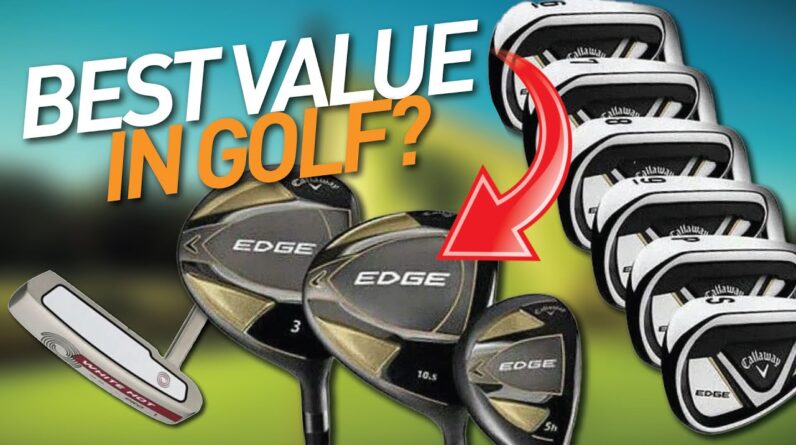
Premium clubs aren’t always necessary. A carefully fitted, budget-amiable set that maximizes forgiveness and consistency will outperform an expensive bag that makes you work too hard.The goal is to own a complete,versatile bag you trust on most courses,not to chase the newest model every season.
Buying guide: budget-friendly paths and how to fit your clubs
Whether you’re a beginner or upgrading your bag, a thoughtful approach saves money and improves play. Here are practical tips to get the most value from your investment:
- Get a proper fitting: A session with a certified club fitter helps tailor length, lie, flex, grip size, and shaft choice to your swing. A good fit improves accuracy and reduces fatigue.
- Consider used or certified pre-owned: Reputable shops and manufacturers offer certified pre-owned options with warranties.These can provide substantial savings without sacrificing performance.
- prioritize forgiveness for beginners: If you’re still dialing in your swing,forgiving cavity-back irons and a forgiving driver can make more difference than chasing a premium driver.
- Upgrade strategically: You don’t need to replace a full set at once. Prioritize clubs you use most or struggle with (often the irons or driver) and fill gaps gradually.
- Pay attention to shaft dynamics: Faster swing speeds benefit from stiffer shafts, while moderate to slower speeds often gain from a more flexible option for easier launch.
Case studies and first-hand experiences
Case study 1: The weekend player upgrading from a mismatch bag
Jamie, a 48-year-old dual-sport enthusiast, played with a jumble of older irons and a forgiving driver.After a fitting, Jamie replaced the driver with a mid-loft, forgiving model and added a hybrid to replace the 3-iron.A cavity-back iron set and a versatile wedge lineup (54°-58°) helped Jamie hit more greens in regulation and improved chipping around the greens. The result: fewer three-putts, more confident approach shots, and a noticeable rise in scoring consistency on weekend rounds.
Case study 2: Beginner aiming for a practical, all-in-one bag
Alex is new to golf and wanted a complete setup without breaking the bank.They started with a 10–11 club bag: driver, a forgiving 3-wood, a hybrid, a 6-iron through pitching wedge, a sand wedge, and a mallet-style putter. Over a season, Alex tried several grips (size and texture) and opted for a mid-sized grip for better control.with practice and a poll of local demo days,Alex built confidence,developed a repeatable ball flight,and saw improving scores as control improved across distance gaps.
Swift-reference table: core clubs, features, and how they fit together
| club Type | Key Characteristics | typical Forgiveness | Common Loft Range |
|---|---|---|---|
| Driver | Large face, forgiveness, adjustable loft | High forgiveness on off-center hits | 9.5°–12° |
| Fairway Wood | Long-range, lower loft than driver | Moderate forgiveness; steadier off the fairway | 15°–21° (3W, 5W) |
| hybrid | Iron-like profile with wood-like launch | Very forgiving for long-range shots | 18°–28° (depending on set) |
| Irons (6–9, PW) | Cavity-back is forgiving; blades for control | Good distance control with solid feel | ~24°–44° (PW ~46°–50°) |
| Wedges (GW, SW, LW) | Varied lofts; bounce and grind options | Excellent control around greens | GW ~50–54°, SW ~54–58°, LW ~58–64° |
| Putter | Face type varies: mallet or blade; alignment aids | Consistent distance control and alignment | Length-based, frequently enough 33″–35″ |
Maintenance and care: keeping your must-own clubs in top shape
To ensure your essential golf clubs stay accurate and long-lasting, adopt simple care habits:
- Clean your clubs regularly: Wipe shafts and grips after rounds to remove sweat and grime.Use mild soap and water for the heads; dry thoroughly.
- Protect the shafts and grips: Use headcovers on woods and hybrids; replace worn grips before they become slips hazards in rainy rounds.
- store properly: Keep clubs in a cool, dry place, and avoid extreme temperatures. Use a stand bag or a cart bag with a secure strap to minimize contact damage.
- Check lie angles and lofts: If shots begin to veer consistently, consult a fitter for a quick adjustment to maintain accuracy and distance.
- rotate and test: If you’re shopping for new gear, bring your current bag to testing days to compare feel and consistency side by side.
FAQ: quick answers to common questions about essential golf clubs
- Do I really need all these clubs? Not everyone needs a full 14-club bag. The goal is a practical, fit-for-your-swing set that covers a variety of on-course situations.Beginners can start with a smaller, forgiving set and expand over time.
- What is the best starter set for a beginner? A forgiving driver, 2–3 hybrids or long irons, a 6–9 iron set plus a PW, a couple of wedges (GW and SW), and a mallet or blade putter. Prioritize grip comfort and shaft fit.
- Should I buy new or used? If you’re new, a used or certified pre-owned forged iron set and a forgiving driver can deliver great value. Always test and confirm club condition is solid and meets your swing needs.
- How do I know if I need a fitting? If you consistently struggle with distance gaps, inconsistent trajectory, or discomfort during the swing, a fitting is highly valuable.It’s a worthwhile investment for long-term performance.
Practical tips for fast improvement and smarter shopping
- Demo days first: Attend manufacturer or local shop demo days to try different models side by side. Bring your current clubs for direct comparison.
- Focus on how they feel,not just the numbers: Ball flight gives you a lot of details,but comfort and confidence at address matter more for consistency.
- Invest in grip and shaft consistency: A fresh grip and an appropriate shaft can dramatically improve control and feel, even if you’re buying entry-level clubs.
- Don’t chase perfection annually: The best improvements come from practice, course management, and a properly fitted bag over several seasons, not from frequent gear changes.
conclusion-free recap (in case you skim): essential takeaways
To build the golf bag you NEED to own, prioritize a forgiving driver, practical hybrids, a set of irons that complements your distance gap, a complete wedge lineup for greenside versatility, and a putter you trust. Fit your clubs to your swing to maximize accuracy and consistency. Keep your gear well-maintained, consider budget-friendly paths like certified pre-owned options, and use on-site demos to guide your purchasing decisions. This approach yields the most reliable performance and real improvement on the course—without overwhelming your budget or your swing.