
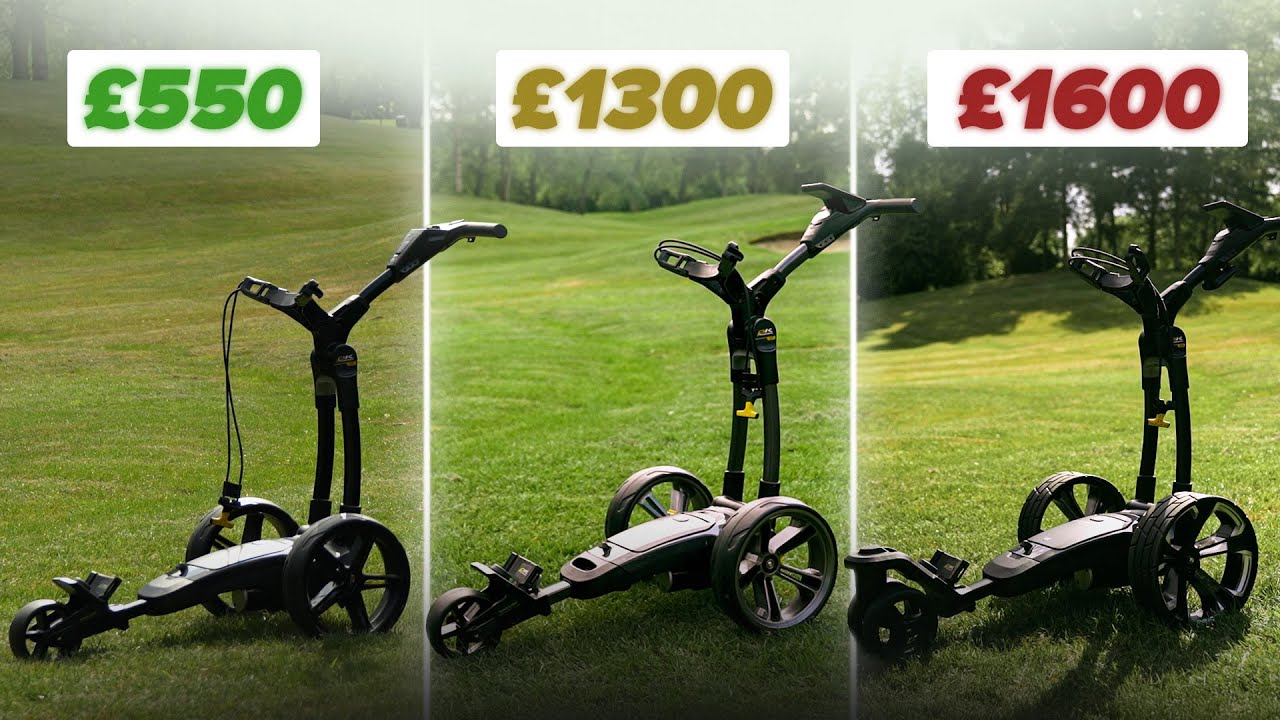
Electric Golf Trolley BUYING GUIDE!
A practical, buyer-friendly guide to help you select the right powered golf trolley for your game—covering batteries, motors, foldability, reliability, and maintenance.
Benefits of Using an Electric Golf Trolley
- save energy on the course: Let the trolley do the heavy hauling while you focus on your swing.
- Consistent performance on hills and slopes: Electric motors provide steady torque, reducing fatigue.
- Customizable features: Remote control, speed settings, anti-tip design, and accessory options.
- Improved bag stability: Modern trolleys are designed to cradle your golf bag and clubs securely.
- Better wear on joints and back: Reduces long-term strain from carrying or pushing a heavy bag.
Key components You’ll Want to Understand
Motor and Torque
Most electric golf trolleys use brushless DC motors that deliver continuous torque. Look for higher torque ratings for hilly courses and heavier bag loads. A trolley wiht adjustable speed helps you manage pace and energy use on longer rounds.
Battery Options: lead‑Acid vs Lithium
The battery is the heart of an electric golf trolley. There are two main types:
- Lead-acid batteries – Inexpensive upfront, heavier, longer recharge times, and shorter cycle life.
- Lithium batteries – Lighter, longer life, faster charging, and better energy density. More common in modern trolleys and often offering larger ranges per charge.
Tip: If you golf multiple rounds in a day or on longer courses, a lithium battery with a capacity in the 20–36 Ah range commonly provides a reliable day on the course with quick charging options.
Chassis, Wheels, and braking System
Durability matters. A robust frame, with corrosion-resistant materials, reduces maintenance. wheel quality affects stability and track-ability on wet grass. Look for anti-skid tires and a reliable braking system—mechanical foot brake or electronic brake assist are common.
Control Options
Controls can be handle-mounted, remote, or a combination of both. Remote control aids in adjusting speed while standing behind the trolley, especially on slopes, while handle-mounted controls offer quick access during the walk between shots.
Foldability and Portability
Foldable designs save space in your car boot and club storage. Check folded dimensions and weight. Some models feature one-handed fold mechanisms or auto-locking stands for easy deployment.
Core Buying Considerations
terrain and Course Topography
Flat courses are friendlier to entry-level models, while hilly courses demand higher torque, better weight distribution, and often a larger battery capacity.
Battery Life and Range
Estimate your typical round length and club travel distance. A practical rule is to target a range that covers at least two rounds on a single charge if you usually play back-to-back rounds. Consider spare battery options for maximum reliability.
Charging Time and Battery Care
Fast-charging lithium packs can be charged in a few hours, but long-term care matters. avoid complete discharges and store batteries in a cool, dry place.Use manufacturer-recommended chargers and avoid leaving batteries in extreme temperatures.
weight Capacity and Load
Ensure the trolley can handle your bag and clubs plus any additional items without compromising performance or safety. A typical weight capacity frequently enough ranges from 15–30 kg (33–66 lbs), but always check the spec for your model.
Speed Range and Safety
Many electric trolleys offer adjustable speed (e.g., Slow, Normal, Fast). For safety on busy fairways, choose a model with predictable acceleration and a reliable braking system.Some models include emergency stop and reverse features for extra control.
Weather and Durability
Weather-resistant casings help in light rain or dew. Look for IP ratings for waterproofing, sealed electronics, and corrosion-protected metal parts for longevity.
Warranty and after-Sales Support
A longer warranty reflects build quality and supplier confidence. Check what is covered (battery, motor, controller) and whether there is accessible service or replacement parts in your region.
Portability and Storage
Consider how frequently enough you travel with your trolley. A compact, lightweight design that folds easily into your car boot can save time and space.
Step-by-Step Buying Guide
- Define your use-case: Will you play 18 holes on flat terrain,or do you face frequent climbs and rough terrain? This helps pick motor power and battery capacity.
- Choose the battery type: Lithium batteries are generally superior for most players due to weight and longevity, but budget-conscious buyers may opt for lead-acid as a starter option.
- Assess range and daily usage: Calculate average course length, number of rounds per week, and the need for a spare battery for long days.
- Check compatibility with your bag: Bag dimensions and club count influence bag support features and overall stability on the trolley.
- Inspect features that matter to you: Remote control, auto-fold, anti-tip technology, USB charging for devices, rain covers, or bag holders.
- Compare prices and after-sales: Look at warranties, service networks, and availability of spare parts before buying.
practical Tips, Maintenance, and Best Practices
Maintenance Essentials
- Regularly inspect wheels and tires for wear; replace as needed to maintain traction.
- Keep the battery terminals clean and free from corrosion; charge in a cool, ventilated area.
- Lubricate moving joints per manufacturer recommendations to reduce friction and wear.
- Store the trolley in a dry place when not in use to prevent rust and corrosion.
- Update firmware or software (if applicable) through the official app or service center.
Battery Care and Longevity
- Avoid deep discharges; recharge when the battery reaches a moderate state of charge.
- Use the manufacturer-supplied charger and avoid third-party chargers that may not meet safety standards.
- keep the battery at a moderate temperature during charging and storage.
- Periodically calibrate the battery gauge if your model supports this feature.
Safety on the Course
- Only operate the trolley from its designated controls; keep hands away from moving parts.
- Be mindful of slope direction; engage the brake when stopping on inclines.
- Respect other players and keep a safe distance when moving the trolley behind you or on shared paths.
Case Studies and first-hand experience
Case Study 1: From Push to Power on a Hilly Championship Course
David, an avid golfer, switched from a manual push trolley to an electric model with a lithium battery. On a championship course with pronounced elevation changes, he reported reduced fatigue, quicker round completion, and improved focus on the back nine.The remote control helped him navigate tight turns without losing momentum,and the foldable design allowed easy storage in a compact trunk after the round.
Case Study 2: Weekend Warrior with a Need for Reliability
Maria plays two rounds most weekends. She opted for a mid-range electric trolley with a long-lasting battery and a rugged chassis. she valued the reliability and the ability to swap to a spare battery when playing a back-to-back day. After six months, she notes less back strain and consistently high performance on rolling greens and damp mornings.
Quick Specification Comparison
Low-friction overview to help you compare at a glance. All figures are approximate and model-dependent.
| Category | Budget | Mid-Range | Premium | Foldable Compact |
|---|---|---|---|---|
| Battery Type | Lead-acid 12V | Lithium 24–36V | Lithium 36V | Lithium 12–24V |
| Range per Charge | 8–12 holes | 12–24 holes | 24–36 holes | 16–30 holes |
| Max Load Capacity | 15–18 kg | 18–25 kg | 25–30 kg | 18–22 kg |
| Weight | 9–12 kg | 12–16 kg | 14–20 kg | 9–14 kg |
| Foldability | Manual fold | One-handed fold | Auto-lock fold | One-step fold |
Feature Highlights to Look For
- Anti-tip design: Keeps the bag stable on uneven ground.
- Remote control: helpful for adjusting speed and positioning without back-and-forth walking.
- Water resistance: Sealed electronics or IP-rated casings for light rain days.
- Battery swap capability: Models with swappable batteries allow two-battery days without downtime.
- USB or device charging: Useful for keeping a phone or GPS charged on the course.
Frequently Asked Questions
Do electric golf trollies require a lot of maintenance?
Compared to a traditional push trolley,electric trolleys require basic maintenance like wheel checks,battery care,and occasional software/firmware updates if applicable. Regular inspection helps prevent surprises on the course.
What battery life should I expect?
Battery life varies by capacity, terrain, weight on the trolley, and speed. lithium batteries with higher Ah ratings generally provide longer range and quicker charging times. plan for your typical round length and course profile.
Are more expensive models worth it?
Premium models usually offer longer range, lighter weight, faster folding, smarter braking, and longer warranties. If you golf often or on variable terrain, a higher-end model can pay off in comfort and reliability over time.
When selecting an electric golf trolley, balance your budget with the features that directly impact your game and comfort. The right trolley should feel intuitive, provide dependable battery life for your typical round, and store easily in your car with room to spare for bags and accessories. Reading user reviews and, if possible, test-driving a model at a local retailer can give you invaluable hands-on insight before you buy.