
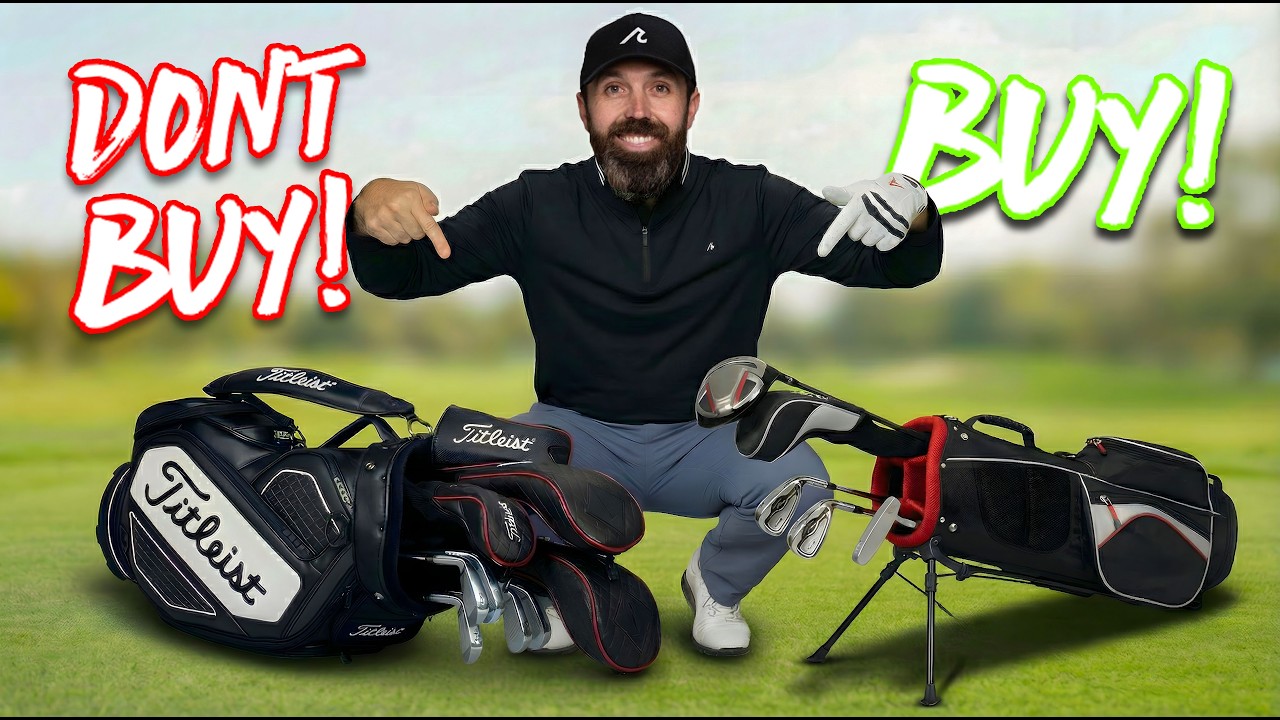
If I Was NEW To Golf, This Would Be My Golf Bag
Key Principles for a Beginner’s Golf Bag
Starting golf on the right footing means selecting a bag that keeps things simple, versatile, and easy to carry.The goal isn’t to chase a perfect pro setup on day one—it’s to enjoy more rounds, build consistency, and learn what truly helps you improve. Here are the core principles I’d apply if I were new to the game:
- Keep it simple and versatile. A compact set that covers distance gaps without duplicating too many shot types is ideal.
- Quality over quantity. A few reliable clubs and a comfortable bag beat a heavy bag filled with underused gear.
- Fit matters so you can swing well. Size, grip, and shaft feel influence swing comfort and accuracy more than you might expect.
- Weight distribution and balance. A lightweight bag or carry system reduces fatigue, especially on back-to-back rounds.
- adaptability for course and weather. Include items that help you play in different conditions without overpacking.
what to Include in a Beginner’s Golf Bag
For someone just starting out, a well-curated bag focuses on essential clubs, reliable balls, practice aids, and maintenance gear. Below is a practical framework you can customize to your budget and local courses.
Clubs: the core 8–10 you’ll actually use
Most beginners benefit from a compact set that covers power off the tee, mid-range control, and short game.A typical starter bag might include the following:
- Driver – a forgiving model with a higher loft (around 10.5–12.5°) to promote easy launches.
- 3‑wood or hybrid – choose one path to safe distance; hybrids are ofen easier to hit from various lies than long irons.
- Irons: 6‑iron through 9‑iron – for mid to mid-short approach shots.If you’re comfortable,add a pitching wedge (PW) for a total of 4 irons (6,7,8,9) plus wedge.
- Pitched wedge (PW) and/or sand wedge (SW) – for approach shots inside 120 yards and bunker play.
- Putter – a stable setup to build confidence on greens; choose a size and alignment style that feels natural to you.
- Hybrid (optional) – replaces a long iron to make distance gaps easier to manage; many beginners find hybrids more forgiving than traditional long irons.
Note: If you’re buying a complete starter set, many manufacturers offer 8–10 clubs that already balance distance gaps. You can start with that, then tailor the lineup as you learn your preferred swing and the courses you play.
Balls and Tees: the simplest quality choices
- Golf balls – for beginners, a durable, mid-range choice can save money while still offering good feel. Consider two types: distance-oriented balls for off-the-tee confidence and a softer feel ball for short game control. Buy sleeves to test feel before committing to a dozen.
- Tees – carry a small supply (wood or plastic) in multiple lengths to accommodate different clubs.
- Marker,ball alignment tools,and towel – a compact kit to stay organized and clean your clubs between holes.
Training aids and extra gear
- Alignment sticks (one or two) for setup practice and fairway alignment drills.
- Grip aid or refresher wipes – helps if you play in humid conditions or after rain.
- Scorecard holder or mini notepad – track progress and reflect on what works.
Maintenance and care
- Clean towel to wipe clubs and grips after rounds.
- Grip spray or conditioner (optional) to keep grips tacky and long-lasting.
- Club brush for cleaning grooves, especially on irons and wedges.
- Spare grip tape or grip kit – for small repairs if you’re handy with tools.
Choosing the Right Gear for a New Golfer
Gearing up as a beginner isn’t only about the clubs. It’s about fit, budget, and the right balance between forgiveness and control. Here are practical considerations to guide your decisions.
Budget and quality: getting the most value
Set a comfortable budget and aim for a coherent set rather than chasing each latest feature. Consider:
- New vs used – used clubs can provide excellent value if inspected for wear, loft, and shaft condition.
- Forgiveness vs distance – equal focus on how easy the club is to hit and how far it travels.
- Women’s or men’s versions – choose based on your typical height, swing speed, and comfort rather than gender alone.
Shafts, flex, and fit
As a beginner, a senior or regular flex shaft is often a good starting point for swing speeds around 60–90 mph, though you should get a proper fitting if possible. Meaningful factors include:
- Flex that matches your swing speed to optimize ball flight and accuracy.
- Length that promotes a neutral address and comfortable posture.
- Grip size appropriate for your hand size to control wrist movement.
Club length and set composition
A typical beginner’s set should avoid overly long or short clubs. A good starting point is standard-length clubs with a length that allows you to stand tall and swing without bending unnaturally. If you’re tall or short, a professional fitting can help tailor the length for each club while keeping consistency across the set.
Left-handed vs right-handed
Most golfers should choose based on contact feel and confidence. It’s more critically important to select clubs with a comfortable grip and lie angle than to chase a specific handedness stereotype. If you’re unsure, try a few right-handed clubs flipped for a moment to feel the difference in balance and grip pressure.
Case Studies: First-Hand Experiences
Case study 1: From 9 to 18 with a Hybrid
Alex bought a used starter set that included a driver, a 5-wood, and a 6–9 iron with a putter. After a few weeks, he added a forgiving hybrid to replace his 3-iron and started hitting more greens. Practice with alignment sticks improved his form, and he noticed more consistent distance control. The takeaway: a single,forgiving tool can unlock a noticeable improvement without overhauling the entire bag.
Case Study 2: Weight Matters on Day One
Priya began with a light carry bag and a modest 9-club setup. She focused on getting a solid grip and proper posture, which reduced fatigue during a round. Over six weeks, her scores improved slightly as her short game sharpened and her consistency around greens increased. The lesson: a lighter bag reduces effort and boosts stamina, enabling more rounds and more practice.
Benefits and Practical Tips
- Consistency drives improvement. With fewer, better-chosen clubs, you’ll spend more time practicing the shots you actually need.
- Keep improving with a flexible bag. Add or remove clubs as your swing evolves or as you start playing on different courses.
- Travel-kind decisions. A mid-weight carry bag is easier to transport and encourages more rounds on weekends or vacations.
- Maintenance saves money. Regular cleaning and grip care extend club life and keep performance predictable.
Practical packing tips for every round
- pack a spare sleeve of balls and a few extra tees in a pocket for quick replacements between holes.
- Keep a small lubricated towel and a bottle of water; staying dry and refreshed helps your swing feel more fluid.
- Place your putter headcover and high-use clubs in easy-to-reach positions for faster setup on greens and fairways.
- Organize clubs by distance: drivers and woods in the top section, irons in the middle, and wedges near the putter for quick access.
Starter Bag Checklist
A quick, printable reference to ensure you have the essentials. the table below uses wordpress-friendly styling.
| Item | Recommended Quantity | Why it’s Useful |
|---|---|---|
| Driver | 1 | Forgiving launch with higher loft promotes easier,straighter shots off the tee. |
| 3‑wood or Hybrid | 1 | Reliable distance for mid-range shots and easier greenside recovery than long irons. |
| Irons (6‑9) / Irons plus Hybrid | 4–5 | versatile mid-long range with better accuracy as you learn contact and stance. |
| PW and/or SW | 1–2 | Approaches and bunker play; essential for most scoring shots. |
| Putter | 1 | Confidence on greens; your tempo and alignment often hinge on this club. |
| Golf Balls | 1–2 sleeves | Durable cover options help reduce fear of loss while practicing. |
| Tees | 1 small pack | Keep your tee count steady; better tee height consistency improves ball striking. |
| Towel, grip, and Brush | 1 each | Maintenance to preserve grip life and club cleanliness for consistent feel. |
Seasonal Packing Guide (Quick Reference)
Adapt your bag to weather and course conditions without overpacking. Here’s a simple guide to keep you prepared year-round:
| Season | Extras to Consider | Core Bag Has |
|---|---|---|
| Spring | Light rain jacket or windbreaker; extra towel | Driver, 3-wood/hybrid, 6‑9 irons, PW, SW, putter; 1 sleeve balls |
| Summer | Water bottle, sunscreen, sweatbands | Driver, hybrid, irons, PW/SW, putter; 2 sleeves balls |
| Autumn | Windproof layer; rain cover for bag | Driver, 3‑wood/hybrid, irons; PW/SW; putter; extra tees |
| Winter | Cold weather gloves; hand warmer packets | Driver, hybrid, shorter club set (8–9 irons), PW; putter |
Frequently Asked Questions
- Is it better to buy new or used clubs as a beginner?
- Both options can work. Used clubs frequently enough provide excellent value; inspect for wear, loft, and shaft condition. If you’re unsure, start with a reputable new beginner set and upgrade gradually as you refine your swing and preferences.
- How many clubs should a beginner carry?
- A practical starting point is 8–10 clubs plus a putter. You can tailor the set as you gain experience and identify which shots you use most often.
- What is the most forgiving club for a new golfer?
- Many beginners find hybrids or game-improvement irons forgiving because they are designed to reduce resistance on off-center hits and promote higher, straighter balls.
- Do I need a golf bag with multiple compartments?
- A bag with organized dividers helps you quickly access clubs and stay organized during a round, which saves time and reduces the mental load on the course.
Final Notes for Your First Bag Build
As you embark on your golf journey, the emphasis should be on comfort, consistency, and learning. Your bag is a tool to support that journey. Start with a focused, reliable core set and gradually expand or replace clubs as your swing evolves and your local course reveals which shots you rely on most. Practice regularly,take notes on how each club performs under different conditions,and remember that confidence comes from knowing you can execute common shots with dependable gear.A well-thought-out beginner bag is not just about gear; it’s about the experience of playing more, improving faster, and enjoying the game you’re about to love.