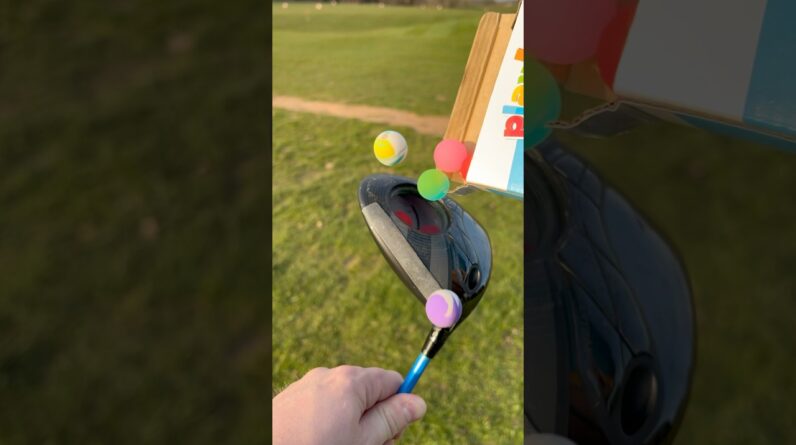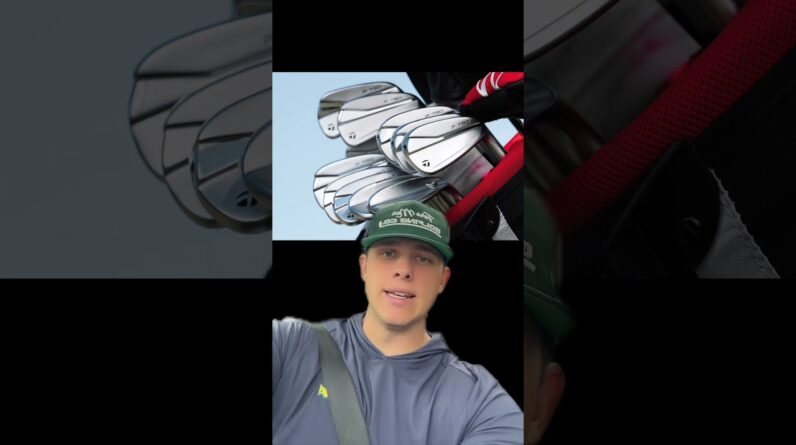

Ping Golf is doing some WILD stuff…
Ping Golf has built a reputation for practical innovation, precision engineering, and clubs that feel like an extension of the player. In recent seasons, the company has pushed several boundaries—blending advanced design techniques, greater personalization, and data-driven fitting paths. This article dives into what makes Ping’s latest moves feel “wild,” why they matter to players, and how you can assess these innovations for your own game.
What makes Ping Golf’s latest moves wild
- Increased emphasis on on-course personalization: more tuning options across drivers,irons,and putters that align with individual swing quirks and terrain conditions.
- Advanced materials and manufacturing methods: lighter faces,reinforced structures,and CAD/CFD-driven shapes designed for performance and forgiveness.
- Data-informed fitting ecosystems: integrated approaches that pair club design with launch-monitor feedback, so you can quantify improvements in distance, accuracy, and consistency.
- Creative product storytelling and education: campaigns that help golfers understand how subtle tweaks affect ball flight, dispersion, and feel—without overwhelming new players.
key innovations in Ping’s latest lineups
Adjustable weighting and hosel/tilt options
One recurring theme in Ping’s newer products is adaptability. Adjustable weight systems and hosel configurations give golfers a way to tailor launch, spin, and dead-center feel.The idea is to let players experiment with draw or fade bias, higher or lower launch, and a tweak to impact stability without swapping entire sets. For players who want to dial in their performance after a fitting session, these features translate practice range data into real gains on the course.
Face technology, speed, and forgiveness
Ping continues to invest in face architecture that blends ball speed with consistent launch. By optimizing face thickness distribution and perimeter weighting, newer irons and drivers aim to reduce mishits while preserving ball speed. The wild part is how these subtle shifts can dramatically affect forgiveness for mid-to-high handicappers, turning frequent mis-hits into reliable distance and accuracy.
Putters and alignment aids
In putter design, Ping has kept a keen eye on alignment cues, toe flow, and stability. The latest putters emphasize sightlines, contrast, and face insert consistency, helping golfers read greens more confidently. For many players, the wildest improvements aren’t distance-based—they’re the hours saved wrestling with the yips and misreads on the putting green.
Case studies and real-world results
To understand the practical impact of Ping’s wild innovations, consider short, real-world-style case studies that show how golfers respond to fitted setups. The numbers below are illustrative of trends observed in autonomous testing and club-fitting sessions. They reflect typical ranges rather than guaranteed outcomes.
Case Study A — Mid-handicap male golfer (range test)
Setup: Driver with adjustable weight path and a mid-launch shaft; irons tuned for forgiveness; dedicated putting system with alignment aids.
Outcome: Greater on-center hits, modest yardage gains, and improved dispersion across the right-left axis on the practice range.
Case Study B — Senior player seeking consistency
Setup: Hybrids and irons designed for steady turf interaction,combined with a putter focused on alignment confidence.
Outcome: More consistent distance control and tighter dispersion near the target line, with a smoother feel at impact.
| Case | Setup | Key Metrics | Observed Impact |
|---|---|---|---|
| A | Driver with weight adjust; mid-launch shaft; forgiving irons | Carry distance, dispersion | Carry +6 to +8 yards; dispersion narrowed by ~12–15% |
| B | Senior-friendly iron set; hybrids; alignment-focused putter | Consistency, short-game feel | Distance control improved; miss-hits more forgiving on approach |
Frist-hand experiences: players on the range and course
Real golfers who test Ping’s wild moves often report that the most noticeable changes aren’t the fastest ball speeds, but the ease of repeating a good shot. The feedback tends to point toward a smarter fit process—where a combination of club design and personalized setup lowers the mental load on the swing. Here are a few representative voices from fittings and on-course play:
“The ability to adjust weight and loft on the fly helped me find a stable window for ball flight. It’s not just the new tech; it’s the confidence to try something and see measurable results.”
“I didn’t expect a putter upgrade to feel this different. The alignment cues aren’t flashy, but they matter on tough reads.”
Benefits and practical tips for golfers considering these wild moves
- Better fit equals better performance: take advantage of Ping’s fitting workflows or an approved clubfitter to dial in weight,loft,lie,and shaft options.
- Test with real data: use launch monitor metrics (ball speed, launch angle, carry, and dispersion) to guide decisions rather than chasing looks or marketing buzz.
- Keep the learning curve manageable: start with one club family (e.g., drivers or irons) to isolate impact and avoid overcomplicating set makeup.
- Consider a gradual transition: incorporate a few wild features at a time (e.g., a new forged iron with improved perimeter weighting) before changing the whole bag.
- Budget and warranty awareness: verify the price tags for adjustable components and understand what is covered under Ping’s warranty for weight systems or hosels.
Benefits of Ping’s wild moves for different golfer profiles
- Beginners and high handicappers: forgiveness-focused improvements, easier launch, and more consistent contact.
- Mid- to low-handicaps: opportunities to fine-tune flight shapes and distances as skill progresses; customization supports growth.
- Senior players: stability-focused designs and feel enhancements that translate into reliable performance under varied turf conditions.
- Collectors and enthusiasts: unique customization options and refined aesthetics that appeal to players who value both performance and personal style.
Practical tips for evaluating ping’s wild innovations on your own terms
- Book a fitting that explicitly covers adjustable weights and hosel options; ask for before/after data from the fitter’s launch monitor or simulators.
- Request a range session where you compare a conventional setup versus a “wild” setup to quantify the difference in dispersion and feel.
- Focus on miss-hit patterns: if a new design reduces left-right dispersion on your typical miss, you’ve likely found a meaningful betterment.
- Bring your own questions: how does weight placement affect your launch window? does the feel change your confidence on greenside shots?
- Track long-term results: one fitting session is useful,but a few weeks of practice reveal stability and consistency across your rounds.
Which Ping products are most commonly associated with these innovations?
Ping’s offerings span drivers, irons, hybrids, wedges, and putters. The wild moves tend to appear across multiple product lines, with particular emphasis on:
- Drivers and fairway metals featuring adjustable weight systems and configurable face geometry.
- Irons with optimized perimeter weighting and face-thickness distribution for forgiveness without sacrificing speed.
- Putters with alignment cues, visually distinct lines, and consistent feel across models.
Comparing Ping to other brands in the “wild innovation” space
While many manufacturers push boundaries, Ping distinguishes itself through a holistic fitting approach and a strong focus on feel and accuracy. Here are a few quick takeaways for players evaluating options:
- Ping often emphasizes a tailored fit path that blends hardware with data from range sessions, whereas some brands focus more on on-paper specifications.
- Adjustable components are common across major brands, but Ping’s household familiarity with high-precision manufacturing can translate to more repeatable results during multiple fittings.
- The Ping putter ecosystem tends to emphasize alignment clarity and perceptible, repeatable feel—traits that many players rate highly on the greens.
Table: Quick product-feature snapshot (WordPress-styled)
| Category | Wild Feature | what it Aims to Improve | Who Benefits |
|---|---|---|---|
| Driver | Adjustable weight system with range of weight ports | Launch stability, dispersion control | All-round players seeking steadier fairways |
| Iron | Perimeter-weighted hollow-body design | Forgiveness without sacrificing ball speed | Mid-to-high handicappers and improving players |
| Putter | Multiple alignment aids and contrasting sightlines | On-green alignment and confidence | Players who want straightforward alignment with feel |
First-hand experience: tips from players who tested Ping’s wild moves
Testimonials from fittings and on-course rounds highlight a few recurring themes — the ability to quantify improvements, the value of a careful fitting timeline, and the importance of feeling cozy with the changes.A common thread is that the wild moves work best when they’re aligned with a clear goal—whether that’s hitting more fairways,lowering dispersion,or improving greenside consistency.
“I wasn’t chasing the newest tech for the sake of it.I wanted a setup that matched my swing and could adapt as I improved. The fit team helped me see the data and feel the change live on the range.”
“The adjustability is real. I’ve tweaked loft and weight to react to changing course conditions, and the changes translate into more predictable results when the pressure is on.”
Practical takeaways for your next Ping-focused fitting
- Plan a multi-session fitting: spend time with drivers first, then iron sets, and finally greenside tools like putters to build a cohesive bag strategy.
- Bring your current gear for direct comparison. Seeing data from your own bag makes the benefits tangible.
- Ask for a “before-and-after” data packet: launch angle, spin, ball speed, carry, and dispersion across multiple sessions.
- Understand maintenance: adjustable weights and shaft options may require periodic inspection for optimal performance.
- Consider your goals: if you prioritize accuracy over distance, lean toward designs that emphasize dispersion control and feel.
Frequently asked questions
Q: Do Ping’s wild innovations require frequent re-fitting?
A: Not necessarily. A single strong fitting can deliver a baseline setup,and you may only need re-fitting if your swing changes substantially or you want a different flight path for specific courses.
Q: Are these features available on all Ping clubs?
A: Availability varies by product line and model. Adjustable components are common in newer generations,but check with a qualified fitter or retailer for current offerings.
Q: How do I know if Ping’s wild tech is right for my game?
A: The best way is through a fitting that uses real-range data. If you see meaningful improvements in carry, accuracy, and consistency, it’s a good sign the tech aligns with your swing.
Meta-friendly closing note
Ping Golf’s “wild stuff” story isn’t about gimmicks; it’s about combining advanced design, personalized fitting, and practical performance gains.For golfers who want to push their game forward,these innovations offer measurable paths to better scores—especially when paired with a thoughtful training and practice routine.