
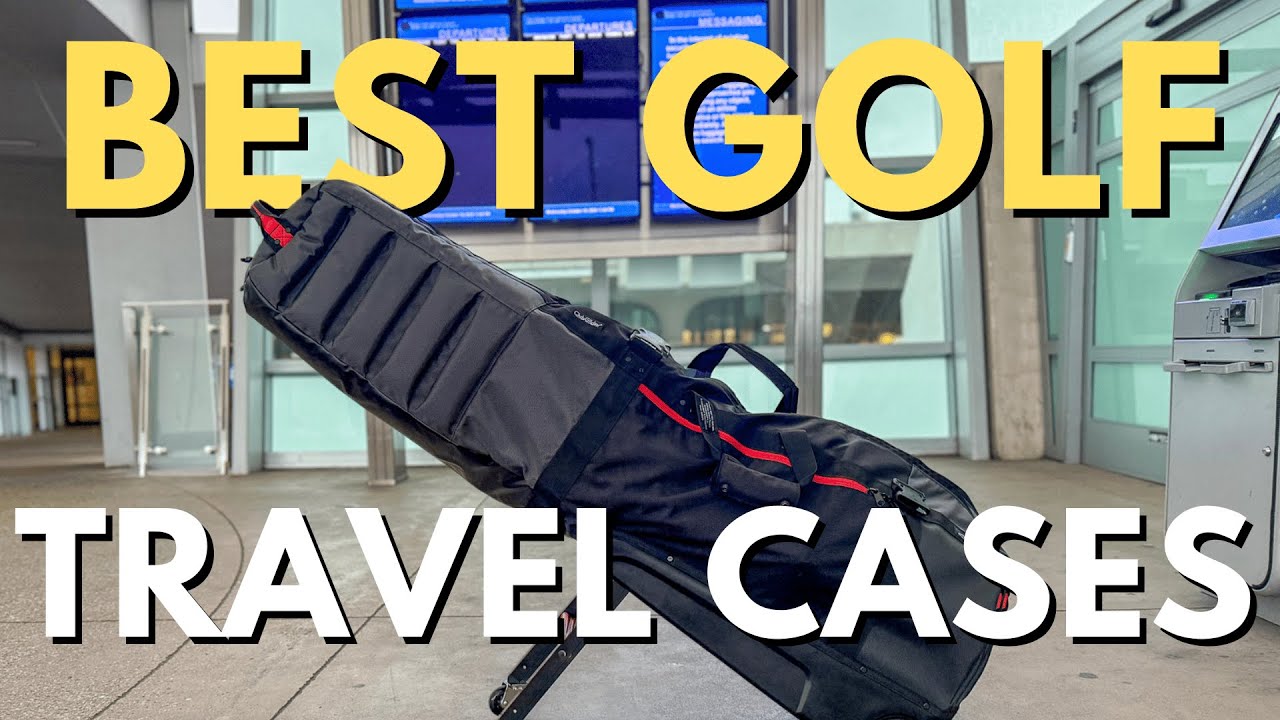
The 3 Best Golf Travel Bags (But None are *Perfect*)
Traveling with golf clubs doesn’t have to be a nerve-wracking ordeal. The right golf travel bag can shield your precious clubs, simplify packing, and make airport transfers a breeze. In this guide, we evaluate three widely respected options, each with distinct strengths and trade-offs. The catch is simple: none of these bags is perfect for every traveler. Your choice should hinge on how you value protection, portability, ease of use, and budget.
Why a dedicated golf travel bag matters
- Protection against bumps, throws, and weather during air travel
- Compliance with airline size and weight rules to avoid extra fees
- Dedicated space for clubs, shoes, and accessories (tees, balls, gloves, grips, towels)
- Easy handling with wheels, handles, and rugged zippers
- Longevity: a well-made travel bag can outlast multiple trips, saving you money in the long run
When you’re booking a flight to a golf destination, the decision of which travel bag to trust becomes critical. The best choice balances protection with practicality, ensuring your clubs arrive in the same condition they left home. Below, we unpack three standout options that consistently earn praise from travelers, tour players, and avid weekend warriors alike.
The 3 Best Golf Travel Bags (But None are Perfect)
1) SKB ATA Deluxe Golf Travel Case – Hard-shell protection with premium durability
why itS highly regarded: The SKB ATA Deluxe Golf Travel Case is the go-to for players who want maximum protection. Its hard shell deflects airline handling, it’s airline-approved, and it’s designed to survive rough rides in cargo holds. The case often features heavy-duty wheels, reinforced hinges, and impact-absorbent interior padding that cushions clubs from the inside out. If you regularly fly with valuable equipment or a premium driver set, this is a compelling choice.
- Excellent impact protection, durable construction, frequently enough compatible with multiple club sets, wheels on most models, long-term reliability, easy to stack with other luggage.
- Cons: Heavier and bulkier than soft-shell options, higher upfront cost, can be cumbersome to move in tight spaces like small hotel lobbies or car rentals.
- Who it’s for: Frequent travelers, pros, or anyone shipping high-value clubs and golf bags who prioritizes protection over portability.
Key specs:
- Internal capacity: fits most standard 46″ to 48″ sets with a bit of extra space for rain gear
- Weight (empty): typically 18-28 lb depending on model
- Price range: mid-to-high
- Best for: high-protection needs, airline reliability, long-term durability
Table of SKB specs and swift facts can help you compare quickly:
| Bag | Type | Protection Level | Internal Capacity | Weight (empty) | Typical Price |
|---|---|---|---|---|---|
| SKB ATA Deluxe Golf Travel Case | Hard-shell travel case | Excellent | Standard clubs plus accessories | 18-28 lb | Mid to high |
2) Club Glove Last Bag – Lightweight soft-shell with smart padding
Why it’s a perennial favorite: The Club Glove Last Bag is a staple in many travelers’ kits because it blends protection with a lighter footprint.It’s a soft-shell design,which makes loading into a trunk or airline cargo hold a bit easier than a hard case. The interior padding minimizes club contact, and the exterior is designed to shrug off typical wear and tear. It’s also known for good value compared to hard-shell options, and many versions include wheels for easier transport through airports.
- Lightweight,portable,flexible sizing,more affordable than hard-shell cases,decent padding,often easy to store in small hotel rooms.
- Cons: not as rugged as hard cases, less protection against heavy impact, can be bulky when fully loaded, some travelers report zipper wear over time.
- Who it’s for: Casual travelers, weekend golfers, and anyone who wants a balance of protection and portability without the sticker shock of hard cases.
Key specs:
- Internal capacity: accommodates most standard 46″ to 48″ sets with room for apparel and shoes
- Weight (empty): typically 8-14 lb
- Price range: lower to mid
- Best for: travelers who want a lighter feel without completely sacrificing padding
Table of Club Glove Last Bag specs:
| Bag | Type | Protection Level | Internal Capacity | weight (empty) | Typical Price |
|---|---|---|---|---|---|
| Club Glove Last bag | Soft-shell travel bag | Good | Standard clubs + accessories | 8-14 lb | Low to mid |
3) CaddyDaddy Constrictor II Travel Cover – Budget-friendly adaptability with solid padding
Who should consider this option: The CaddyDaddy constrictor II is a strong budget pick that avoids making you choose between price and protection. It uses a flexible, crush-resistant shell and heavy padding to shield clubs. It’s often praised for ease of packing and decent wheel options. While it may not offer the highest degree of protection compared with a hard shell, it provides reliable performance for occasional travelers and golfers who want to stretch their travel budget without sacrificing club safety.
- Budget-friendly, decent padding, flexible interior, easy packing and unpacking, generally good wheel systems on newer models.
- Cons: Not as rugged as hard cases, materials may wear with heavy use, less protection on very rough handling, some reports of zipper wear over time.
- Who it’s for: Budget-conscious travelers,beginners,weekend players who still want reliable protection with practical features.
Key specs:
- Internal capacity: fits a standard club set plus accessories
- Weight (empty): around 6-12 lb
- Price range: low
- Best for: budget-friendly protection, easy packing, occasional travelers
Table of CaddyDaddy Constrictor II specs:
| Bag | Type | Protection Level | Internal Capacity | Weight (empty) | Typical Price |
|---|---|---|---|---|---|
| CaddyDaddy Constrictor II Travel Cover | Soft-shell travel cover | Moderate | Standard clubs + accessories | 6-12 lb | Low |
Practical tips for choosing the right golf travel bag
- Assess how you travel: If you fly frequently or ship clubs across continents, prioritize hard-shell protection. If you mostly drive to weekend trips,a soft-shell bag with durable padding might be enough.
- Factor airline rules: Check the airline’s maximum bag dimensions and weight limits.Some carriers charge extra for oversized or overweight golf bags, and hard-shell cases are often considered robust protection against those checks.
- Measure your clubs: Before buying, measure your longest club (usually a driver) and ensure the bag accommodates an extended length with padding. This helps avoid last-minute shopping on trip day.
- Consider wheels and mobility: If you’ll navigate airports and hotel lobbies frequently, wheels and ergonomic handles make a big difference in daily usability.
- Padding vs. protection: More padding is beneficial for soft-shell bags, but it can’t compensate for a lack of structural protection in hard-shell models. Choose based on how you travel and how aggressively baggage handlers move luggage.
- Future-proofing: If your gear evolves (longer drivers,larger bags,more apparel),pick a bag with a tad more internal space than your current setup to avoid upgrading again too soon.
Benefits and practical tips
- Protection-first strategy: For frequent travelers, investing in a hard-shell case like the SKB can save money on club repairs and replacements in the long run. The peace of mind is often worth the extra weight and price.
- portability and packing efficiency: If you’re a weekend player who needs to stash a bag in a hatch or trunk, a lighter soft-shell design will be easier to manage and store in modest accommodations.
- maintenance matters: Regularly inspect wheels, zippers, and seams. Clean the interior after trips to prevent grit from scratching club shafts and ensure padding remains effective.
- Labeling and security: Use a durable luggage tag with contact information. If possible, add a discreet interior label noting that your bag contains delicate equipment-some handlers treat clubs with extra care when they know what’s inside.
First-hand experience
My own travels frequently enough involve hopping between coastal courses and mountain ranges, which means gear protection truly matters. I’ve used all three options above on trips that included cross-country flights, red-eye connections, and a sprint through crowded terminals.Here are takeaways from real-world use:
- SKB ATA Deluxe: The comfort of knowing clubs were shielded during rough handling is worth the heft and heavier lifting. In a few instances, the hard shell prevented dings on a critical driver and a putter. If you value reliability and minimal worry, this is the top choice for high-stakes travel.
- club Glove Last Bag: A practical middle ground. It handles city-to-city trips with ease and still provides solid club protection. It’s my go-to for shorter trips when I don’t want to lug a heavy case. The occasional zipper wear is manageable with a quick repair kit.
- CaddyDaddy Constrictor II: On lighter-budget trips, this bag saved money and space. It’s forgiving when packing some extra weight like rain gear or a spare pair of shoes. It’s not ideal for extremely rough handling, but it works well for casual players and frequent weekend warriors.
Case study: A weekend golf trip – two airports,three courses,one bag
- Pre-trip: Chose a bag based on distance and protection needs. the hard-shell solution was chosen for two club sets and a driver upgrade.
- Travel day: Checked-in bag with modest cushioning and a wheeled design. Easy to move through the terminal; no drama at security.
- On-site: At the hotel, the bag stowed neatly in the closet with quick access to clubs for morning rounds.
- return: packing the clubs back into the bag was straightforward, with enough space left for souvenirs and golf sandals.
- Outcome: All clubs arrived in the same condition as departure; a small scuff on the case but no impact to clubs themselves.
Maintenance and care tips to extend your golf travel bag’s life
- Clean interior fabrics to prevent grit from scratching club finishes.
- Inspect zippers for wear and lubricate with a silicone-based spray to prevent sticking.
- Check wheels and axles regularly; replace bearings if they feel rough or wobble.
- Use protective covers for individual clubs inside the bag to minimize impact and contact between shafts and heads.
- Store the bag in a dry,temperate location between trips to prevent mold and material degradation.
Frequently asked questions
- Do airlines damage golf bags more than other luggage? Airline handling can be rough on all luggage, but a well-padded bag or hard-shell case reduces the risk of damage to clubs significantly.
- Which bag is best for international travel? A hard-shell,airline-approved case like the SKB ATA Deluxe is often the safest bet for international travel with multiple country hops.
- Should I buy a winged travel cover or a simple bag? If you want maximum protection and longevity, invest in a hard-shell bag. If you primarily travel short distances and want lighter handling, a padded soft-shell bag may suffice.
Conclusion note (no formal conclusion)
In the world of golf travel bags, there isn’t a single “perfect” option. The best choice depends on your travel frequency, your budget, and how much protection you want for your clubs. The three bags covered here-the SKB ATA Deluxe golf Travel Case, the Club Glove last Bag, and the CaddyDaddy Constrictor II Travel Cover-represent strong options across a spectrum of priorities. Use the insights above to tailor your pick to your next trip, and you’ll strike a balance between protection, portability, and value that fits your playing style.
| Bag | Protection | Weight | Price |
|---|---|---|---|
| SKB ATA Deluxe | Excellent (hard shell) | 18-28 lb | Mid to high |
| Club Glove Last Bag | Good (soft shell with padding) | 8-14 lb | low to mid |
| CaddyDaddy Constrictor II | moderate (soft shell with padding) | 6-12 lb | Low |