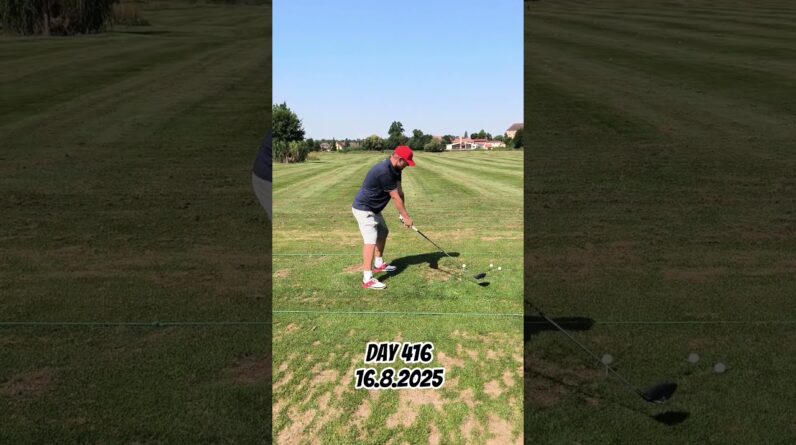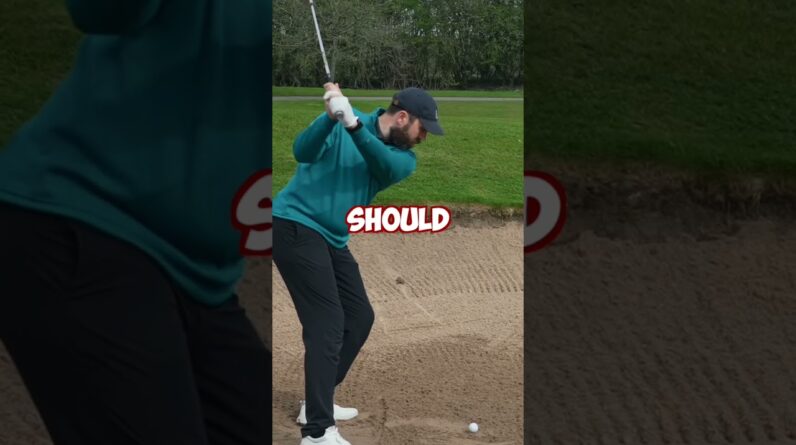

The right Way To Swing Your Driver #golf #golftips
Understanding the Basics of a driver Swing
The driver, also known as the 1-wood, is the longest club in your golf bag and is designed for maximum distance off the tee. Swinging it the right way is essential to boost your driving performance and lower your scores. A powerful and consistent driver swing combines good technique, proper posture, and mental focus.
Before diving into advanced tips, it’s crucial to nail the fundamentals. A good driver swing starts from your setup and flows into a smooth, controlled motion that generates power while maintaining accuracy.
Step-by-Step Guide: The Right Way To Swing Your Driver
1. Proper Setup & Stance
- Ball Position: Place the ball just inside your front heel (left heel for right-handed golfers). This encourages an upward strike needed for longer drives.
- Stance Width: your feet should be shoulder-width apart or slightly wider for better balance and stability.
- Grip: Use a neutral grip to allow natural clubface rotation through impact. Avoid gripping to tightly.
- Posture: Bend slightly from the hips with a flat back, knees flexed lightly, and weight balanced evenly across both feet.
2. The Backswing
Start your backswing smoothly,turning your shoulders while maintaining a steady head position. Key points include:
- keep your left arm straight but not stiff.
- Shift weight slightly to your back foot (right foot for right-handers).
- Rotate your hips and torso away from the target.
- Maintain wrist hinge to store power.
3. Transition & Downswing
The transition from backswing to downswing should be controlled to generate maximum speed and power.
- Start the downswing by shifting your weight to your front foot.
- Begin turning your hips toward the target before your arms and club come down.
- Maintain your wrist hinge until just before impact.
- Keep your head steady and eyes on the ball.
4.Impact Position
The moment of truth in a driver swing. For optimal distance and accuracy:
- Strike the ball slightly on the upswing to maximize launch angle and reduce spin.
- Your hips should be open toward the target while shoulders remain square.
- Hands should be ahead of the ball at impact,promoting a solid strike.
5. Follow-Through & Finish
A balanced follow-through helps maintain swing rhythm and prevents injury.
- Allow your arms to extend fully toward the target.
- Your body should rotate so your chest faces the target.
- Finish with weight mostly on your front foot, balanced and controlled.
Common Mistakes When Swinging a Driver
| Mistake | Description | Fix |
|---|---|---|
| Hitting Down on the Ball | Causes low launch and poor distance. | Move ball position forward and focus on sweeping the ball upward. |
| Over-swinging | Loses control and reduces consistency. | Keep a smooth tempo and controlled backswing. |
| Topping or Thin Shots | Clashing with ball too high on clubface. | Ensure proper posture and keep weight balanced during swing. |
| Opening Clubface at Impact | Leads to slices or fades. | Work on grip and wrist control; practice square strike drills. |
Practical Tips to Improve Your Driver Swing
- Use Line Drills: Place an alignment stick on the ground pointing at your target to help with stance and swing path.
- Focus on Tempo: Count “1-2” during your backswing and downswing to maintain smooth rhythm.
- Practice Tee Height: Experiment with tee height – typically, half the ball should be above the clubface at address.
- Drill Weight Shift: Practice shifting weight from back foot to front foot in slow motion to build muscle memory.
- Record Your Swing: Use video analysis to spot mechanical faults and track progress over time.
Benefits of mastering the Driver Swing
- Increased Driving Distance: Proper technique ensures more ball speed and higher launch angles.
- Better Accuracy: A consistent swing path minimizes slices and hooks.
- Improved Confidence: Knowing how to control your driver leads to better course management and aggressive play.
- Lower scores: Effective driving sets up shorter approach shots and birdie opportunities.
First-Hand Experience: How I Improved My Drive
As an avid golfer, I struggled with inconsistent drives for years.After focusing on adjusting ball position and tempo, my drives became longer and more accurate. Recording my swing revealed I was opening my clubface too early and not shifting weight correctly. By slowly incorporating these changes and practicing regularly, I saw my average driver distance increase by 20 yards and my fairway hit percentage improve substantially. Following a structured plan and using these golf tips made a real difference.
Recommended Driver Swing Drills for Golfers
| Drill Name | Purpose | How to Do It |
|---|---|---|
| Swing Tempo Drill | Improve smoothness and rhythm | Count “1-2” during backswing and downswing; practice without ball. |
| Weight Shift Drill | Master proper weight transfer | Slowly shift weight from back foot to front foot during swings; pause at transition. |
| Alignment Stick Drill | Maintain proper swing path | Place stick on target line; swing without hitting it to stay on path. |
| Launch Angle Drill | Hit the ball with upward strike | Tee ball higher; practice sweeping through the ball with a slight upward angle. |
FAQs: The right Way To Swing Your Driver
Q: How crucial is ball position for a driver swing?
A: Extremely critically important. Proper ball position, usually just inside the front heel, helps create an upward strike on the ball for maximum distance.
Q: Should I swing harder with my driver compared to irons?
A: No, swinging harder frequently enough leads to loss of control. Focus on a smooth, controlled swing with good tempo to generate clubhead speed efficiently.
Q: how can I fix slicing my drives?
A: Check your grip and clubface alignment at address to ensure the clubface is square. Practice wrist hinge control and swing path drills.