
Between the top of the swing and the moment the ball leaves the clubface, the trail arm performs a quiet but decisive act. In “Trail-Arm Troubles in the Downswing: A Close Look,” we step inside that moment to examine how the trailing arm contributes to sequencing, leverage, and control. Far from a dramatic miscue, many issues begin with subtle timing: the trail arm failing to lag, or releasing too early, the forearm rotating too soon, and the body’s torques nudging the club off its intended path. The article surveys common patterns—overactive grip, premature extension, late release—and pairs them with biomechanical explanations and practical observations from both on-course play and laboratory settings. By combining frame-by-frame analysis with accessible coaching cues, we aim for a neutral, constructive lens: describing what happens, why it matters, and how adjustments in stance, tempo, and focus can restore a reliable downswing. Readers will leave with a clearer map of the trail arm’s journey from idle to impact, and with actionable steps to guide practise toward repeatable contact rather than dramatic, inconsistent swings.
Understanding the trail arm role in the downswing and the common faults
In the downswing, the trail arm acts as the anchor for sequence and connection. As the body rotates, the trail arm should stay attached to the torso, keeping the elbow close and the wrist soft so the club can lag behind without flipping shut the face. This keeps the swing on a natural arc, preserves lag, and reduces the tendency to release too early. The idea has gained traction in coaching videos that frame a trail-arm emphasis as an instant fix for the downswing.
- Trail arm loses connection with the torso
- Early release or casting due to mis-timed trail-arm movement
- Excessive tension that locks the elbow
- Elbow or wrist mismatch causing face misalignment
Common faults tied to trail-arm mechanics and speedy checks: a trail arm that detaches or extends away from the body too soon breaks the sequence,often showing up as inconsistent contact or a misfired release. A trail elbow that caves or a wrist that cups early signals loss of lag and timing. A practical feel is to keep the trail arm softly connected to your side while you rotate, then allow a late, controlled release rather than an aggressive snap at impact.
| Fault | symptom | Quick Fix |
|---|---|---|
| Trail arm loses connection | Inconsistent contact, mis-timed release | Maintain gentle pressure; keep elbow near rib cage through impact |
| Early trail-arm extension | Early release, face inconsistency | Pause and let trailing arm stay folded until late downswing |
| Trail elbow collapses outward | Over-the-top path, lag loss | Keep elbow connected; rotate torso while maintaining a quiet trail-arm path |
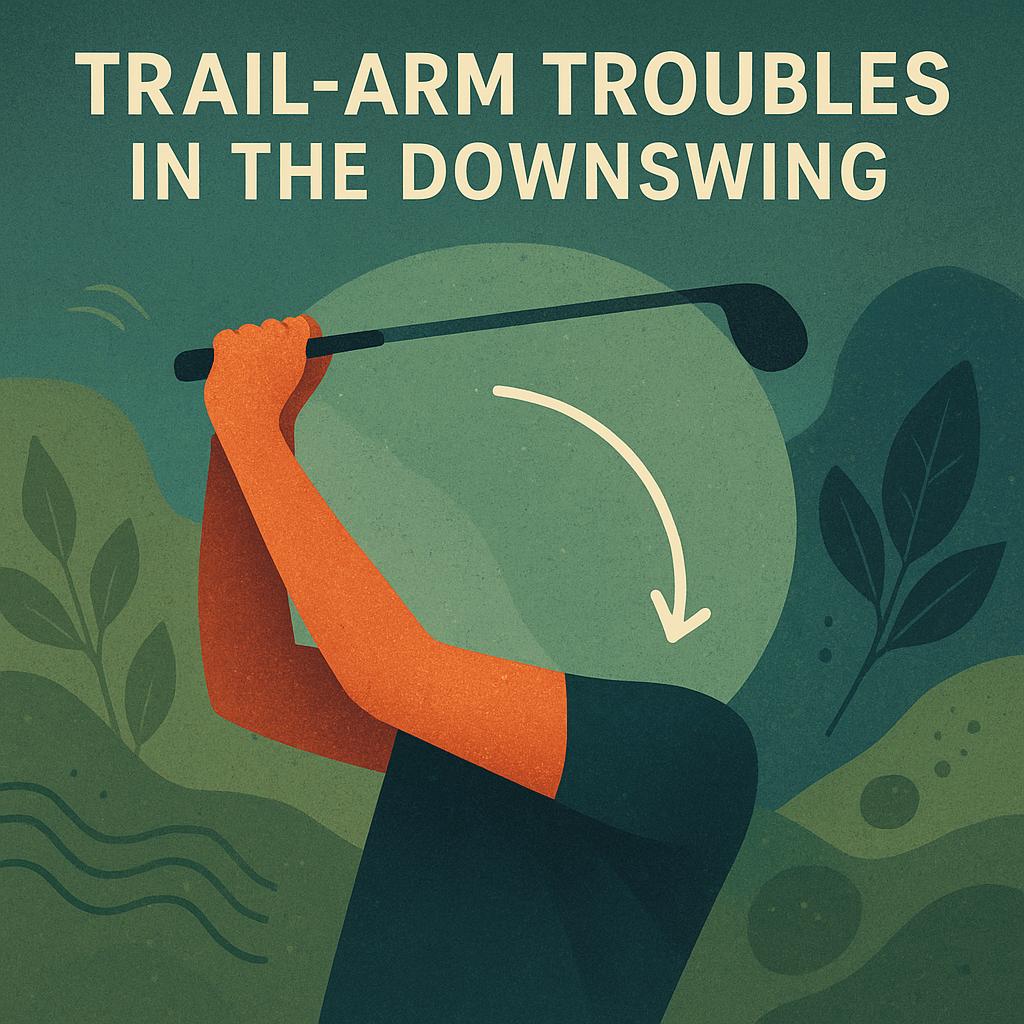
Diagnosing sequencing gaps and grip issues that derail lag
diagnosing sequencing gaps begins with how the trail arm should behave in the downswing. When the sequence between hip rotation, torso unwinding, and arm extension stays connected, the trail arm tucks in and the lag is maintained deep into the arc. If the trail arm spills outward or the wrists hinge prematurely, the lag collapses and clubhead speed is compromised.A neutral grip supports this linkage by allowing a smooth hinge-release rather than tension that freezes the wrists.
- Grip pressure—too tight or uneven, disrupting hinge timing.
- Trail-arm alignment—elbow drifting away from the body, loosening connection.
- Body sequencing—hips and torso not unwinding in sync with the arms.
- Wrist release—early or late, skewing the lag angle.
To diagnose,observe and feel the sequence in slow motion: check that the trail arm stays connected,elbows remain close,and the wrists release at the correct moment. Use video, a mirror, or a simple tempo drill to verify that the lag angle remains intact into impact. Helpful cues include keeping the trail arm driving the swing into the torso, maintaining a soft grip, and letting the body unwind before the hands. Pair these adjustments with feedback tools to confirm plane, tempo, and lag as you train.

Drills to rebuild trail arm connection and a smoother release
Trail-Arm connection and a smooth release start with identifying where the breakdown happens in the downswing. Common issues include the trail elbow flaring away from the body and the wrists uncocking too early, which breaks the natural path. A stable trail arm acts as a quiet guide, maintaining a compact radius and letting your torso rotation lead the shot.Focus on keeping the right elbow close and the forearm in a slight supination that stays connected to your side, and let the swing trace a smooth arc rather than whipping through the ball. This reestablished link sets up a cleaner strike and less tension through the release.
Practice with purposeful drills that reinforce feel over force. Start slow, pause at key positions, and check your connection in a mirror or with a training aid. Build tempo gradually so the trail arm stays connected from the top of the backswing through impact, not flaring or folding early.By pairing the following drills with mindful cues, you’ll cultivate a reliable, quiet release that rounds out your downswing.
| Drill | Setup | Cue | What to watch |
|---|---|---|---|
| Towel-under-trail-arm | Place a small towel under the right armpit, against your ribcage. Maintain stance. |
|
Feel the trail arm stay connected through the transition. |
| Impact bag press | set an impact bag at mid-chest height; stand in posture to contact bag with the trail arm. |
|
“Lead with the hips, and keep the trail elbow in.” |
| Half-swing release drill | Take a half backswing, then pause and complete a controlled release toward impact onyl. |
|
“Release with the chest, not the hands.” |
| Mirror-check path drill | face a mirror or position yourself in front of a reflective surface. |
|
Identify early release or outward drift. |
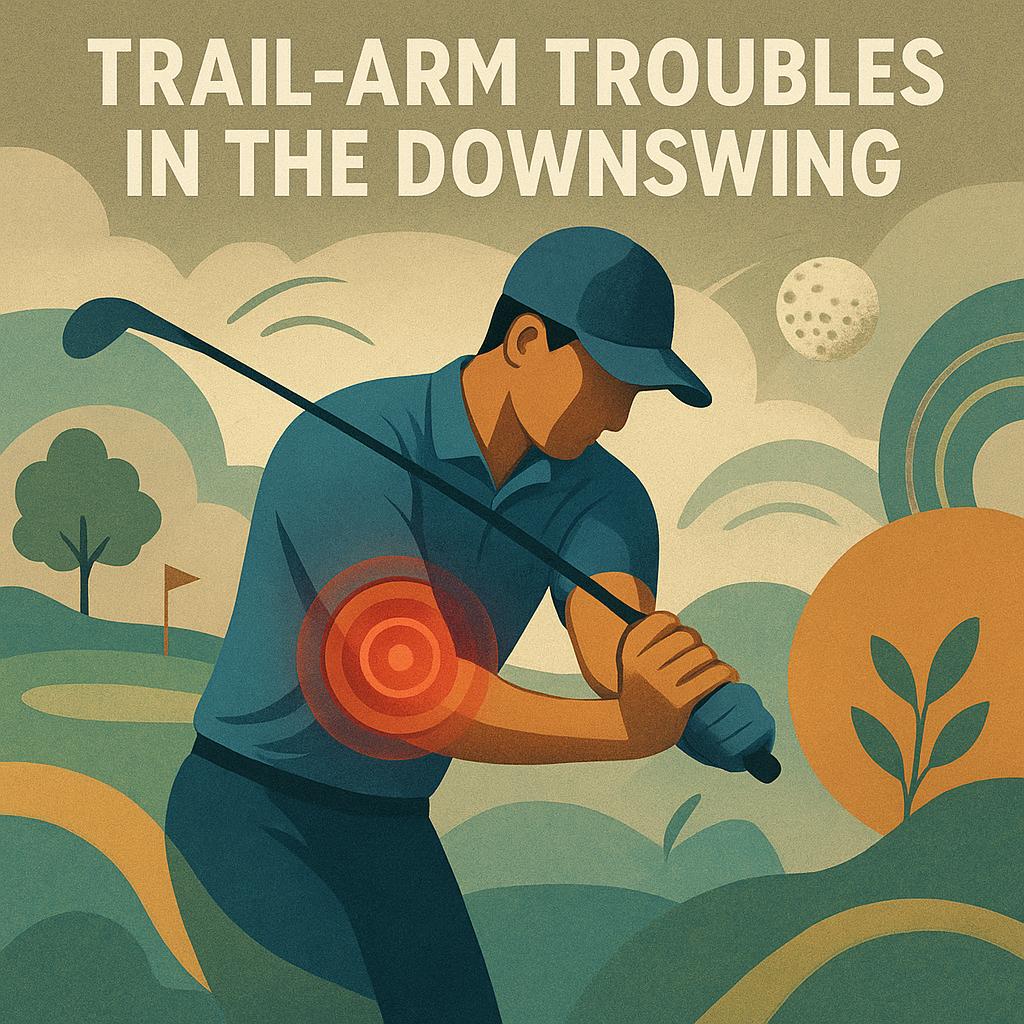
Practical coaching cues and targeted practice plans to fix trail arm troubles
Downswing trail-arm troubles frequently enough reveal a breakdown in sequence—arms grabbing for the club before your hips and torso fully rotate.Use coaching cues that reintroduce connection,timing,and restraint:
- Softened trail elbow kept close to your ribcage through impact.
- Lead with hip rotation to set the arc before the arms engage.
- Light, relaxed grip to prevent flipping or overactive forearms.
- Quiet trail arm in the early downswing, releasing only when the torso has established the path.
- Light trail-hand anchor near the core to prevent overreach.
Structured practice plan: a simple progression that trains timing, connection, and control. Use short, repeatable drills and track feeling rather than force, so the trail arm remains a follower, not a driver:
- Downswing Pause Drill — Pause at the top for 0.5–1 second,feel hips rotate frist and the trail arm stay relaxed.
- Towel Under Arm Drill — Place a small towel under the trail arm; swing while the towel stays in place to maintain torso-arm connection.
- Impact Bag Drill — Hit an impact bag with a slight forward shaft lean, emphasizing a passive trail arm.
- Tempo Intervals — do 8 swings at a controlled tempo (2:1:2), focusing on sequence rather than speed.
| Drill | How to perform | Focus |
|---|---|---|
| Downswing Pause | Pause 0.5–1s at top; rotate hips first; keep trail arm quiet | Sequence, lag |
| Towel Under Arm | Towel tucked under trail arm; swing with towel staying in place | Connection |
| Impact Bag | Strike bag with forward shaft lean; feel trail arm relaxed | Forward shaft, lag |
| Tempo Intervals | 8 swings at a calm pace; 2:1:2 timing | Timing |
The Conclusion
As you close this close look at trail-arm troubles in the downswing, remember that the fix often starts with a precise trail-arm setup. When the trail arm and wrist sit in the correct position, the club head can move independently from your body, letting the wrists hinge naturally and the hands lead without tension. The journey toward consistency is aided by a repeatable setup and a simple check that confirms you’re on the right track. Some players find value in a wrist-feedback drill to lock in the position, aiming for a reading that confirms proper setup—about 10° on the sensor.[1[1[1[1]