
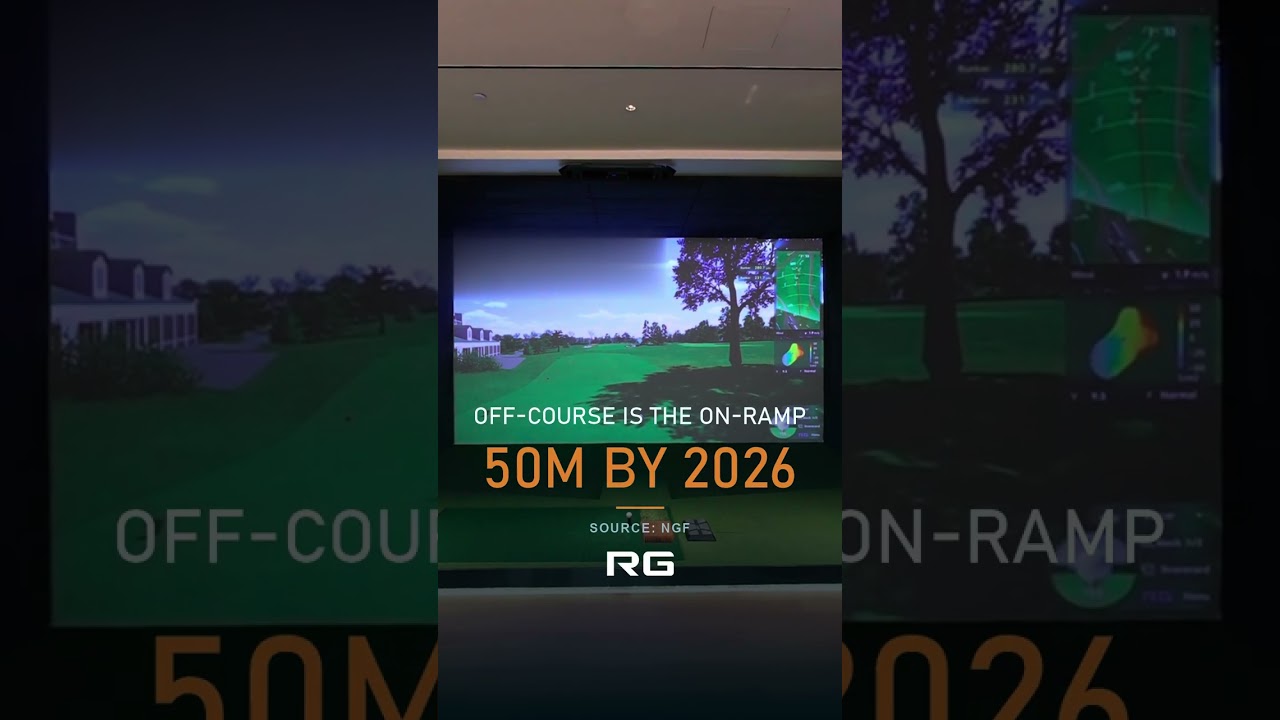
48.1M Played Golf in 2025 — 19M Never on a Course #Shorts
48.1M Played Golf in 2025 — 19M Never on a Course #Shorts
In 2025, golf reached a landmark moment that sports statisticians and golf fans will be talking about for years: 48.1 million people participated in golf in some form, and a striking 19 million of them never stepped foot on a conventional golf course.This trend highlights a shift in how people engage wiht golf, driven by technology, accessibility, and changing leisure habits. Whether you’re a seasoned player, a curious beginner, or a content creator chasing #shorts inspiration, these numbers offer a rich landscape of possibility and insight.
What the 2025 Golf Participation Numbers Really Mean
The headline figure—48.1 million golfers—signals robust interest in the sport at a global scale.But the breakdown into on-course and off-course engagement reveals two vital shifts:
- On-course participation: Nearly 29.1 million players still actively play on traditional courses. These golfers range from lifelong enthusiasts to casual weekend players who value the social and competitive aspects of the course.
- Off-course participation: Approximately 19 million people participate without stepping onto a formal course. This group includes players who practice with home simulators, use driving ranges, engage in virtual golf experiences, or enjoy golf-related activities like indoor putting greens and mobile golf apps.
This dual-path engagement shows how golf remains a flexible sport—one that can be enjoyed in traditional settings or through contemporary platforms that remove many barriers to entry.For marketers, coaches, course managers, and app developers, the numbers map a spectrum of consumer behaviour, from belief in the sport’s social value to the appeal of technology-driven practice.
On-Course vs. Off-Course Golf: Drivers of the Shift
Several forces are converging to push more people toward off-course golf experiences, while on-course golf remains a strong foundation for the sport’s culture and competitive play:
- Accessibility and convenience: Home simulators and compact indoor setups are easier to schedule around busy lives, allowing people to practice during weekdays or after work.
- Technological advances: Realistic simulators, smart sensors, and AI swing analysis provide actionable feedback without requiring a full course round.
- Cost considerations: While some hardware investments are significant, ongoing per-round costs on courses can be higher for casual players, pushing some toward lower-commitment options.
- Content and social media: Short-form video content (#Shorts) showcases quick practice wins, trick shots, and virtual rounds, fueling curiosity and participation from a broader audience.
- Demographic shifts: Younger audiences and new entrants often try golf through entry points like mini-golf, driving-range challenges, or indoor facilities before committing to a course membership.
Regional Trends and Demographics
The 2025 data suggest diverse regional patterns,with some areas seeing rapid growth in off-course engagement while others continue to expand on-course participation due to course development and tourism-driven play. Key takeaway points include:
- North America and Europe show strong on-course participation alongside rising at-home and indoor golf solutions.
- Asia-Pacific markets see surging interest in affordable practice facilities and global access to simulators in community centers and schools.
- Emerging markets emphasize accessibility and social play, where golf can be experienced in shorter formats and through app-based scheduling.
For content creators and brands,these regional nuances offer opportunities to tailor marketing messages—spotlighting family-friendly indoor options in some regions and course-based experiences in others.
Benefits of Golf Across Different Paths
Whether you swing on a fairway or in a simulator, golf offers a mix of physical, cognitive, and social benefits. Hear are some of the most compelling advantages that resonate with both on-course and off-course players:
- Physical health: Walking, swinging, and range work promote cardiovascular health, adaptability, and balance. Even light practice sessions contribute to overall fitness.
- Mental focus and stress relief: The sport’s concentration requirements can improve mental clarity, while being outdoors or in a simulated environment reduces stress for many players.
- Skill development: Repetition and structured feedback—whether from a coach on a course or a sensor in a simulator—accelerate learning curves.
- Social connection: Golf builds community, whether through club memberships, casual matches, or online golf communities that discuss gear, techniques, and rounds.
- Accessibility and inclusivity: Modern practice facilities and home setups open golf to beginners, seniors, and people with limited time or mobility who previously felt excluded.
Practical Tips to Start Golf or Revisit the Hobby
If you’re part of the 19 million engaging with golf off-course or the 29.1 million who still enjoy the course,these practical tips help you maximize enjoyment and learning. The goal is to make golf approachable, affordable, and fun—whether you’re swinging on real grass or practicing in a living room simulator.
For Absolute Beginners
- Invest in a basic starter set that fits your height and swing speed. You don’t need the $800 driver to begin; many beginners see advancement with a modest, well-fitting club set.
- Take a short lesson focusing on grip,stance,and basic swing tempo. A 30-minute session can set a solid foundation for years of play.
- Practice with purpose: place alignment rods or tape on the floor to learn swing direction and body rotation.
- Try a golf simulator or driving-range session to build confidence before heading to a real course.
For Off-Course Golf Enthusiasts
- Choose a reliable indoor or at-home setup with a sensor system that offers swing analysis and shot tracking.
- Balance your practice with on-course play occasionally; the feedback from live greens complements the data from simulators.
- Join online communities or local clubs to stay motivated, share progress, and receive guidance from more experienced players.
For Parents and Educators
- Use golf as a development tool for kids and teens: focus on coordination, focus, and a growth mindset rather than scorekeeping at early stages.
- Explore school or community partnerships with golf programs and simulator labs to introduce the sport in a low-pressure environment.
Case Studies and First-Hand Experiences
True stories from players across the on-course and off-course spectrum illustrate how golf remains engaging in diverse formats:
Case Study A: The Family house Golfer
A family in a mid-sized city invested in a compact indoor golf setup. Over six months,the household transformed Friday evenings into a friendly competition,with progress tracked through a sensor app. The family reported improved coordination and a shared hobby that kept kids and parents engaged.
Case Study B: The Urban Golfer Who Skips the Course
In a dense urban environment, a 28-year-old professional uses a high-quality simulator and weekly driving-range visits. The combination keeps skills sharp while fitting a demanding work schedule. The player cites better ball-striking and less travel to practice as key benefits.
Case Study C: The Beginner Becoming a Regular
A retiree joined a local club and began with beginner clinics, then transitioned to occasional course rounds. After several months, the player found a rhythm between social play and practice, reporting improved stamina and a sense of community.
Table: 2025 Golf Participation Snapshot
| Category | estimate (Millions) | Notes |
|---|---|---|
| On-course players | 29.1 | Play rounds on traditional golf courses. |
| Off-course players | 19.0 | Engage via simulators, driving ranges, indoor facilities, or at-home play. |
| Total participants | 48.1 | Combined base across all formats in 2025. |
| Growth drivers | Tech, accessibility, social media | Supports both on-course and off-course participation. |
Note: The table above reflects the broad interpretation of “off-course” participation, which includes home simulators, indoor facilities, and other non-traditional venues that still involve swinging a club and aiming for the ball. The data underscores a diversification of how people experience golf without requiring a single path.
Another Quick look: Reasons People Choose Off-Course Golf
| Reason | Impact on Participation | Practical Tip |
|---|---|---|
| Convenience | More people can fit practice into a busy day. | Schedule 20–30 minute sessions; set a weekly target. |
| affordability | Lower recurring costs compared to frequent rounds on course. | Rent or buy a budget-friendly simulator with progress tracking. |
| Technology feedback | Immediate swing feedback builds confidence. | Use data-driven goals (e.g., contact quality, clubhead speed). |
| Content inspiration | Short-form videos prompt experimentation. | Follow reputable creators and try one new drill weekly. |
SEO and Content Strategy for Golf-Related Content in 2025
To optimize for search engines while delivering value to readers, use a mix of evergreen and timely content. Here are practical strategies tailored to the topic of 48.1M played golf in 2025 and the 19M off-course participants:
- Keyword integration: Naturally weave terms like “2025 golf statistics,” “off-course golf,” “golf simulators,” “shorts golf trend,” and “golf accessibility” into headings, subheadings, and body text.
- Structured data: If your CMS supports it, implement FAQ schema and article schema to enhance visibility in search results.
- Internal linking: Connect this article to beginner guides,gear reviews,and local club directories to improve dwell time and relevance.
- Engaging visuals: Use charts, infographics, and short-form video clips embedded within the content to illustrate key stats and trends.
- Long-tail variations: Create sub-articles focused on regions, age groups, or technology trends (e.g., “best golf simulators 2025” or “beginner golf programs for 18–25-year-olds”).
Practical Takeaways for Writers, Coaches, and Brands
- Emphasize the story behind numbers: not just “how many,” but “why” and “what it means for participation, gear, and facilities.
- Highlight practical tips buyers can act on, such as choosing entry-level equipment or identifying local indoor facilities.
- Address diverse audiences: beginners, casual players, families, and tech enthusiasts who engage with golf through devices and apps.
Frequently Asked Questions (FAQs)
- What does 19M never on a course include?
- It includes people who practice, play, or engage with golf via simulators, home setups, driving ranges, indoor facilities, or virtual platforms rather than playing rounds on traditional courses.
- Is off-course golf a threat to traditional golf?
- Not a threat, but a complement. It broadens access, increases overall interest, and can funnel new players toward on-course experiences over time.
- How can a beginner get started with off-course golf?
- Start with a budget-friendly simulator or practice setup, take a short lesson, and join a local club or online community for guidance and motivation.
Final Thoughts
The 2025 golf landscape presents a fascinating duality: a strong on-course core that sustains the sport’s culture and a rapidly expanding off-course segment driven by technology, accessibility, and social media. For players, this means more ways to enjoy golf, develop skills, and connect with others who share a love for the game—whether your next swing happens on a lush green or a high-tech indoor simulacrum. The #Shorts phenomenon helps keep the sport top of mind, turning quick clips into gateways for serious practice and longer-term participation. As golf continues to adapt to the needs and interests of a broad audience, the future looks bright for both the traditional course and the innovative off-course experiences that together form the 2025 golf ecosystem.