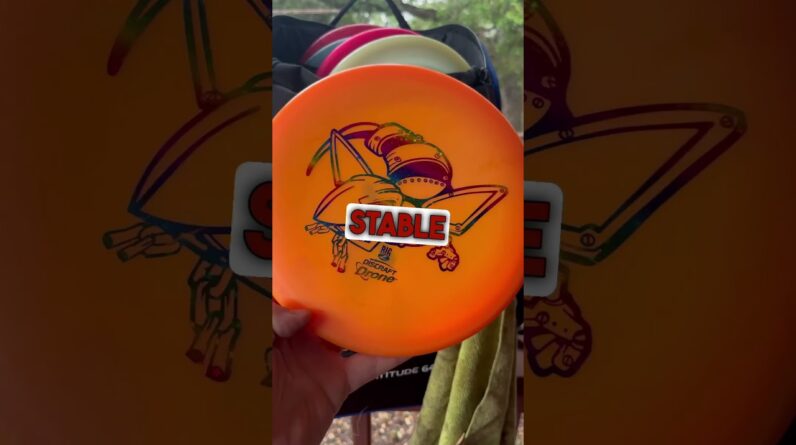

How to Actually Throw Far in Disc Golf (Tutorial)
Whether you’re chasing your personal best or just wanting more distance off the tee, distance in disc golf comes from clean mechanics, consistent timing, and deliberate practice. This tutorial breaks down the core movements, common mistakes, and a practical progression you can follow to gain real throw power and accuracy. We’ll cover both backhand and forehand (flick) distance, plus drills, case examples, and equipment considerations so you can tailor the approach to your game.
Understanding distance in Disc Golf
Distance in disc golf isn’t about raw arm speed alone. It’s a symphony of core rotation, hip torque, weight transfer, timing, and release logistics. You’ll hear terms like reach back, hip snap, shoulder torque, and wrist snap. When these elements align, you generate higher disc speed at release, resulting in longer flights with controlled hyzer or anhyzer trajectories. The goal is to maximize speed while maintaining stability and precision, not just fling the disc as hard as possible.
Core Mechanics for Distance
Grip and Disc Selection
A powerful throw starts with a solid grip and an appropriate disc.For distance throws, many players rely on a stable or slightly overstable distance driver, chosen to handle higher speeds without flipping uncontrollably.Practices:
- Grip: Use a firm power grip with fingertips gripping the rim and the thumb pressed along the top of the disc. The key is control, not white-knuckle tension.
- Disc selection: Distance drivers (e.g., mid-range to long-range drivers) with a flight rating that matches your arm speed. A disc slightly more understable can help if your release is late, but be mindful of consistency.
- Finger pressure and rebound: Avoid excessive pressure on the rim,which can cause early release or pop. Light to moderate pressure helps control the snap at release.
Stance and Posture
Distance throws require a stable base and optimal posture. Your spine should stay tall,with a slight hip hinge and knee flex to absorb torque and transfer energy forward.
- feet: A staggered stance with the back foot slightly behind and to the side helps with balance and weight transfer.
- Posture: Keep your spine in a neutral, tall position. Avoid rounding your shoulders or leaning excessively forward.
- Torso alignment: Aim your chest toward the target early, while your hips turn away from the target during the initial loading phase.
The X-Step and momentum
The X-step is a common technique to build momentum for distance throws. The idea is to create a controlled unwind of the body, using the legs to drive power into the throw.
- Take a small,quick step with the lead foot,followed by a cross-step with the rear foot,creating a straight-line path toward the target.
- Keep the steps compact and synchronized with the arm movement to maintain balance and avoid early rotation.
- Practice tempo: start slowly to master balance, then gradually increase speed while maintaining control.
Shoulder,Hip,and Core Torque
Power in disc golf comes from the sequencing of hips,shoulders,and core. The hips should initiate rotation, followed by the torso, then the arm. If the shoulders spin too early, you’ll lose energy transfer and likely throw off-target.
- Hip turn: Lead with a small hip bump toward the target as you begin the throw.
- Torso rotation: Allow the chest to square to the target as the hips rotate, keeping the shoulders level and stable.
- Core engagement: Engage the abdominal and oblique muscles to control the rotation and maintain spacing between shoulder and hip.
The Reach Back and Tempo
A consistent reach back sets the stage for a clean release.It should feel natural, not forced, with a slight pause before acceleration toward the release.
- Reach back height: The disc should move back to about shoulder height or slightly above, depending on your height and adaptability.
- Tempo: A smooth, explosive acceleration from the reach back through the forward swing yields more energy transfer than a rushed, jerky motion.
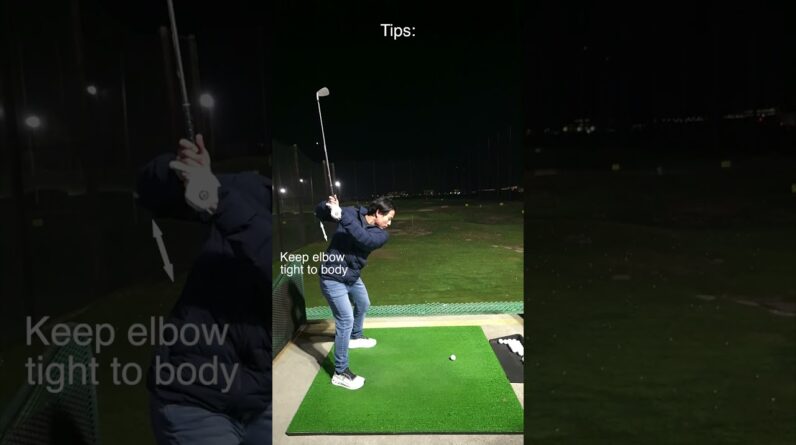
- Elbow position: Keep the elbow relatively close to the body to maximize lever length and control the disc’s path.
Release and Spin
The release is the moment when the stored energy translates into disc speed. A clean snap and stable finish produce long, straight travels with predictable fade.
- Wrist snap: A strong, quick wrist action just before release adds spin and stability.
- Pronation: A controlled forearm rotation helps prevent excessive disc flipping and improves control on lower lines.
- Follow-through: Finish with the disc’s path extending toward the target, with the guiding hand finishing near the midline of your body.
Throw Types for Distance
Backhand Power Throws
The backhand is the workhorse for most players when chasing distance. It combines all core mechanics into a single forward drive.
- Targets: Long-distance straight lines,with a reliable finish to a controlled fade.
- Common cues: “Knee bend, hip turn, chest to target, arm through, snap.”
- Variations: Slightly anhyzer or hyzer release to shape the flight while maximizing distance.
Forehand (Flick) Distance
Forehand throws offer excellent speed and a different release angle. good forehand technique is essential for running shorter angles or beating headwinds.
- Grip: Three-finger or later grip with the index finger along the rim’s edge and the thumb on the top.
- Wrist snap and shoulder alignment: A strong wrist snap combined with proper shoulder alignment yields snap without losing control.
- Release angle: For maximum distance, release with a stable plane and minimal nose-down attitude to avoid diving.
Drills to Build Distance
Drills help you ingrain the mechanics in a repeatable way. Focus on technique first, then speed. Increase distance gradually as your form becomes more consistent.
- Standstill Power Throw Drill: From a stationary stance, work on reach back height, hip rotation, and release without stepping. Repeat 15–20 throws, then add light steps.
- X-Step Progression Drill: Use a four-step pattern (step,cross-step,cross-step,plant) to teach rhythm and weight transfer. Do 3 sets of 10 throws with medium power.
- Hip-bump Drill: Place a towel or lightweight belt around your hips to feel a postural bump that initiates rotation without over-rotating the shoulders.
- Wrist Snap and Spin Drill: Focus on a rapid but controlled wrist snap to add spin at release. Do 2 sets of 20 throws with light discs to feel the timing.
- Tempo Mirror Drill: Stand in front of a mirror (or record video) to monitor shoulder-to-hip timing, spine posture, and disc angle during the throw.
Practice Plan and Progression
Use a progressive practice plan to build distance safely and sustainably.Here’s a simple 6-week progression you can adapt to your schedule:
- Weeks 1–2: Foundation and form. Focus on grip, stance, reach back height, and hip/shoulder sequencing with standstill throws. 3–4 practice days per week, 15–25 throws per session.
- Weeks 3–4: add X-step and light flight path variety. Emphasize tempo and clean release, with distance targets of 15–25 feet beyond your baseline. 4–5 practice days per week, 25–40 throws per session.
- Weeks 5–6: Increase distance and stability. Introduce intentional hyzer/anhyzer lines and continue with drills. Record progress and adjust disc choices if needed. 4–6 practice days per week, 40–60 throws per session.
tips for optimizing your practice:
- Warm up shoulders, wrists, and back before every session to minimize injury risk.
- Record your throws (video or distance markers) to identify form issues and track progress over time.
- Balance practice with short-game work. A strong drive needs reliable accuracy for scoring consistency.
Benefits and Practical Tips
- Increased distance translates to shorter approach shots and more birdie opportunities.
- Improved technique ofen reduces arm strain by distributing effort across legs, core, and hips.
- Consistency improves with deliberate practice; you’ll see improved confidence in high-pressure situations.
- Disc selection matters: a well-chosen distance driver can complement your throw speed and line choice.
Case Studies and First-Hand Experience
Here are two anonymized examples of players who improved their distance through focused technique and consistent practice:
Case Study A: Intermediate Player to Consistent 350+ Feet
Before: Regularly threw around 280–320 feet with inconsistent lines and occasional O.B. trouble.
After 8 weeks: Added focused X-step work, hip torque drills, and a controlled wrist snap.Result: reachable distances of 360–380 feet on average, with improved accuracy on straight flights.
Case Study B: Forehand Converter
Before: Forehand distance lagged behind backhand by ~20–30 feet, made up with risky lines.
After: Implemented a deliberate forehand grip, tempo, and reach-back height. Distances improved by 40–60 feet, with more dependable turn and release control in windy conditions.
Common Mistakes and Fixes
- Mistake: Over-rotating early or opening the chest too soon, reducing power transfer. Fix: slow down the hip turn, maintain posture, and synchronize shoulder rotation with hip movement.
- Mistake: Casting or slipping the disc out early, resulting in loss of speed. Fix: Focus on a tight follow-through and controlled wrist snap at the release.
- Mistake: Leaning back or collapsing the back knee, which reduces forward momentum. fix: Maintain a slight knee flex and a tall spine to keep weight forward through release.
- mistake: Poor weight transfer causing inconsistent flight. Fix: Practice with the X-step drill to train proper weight transfer and balance.
- Mistake: Inconsistent grip pressure—too tight or too loose. Fix: Find a balanced grip and practice release timing with standstill throws.
Quick Reference Table: Drill Progression
| Drill | Focus | Reps/Duration | Notes |
|---|---|---|---|
| Standstill Power Throw | Reach back height,hip rotation,release | 15–20 throws | Builds clean mechanics first |
| X-Step Progression | Momentum and weight transfer | 3 sets × 10 throws | Maintain balance,add speed gradually |
| Hip-Bump Drill | Aware hip initiation | 2 sets × 15 throws | Feel the torque without over-rotating |
| Wrist Snap Drill | Spin generation at release | 2 sets × 20 throws | Light discs recommended |
| tempo Mirror Drill | Posture and timing | 5–10 minutes watching form | Record to compare with baseline |
Equipment and Setup
While technique is the main driver of distance,having the right gear helps maximize your potential and comfort during practice.
In wet or cold conditions, a reliable grip aids consistency. Consider grip aids or towel usage for moisture management. stable footwear improves balance during the X-step and weight transfer, reducing the risk of slips on damp surfaces. A phone or camera can capture your throw to analyze form, tempo, and release timing.
Safety Considerations
Distance throwing can stress the shoulder and elbow if done with poor form or excessive volume too quickly. build gradually, incorporate proper warm-up routines, and listen to your body.If you feel persistent pain or sharp discomfort, reduce intensity and consult a coach or medical professional.
First-Hand Experience: Player notes
Many players report a noticeable improvement after integrating the following habits into their practice routine:
- Consistent warm-ups focusing on the shoulders, back, and hips.
- Video review to identify and correct early rotation or late reach backs.
- Structured practice that alternates between form-focused throws and distance attempts.
- Incremental progress: small gains each week add up to real distance improvements over time.
Frequently Asked Questions (FAQ)
- How long does it take to add 20–50 feet of distance?
- Typically several weeks to a few months with consistent practice, focusing on form and controlled power rather than raw speed.
- Is backhand distance easier to improve than forehand distance?
- For many players, backhand is more intuitive and easier to stabilize. Forehand improvements depend on grip comfort, timing, and release control.
- Should I prioritize speed or accuracy when improving distance?
- Balance: focus on clean mechanics first, then gradually increase speed while preserving accuracy for reliable performance.
SEO-friendly Summary of Key Concepts
- distance in disc golf = proper grip + stance + reach back + hip/torso torque + controlled release.
- Two main throw types for distance: backhand and forehand, each with unique mechanics and release angles.
- Progressive drills help internalize technique: standstill throws, X-step, hip-bump, wrist snap, and tempo practice.
- Regular practice, video analysis, and a smart disc selection strategy are critical for sustained improvement.