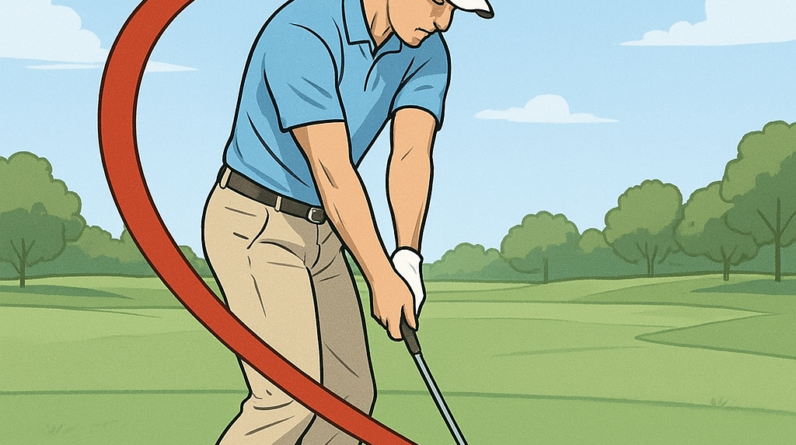

Swing Tempo: The Hidden Key to Consistent Ball Striking
Tempo is the rhythm of your golf swing—the pace you set from takeaway through impact and finish. For beginners to intermediate players, a repeatable tempo helps you stay connected, square the clubface, and strike the ball more consistently. It’s not about swinging faster or harder; it’s about finding a calm, repeatable rhythm you can reproduce every shot.
What the concept is
- A cadence: the timing of your backswing relative to your downswing.
- A comfortable, repeatable rhythm that lets your body, arms, and club move together.
- Common targets you’ll hear from pros: aiming for a 3:1 backswing:downswing feel, or at least a clear, repeatable tempo you can recognize on video or in a mirror.
Why it matters to the golf swing
- Improved timing leads to more solid contact and less mis-hit dispersion.
- A steady tempo helps you maintain spine angle and balance through the shot.
- When your tempo is predictable, you square the clubface more consistently at impact, aiding accuracy and distance control.
What you should feel when doing it correctly
- A smooth, gradual takeaway that doesn’t rush toward the ball.
- A clear, controlled transition from backswing to downswing without abrupt jerks or collapses.
- Arms and torso working together in sync, with the clubhead tracing a comfortable arc to the inside of the target line.
- Breath and relaxation—stay light in the hands and jaw; avoid clenching.
2–3 common mistakes golfers make with this concept
- Mistake 1: Rushing the backswing and trying to “hit” the ball in a hurry.
- Fix: Slow the takeaway to establish the rhythm. Use a counting cue (see drill below) and visualize a smooth arc back to shoulder height before you start the downswing.
- Mistake 2: Tension and grip squeeze, which stiffens the swing and kills tempo.
- Fix: Soften the grip just enough to feel the clubhead, breathe deeply, and let the arms hang naturally. Check your posture and relax the jaw and shoulders before you swing.
- Mistake 3: The transition from backswing to downswing gets choppy or too fast under pressure, causing an abrupt start to the downswing.
- Fix: Initiate the downswing with the hips and torso rotating first, not with the wrists. Pause briefly at the top (even a small, controlled pause) to feel the transition, then accelerate smoothly through impact.
One easy practice drill you can do at home or on the range
The 3-Beat Tempo Drill (with a metronome or a counting cue)
- Choose a comfortable club (7-iron is a good start) and a ball you can hit softly if you’re at home. Stand relaxed with your normal grip and posture.
- Set a metronome to a comfortable tempo (60–70 BPM works well for most players). If you don’t have a metronome, count out loud in a steady rhythm: “one-two-three-four” as you swing.
- Take the club back on the first three beats: slow, smooth takeaway to about shoulder height. Think “backslow-3.”
- Shift to the downswing on beat four: start the downswing with your hips rotating toward the target, then bring the arms through impact in a fluid motion. Think “down on four.”
- Finish in a balanced pose and reset for the next repetition. Repeat 10–15 times, focusing on a consistent rhythm rather than distance.
Tip: you can vary the feel by using a shorter backswing for emphasis on tempo, then gradually extend as your rhythm stabilizes. The goal is a repeatable cadence you can recognize in video, mirror, or on the range.
Recap
Tempo matters because it ties together your body and the club, producing solid contact and reliable ball flight. When you feel a smooth, even rhythm—back with control, transition cleanly, and accelerate through impact—you’ll notice better balance, straighter shots, and more confident swings. Practice the 3-Beat Tempo Drill regularly, and soon your tempo becomes a natural part of your game.
Swing Tempo: The Hidden Key to Consistent Ball Striking
What is swing Tempo and Why It Matters
Swing tempo is the rhythm and timing of your golf swing—the speed and cadence with which you move the club from takeaway, through the backswing, into the downswing, and finally to contact the ball. It’s not only about how fast you swing; it’s about how smoothly you move. In golf, a well-tuned tempo translates into more consistent contact, better clubface control, and more repeatable ball flights.
The science of rhythm in golf
Humans respond to rhythm. A steady tempo helps your brain coordinate the sequence of muscle actions needed for a clean strike. When tempo is off,timing becomes erratic—your hands,wrists,and body might potentially be out of sync,which frequently enough leads to mishits or inconsistent trajectories. A reliable tempo acts as a personal metronome inside your swing, guiding your timing even under pressure.
Tempo zones: slow, steady, and fast
Emphasizes precision and control.Good for players needing to reduce anticipation and over-acceleration, but beware of becoming too passive. - Steady tempo: The balanced rhythm most players aim for. It promotes repeatable timing and solid contact.
- Fast tempo: Adds power and aggression but can sacrifice accuracy if not controlled. Typically used in specific drills or for players with fast transition dynamics.
How Tempo Affects Each Phase of the Swing
Tempo isn’t just a feel; it governs the entire sequence: takeaway, top of the backswing, transition, impact, and the follow-through. Each phase relies on rhythm to preserve mechanics and maximize energy transfer.
Takeaway and backswing timing
A smooth takeaway sets up the rest of the swing. If the takeaway is rushed, the arms can detach from the body, causing over-the-top paths or early release. A well-timed takeaway preserves the sequence: hips opening, torso turns, then arms and hands following, all in a controlled cadence.
Transition and impact timing
The transition—how you shift from the backswing to the downswing—kills or cements your tempo. A deliberate,but not sluggish,transition produces a powerful,compressed impact. The secret is initiating the downswing with the lower body and letting the arms follow in a coordinated rhythm.
Follow-through and recovery
A consistent tempo doesn’t vanish after impact. The follow-through should flow naturally,maintaining balance and posture. A choppy or abrupt finish frequently enough signals a tempo mismatch earlier in the swing.
Measuring and Training Your Swing Tempo
Measuring tempo gives you a concrete target to hit. While many players rely on feel, adding objective checks accelerates progress. Start with the classic 3:1 concept and integrate simple DIY checks before investing in devices.
The 3:1 ratio concept
A widely used guideline in golf instruction is a three-to-one rhythm: the backswing takes a longer portion of the cadence than the downswing,which starts the moment you reach the top and accelerates toward impact.In practice, players aiming for a smooth, powerful strike frequently enough gravitate toward a longer backswing with a quicker, controlled downswing.
DIY tempo checks you can do today
Record a few swings from face-on and down-the-line perspectives. Time the duration from the start of the takeaway to the top, then from the top to impact. Aim for a longer backswing duration relative to the downswing, maintaining a smooth cadence overall. Use a metronome to set a practical tempo (start around 60–72 BPM). Swing in time with the beat, focusing on a calm, repeatable cadence rather than raw power. Place a small object (like a towel) under your trail arm and practice feeling the arms and torso moving in harmony with the beats of a metronome.
Using devices and apps to measure tempo
Many golfers use wearable or smartphone apps to gauge tempo, track swing tempo consistency, and visualize timing patterns. Popular choices include swing sensors and coaching apps that provide tempo feedback, cadence graphs, and drills tailored to your rhythm. When selecting a tool, prioritize accuracy, ease of use, and how well the feedback translates into actionable adjustments.
Drills to Improve Swing Tempo
The following drills reinforce a repeatable tempo by isolating timing, rhythm, and transition. Integrate them into your regular practice rather than treating tempo as a one-off session.
Metronome drill
Set a comfortable metronome tempo (start at 60–70 BPM). Takeaway and backswing should align with the first three beats; the downswing and contact happen on the fourth beat. The key is to feel a steady cadence,not to chase power at the expense of timing.
Count-and-swing
Count aloud or in your head with a simple pattern (for example, “one- two- three- four”) that aligns with your swing. Use the count to guide takeaway and downswing. The goal is to reach the top consistently and start the downswing on a predictable beat.
Pause-and-fire drill
Pause briefly at the top of the backswing (a fraction of a second) before initiating the downswing. The pause trains your brain to register the top position and helps you avoid rushing the transition.Over time, reduce the pause duration as your tempo stabilizes.
Rhythm-based impact drill
Use a lightweight training aid or an impact bag to emphasize rhythm through impact. focus on maintaining a smooth sequence from takeaway to contact, reinforcing the sense of a natural, repeatable cadence.
Structured Practice for Tempo advancement
A plan with progressive tempo targets yields better results than random practice. the following four-week structure offers a practical progression from feel-based work to more objective tempo control.
| Week | Focus | Drills | Practice Time |
|---|---|---|---|
| Week 1 | Establish a comfortable tempo and awareness | Metronome drill, Count-and-swing | 30–45 minutes |
| Week 2 | Shift to a 3:1 feel and monitor consistency | Pause-and-fire, Rhythm-based impact | 45–60 minutes |
| Week 3 | Introduce slight tempo variations with control | Metronome at slightly faster pace; maintain rhythm | 60 minutes |
| Week 4 | Integrate tempo into full swings and short game | On-course tempo drills; pre-round warm-ups | 60–90 minutes |
Sample 4-week plan in practice blocks
- Week 1: 3–4 technique-focused sessions, tempo as the primary variable.
- Week 2: Mix in light weighted clubs to feel the tempo through load and release.
- Week 3: Add course simulation—use cones or targets while maintaining cadence.
- Week 4: Integrate tempo into a full practice routine and measure ballistic tempo changes under pressure.
Benefits and Practical Tips for Tempo Mastery
- Consistent contact: A steady tempo reduces mishits and improves center-face contact.
- improved distance control: Rhythm promotes predictable ball speed and launch characteristics.
- Better clubface control: Tempo helps you maintain proper release and reduces the tendency to flip the hands.
- Reduced tension: A relaxed cadence lowers grip pressure, which enhances feel and accuracy.
- Course adaptability: A repeatable tempo adapts to different clubs and shot shapes without losing rhythm.
Practical tips to keep tempo in check
- Use a metronome or tempo app during warm-ups to ingrain the cadence.
- Record your swing to verify that backswing duration remains proportionally longer than downswing duration.
- Keep a relaxed grip and soft wrists to allow the tempo to drive the acceleration rather than overwhelming power alone.
- If you find yourself speeding up on stressful shots, switch to a slower tempo temporarily to regain control, then accelerate back to your target rhythm.
Case Studies and First-Hand Experiences
Real-world stories help illustrate how tempo theory translates to on-course results.
Case Study 1: From inconsistency to repeatable contact
A mid-handicap golfer noticed erratic strikes,especially under pressure. After a four-week tempo program focusing on a steady 3:1 rhythm and metronome-based drills, the player reported fewer fat and thin shots and an improved on-course average by 4–6 strokes. The key change was not raw power but a reliable cadence that the brain could trust.
Case Study 2: Short game tempo for greenside accuracy
A good amateur struggled with proximity in approach shots and distance control around the greens. By applying tempo-focused practice to wedges and short irons, the player achieved tighter dispersion and more consistent landing zones. The lesson: tempo isn’t just about full swings; it stabilizes timing in all clubs.
First-hand experience: a coach’s viewpoint
A seasoned instructor notes that tempo acts like a mechanical cue for sequencing.When students slow their pace and breathe, they regain control of the pivot and release, which frequently enough resolves a variety of swing faults across clubs. The mental cue of “rhythm first, power second” is a recurring theme in tempo coaching.
Common Tempo Mistakes and How to Fix Them
Over-swinging or rushing the downswing
Rushing the downswing can cause early release and loss of control. Fix by enforcing a short pause at the top or using a metronome to maintain a consistent beat. Focus on initiating the downswing with the lower body, not the hands.
Stiff wrists and a mechanical feel
Too rigid a grip or stiff wrists disrupts timing. Relaxation is essential. Work on the tempo drill with lighter clubheads and soft grips to encourage a natural release.
Deceleration through impact
If you decelerate just before impact, you’re likely losing tempo integrity.Practice through impact with tempo cues, ensuring acceleration remains deliberate and controlled.
Pacing under pressure
Pressure often sharpens tempo into a sprint. Counter this by practicing under simulated pressure, using a countdown or metronome to keep a steady cadence even when the shot matters most.
Tempo and Clubface Control
Rhythm influences not only contact but also how the clubface aligns at impact. A consistent tempo helps maintain stable release patterns,reduces late flips,and ensures the face returns to square more reliably. In turn, this improves directional control and reduces mishits caused by timing errors.
- Slower tempos can improve fine control for players with aggressive releases.
- Faster tempos may require more coordinated sequencing to avoid left-right dispersion.
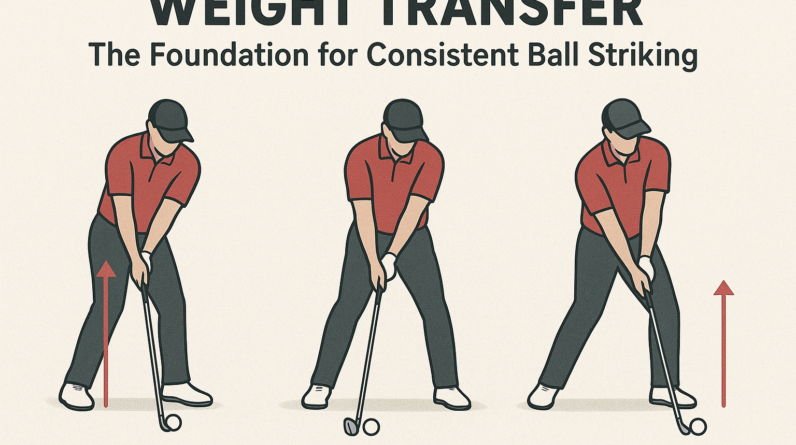
- Tempo should synchronize with stance, spine angle, and weight shift to maintain balance through impact.
Tempo Resources and Fast Reference
Below is a compact reference you can print or keep on your device as you work on tempo in practice.
| Tempo Zone | Description | Target Feel | Practical drill |
|---|---|---|---|
| Slow tempo | Controlled, deliberate rhythm; emphasizes accuracy | Relaxed shoulders, soft grip | Pause at top for 0.2–0.3 seconds; practice with metronome at 50–60 BPM |
| Steady tempo | Balanced cadence; repeatable timing | Consistent swing path | Metronome 60–70 BPM; count 1-2-3-4 with smooth transitions |
| Fast tempo | Higher energy; risk of timing errors | Controlled acceleration | Short game drills; metronome at 80–90 BPM with emphasis on rhythm |
Quick practice schedule reference
| Session | Focus | Duration |
|---|---|---|
| Warm-up | Tempo awareness, breathing, light stretching | 5–7 minutes |
| Tempo drills | Metronome-based practice, pause-and-fire | 15–20 minutes |
| Full swing | Apply tempo to full shots | 15 minutes |