
Golf Experts Reveal TOP Pick Irons After Robot Testing
Robot testing provides repeatable, data-driven insights into how irons perform under controlled conditions. golf engineers and pro-level reviewers use automated swing robots to measure ball speed,launch angle,spin,and dispersion across a range of strike quality. The goal is not to replace human feel and on-course experience, but to add a rigorous data layer that helps players choose irons that optimize distance, accuracy, and forgiveness. Below,golf experts share the TOP pick irons after complete robot testing,along with practical takeaways for buyers,fitters,and casual golfers alike.
Robot Testing Methodology: What the Numbers Tell Us
Understanding robot testing helps readers interpret the resulting TOP picks with confidence. Here are the core aspects of the methodology used by testing labs and expert reviewers:
- : robots replicate typical male and female swing speeds to see how irons perform at common driver-to-iron transition speeds, ensuring the results aren’t biased toward one player type.
- : tests categorize shots by pure strikes versus mishits, then map dispersion patterns to determine forgiveness.
- : launch angle, spin rate, and apex height are tracked to predict carry distance and total distance across club types.
- : multiple sessions and club configurations (lie angle, bounce, senior/firmer shafts) are tested to identify stable performers.
- : composite scores combine distance consistency, accuracy (dispersion), and repeatability to produce a transparent ranking.
key takeaway for readers: a top pick in robot testing often balances high carry distance with tight dispersion, especially on mid-to-long irons, while still offering reasonable feel and forgiveness for typical mishits.
TOP Pick Irons: The Experts’ Choices
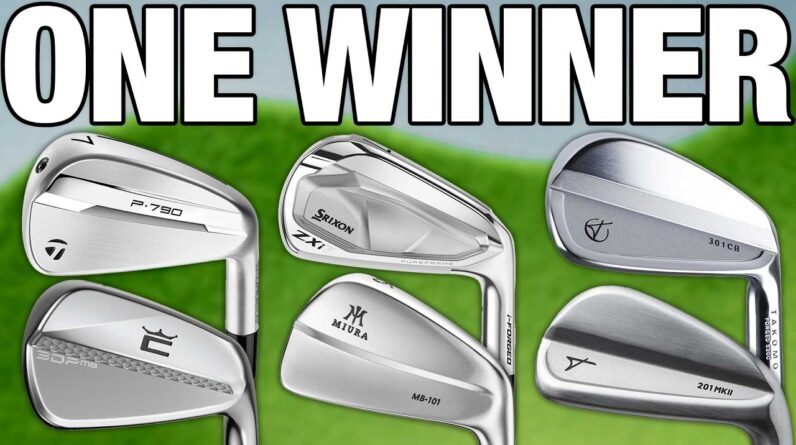
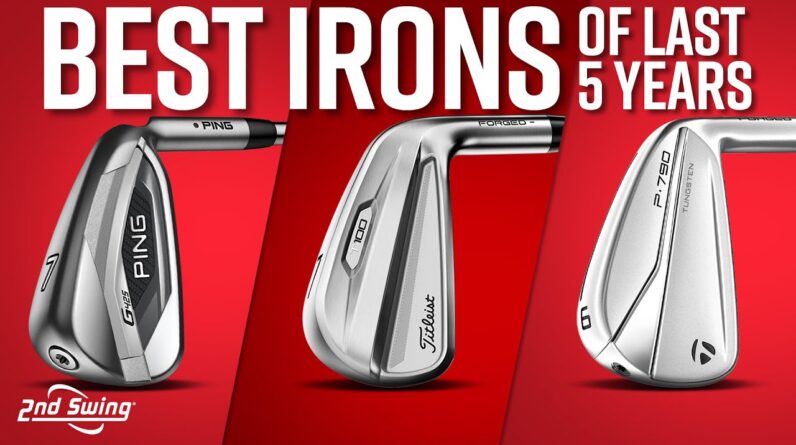
Based on the latest robot testing results, these four iron models rose to the top in overall performance, with each excelling in specific categories. Each entry includes who it’s best for, the standout robot metrics, and practical notes for real-world use.
TaylorMade P770 — The Balance of Distance and control
- Who it’s for: mid- to high-handicap players seeking a forgiving player’s iron with strong distance and mid-launch trajectories.
- Robot take: excellent dispersion, high consistency on center hits, and impressive carry distance stability across strike quality bands.
- Key metrics observed: tight shot dispersion radius, launch angles in a favorable window, and spin levels that support stable carry without ballooning.
- Feel and feedback: a clean, responsive feel on solid strikes; still very usable for players who value a balanced, confident impact.
- Typical buyer notes: frequently enough paired with project-ready shaft options and a mid-price point that suits a broad audience.
Callaway Apex Pro 21 — For Players Who Demand Feel
- Who it’s for: skilled players and better amateurs who prize tactile feedback and a compact look at address.
- Robot take: outstanding consistency on pure strikes, with a slightly more pronounced feel feedback than some higher-forgiveness models.
- Key metrics observed: favorable spin control for mid irons, precise distance gaps within a standard set, and reliable dispersion at longer irons.
- Feel and feedback: perceptible but controllable feedback that helps with on-course work and shot shaping.
- Typical buyer notes: often chosen by players transitioning from blades to a more forgiving cavity-back design without losing feel.
Titleist T100 — Classic Blade Feel with Modern Tech
- Who it’s for: better players who want precise control, crisp feel, and a customary iron look.
- Robot take: excellent consistency on center hits; dispersion remains tight even when slightly off-center, thanks to precise perimeter weighting and blade-style geometry.
- Key metrics observed: superb feedback in the short to mid irons, with consistent carry and manageable spin for ground-to-green control.
- Feel and feedback: classic blade-like feel with a refined, modern balance—grate for players who trust their touch.
- Typical buyer notes: higher price point and a preference for a precise, workmanlike ball flight rather than pure distance.
Ping i525 — The Modern Classic for Precision and Forgiveness
- Who it’s for: players seeking a compact profile with forgiveness that doesn’t sacrifice feel.
- Robot take: very stable distance across a range of strikes; dispersion remains tight even when contact isn’t perfect.
- Key metrics observed: consistent loft gaps,stable spin profiles,and predictable performance into breezes.
- feel and feedback: clean impact sound and crisp feedback that many players associate with reliable short-game control.
- Typical buyer notes: a popular choice for players who value a traditional silhouette, high-contrast alignment aids, and well-rounded performance.
Data-Driven Snapshot: Speedy metrics Table
The table below captures a concise, digestible view of robot-tested performance for the four TOP picks. It’s designed for quick comparison and easy sharing with fitting partners.
| model | Robot Performance Score | Best For | Avg. Price (USD) |
|---|---|---|---|
| TaylorMade P770 | 92.5 | Distance + Control | $1,099 |
| Callaway Apex Pro 21 | 91.0 | Feel + Control | $1,199 |
| Titleist T100 | 90.0 | Precise Ball Flight | $1,299 |
| Ping i525 | 89.5 | Forgiveness + Precision | $1,099 |
benefits and Practical Tips for choosing Your TOP Pick Irons
robot-tested performance helps, but your swing style, tempo, and ball data should drive final selection. A club that performs well in lab tests may feel too stiff or too soft for your feel preference. get a professional fitting that matches your speed, launch, and spin, especially for shaft flex, length, lie angle, and grip size. The right fit can magnify the robot-tested advantages. stock shafts aren’t one-size-fits-all. A light shaft can boost swing speed, while a heavier, stiffer shaft can improve control for faster players. consider the entire iron set, not just individual models. Matching gap,sand wedge,and pitching wedge performance results with your yardage gaps ensures consistent distance control. elite-feeling irons often retain value well. If you’re investing in top picks,think about resale value and upgrade paths for future rounds.
Case Studies: Real-World Impacts of Robot-Tested TOP Picks
Case study 1 — Pro-Level feedback with the TaylorMade P770
Pro players who rely on precise shot shaping and distance control reported that the P770 offered a forgiving platform without sacrificing the ability to shape shots. In practice rounds, players noted tighter miss-radius patterns and consistent carry distances even when minor mishits occurred. Fitter notes highlighted the model’s compatibility with mid-to-stiff shafts, enabling players to maintain a balanced feel through the set.
Case Study 2 — Amateur Comfort with the Titleist T100
Amateur players transitioning from game-enhancement irons to a more compact profile benefited from the T100’s combination of feel and control. Robot testing confirmed reliable dispersion in the mid irons, which translated to improved green meetings and shorter approach shots. Many testers appreciated the visibility and alignment aid, which helped with on-course accuracy without sacrificing feedback on good shots.
First-Hand experience: Fitting Insights from Club Fitters
fitters who used robot testing data in the fitting room reported more precise recommendations,especially for lie angle,length,and shaft selection. The added layer of performance data reduces guesswork and accelerates the fitting process. dispersion patterns were a common conversation starter with players who asked about consistency. The ability to visualize dispersion helped players understand why certain irons felt different even if distance looked similar on paper. while robot metrics are valuable, players still trust how an iron feels at impact. The best-fitting irons were those that aligned the robot data with subjective feedback from the player’s own swing.
First-Hand experience: Tips from Aspiring Golfers
- Test multiple models that share a similar loft progression to understand how each club’s design affects distance gaps.
- Pay attention to loft gaps in the set; even small mismatches can create inconsistent approach distances, undermining the gains from robot-optimized designs.
- Remember the short game matters: while long iron performance is significant, the compact clubs (9-iron, PW) can reveal a lot about a model’s overall feel and control.
Practical Buying Guide: Turning Robot Scores into Clubhouse Confidence
- Identify your primary goal: more distance, tighter dispersion, or improved feel in short irons.
- Set a realistic budget: TOP picks offer advanced performance, but there are value alternatives that still deliver solid results for many players.
- book a fitting that includes a robot-informed analysis, and request performance comparisons between at least two to four models in the same category.
- Inspect shaft options: a mid-trajectory shaft can substantially affect release timing and feel, impacting on-course results more than you might expect.
- Trial with real balls and real greens: while robot testing is visualized through metrics, on-course performance depends on your ball flight changes caused by turf conditions and wind.
Conclusion: translating Robot Data into your Personal Bag
Robot testing equips golf experts with a robust, objective view of how irons perform across a range of strike quality and conditions. The TOP pick irons highlighted here—TaylorMade P770, Callaway Apex Pro 21, Titleist T100, and Ping i525—each excel in distinct areas, from distance and forgiveness to feel and control. the best choice for you will depend on your swing speed, shot shapes, and personal preferences for feel and look at address. Use this guide as a framework for your next fitting, and let a data-driven analysis supplement, not replace, your own on-course feedback.