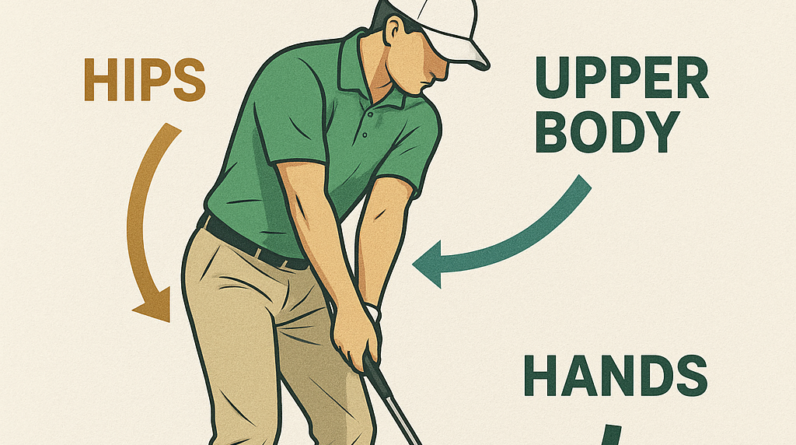

Weight Transfer: The Key to Consistent Ball Striking
For reliable contact and solid distance, focus on how you move your weight from the back foot to the front foot during the downswing and through impact. This single concept—weight transfer—sets up the rest of your swing for accuracy and power without overhauling your whole motion.
What the concept is
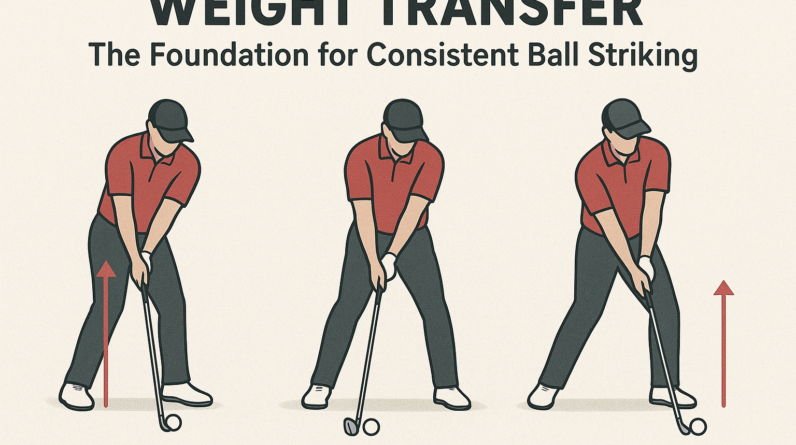
Weight transfer means shifting your body’s pressure from the trail (back) foot toward the lead (front) foot as you swing. It’s a controlled, rotating movement rather than a big slide. The goal is to land the majority of your weight on the lead side at impact while maintaining your spine angle and connection to the ground.
- Your hips rotate first, guiding the move toward the target.
- Your center of gravity transitions forward so the lead foot can “accept” the force of the club at impact.
- Your trail foot lightens as you finish, aiding solid contact and balance.
Why it matters to the golf swing
- Improved contact and consistency of strike.
- More predictable ball flight and distance control.
- Better tracking of the clubface through impact, reducing slices or hooks caused by mis-timed weight shifts.
What the golfer should feel when doing it correctly
- Trail foot loading shifts forward as you start the downswing.
- Hips turn toward the target first, followed by the arms offering a natural release.
- Spine stays angled and centered, with the lead knee flexing slightly as you finish.
2–3 common mistakes golfers make with this concept
- Staying on the back foot too long and not transferring early enough.
- Moving weight too quickly or heavily to the lead foot, causing loss of balance or a “flat” finish.
- Sliding the weight instead of rotating the hips, leading to a weak strike or inconsistent path.
Simple, actionable fixes for each mistake
- Staying on the back foot too long
- Fix: Start the downswing with a hip turn before the arms. Think “belly button toward target” and feel the weight shift to the lead foot as you rotate.
- Fix: Do a quick, painless two-part drill: (a) pause at the top, (b) 3 small pump swings focusing on shifting weight to the lead foot before impact.
- Too quick or heavy weight transfer
- Fix: Slow it down. Practice at 50–60% speed while you feel the weight settle onto the lead foot before impact, then build speed gradually while keeping balance.
- Fix: Maintain a slight knee flex and a stable spine angle; imagine you’re “tightening” the torso to keep the center over the lead leg.
- Weight sliding instead of rotating
- Fix: Emphasize hip rotation first, not a pure lateral slide. Use a mirror or video to ensure the chest, hips, and lead knee move toward the target in sync.
- Fix: Keep the trail-side leg under control and allow the body to transfer weight through turning rather than sliding sideways.
One easy practice drill you can do anywhere
Step-Through Drill (no ball): Stand with feet together. Take a small backswing, then practice moving your weight onto the lead foot while stepping your trail foot forward into a full finish. Focus on the order: hip rotate → weight shift to lead foot → tall finish with chest facing target. Do 8–12 reps at a comfortable pace, and only then increase speed as balance improves. This drill works well at the range or in a clear space at home.
Weight Transfer: Teh Key to Consistent Ball Striking
Weight Transfer Fundamentals
Weight transfer, or weight shift, is the deliberate movement of your body’s mass from the trail side to the lead side during the swing. In any ball-striking sport—golf, tennis, baseball, or even cricket—effective weight transfer helps you deliver the club, racket, bat, or implement with the right timing and direction.The goal is to maintain balance, maximize energy transfer from the ground up (ground reaction forces), and minimize energy leakage at impact. When executed well, weight transfer creates a stable and powerful impact position, leading to consistent ball contact and improved distance control.
Think about the sequence as a kinetic chain: your legs and hips generate the initial drive, the torso unwinds that energy, and the arms and hands release it at the moment of impact. the accurate transfer of weight is what keeps the swing path on plane, the face closed or square at the right moment, and the ball traveling with the intended trajectory.
why Weight Transfer Drives Consistency
- improved contact: A deliberate weight shift helps you strike the ball with a centered contact point more often, reducing fat or thin shots.
- Distance control: By loading and releasing energy through the legs and hips, you generate more consistent clubhead speed at impact.
- Directional stability: Proper weight transfer aligns the body’s center of mass with the target line, reducing excessive left/right dispersion.
- Tempo and rhythm: A repeatable weight shift creates a reliable tempo, making it easier to replicate good shots under pressure.
- Injury resilience: Balanced weight transfer distributes forces more evenly, lowering the risk of overload on the lower back and wrists.
The biomechanics Behind weight Transfer
Effective weight transfer relies on coordinated movement across the lower body,spine,and upper body.Here are the key biomechanical elements to understand:
- Stance and posture: A stable base with a slight knee bend allows the hips to rotate and the torso to coil without losing balance.
- Central axis control: The spine acts as a pivot. Maintaining a relatively constant spine angle while the hips rotate helps you deliver energy efficiently to the ball.
- Ground reaction forces: Pushing off the trail leg and transferring weight toward the lead foot at impact maximizes energy transfer into the ball.
- Hip and shoulder sequencing: Hips fire first (loading), followed by torso rotation and finally the arms—this order ensures smooth energy transfer to the club or racquet.
- Center of mass management: Shifting your center of mass toward the target during the downswing supports a solid, centered impact.
Sport-specific notes
- golf: Weight moves from the trail foot to the lead foot through a dynamic hip rotation, with the bulk of energy stored in the backswing and released at impact.
- Tennis: Weight starts on the back foot during backswings and transitions through the front foot as you strike the ball,aiding pace and stability on faster shots.
- Baseball/softball: Weight transfer accelerates the bat toward the ball; timing is critical to avoid late or early commitment.
Benefits of Proper Weight Transfer
- Increased consistency of contact across the sweet spot.
- Cleaner ball flight with fewer mishits and compensations.
- Higher potential ball speed without compromising control.
- Better stability under fatigue, maintaining accuracy late in a practice or match.
- Easier refinement of swing path as the energy is organized from the ground up.
Practical Cues for Effective Weight Transfer
These cues are designed to be simple, repeatable, and sport-translatable. Use them in warm-ups and practice to ingrain the feeling of a proper weight shift.
General cues
- “Feel the load on the trail leg in the backswing; release energy through the front foot at impact.”
- “Keep the head steady and let the hips rotate first, then the torso.”
- “Shift hips toward the target while rotating, not sliding the body forward.”
Golf-specific cues
- “Right heel pressure increases during the backswing; at impact, pressure transfers to the left foot.”
- “Let the trail knee flex and then extend into impact to drive weight forward.”
- “Feel a slight early coiling of the torso followed by an uncoiling that leads the arms through impact.”
Tennis-specific cues
- “Push off the back foot and turn the hips to coil before uncoiling into contact.”
- “Transfer weight to the front foot as you strike the ball, keeping the head over the center of gravity.”
Baseball/softball-specific cues
- “Load into the back leg during the pitch cycle, then explode weight forward through the front leg at contact.”
- “Lead with the hips; the upper body follows, reducing early extension and improving contact quality.”
Drills to Train Weight Transfer
Practice-focused drills help transfer the feel of weight shifting into your sport-specific swing. Start slow, emphasize balance, and progressively add speed and resistance as you feel comfortable.
Drill A: Step-Through Weight Shift (Golf/General)
- Stand in a comfortable golf stance with a light, medium-weight club or no club.
- Take a backswing small and hold the finish with the weight already shifting toward the lead foot.
- Step toward the target with the lead foot while maintaining balance,then return to starting position. Repeat 10–12 reps per side.
Drill B: Trail-to-Lead Hip Drive (Tennis/Impact-focused)
- From a split-stance, rotate the hips without moving the upper body to aggressively.
- Shift weight to the lead foot as you contact an easy ball or a padded target. Focus on a smooth transfer, not speed.
- Perform 2–3 sets of 12 reps per side.
Drill C: Wall-Press transfer (Baseball/Softball)
- Stand close to a wall with your back foot touching the baseboard. Practice a small stride forward while pressing the torso and hips into the wall.
- Rebound energy through the front foot and feel the weight transfer as you finish tall and balanced.
- 15 repetitions, slow to fast, focusing on balance at each phase.
Drill D: Balance-preserving Swings (All sports)
- Use a balanced stance and perform slow swings on a foam ball or tee. Concentrate on maintaining root through the feet as you shift weight.
- Gradually increase swing speed while preserving the same weight transfer pattern.
- 10–15 repetitions per session, 2–3 sessions per week.
Common Mistakes and How to Fix Them
- Too early weight transfer: Leads to loss of lag and reduced clubhead speed. Fix: pause the front-foot transfer slightly until the hips rotate, maintaining a stacked spine angle.
- Over-rotation without forward transfer: Causes path inconsistencies. Fix: rotate hips and torso together, then push weight forward at impact.
- Flat-footed finish: Indicates a late or insufficient transfer. Fix: keep pressure on the lead foot in the finish, ensuring complete weight transfer.
- reverse weight shift on long shots: Back-foot dominance reduces power. Fix: emphasize the trail-to-lead shift with a deliberate push through the ball.
- Head lifting or sliding forward: Breaks spinal angle and timing. Fix: maintain a steady head position and rotate around the center of gravity.
Case Studies and First-Hand Experiences
real players frequently enough report that focusing on weight transfer changes everything about their game. Here are concise, practical anecdotes that illustrate how the concept shows up in practice.
Case Study 1: Golf Right-Keeps-Consistent Contact
A mid-handicap golfer reduced mis-hits by focusing on the transition from the trail foot to the lead foot during downswing. After two weeks of drill A and the cue “load, then drive,” their on-course accuracy improved by roughly 12–15% in fairways hit and greens in regulation.
Case Study 2: Tennis Power Without Sacrificing Control
A club-level player tightened up cross-court shots by training with drill B and the cue “weight toward the front foot at impact.” The player reported a more consistent ball pace and better placement, especially on faster serves and forehands.
Case study 3: Baseball/Softball Bat Speed and Contact
By integrating drill C into the batting practice routine, a hitter found improved timing and more line-drive contact. Weight transfer helped the bat reach the hitting zone with less late collapse, translating to better hit quality during games.
Measuring Progress: Simple Metrics
While professional devices exist to quantify weight transfer, you can track improvement with simple, reliable indicators during practice.
| Phase | Key Cue | Indicator of Progress |
|---|---|---|
| Backswing | Load onto trail leg and feel coil | Balanced weight on back foot; minimal swaying |
| Downswing | Shift weight toward lead foot as hips rotate | lead foot pressure increases; hips close toward target |
| Impact | Forward weight transfer without collapsing spine | solid contact zone; consistent ball speed and launch angle |
| finish | Maintain weight on lead foot with balance | Stable finish; ability to reproduce shot feel |
Tips for tracking progress: use a simple mirror or video capture to observe foot pressure and hip rotation timing, and compare shots across practice sessions to gauge consistency in contact and direction.
First-Hand Experience: Practical Insights from Coaches and Players
Coaches emphasize that mastering weight transfer is less about one perfect move and more about repeatable patterns.Even minor adjustments in weight distribution can unlock a large improvement in ball-striking consistency. Players who focus on a controlled, ground-up transfer tend to report fewer mishits, smoother tempo, and more predictable flight paths, across both practice and competitive rounds.
One pro golfer described weight transfer as “the audible signal your body gives when it’s ready to release power.” A tennis coach noted that players who learn to transfer weight efficiently often translate great footwork into confident shots from the baseline and net play.In baseball and softball, the same principle helps batters maintain balance through high-velocity swings, reducing late coaching cues and enhancing contact with off-speed pitches.