
How to swing a golf club: 5 steps for beginners
Step 1: setup and grip
A repeatable golf swing starts with the setup.Your grip, stance, alignment, and posture set the foundation for the entire motion. For beginners, focusing on a consistent setup reduces variability and helps you swing within the plane you intend to swing on.
Choosing the right grip
- interlocking grip: The little finger of the trailing hand locks with the index finger of the lead hand.This grip provides stability and is popular among players with a wider range of hand sizes.
- Overlap (Vardon) grip: The pinky of the trailing hand rests over the lead hand’s index finger. This is a good compromise between control and comfort for many beginners.
- Baseball grip: Both hands hold the club as if you’re gripping a bat. It’s easy to learn but can produce less linkage between the arms and body for some players.
Stance width, ball position, and posture
- Stance width: Stand with feet shoulder-width apart for mid-irons; slightly wider for longer clubs like the driver and slightly narrower for wedges.
- ball position: place the ball slightly forward of center for longer clubs and moved back a bit for shorter irons to promote solid contact.
- Posture: Bend from the hips, keep a slight knee flex, and maintain a tall spine angle. Your weight should be balanced over the middle of your feet.
Alignment and tempo
- Alignment: Your feet, hips, and shoulders should parallel your target line. Use a loose line or club on the ground to check alignment.
- Tempo: Start with a smooth, controlled tempo-think 60-70% of full effort.Beginners often over-swing, which disrupts the swing plane.
Pro tip: Before you swing, practice a few practice swings with your eyes closed to feel the balance and rhythm without worrying about the ball.
Step 2: Takeaway and backswing
The takeaway initiates the swing and should be connected to your body rotation. A smooth, low, and wide takeaway helps preserve spine angle and maintain control of the clubface.
Key elements of the takeaway
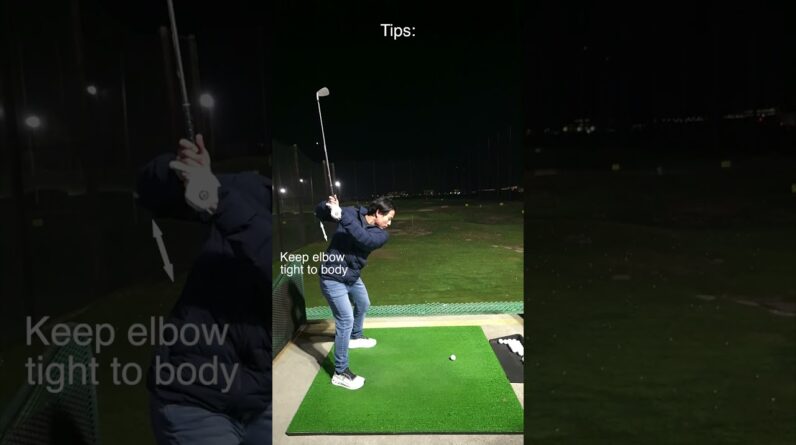
- Keep the hands and arms connected to your torso; avoid breaking the elbows early.
- Take the club back along the target line with a shallow swing plane to promote later consistency.
- Maintain your head position and spine angle; don’t lift your head to chase the ball.
Backswing mechanics for beginners
- Turn your shoulders first, followed by a natural hip turn. The wrists hinge as you reach the top of the backswing.
- Aim for a comfortable, three-quarter to full backswing depending on the club and your flexibility.
- Keep the lead foot flat and grounded to maximize balance at the top of the swing.
Drill: Practice a pendulum swing with a small club or alignment stick, focusing on a quiet takeaway. Stop when your hands reach chest height and feel the connection between your arms and torso.
Step 3: Downswing and impact
The transition from backswing to downswing is where most beginners struggle. The goal is to return the club to the ball along a stable swing path with the hands and body working in harmony.
Transition and sequence
- Start the downswing with the hips, not the hands. A subtle hip rotation initiates the approach toward the ball.
- Maintain lag early in the downswing, but ensure your hands release through impact so the clubface squares to the target.
- Drop the right elbow or trail elbow in a controlled fashion to help maintain the correct swing plane.
Impact fundamentals
- Play the ball mid-to-forward in the stance for longer clubs and slightly back for shorter irons to promote clean contact.
- Keep the head steady and ensure your eyes stay on the ball through impact.
- aim for a flush impact: the clubface should strike the ball while square to the target line with a slight upward angle of attack for most irons.
Quick cue: “hips first,hands second” helps keep the sequence in balance and reduces early headed swaying.
Step 4: Release and through-swing
After impact, continue the motion into a full, balanced finish. A controlled release ensures the ball travels in the desired direction with the correct spin.
Release path and face control
- Release should feel like the clubhead passes the hands, not the other way around.
- Maintain a square clubface through impact and allow the wrists to unhinge naturally as you follow through.
- Let the body rotate toward the target while the arms extend, producing a full, athletic finish.
Through-swing and balance
- Finish with a high, balanced pose-weight on the lead foot, chest facing the target, and a stable head position.
- Avoid over-rotation or loss of balance by practicing slow, controlled finishes before increasing power.
Drills: Do slow-motion swings and “pause at impact” reps to reinforce correct release timing and face control.
Step 5: finish, reflect, and repeat
Consistency comes from repeating a reliable finish and building a mental checklist you can use before every swing. A solid finish confirms you’ve completed a balanced swing arc.
Finish checklist
- Weight on the lead foot and a stable, centered stance.
- Shoulders square to the target line, with the chest facing forward.
- Clubhead pointing down the target line or slightly to the sky, depending on your finish pose.
Common metrics to track progress
- Contact quality: solid, centered strikes most of the time.
- Consistency: similar ball flight and distance shot-to-shot.
- Balance: minimal sway or wobble during the swing and after impact.
Personal tip: Keep a simple swing-log. Note the club used, ball flight, and how you felt at setup and impact. Use it to guide your practice sessions.
Benefits and practical tips for a better golf swing
Adopting a intentional and taught approach to the golf swing yields a range of benefits, from improved ball striking to greater confidence on the course. Here are practical tips and the advantages you can expect as a beginner:
- Improved contact and accuracy: A repeatable setup and sequence reduces mishits.
- Better distance control: A consistent tempo helps you predict ball flight and carry.
- Injury prevention: Proper posture and gradual wrist hinge reduce strain on the back and shoulders.
- Lower scores: More greens hit in regulation and fewer penalties from off-line shots.
- Faster learning curve: Structured steps give you clear drills and measurable progress.
Practical drills for beginners
- Wrist hinge drill: On a mid-iron, practice a smooth hinge and de-hinge to promote a clean impact.
- Slow-motion swing: Repeat the five steps in a controlled tempo, focusing on balance and alignment.
- One-piece takeaway: Keep the club in a straight line away from the ball for a few reps to feel the path.
First-hand experience: beginner stories and tips
Hearing from new players can illuminate common pitfalls and prosperous strategies. Here are a few summarized experiences from beginners who focused on the 5-step framework:
- Alex, 28: Shifted ball position forward for longer clubs and realized more consistent contact after aligning feet, hips, and shoulders to the target line.
- Priya, 42: Used an interlocking grip and slow tempo; saw improvements in ball flight and reduced elbow tightening during the takeaway.
- Marco, 65: Emphasized weight transfer and a balanced finish; reported fewer off-center hits and steadier distance control with mid-irons.
Quick takeaway: Small, deliberate tweaks in grip and posture yield noticeable improvements in your swing path within a few practice sessions.
Case studies: quick comparisons of common swing issues
These mini-case studies illustrate how focusing on setup and sequencing can resolve typical beginner errors.
| Issue | Why it happens | Correction |
|---|---|---|
| Off-center contact | Overactive hands at impact, poor alignment | Reinforce setup alignment; practice with a mid-iron working on a quiet takeaway |
| Slice or push | Open clubface at impact; incorrect swing path | Work on grip consistency and rotate hips into impact while maintaining a square face |
| Loss of balance | Head moves excessively; weight not transferred forward | Finish with solid balance and a controlled tempo; practice with a slow finish |
Frequently asked questions
How long does it take to learn the basic golf swing?
Most beginners notice meaningful advancement within a few weeks of consistent practice, especially when focusing on setup, tempo, and a repeatable backswing path.
Should I practice with a driver or a wedge first?
Start with a short to mid-iron to build control and then gradually introduce longer clubs. working with a shorter club early helps build confidence in contact and balance.
What is the most common swing fault for beginners?
Many beginners struggle with a lack of balance and an inconsistent swing plane. emphasizing a stable setup and a smooth takeaway helps reduce these issues.