
Rate My Golf Swing One Out of 10: A Practical guide to Self-Assessment and Enhancement
Understanding the 1-10 Rating Concept
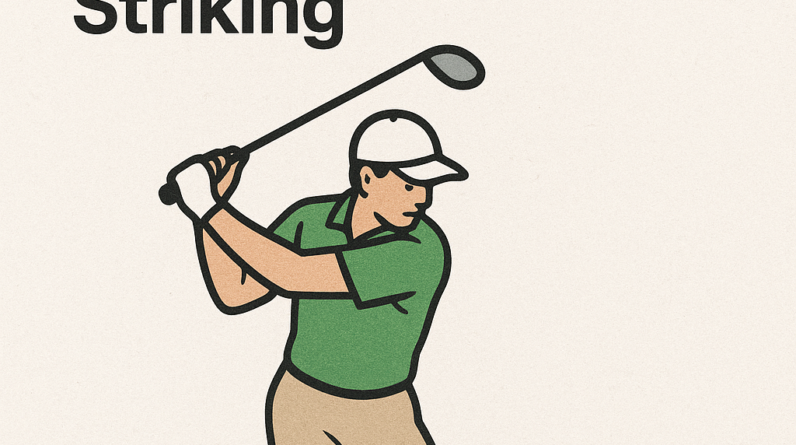
The idea behind “rate my golf swing one out of 10” is simple: use a consistent, easily communicable scale to judge the quality of your swing across key moments-from setup to impact. A 1 on the scale represents a swing with major faults that leads to unpredictable results,while a 10 signals a clean,repeatable motion that produces solid ball flight and accuracy. This rating system is not about labeling yourself as good or bad; it’s a practical diagnostic tool. When you continually assign a numeric value to your swing, you create a measurable baseline and track meaningful progress over days, weeks, and months.
A 1-10 rating system works for players of all levels-from beginners working on fundamentals to seasoned players fine-tuning swing elements. It translates nuanced observations into actionable steps, which makes coaching conversations clearer and drills more targeted. If you search for prompts like “rate my golf swing one out of 10,” you’re likely seeking a structured way to quantify swing quality rather than relying on gut feel alone.
How to Rate Your Swing accurately: criteria and Scale
A well-rounded rating should cover multiple facets of the swing, not just the strike itself. Below is a practical framework you can adopt.Use the 1-10 scale on each criterion, than consider an overall average rating or keep separate ratings for different phases (setup, takeaway, backswing, downswing, impact, and follow-through). For quick reference, you’ll find a compact rating scale table further down this section.
Key criteria to assess
: Feet under hips, comfortable knee flex, spine angle, grip pressure, and alignment to target. - Takeaway and tempo: Smooth start, minimal counter-rotation, steady rhythm, and no rushing or decelerating through the takeaway.
- Swing plane and alignment: Club on plane relative to your body line; shoulders, hips, and feet aligned with the target line.
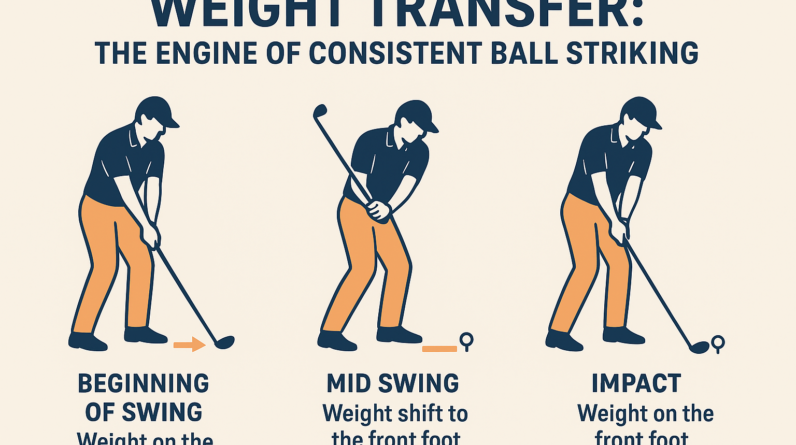
- Weight transfer and balance: Efficient shift from back foot to front foot without wobble or loss of posture.
- Arm extension and lag: Proper extension through the leading arm, with maintained lag to maximize speed without losing control.
- Clubface control at impact: Face square to target at impact, producing a predictable ball flight (draw, fade, or straight as intended).
- Impact position and compression: Solid contact, low point forward of center when appropriate, and a solid, compressive impact.
- Follow-through and finish: balanced finish with good extension and minimal loss of posture after impact.
1-10 rating scale guide
Use this reference to assign numbers quickly. Adjust the emphasis based on your goals (distance, accuracy, consistency).
| Rating | Description | What to look for |
|---|---|---|
| 1 | Major faults, inconsistent contact, and unpredictable direction. | Setup is off, tempo is erratic, impact is inconsistent. |
| 2 | Very rough swing with frequent mishits and wide dispersion. | Poor balance, off-plane takeaway, frequent early release. |
| 3 | Low-level control issues; some solid contact but often misses target. | Angle inconsistencies, path faults, minor grip tension. |
| 4 | Frequent mishits but with moments of good contact or direction. | Partial weight transfer, some solid impact moments. |
| 5 | Average swing with decent contact but room for improvement. | Average tempo, occasional fades/hooks, imperfect alignment. |
| 6 | Solid contact, reliable direction, repeatable basic pattern. | Consistent setup, generally on-plane, steady weight shift. |
| 7 | Reliable swing with fair efficiency and good ball flight control. | Good rhythm, controlled impact, consistent finish. |
| 8 | High-quality swing with repeatability and favorable outcomes. | Strong impact, pleasing trajectory, good balance. |
| 9 | Excellent swing with minimal flaws; predictable results. | Very consistent contact and direction under pressure. |
| 10 | Near-perfect swing for your body type and goals; optimal mechanics. | Effortless, repeatable, and both speed and control aligned. |
Note: Treat the scale as a guide rather than a fixed rule. Your personal goals (distance, accuracy, or consistency) will influence were you aim on the scale. For example, a player focusing on accuracy might rate a close-to-perfect direction but mid-level distance as a 6 or 7, then work on tempo and speed to raise the overall score.
Benefits of Using a 1-10 Rating System
Adopting a structured rating framework yields several practical advantages:
A simple number helps you and your coach articulate exactly which areas need attention. Documents improvements across sessions, creating motivation and accountability. - Focused drills: By pinpointing specific faults, your practice is more efficient and goal-oriented.
- Consistency: A repeatable assessment method reduces guesswork, especially when conditions change (wind, turf, etc.).
- Self-awareness: Encourages mindful practice, not just random swings.
Practical Tips to Improve Your Rating
Improving your golf swing on a 1-10 scale is about disciplined practice, targeted drills, and smart use of feedback. the following tips are designed to be actionable and repeatable for players at any level.
Drills and practice ideas
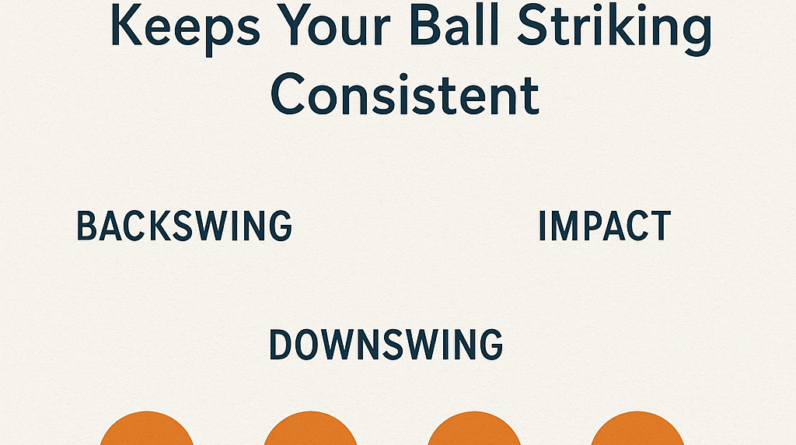
- Tempo and rhythm drill: Use a metronome set to a steady count (e.g., 60-70 BPM). Swing in 4 counts: takeaway (1-2), backswing (3), downswing/impact (4). This helps stabilize tempo and reduces tempo-related inconsistencies.
- Swing plane with alignment sticks: Place two alignment sticks on the ground forming a narrow “V” that matches your shoulder line. Practice keeping the clubhead near the sticks through the downswing to stay on plane.
- Impact position drill: Place a towel or impact bag under your left armpit (for right-handed players). Keep the elbow connected and feel a one-piece takeaway to maintain lag and a solid impact.
- Weight transfer progression: Start with a half-swing while focusing on transferring weight from the back foot to the front foot smoothly. Progress to full swings, measuring balance at finish.
- grip-pressure awareness: Hold the club with a light grip (think ”relaxed” grip). excessive grip pressure tends to tighten the arms and throw off the swing plane.
- Targeted shot patterns: On practice days, pick a specific shot shape (draw, fade, or straight) and develop a plan to produce it with consistent mechanics before expanding to distance control.
- Video cadence: Record brief 10- to 15-second clips from multiple angles (face-on and down-the-line). Review after each session with a focus on one fix at a time to raise your rating in a manageable way.
Tools and Resources to Enhance Your Swing Rating
Leveraging the right tools can magnify the impact of your practice and help translate a higher rating into real-world performance.
- Video analysis apps: Use smartphone apps that offer slow-motion playback, side-by-side comparison, and drawing tools to analyze swing path, angle of attack, and tempo.
- Coach feedback: A few sessions with a PGA professional can validate your self-assessment,provide new drill prompts,and keep you accountable.
- Launch monitors and capablities: If available, a basic launch monitor can help correlate your perceived rating with ball flight metrics like carry distance and dispersion.
- Practice logistics: Create a dedicated practice schedule with clear rating targets for each session (e.g., aim for a 6.5 with iron shots and a 7.5 with woods over four weeks).
first-Hand Experience: Real-World Case Snippets
here are two concise experiences shared by players who used a 1-10 rating system to drive improvement.
Case A: A mid-handicap player started at a 4/10 rating for iron play. After four weeks of tempo and weight-transfer drills, plus weekly video reviews, the player rose to a 6.5/10. The key change was stabilizing the downswing timing and maintaining spine angle through impact, which reduced mishits and improved iron accuracy.
Case B: A distance-focused player rated driver swings as a 5/10 due to inconsistent face control. By implementing a dedicated face-control drill and hinge-release timing, the rating progressed to 8/10 within six weeks, with more fairways and higher ball speed stability.
Quick Reference: Rating Checklist
Print or bookmark this concise checklist to guide daily practice and on-course evaluation. Use a 1-10 rating for each item, then average the results to obtain an overall swing score for the session.
- Setup: posture, alignment, grip tension
- Takeaway: tempo, width, and plane adherence
- Backswing: shoulder turn, elbow position, wrist hinge
- Downswing: sequence, lag, and transition
- Impact: face square, low point, compressive contact
- Finish: balance and extension
additional Rating Reference: Faults vs Fixes (WordPress Table)
Use this quick reference to map common faults to practical fixes and assign a rating improvement target for your next session.
| Common Fault | Why It Happens | Fix |
|---|---|---|
| Open clubface at impact | Weak grip or late forearm rotation. | Strengthen grip slightly and practice square-face impact drills with impact tape. |
| Over-rotation on takeaway | Excess upper body movement, spoiling the swing plane. | Use a training aid to limit shoulder turn and promote a more connected takeaway. |
| Early release and casting | Tear in timing; hands release the club too soon. | Slow down the transition and practice lag-maintenance drills. |
| Insufficient weight transfer | Poor balance through impact. | Work on starting the downswing with lower body rotation and a deliberate weight shift. |
Frequently Asked Questions
These quick questions help clarify how to use the 1-10 rating system most effectively.
- How often should I rate my swing? Rate after each practice block or round to track changes. A weekly review can reveal meaningful trends.
- Should I aim for a single final score or multiple scores? It’s helpful to have both: an overall session score and separate scores for key areas (tempo, plane, impact) to guide targeted drills.
- Can a high rating be misleading? Yes-if you’re chasing a number without real functional improvements. Pair ratings with objective metrics (dispersion, carry distance, strike quality) for balanced progress.
- What if conditions affect ratings (wind, turf, discipline)? Normalize by rating under similar conditions, then compare progress across similar scenarios to keep fairness in tracking.