
Best Forehand Driver for Disc Golf: The Ultimate Guide for 2026
Whether you’re dialing in your forehand for tunnel shots, wind resistance, or distance, choosing the right forehand driver can dramatically improve your game. This guide covers essential factors, training tips, model recommendations, and practical drills to help you throw with more control and power. If you’re a fan of #discgolf, #golf, or #frisbeegolf, you’ll find actionable insights to elevate your forehand game.
Why the forehand Drive Matters in Disc Golf
The forehand (or sidearm) throw opens up playing angles that backhand sometimes cannot. it allows you to skip around obstacles, park tight fairways, and undercut corners with precision. A well-chosen forehand driver delivers a predictable flight path, reduces the risk of anhyzer flips, and helps you read wind more effectively. In windy conditions, a reliable forehand driver can be a game changer as you can release with less turnover and more consistent fade.
Key Factors to Consider When Choosing a Forehand Driver
Stability and Fade
- Stable-to-overstable discs excel for forehands because they resist turning over and finish with a strong finish to the left (for right-handed players).
- Consider your typical throwing power; more power generally benefits from overstable options to maintain control at distance.
Speed and Glide
- High-speed drivers (ofen labeled “distance drivers”) offer more distance, but require clean form to avoid push passes or S-curves.
- mid-range to fairway-size forehand drivers can be easier to control for beginners or players transitioning away from midranges.
Plastic Type and Feel
- respond to grip texture and dome shape. Softer plastics (like some premium blends) can provide a comfortable release, while firmer plastics can be more durable in the wind.
- Grip comfort influences accuracy: choose a model that fits your hand size and throwing style.
Weight and Durability
- Heavier weights offer more stability in headwinds but require more arm speed and technique.
- Lighter discs are easier to throw for beginners but might potentially be more susceptible to wind gusts.
How to Train a Consistent Forehand throw
Grip and Release
- Power grip with a firm hold, fingers spread across the rim. Avoid squeezing too hard, which can cause throw inconsistencies.
- Release near chest level with a firm snap of the wrist and a clean follow-through toward the target.
Footwork andBody Position
- Place the front foot slightly open to the target and rotate your torso through the throw to generate torque.
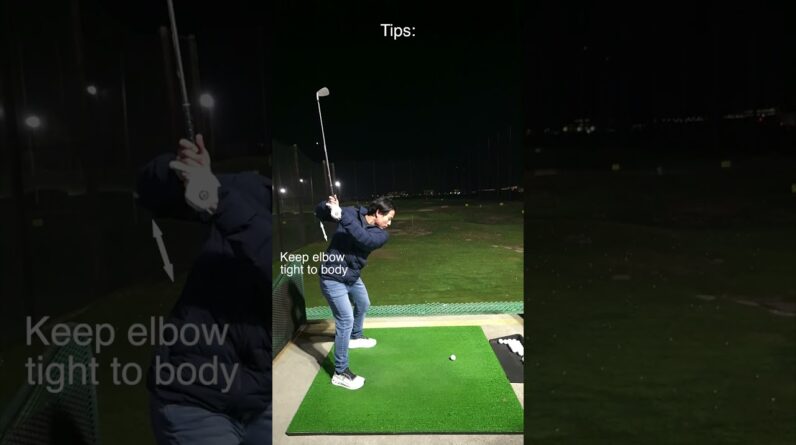
- Keep the elbow tucked, and rotate hips to drive power without sacrificing control.
Drills to Build Forehand Consistency
- Box Drill: Stand inside a 3×3 box and practice release points to a specific target, focusing on a straight flight line.
- Wrist Snap Drill: Practice fast wrist snap with a short throw to develop snap speed independently of arm motion.
- Wind Drill: Throw into a mild headwind to learn how overstable discs fly and stabilize your release angle.
Top Forehand Driver Models to Consider
The following models are well-known for their suitability to forehand players. They span a range of stability and speeds, so you can pick based on skill level, wind conditions, and course layout. All examples are widely respected in the disc golf community and suit players who want reliable forehand performance. Remember to test in your local shop or driving range to confirm feel and flight before buying.
Best Overall Forehand Driver: Discmania PD2
Why it stands out: The PD2 is renowned for stability and consistency. It handles power well, resists turnover, and finishes with a dependable fade, making it a favorite for players who throw a powerful forehand. It’s versatile enough to be used for long tunnel shots, skip shots, and precise hyzers.
Best high-Speed Forehand for Distance: Innova Destroyer
Why it stands out: A staple in many players’ bags, the Destroyer blends speed with stability. When you’ve built solid form, it can deliver long, straight-to-stable flights with a commanding fade. It’s best for players who want more distance endurance in wind or tight fairways.
Best Wind-Resistant forehand: Latitude 64 Ballista Pro
why it stands out: Ballista Pro is known for its stable-to-overstable flight that cuts through wind more reliably than many competitors. It offers consistent releases with less drift, which is a boon on open or exposed courses.
Best Beginner-Friendly Forehand: Innova Valkyrie
Why it stands out: The Valkyrie is a controllable, forgiving driver that helps newer forehand throwers develop accuracy. It’s a great transitional disc from a fairway driver or a reliable midrange when you’re building form and confidence.
Best Budget-Friendly Forehand Option: Westside Discs — Shryke (older runs or lower-cost plastics)
Why it stands out: The Shryke line is known for power and stability. It’s often available in budget-friendly plastics from older runs, giving good performance at a lower price. This makes it attractive for players who want to explore forehand power without breaking the bank.
Best Versatile Forehand for All Skill Levels: Latitude 64 River
Why it stands out: River is a controllable fairway driver with reliable stability and flight that lends itself to forehand practice. It’s approachable for beginners and still useful for experienced players on tight lines.
How to Choose the Right Forehand Driver for You
- Assess your current power and control. If you’re still building form, start with a stable fairway driver or a beginner-friendly disc (like Valkyrie or River).
- Test in similar conditions to your home courses. Wind and terrain influence which stability level is most effective.
- Choose a weight that matches your strength. Lighter weights are easier to fling, but heavier discs resist wind better and feel more stable when you’re throwing hard.
- Consider your primary shot shapes. If you rely on a straight or slight fade, you might prefer a controllable stable-to-overstable disc rather than a pure distance driver.
Techniques and Training for Forehand Distance and Accuracy
Refining Release Angle
- Experiment with a slightly higher release to prevent too much turnover on windy days.
- Aim for a flat-to-stable release path to minimize inconsistent dips or hooks.
Consistency Drills
- Line Drill: Place targets at 60-100 feet and practice maintaining a consistent line with three consecutive throws.
- Tempo drill: Use a metronome or rhythm cue (e.g., 1-2-3 counting) to normalize your reach-back, hip rotation, and snap for repeatable throws.
Benefits and Practical Tips for Forehand Drivers
- Improved course management: You can pick lines the backhand often can’t access, opening up shortcuts and safer plays.
- Wind resilience: Forehand discs can cut through gusts differently, enabling more predictable lines on windy days.
- Versatility: A solid forehand driver adds an essential tool for skipping, rolling, and finishing tight left gaps on right-handed courses.
Case Studies and First-Hand Experiences
Case Study 1: From Struggling Forehand to Consistent Distance
Jason, a 33-year-old recreational player, used backhand throws only for years.After trying a few forehand drivers, he found that sticking with a stable, forgiving option (like River) helped him develop form. Within three months, his accuracy on tunnel shots improved dramatically, and he started pulling off longer drives on open fairways with PD2-level stability. The result was lower scores on tight courses and more confidence under wind conditions. His takeaway: start with a controllable forehand model and gradually work toward a higher-speed disc as technique improves.
Case Study 2: Windy Park Discs and Forehand Mastery
Maria, a 28-year-old competitive player, lives in a windy coastal region. She used Ballista Pro to combat headwinds, discovering that the disc’s stability kept flight predictable when other discs would flip or fade unpredictably. By combining forehand practice with wind-specific drills, she gained distance and accuracy, especially on open holes that play against the wind. Her key insight: stability under wind is often more valuable than raw distance for a forehand thrower.
Speedy Comparison Table: Forehand Driver Specs at a Glance
| model | Best For | Flight Path (Description) | Notes |
|---|---|---|---|
| PD2 (Discmania) | stable to overstable forehands | Controlled, reliable fade | Great all-around forehand disc; versatile in wind |
| Destroyer (Innova) | Advanced power throwers | High-speed, long-distance with strong fade | Requires clean form; best in confident hands |
| Ballista Pro (Latitude 64) | Windy courses | Stable-to-overstable; stable fade | Wind resistance is a strong point |
| Valkyrie (Innova) | Beginners and controlled shots | Predictable, easy-to-control flight | Good transition disc for forehand work |
| Shryke (Westside) | Power forehand with reliability | Very stable with consistent fade | Solid for long tunnel shots |
| River (Latitude 64) | All skill levels; versatility | line-control; straight-to-slight fade | Great training disc for forehand technique |
Common Mistakes and How to Fix Them
- Mistake: Gripping too tightly and overpowering the snap.
- Fix: Relax grip slightly, focus on a clean wrist snap and smooth release.
- Mistake: Releasing too late or too early.
- Fix: Practice a consistent release point at chest height; use line drills to stabilize rhythm.
- Mistake: Overemphasis on arm speed rather than body rotation.
- Fix: Build torque from hips and core; don’t rely solely on the arm.
Advanced Tips for Optimizing Forehand Performance
- Use a slightly higher release angle when facing headwinds to reduce drift.
- Experiment with different grips to accommodate various hand sizes and comfort levels.
- Keep weight on the front foot during release to ensure a clean snap and reduce wobble.
- Incorporate a quick follow-through toward the target to maintain line and momentum.
Frequently Asked Questions (FAQ)
What is the best forehand driver for beginners?
A controllable, forgiving model like the Innova Valkyrie or Latitude 64 River is a strong starting point. These discs help you learn a clean release and stable flight before advancing to faster, more demanding drivers.
Should I throw a high-speed forehand driver right away?
not necessarily. Start with a stable midrange or fairway driver to develop form, then gradually introduce high-speed forehand drivers as your technique improves and your distance increases.
How can I improve accuracy with forehand throws?
Focus on release consistency, wrist snap speed, and body rotation. Use line drills, tempo work, and wind training to improve control on every throw.
Closing Notes
selecting the right forehand driver is a mix of understanding flight characteristics, personal throwing style, and practice discipline. With the models discussed in this guide, you can build a bag that gives you reliable lines, consistent fades, and more confidence on every course. Embrace the journey,test multiple discs,and tailor your choice to your course conditions and skill level. The right forehand driver can be a game changer for your disc golf journey, whether you’re chasing long tunnel shots or precise wind-parking plays. Happy throwing! #discgolf #golf #frisbeegolf