
Beginner Golf Guide 🏌️♂️
Starting golf as a beginner can feel like stepping into a big game with unfamiliar rules. This beginner golf guide is designed to be practical, friendly, adn easy to follow. You’ll find clear fundamentals, helpful drills, and gear recommendations that fit real-world practice. Whether you want to break 100, enjoy weekend rounds with friends, or simply improve your swing consistency, these fundamentals set you up for steady progress.
Key Foundations
Grips and Stance
Your grip and stance are the foundation of your golf swing. A solid grip helps you square the clubface at impact, while a stable stance keeps you balanced through the shot.
- Grips: Start with a neutral grip. The left hand (for right-handed golfers) should show two to three knuckles, with the V pointing toward the right shoulder. The right hand should sit on the grip without crowding the left hand. Common options include the interlocking grip, the overlapping (10-finger) grip, or the baseball grip. for beginners, the interlocking grip offers control without excessive tension.
- Stance: Stand tall with feet shoulder-width apart. Knees slightly flexed, weight evenly distributed between both feet. The ball position varies by club: keep the ball near the center for mid irons and slightly forward for shorter wedges and drivers.
- Alignment: Imagine a line from your target to your feet. Your shoulders, hips, and feet should align parallel to that line. A good drill is to place alignment sticks on the ground to confirm your line before each swing.
The Swing Basics
Understanding the basic sequence helps you stay on plane and make solid contact. Focus on tempo, balance, and clubface awareness rather than raw power.
- Takeaway: start the club back slowly with your shoulders,keeping the wrists relaxed. Avoid excessive arm lift early in the swing.
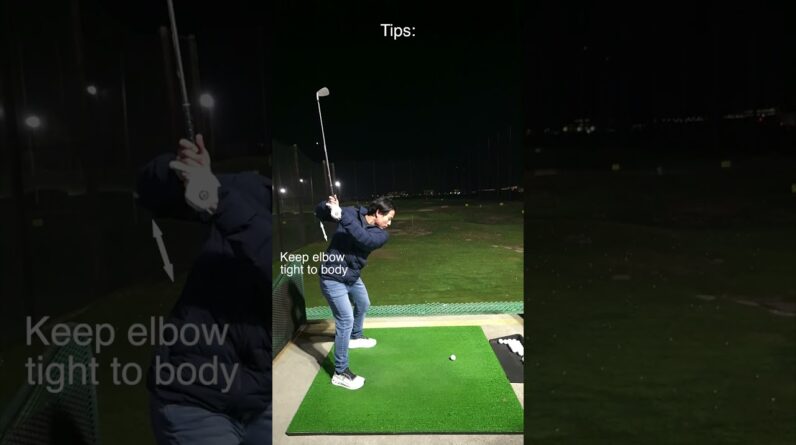
- Top of backswing: Create a pleasant angle with the lead arm along your chest. Keep your head still and eyes on the ball.
- downswing and contact: Start the downswing with the hips,then the torso,arms,and hands. Aim to strike the ball first, then turf, with a square clubface at impact.
- Tempo: A common beginner target is a smooth, 1-2-3 tempo: gradual takeaway, steady backswing, and a controlled downswing.
Putting and Short Game
In golf, a strong short game frequently enough yields the most immediate betterment. Start with simple, repeatable routines around the green.
- Putting setup: Feet shoulder-width apart, eyes over the ball or slightly inside the ball. A light grip with minimal tension helps maintain a pendulum-like stroke.
- Distance control: Practice lag putts at 20-25 feet to learn speed. use a consistent stroke pace rather than force.
- Chipping basics: For short chips, keep hands ahead of the clubhead, hinge and hold the finish, and let the bounce of the club glide through the turf.
Choosing Equipment for Beginners
Getting the right gear can boost your confidence and reduce frustration. You don’t need a full tour set to start; a forgiving, cavity-backed iron set, a game-improvement driver, a pitching wedge, a sand wedge, and a putter are a solid foundation.
- Driver: Look for a forgiving driver with a higher loft (around 10.5°–12°) and a graphite shaft. The goal is easy launch and straighter shots.
- Irons: A set of forgiving irons (such as 6-iron through pitching wedge) helps you hit more consistent shots. Cavity-back irons reduce twisting on off-center hits.
- wedges: A pitching wedge (PW) and a sand wedge (SW) cover most short-game scenarios.Consider a gap wedge (GW) if you want more options around the green.
- Putter: Choose a putter that feels natural to your stroke. Alignment aids or a blade vs. mallet style is a personal choice—try both if possible.
- Extras: A lightweight bag, a pair of comfortable golf shoes, golf gloves, practice balls, and a towel.optional hybrids can replace long irons for easier consistency.
Practice Framework: How to Practice Like a Beginner
Structured practice helps you translate what you learn on the range to the course faster.A simple framework balances swing work, short game, and on-course planning.
- Split practice: 60% of your time on full swings to reinforce fundamentals, 20% on short game (chips and pitches), 20% on putting and distance control.
- Tempo and consistency: Use a metronome-like tempo and practice with a purpose.If you’re not making solid contact, slow down and re-check grip, stance, and alignment.
- Progressive drills: Start with fundamental drills (grip, posture) and gradually add swing thoughts, then ball position and alignment checks.
- Short sessions, frequent rounds: Short, focused practice (30–60 minutes) several times a week beats long, unfocused practice.
Benefits and Practical Tips
Beyond scoring improvements, golf builds patience, focus, and physical balance. hear are practical benefits and actionable tips to keep you motivated.
- Better balance and posture: regular practice improves balance, core strength, and posture, which helps in daily activities as well as the golf swing.
- Lower scores with fewer big misses: By prioritizing contact quality over distance, you’ll hit more greens in regulation and reduce big-number holes.
- Course etiquette matters: Respect for others, pace of play, and safety are essential. Learn basic etiquette such as allowing faster groups to play through and keeping carts on cart paths where required.
- Set realistic goals: Week-by-week targets (e.g., hit 7 of 10 fairways, two good chips per round) help maintain motivation and measure progress.
Drills for Beginners
Simple, repeatable drills can reinforce fundamentals without overwhelming you. Practice these in a safe, open space.
- Grip and posture drill: Without a ball, hold a club and simulate your stance. Check that the spine angle remains steady through a slow, half-swings motion.
- Towel drill for swing path: Place a small towel just outside the ball on your swing path. If you swing too much toward the towel, you’ll often hit it, helping you learn a more inside-out path.
- Slow-motion swing: Practice a slow, controlled takeaway and transition to a full-speed finish.Focus on keeping the wrists relaxed and the clubface square at impact.
- Alignment sticks: Place two alignment sticks on the ground—one pointing at the target and another along your toe line. Use them to confirm your body alignment and swing path.
- Putting rhythm drill: Use a single-length stroke practice with a metronome: a 3-second stroke forward and a 3-second backstroke to develop a smooth tempo.
Case studies: First-Hand Experiences
Real stories illustrate how small changes yield noticeable improvements.here are concise, relatable scenarios from beginners who focused on fundamentals.
case Study 1: Emily’s Grip Fix
Emily started with a standard grip but struggled with slicing. After switching to a neutral interlocking grip and aligning her shoulders, Emily began to see straighter drives and cleaner contact. Within four weeks, her driving accuracy improved, and she felt more confident standing over the ball.
case Study 2: Sam’s Short Game Focus
Sam spent the first month practicing only full swings.After adding 15 minutes of chipping and putting work to each session,his greens-in-regulation rose,and he saw fewer three-putts on average. The consolidation of short-game practice boosted his round scores significantly.
Rapid Reference: Starter Equipment Checklist
| item | Purpose | Beginner Tip |
|---|---|---|
| Driver | Long-distance off the tee | Choose a forgiving head with high loft (10.5°–12°); start with a light shaft |
| Irons (6-PW) | General accuracy and approach shots | Prioritize cavity-back irons for forgiveness |
| wedges (GW, PW, SW) | Short-game variety around greens | Practice basic chips and half-swings to control distance |
| Putter | Putting on the greens | Test both blade and mallet styles; pick one that feels natural |
| Golf bag + glove | Equipment association and grip | Use a comfortable glove for all-weather grip consistency |
Practice schedule: Week-by-Week Plan
A simple four-week plan helps you build consistency. Adjust the time as needed,but aim for regularity and progressive skill development.
| Week | Focus | Drills / Activities | Estimated time |
|---|---|---|---|
| Week 1 | Grip, stance, and setup | Grip drill, alignment sticks, soft-toss with short irons | 3 sessions × 45 minutes |
| Week 2 | Swing basics and tempo | Slow-motion swings, half-swings, one-plane drill | 3 sessions × 60 minutes |
| Week 3 | Short game introduction | Chipping around greens, 20-foot lag putts | 2 sessions × 60 minutes |
| Week 4 | On-course practicality | 9-hole practice round focusing on basics and pace of play | 1 round + 1 practice session × 75 minutes |
Common Mistakes and How to Fix Them
- Tension in the grip: Keep a light, relaxed grip to promote a smoother swing.
- Over-rotation: Focus on a controlled shoulder turn rather than forcing big hip rotations.
- Ball position drift: Recheck ball placement with each club to maintain consistent contact.
- Course management: Don’t chase distance—play smarter shots that keep you in play and reduce errors.
Course Etiquette and Safety
Golf is a social game with shared spaces. Following etiquette keeps rounds enjoyable for everyone:
- Allow faster groups to play through when you’re slower on the course.
- Repair ball marks on greens and rake bunkers after use.
- Stay quiet and still when others are preparing for shots.
- Respect pace: keep up with the group in front of you and practice at a pace that doesn’t slow others down.
Final Notes: Tracking Your Progress
Keeping a simple practice log helps you visualize progress. track the following over time:
- Contact quality: how solidly you strike the ball on center hits
- Consistency: how often the ball flies straighter and lands closer to target
- Putting distance control: your ability to judge speed from different distances
- Course results: your scores and gross/net improvements across rounds