
How to use a tour yardage book ️ #golf #golftips #pgatour #dpworldtour
What is a tour yardage book and why it matters for golf
A tour yardage book is more than a notebook. It’s a personalized reference that captures the nuances of every hole on a course, from exact yardages to hazards, wind patterns, and green contours. For players competing on the PGA Tour and DP world Tour, a well-constructed yardage book is a cornerstone of precision course management and strategic decision-making. It helps you translate rangefinder numbers, memory, and feel into repeatable facts you can rely on under pressure.
- Improved club selection by knowing expected distances to flags, hazards, and landing areas.
- better risk-reward decisions on tee shots, layups, and approach shots.
- Faster, more consistent decisions when facing wind, slopes, and pin positions.
- A personal playing plan for every hole that you can adjust during the round.
Paper vs. digital yardage books: pros, cons, and workflows
There isn’t a one-size-fits-all answer. Some players prefer traditional paper yardage books for tactile familiarity and instant accessibility, while others lean into digital tools for updates, searchability, and cloud storage. Below is a swift comparison to help you decide which path suits your game, or how to blend both for maximum reliability.
| aspect | Paper yardage book | Digital yardage book |
|---|---|---|
| Accessibility | Immediate, no device needed | Requires a device; battery-dependent |
| Update speed | Slow; changes require manual redraws | Fast; edits sync instantly |
| Durability | Rugged with pencil; prone to wear | Electronic; needs charging |
| Annotation options | Pen, pencil, color codes | Drag-and-drop, layers, searchable text |
| Cost | Low to moderate (permanent book). | Potential ongoing costs (app, device). |
Pre-round preparation: building your yardage book
The pre-round phase is where you lay the foundation for accomplished use of a tour yardage book. Whether you create a paper book or a digital one, the goal is to have a clear, actionable reference for every hole.
Gathering course data
- Obtain official course maps and hole layouts from the tournament, club, or course website.
- On-site measurements: use a laser rangefinder for distances to the front, middle, and back of greens, and to key hazards.
- Note typical wind patterns and how they influence club selection on each hole.
- Record elevation changes,bunkers,water hazards,and slope breaks on greens.
Structuring the yardage book
- per hole pages: hole number, par, distance from tee to various targets, greenside distances, and recommended clubs.
- Hazards and landing zones: mark the safest lines and distance-based risk assessments.
- Green notes: contour lines, slope directions, and typical ball flight responses to wind.
- Situational stats: record preferred plays in windy conditions, rain, or firm greens.
Color-coding and notation systems
Use a simple legend that you can interpret at a glance:
- Green: safe target areas with favorable outcomes
- Yellow: caution zones where risks exist
- Red: high-risk lines to avoid
- Blue arrows: wind direction or fade/draw tendencies
On-course usage: reading the book during the round
When you’re standing on the tee box or approach shot, your yardage book shoudl guide decisions, not overwhelm you. The best practice is to keep your eyes up while using the book as a quick-reference tool.
Distances and club selection
- Identify the target area based on your pre-round plan and current wind conditions.
- Consult the distance ladder for the hole: tee-to-green, carry distance to hazards, and safe landing zones.
- Match a club to the expected distance, factoring in ball flight tendencies and environmental conditions.
Wind, elevation, and shot shaping
- Wind notes in the yardage book help you adjust your aim and club choice. For example, a 10 mph crosswind may require 1-2 clubs up or down depending on your ball flight.
- Elevation changes affect carry and rollout. Document typical gains or losses for uphill or downhill shots.
- Document preferred shot shapes for different pin positions and hole layouts.
Green reading and pin-position notes
- Note slope directions from green notes; mark preferred approach lines that minimize three-putts.
- when possible, align your approach with the green’s major break direction and speed tendencies from your past rounds.
- Record pace expectations for greens under different moisture and temperature conditions.
Practical tips and best practices for using a tour yardage book
Consistency is the secret sauce. The more you use your yardage book in a intentional, repeatable way, the more you’ll rely on it under pressure.
- Practice with your yardage book in a controlled setting, such as a practice round or simulator session, before you rely on it in competition.
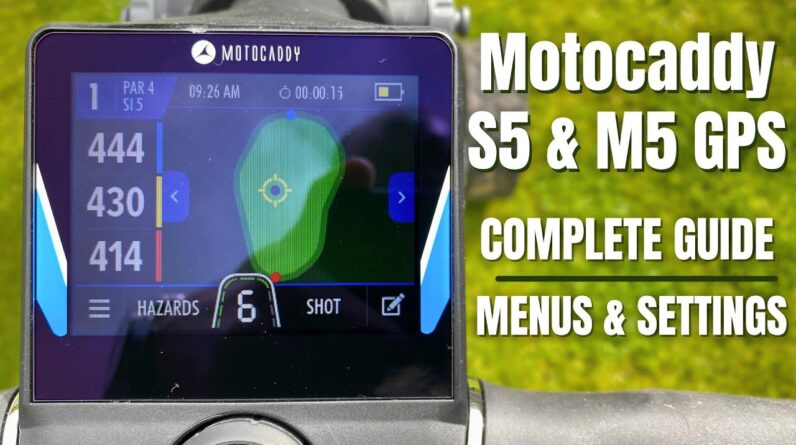
- Keep the book accessible: a compact, readable format or a mobile app that you can view with a quick glance.
- Update the book after each round. If you find your distances or wind notes were off, make corrections immediately.
- Back up your digital yardage book and store your paper pages in a protective sleeve to prevent weather damage.
- Synchronize your book with your standard pre-shot routine so it becomes a natural step in your process.
Benefits of using a tour yardage book
Using a tour yardage book yields tangible gains in performance and confidence on the course.Here are some core benefits to keep in mind:
- Enhanced course knowledge leads to smarter risk management and better decision-making on tee shots and layups.
- Improved accuracy in club selection under pressure, reducing misses left and right.
- Faster round flow as you rely on a prepared plan rather than guessing on every shot.
- Greater consistency across rounds and different courses, especially on unfamiliar layouts.
- A personalized edge, especially when facing PGA Tour-level competition or DP World Tour events where course knowledge matters.
Case studies: real-world applications of tour yardage books
These short scenarios illustrate how players might leverage a yardage book to navigate tough holes and maintain control of scoring opportunities.
- Case A: uphill par 5 with a narrow fairway. The yardage book recommends a conservative layup to a yardage-friendly area, followed by a precise wedge to a back-left pin, resulting in a birdie potential instead of chasing a risky green in two.
- Case B: Crosswind on a long par 4. Wind notes indicate favoring a high draw and a club adjustment to compensate for wind drift, yielding a solid fairway approach and a comfortable iron into the green.
- Case C: Sloped green with a back-left pin. Green notes guide a favored approach path that minimizes three-putt risk, delivering a two-putt par instead of a potential bogey.
First-hand experience: what players say about yardage books
Seasoned players frequently enough credit their yardage book as a quiet but critical partner in competition. In interviews with PGA Tour pros and DP World Tour players, you’ll hear mentions of:
- “A reliable target line and a clear outcome for each shot.”
- “The confidence to swing with a plan rather than guesswork.”
- “The ability to make course knowledge repeatable, even under pressure.”
Common mistakes and how to avoid them
A yardage book helps, but only if used correctly. Here are frequent missteps and how to fix them:
- Relying on memory rather of the book: Always cross-check your read with the book’s numbers before taking a shot.
- Overloading with data: Keep your book simple with essential distances and notes so you don’t get distracted mid-round.
- Inconsistent updates: Regularly revise distances, wind tendencies, and green slopes after practice rounds or feedback from technicians.
- Ignoring on-course changes: If a hole changes due to construction or weather, adjust notes promptly.
Maintenance,updates,and how to keep your yardage book accurate
Maintenance is a year-round obligation. A well-kept yardage book remains a trusted asset across seasons and venues.
- Re-measure distances each season or whenever a course undergoes significant changes.
- Digitally back up your yardage book and keep a separate hard copy for quick reference.
- Review performance data after rounds: note which clubs produced the best outcomes and update strategies accordingly.
- Preserve notes about conditions (firmness, moisture, wind shifts) to contextualize results in future rounds.
tools and resources to enhance your yardage book experience
Whether you prefer traditional paper or digital formats, certain tools can streamline the process and improve accuracy.
- GPS-based rangefinders for precise distances to hazards and greens.
- Hole-by-hole course maps and satellite imagery for accurate layouts.
- Mobile apps designed for golfers to create, annotate, and share yardage books with teammates.
- Practice facilities that simulate various weather conditions to test and refine your notes.
Tips for integrating yardage book use into your practice routine
Consistency in practice translates to reliability on tour days. Use these steps to embed yardage book usage into your routine:
- During practice rounds, test multiple strategies for each hole using the yardage book as your guide.
- Record outcomes for different wind and temperature scenarios to build a robust mental model.
- Simulate course management decisions with mock rounds that emphasize planning ahead rather than reactionary shots.
- Review and analyze rounds with your coach or peers to identify areas for betterment in the book’s content or your decision framework.
FAQ: quick answers about tour yardage books
- Do I need a yardage book to play professionally?
- Many pros use some form of a yardage book, though the level of detail varies. the goal is to have reliable, repeatable information you trust under pressure.
- Is a digital yardage book better than a paper one?
- It depends on the player. Digital books excel in updates and searchability, while paper books offer tactile immediacy and no device dependency.
- How often should I update my yardage book?
- After every round you notice something off, or at least once per season when course layouts stay the same but conditions change.
Final notes on maximizing your tour yardage book’s impact
To get the moast from your yardage book, integrate it into a well-rounded practice and competition plan. Align it with your swing mechanics, short game work, and mental game strategies. For players aspiring to compete on the PGA Tour or DP World Tour, the yardage book is not just a reference; it’s a blueprint for strategic play, discipline, and continuous improvement.
Sample page layout: a compact example for quick reference
The following compact layout demonstrates how a typical hole might be summarized in a yardage book. This example uses a simple, practical approach suitable for both paper and digital formats.
| Hole | Par | Yardage to Target (Front / Middle / Back) | Recommended Club (tee) | Hazards/Notes | Green Notes |
|---|---|---|---|---|---|
| 1 | 4 | 320 / 340 / 360 | 3-Wood / Driver cue | Right fairway bunker; uphill | Back-right pin; slight break left |
| 2 | 4 | 185 / 170 / 155 | 9-Iron / PW | Water left; green slopes right | Soft landing, two-step read |
| 3 | 5 | 540 / 570 / 600 | Hybrid layup | prominent dogleg; wind into | Center-of-green approach; flag right |
Closing thoughts: the journey from knowledge to scoring
Learning to use a tour yardage book effectively is a journey.It requires intent, practice, and the willingness to adapt as you gather data from rounds on multiple courses. Whether you’re chasing professional dreams on the PGA Tour or simply aiming to shave strokes off your weekend rounds, the yardage book is a powerful ally for smarter shot selection, better course management, and a more confident, repeatable game. Embrace the process, keep your notes tight and legible, and let the numbers guide your decisions when it matters most.