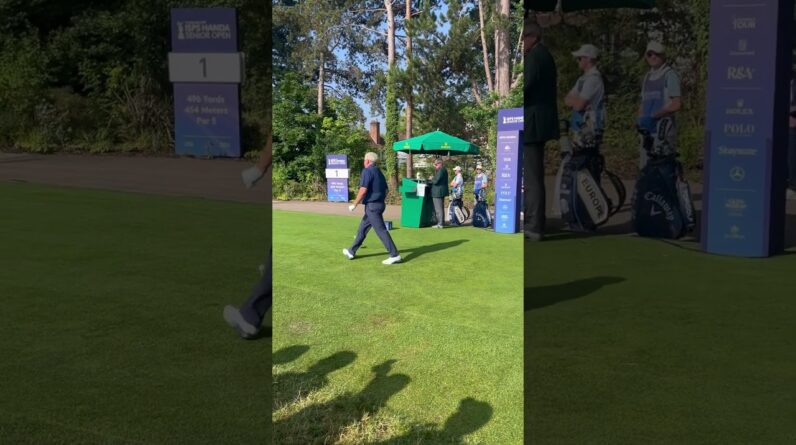

Rory McIlroy Rear View 2025: Swing Analysis, Gear & Tips
this article examines Rory McIlroy’s rear-view swing through the 2025 season, translating what observers see from behind the golfer into actionable insights for players at all levels. We’ll look at the key elements of the rear-view view, how Rory’s mechanics influence distance, accuracy, and repeatability, and what golfers can borrow from his setup, tempo, and training routines. Whether you’re following the PGA tour, Golf Magazine features, or GolfNetwork coverage, you’ll find practical tips rooted in the latest swing analysis and performance data.
Rear-View Swing Essentials: Core Elements of Rory McIlroy’s swing
from a rear-view perspective,several components consistently stand out in Rory McIlroy’s swing. These cues can definitely help golfers understand how a world-class player maintains power while preserving control. Below are the primary elements to watch and emulate, with practical tips for your practice sessions.
1) Setup and Posture
- Spine angle remains relatively stable through setup, with a slight tilt toward the target line to maintain a clean angle for impact.
- Feet shoulder-width apart, with balanced weight distribution to support a smooth take-away and stable swing plane.
- Head position remains quiet and centered, allowing the shoulders to rotate without excessive lateral movement.
2) Transition and Rotation
- Hip and shoulder turn are synchronized, creating a powerful coil that stores energy for the downswing.
- clear separation between lower and upper body rotation, reducing the risk of over-rotation and maintaining control of the clubface.
- From the rear view, you can often notice a shallow to moderate leg drive that supports a stable arc rather than a collapsing trail leg.
3) Swing Plane and club Path
- Club traces a consistent plane from the takeaway through impact, helping to deliver a solid strike with a draw-to-neutral bias for many of Rory’s shots.
- Wrist release is timed to square the clubface at impact without a late flip, which helps maintain control of both distance and dispersion.
4) Tempo and Rhythm
- Rhythmic tempo is steady, with a deliberate transition that avoids rushing the downswing.
- Maintaining a smooth tempo helps with timing, particularly when switching between fairway woods, hybrids, and irons.
2025 Trajectories: What the Rear View indicates for Rory’s Game
The 2025 season has been a focal point for analysts watching how Rory McIlroy adapts to evolving competition, course setups, and equipment changes. From the rear-view perspective, several patterns emerge that can influence his performance across PGA Tour events and major tournaments.While individual numbers vary, the qualitative takeaways below capture the strategic implications of his swing changes and on-course decisions.
- Consistent spine angle and forward shaft lean at address help Rory maintain a stable launch window, especially on mid-to-long irons where precision matters most.
- Balanced pivot and hip rotation support a powerful, repeatable transition, contributing to both distance control and a tighter shot dispersion pattern.
- Controlled wrist hinge and timely release reduce over-rotation tendencies, which can otherwise lead to hooks or slices in windy or pressured rounds.
- Strategic tempo allows him to adapt to varying course speeds, which is essential in front-nine vs. back-nine conditions and in the heat of major pressure.
For golf fans and analysts following #golfdomgolf, #golfer, #golfnetwork, #golftournament, #pga, and #golfmagazine coverage, these rear-view cues translate into observable outcomes: tighter fairways hit percentage, steadier approach shots, and more predictable par-saving up-and-down opportunities on tough holes. The synergy between these mechanics and Rory’s experience on the PGA Tour remains a template for aspiring players seeking a balance of power and precision.
Key Metrics to Watch in the rear View
When evaluating Rory McIlroy’s rear view in 2025, certain metrics stand out as reliable indicators of performance. These are the dimensions that coaches and analysts typically track to understand a player’s progress and to guide practice sessions. The following metrics are paired with practical cues you can apply in your own practice.
- Attack Angle (Driver and long irons): Look for a slightly downward arc at impact that still preserves swing speed. A consistent, moderate angle supports ball speed while maximizing control.
- Club Path: A shallower inside-to-out path tends to produce a draw or controlled fade, depending on clubface alignment at impact. In the rear view, the path should feel and look stable across clubs.
- Clubface Relative Position at Impact: A square or slightly shut face relative to the path helps with penetration and dispersion control, especially under pressure.
- Tempo: A clean, repeatable rhythm reduces mishits. If tempo gets choppy in late rounds, it’s often a signal to simplify the downswing trigger.
- Center Contact and Face Contact: The more the club can strike the center of the face, the more consistent the ball flight and distance carry across different clubs.
- Pelvic and Shoulder Separation: The degree of separation during the downswing correlates with power generation and stabilization through impact.
- Weight Transfer: A smooth shift into the lead side ensures solid compression and minimizes lower-body mis-timing.
For amateurs, translating these metrics into practice means focusing less on raw swing speed and more on repeatable paths, stable postures, and deliberate tempo.The rear view of a world-class player like Rory provides a blueprint for offsetting common faults at all skill levels. As you train, monitor not only the outcomes (distance and accuracy) but also the consistency of your alignment, posture, and transition cues across practice sessions.
Equipment and Setup for 2025: Clubs, Shafts, Ball
Gear choices play a notable role in how a rear-view swing translates into on-course results.Rory McIlroy’s setup has evolved with modern equipment, but the underlying principles remain worldwide: proper fit, consistent launch angles, and responsive feedback through the impact zone. Hear are practical considerations for golfers aiming to mirror the rear-view efficiency seen on tour in 2025.
- Woods and longer irons: Adjustable drivers and fairway woods allow players to dial in launch and spin.The rear view frequently enough shows a compact takeaway and a stable shaft angle supporting a clean contact.
- Mid to short irons: A stable shaft load and consistent lag help maintain accuracy on approach shots. Players who maintain posture through impact tend to hit tighter dispersion with these clubs.
- Wedges: Short-game consistency benefits from a clear setup and smooth transition. The rear view reveals how the body position sets up crisp contact in tight lies.
- golf ball: Ball construction and spin characteristics influence trajectory and control. A ball that matches your club system helps ensure the rear-view cues translate into expected results.
- Grip and hand position: A cozy grip pressure supports a clean release and reduces tension in the forearms,aiding tempo and accuracy.
For players pursuing the “Rory standard” of setup, a professional club fitting session can align your shaft flex, loft/lie adjustments, and grip size with your natural swing path. This is especially relevant for weekend players who wont to optimize the relationship between their rear-view mechanics and actual flight outcomes. Coverage from GolfdomGOLF and other outlets in the golfnetwork ecosystem highlights how gear innovation complements technique to boost performance in all golftournament contexts, including the PGA Tour and major championships.
Training Drills and Practical Tips
Turning rear-view concepts into real-world improvements requires targeted practice. Here are drills and tips designed to reinforce the core cues observed in Rory McIlroy’s 2025 rear view, with a focus on transferable skills for golfers at every level.
Drills for Rear-View Consistency
- Mirror drill with posture check: Stand in front of a mirror and model Rory’s setup cues. Focus on a quiet head, stable spine angle, and even weight distribution.
- Pause-at-t7 drill: Takeaway to the top,pause for a moment,then complete the backswing smoothly. This helps train a controlled transition and prevents over-rotation.
- Impact bag feedback: Use an impact bag to feel a solid, forward-press contact. Aim to prevent “hands ahead of the ball” without overextending the arms.
- Tempo meter: Use a metronome or a tempo tempo app set to a comfortable rate (for example, 3-2-1) to keep swing rhythm consistent across clubs.
- Foot alignment checks: Place alignment sticks on both feet to ensure shoulder and hip alignment stay parallel to the target line during the swing.
Drills for Hip Rotation and Power
- Hip rotation wall drill: Stand with hip-to-wall alignment to promote a full,controlled rotation without swaying off the target line.
- medicine ball rotation: Use a light medicine ball to practice trunk rotation without relying on excessive arm swing, reinforcing the rear-view cue of a solid core drive.
- Lead-leg stability drill: Practice holding a firm lead leg through impact to encourage confident extension and balance in the finish.
Case Studies and Observations from the Pro Scene
Analysts often examine rear-view footage from notable rounds to illustrate how elite players apply these concepts under pressure. In Rory McIlroy’s case, several recurring themes emerge in 2025 coverage across GolfdomGOLF, Golf Magazine, and PGA Tour telecasts:
- Maintained spine angle and smooth transition during tight fairways, supporting a stable swing path even when facing brief wind gusts.
- balanced weight transfer through impact, aiding control on long approach shots and maintaining distance precision on par-5s.
- Consistent tempo across the bag, with particular emphasis on the transition from mid-irons to the short irons to secure reliable greens in regulation.
While each golfer’s rear view has unique quirks, the overarching takeaway for enthusiasts and analysts is that a repeatable rear-view pattern—balanced posture, coordinated rotation, smooth tempo, and accurate contact—consistently yields better scoring opportunities on tour. For readers following the #golfnetwork and #golfmagazine feeds, these insights help translate pro swing cues into actionable practice plans.
First-Hand Experience: Insights from Coaches and Players
Coaches who work with high-level players frequently emphasize the value of a stable rear-view foundation. Observations from recent coaching clinics and interviews suggest:
- Even when the swing changes across seasons, the rear-view cues that matter most are those tied to rhythm, balance, and the timing of the release—areas where Rory consistently demonstrates proficiency.
- In practice, small adjustments to setup and transition can yield outsized gains in accuracy and scoring opportunities, especially on courses that demand precision off the tee and sharp iron play.
- Video analysis from the rear view is a powerful tool for diagnosing “pattern faults” such as early head movement, needless body sway, or a late release that can compromise both distance and direction.
These observations align with the broader narrative in golf media, including coverage by GolfdomGOLF and partners in the GolfNetwork, where professionals stress that the rear-view perspective is not a single-fix solution but a gateway to understanding rhythm, sequencing, and impact conditions across the entire bag.
Benefits and Practical Tips for Players at All Levels
Incorporating rear-view insights into your practice routine offers several tangible benefits, especially when aligned with proper training and equipment fit. Here are practical takeaways to apply this season:
- Better contact consistency: Focus on a stable spine angle and proper hand position at impact to improve center-face contact and reduce fat shots.
- improved ball striking with control: A repeatable transition helps you maintain a clean path across clubs, which translates into tighter dispersion and more greens in regulation.
- Increased confidence under pressure: A calm, rhythmic swing is easier to replicate when the nerves kick in, supporting steady decision-making during tournament rounds.
- Adaptability to course conditions: consistent rear-view cues enable you to adjust for wind, lie, and slope without sacrificing tempo or balance.
- Progress tracking: Use video highlights of your rear-view swing to track changes over time and celebrate small wins and consistency gains.
Rear-View Snapshot Table for 2025
| Metric | Rory McIlroy Rear-View Cue (2025) | practical Application |
|---|---|---|
| Setup alignment | Shoulders parallel to target line; spine angle steady | use alignment sticks to verify setup before each swing |
| Transition timing | Coordinated hip-shoulder turn; quiet head | Pause-and-go drills to reinforce timing |
| Swing plane | Consistent plane from takeaway to impact | Slow-motion practice to confirm plane consistency across clubs |
| Release timing | Timed wrist release with square face at impact | Impact bag or face-contact drills to lock in timing |
| Tempo | Smooth, repeatable rhythm | Metronome-based practice for club-specific tempos |
This table, presented with WordPress styling, is designed to be simple and actionable. it highlights how rear-view cues translate into concrete practice steps that players can implement in the driving range or on the short course. For fans of the PGA Tour and major golf tournaments,these cues reflect a philosophy of stability,rhythm,and precision that underpins Rory McIlroy’s performance in the modern era.
Final Thoughts on Rear-View Analysis for 2025 and Beyond
The rear view of Rory McIlroy’s swing in 2025 embodies a blend of power, control, and practical efficiency. While every golfer has a unique physical makeup, the underlying principles observable from behind—stable setup, balanced rotation, a repeatable swing plane, and a well-timed release—offer a roadmap for players seeking to elevate their own games. Coverage across GolfdomGOLF, along with broader conversations in golfmagazine and golfnetwork ecosystems, reinforces that the rear-view perspective is a powerful diagnostic and training tool, not a prescriptive fixed model.by understanding and applying these cues, golfers of all levels can translate elite-level mechanics into meaningful on-course gains, whether chasing birdies on the PGA Tour or shooting lower scores on weekend rounds.
For readers hungry for more, follow the ongoing coverage with the tags: #golfdomgolf, #golfer, #golfnetwork, #golftournament, #pga, and #golfmagazine. The rear-view narrative isn’t only about Rory—it’s about extracting the practical, repeatable signals from elite swing footage and turning them into repeatable performance on the practice range and the course.