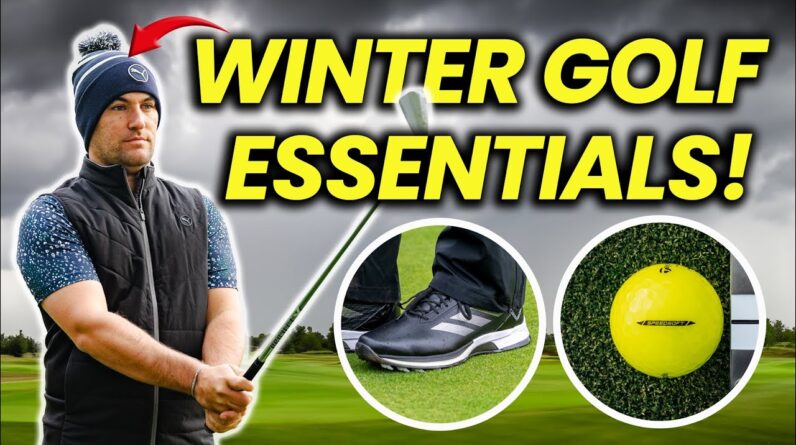

Don’t Buy Golf Rain Gear Until You See This!
Why this topic matters for every golfer
Rain happens on the golf course with surprising frequency. The right golf rain gear can keep you dry, comfortable, and focused on your swing, while poor choices can turn a soggy round into a frustrating ordeal. The big mistake many players make is buying based on price or hype rather than real-world performance. This guide cuts through the noise with practical criteria, tested ideas, and clear buying advice tailored for golfers.
Key features to evaluate before buying golf rain gear
Waterproofing versus breathability: strike the right balance
Look for a fabric with a high waterproof rating (measured in millimeters, mm) and a breathable membrane (MVTR, measured in g/m2/24h). A common smart target is 10,000–20,000 mm waterproofing for heavy rain, paired with 10,000–20,000 g/m2/24h breathability. Two-layer or three-layer constructions frequently enough provide better stability than a single-layer shell, especially for long rounds.
Seams, zippers, and cuffs: the moisture gatekeepers
Fully taped seams and watertight or storm-rated zippers matter more in persistent rain. Cuffs that seal around wrists and cuffs that cinch can prevent water from creeping up your sleeves. For pants, ankle gaiters or snug cuffs help stop water from pooling at the bottom of your legs.
Material choices: how they feel on the body
GORE-TEX, eVent, and similar membranes offer strong waterproofing with varying breathability.PU-coated fabrics are common in budget gear but can trap sweat if you’re active.Consider the weight and stretch of the fabric—lighter, more breathable fabrics often suit warmer, drizzle-filled rounds, while heavier laminates shine in cold, wet weather.
DWR treatment and reproofing: staying dry long-term
Durable Water Repellent (DWR) helps water bead and roll off the surface. Over time, DWR wears off. Reproofing sprays or wash-in treatments extend the life of your gear. If you see water soaking in quickly during a test run, it’s time to refresh the coating or consider a higher-grade fabric.
Fit and layering: room for movement and insulation
Conventional rain gear that’s too tight will restrict your swing and comfort. Look for a relaxed or athletic fit with room to layer a moisture-wicking base layer and a light insulating mid-layer when it’s chilly. Golf-specific rain jackets often include articulated sleeves and slightly longer back hems to protect your torso during full swings.
pockets, visors, and ventilation: practical design details
Well-placed pockets, waterproof zippers, and vents under the arms or on the back can dramatically improve usability. A removable hood or a stowaway hood can add versatility for sudden weather shifts without turning your jacket into a wind-catching umbrella.
types of golf rain gear you’ll actually wear on the course
Golf rain jackets: the core piece
A quality rain jacket is the backbone of your rainy-day kit. Choose a jacket with a drop tail to cover your hips when you bend at the waist, and look for a jacket that’s not overly stiff—mobility matters for full swing rotation. A jacket with breathable panels or vents helps prevent overheating on longer rounds.
Golf rain pants and bibs: keep legs dry and flexible
Waterproof pants or bibs are essential for many players who encounter rain and wind. Bibs stay up without belt fuss and often offer taller leg zips for easy removal without taking shoes off. Consider a lightweight, packable version for warm days and a warmer, lined option for cold mornings.
Rain suits and full-coverage sets: maximum protection
full rain suits provide seamless protection, which is ideal for consistently rainy climates or windy courses. they’re less breathable but excellent for staying dry. If you play in variable conditions, opt for a modular setup—jacket plus pants that pair well with base layers.
Ponchos: simple, versatile, and budget-kind
Ponchos can be surprisingly practical for golfers who value speedy donning and bulk-free layering. They’re typically less form-fitting, which may affect swing mechanics for some players, but they shine in light, steady rain and in wind-driven drizzle where you don’t want a restrictive layer.
Golf rain gloves and accessories: hands matter too
Dry hands improve grip, grip feel, and control. look for moisture-wicking, quick-drying gloves and consider a lightweight glove for warmer days and a thermal option for chilly rounds. Don’t neglect a waterproof cap or visor to keep rain off your face while you line up putts.
How to choose golf rain gear by climate and season
Warm, wet days (light rain and humidity)
Focus on breathability, lightweight fabrics, and a jacket with good ventilation. You want something that protects from rain without trapping heat. A rain jacket with underarm vents or a mesh lining can be a real winner here.
Cold and windy days
Layering becomes critical. Look for a windproof outer layer with a warm mid-layer option and a base layer that wicks well. Waterproof pants with a snug ankle fit help block wind-driven rain from creeping up inside the pants.
Heavy rain and storm days
Prioritize a high waterproof rating (≥ 15,000 mm) and sealed seams.A full rain suit or jacket-pants combo with durable, secure closures is worth the investment for extended rounds in downpours or on coastal courses.
Transitions between rain and sun
A modular system shines here: a waterproof shell plus a breathable base layer and a light insulated mid-layer. You can shed layers quickly as the rain eases.
Practical tips and maintenance for golf rain gear
Care and cleaning
Follow care labels. Most waterproof jackets benefit from a warm wash (gentle cycle) and a reproofing spray every season or after several washes.Avoid fabric softeners,which can compromise the membrane.
Reproofing and longevity
Reproofing extends life.For frequent rain golfers, plan to reproof quarterly for heavy use, or annually for light use. Store gear dry and out of direct sunlight to maintain the fabric’s performance.
Drying and storage tips
Air dry jackets and pants away from direct heat. Do not tumble-dry membranes at high heat unless the care label explicitly says so. Store gear in a cool, dry place to prevent mold and odor buildup.
layering strategy for peak comfort
Use a moisture-wicking base layer, a breathable mid-layer, and a waterproof outer layer. This layered approach keeps you dry from the inside and out, reducing sweat buildup while maintaining swing range of motion.
Case studies and firsthand experiences
Case Study 1: A 90-minute downpour test on a windy coastal course
Paul, a mid-30s club member, walked 18 holes in a heavy rain and gusty wind. He wore a three-layer jacket with taped seams and water-ready pants. He reported staying dry for the entire front nine, with only light moisture on the outer surface after 2 hours of rain. The breathability allowed sweat to escape, helping him stay comfortable without overheating. Key takeaway: prioritize a reliable outer shell and a well-fitted lower layer in windy, rainy conditions.
Case Study 2: Cold morning rounds in spring with a wet fairway
Maria used a two-layer waterproof jacket with a fleece-lined interior and waterproof pants. The combination kept her warm,dry,and mobile for a 4-hour round. She appreciated the ability to vent with forearm zippers and the secure pockets for tees and a small towel. lesson learned: in cold but not slushy rain,a balance of warmth and breathability wins over heavy insulation alone.
Quick decision checklist before purchasing golf rain gear
- Is the fabric waterproof enough for your typical rain intensity and wind exposure?
- Are seams fully taped or welded,and do zippers seal properly?
- Is there enough room to layer without restricting your swing?
- Does the gear offer practical features: pockets,vents,adjustable cuffs,and a hood that fits over a cap?
- Can you reproof the garment when needed,and is the care routine simple?
- Is the gear packable or easy to fold into your golf bag for on-course adjustments?
- What is the price-to-performance balance for your local climate and playing cadence?
Rain gear type comparison (quick at-a-glance)
| Gear Type | Waterproof Rating | Breathability | Best For | Approx. Weight | Price Range |
|---|---|---|---|---|---|
| Golf Rain Jacket | 10k–20k mm | 10k–20k g/m2/24h | All-round wet days, layering | 0.5–1.2 lb (0.23–0.55 kg) | Mid to High |
| Rain Pants | 10k–20k mm | 10k–15k g/m2/24h | Wet legs, long rounds | 0.7–1.8 lb (0.32–0.82 kg) | Mid |
| Rain Suit (Jacket + Pants) | 15k–20k+ mm | 10k–20k g/m2/24h | Heavy rain, coastal courses | 1.2–2.8 lb (0.55–1.27 kg) total | High |
| Poncho | 5k–12k mm | low–moderate | Light rain, quick layer | 0.3–0.9 lb (0.14–0.41 kg) | Low to Mid |
Brands and buying tips: where to start
Popular golf brands frequently enough blend performance with golf-specific design. look for brands that emphasize seam sealing, reputable membranes, and a comfortable, athletic fit. If you’re new to rain gear, consider trying on multiple brands to compare fit. Don’t rely solely on online hype—read real-world reviews from golfers who play similar courses or climates.
“the right rain gear is not just a shield from the rain—it’s a performance tool that keeps your swing consistent and your body temperature steady.” – Pro Golfer, Private Club
For value, consider semi-premium options from established brands that offer a good balance between waterproof performance and breathability. If you’re in a consistently rainy climate,investing in a higher-quality jacket and pants combo can pay for itself through longer rounds and fewer mid-round gear changes.
Smart plan: buy once, stay dry all season
Use this guide to build a rain gear setup that matches your playing style and climate.Start with a reliable waterproof jacket, then add pants or a suit depending on your typical rainy conditions. If you’re budget-conscious, consider a modular approach: a breathable, lighter shell now and a heavier shell for winter or coastal rounds later.Always test gear in a controlled, non-critical setting (a practice round or a wet driving range session) before you commit to a full purchase for a tournament week.