
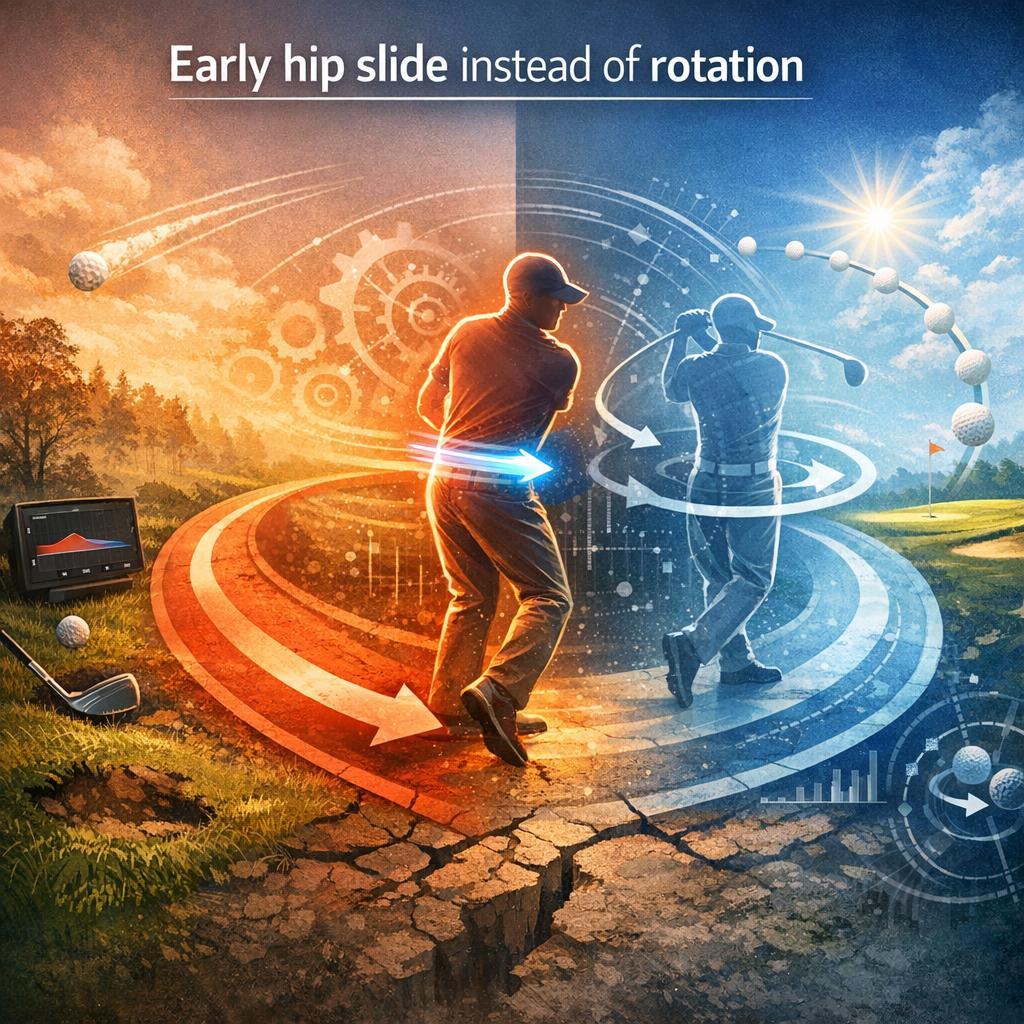
early Hip Slide Instead of Rotation: A Practical Guide to Better Movement, Performance, and Injury Prevention
In athletic training, coaching, and rehabilitation circles, the terms “hip slide” and “rotation” describe two different patterns of how the pelvis and hips move during dynamic tasks. The idea of an “early hip slide”—leading with a forward or lateral hip movement before the torso rotates—has gained attention as a way to improve force transfer,reduce excessive spinal twist,and enhance stability.This article explores what an early hip slide is, when it’s favorable, how to train it safely, and how to integrate it into various sports and activities.Whether you’re a coach, athlete, or rehab professional, you’ll find actionable tips, drills, case studies, and practical considerations to help you apply this concept effectively.
What is an early hip slide, and how does it differ from rotation?
At its core, an early hip slide refers to initiating forward or lateral movement through the pelvis and hip joints before the upper body (thorax and shoulders) begins a significant rotation. This sequencing—hip first,torso second—can favor a more linear transfer of force and reduce the abrupt torsional load that comes with premature trunk rotation. In contrast, a late or rapid rotation of the torso without a corresponding pelvic move can increase shear forces across the lumbar spine, create instability, and place more strain on the posterior chain.
- : The hips lead the movement, creating a stable base and guiding the path of motion.
- : the torso rotates in a controlled manner after the hips have shifted, allowing the core to transfer force efficiently.
- : Better alignment of the ankle, knee, and hip joints reduces excessive rotational torque on the spine.
In practice, an early hip slide can be observed in activities such as sprint starts, cutting maneuvers, and certain power lifts where athletes need to create forward momentum with minimal pivoting torque. It’s not about eliminating rotation altogether; it’s about optimizing the timing and sequence of hip and trunk movements to maximize efficiency and minimize injury risk.
When is an early hip slide most beneficial?
While the concept can be applied across sports, there are particular contexts where an early hip slide tends to offer the most benefit:
- Sprint starts and acceleration: Initiating forward hip movement can help load the posterior chain and reduce reliance on late trunk rotation, which may strain the lower back during explosive efforts.
- Change of direction (COD) and cutting: A hip-forward slide can set up a stable base for rapid,controlled directional changes,especially when changing from one foot to the other.
- Golf and throwing sports: In rotational sports, a well-timed hip slide can help manage sequencing so the torso rotation follows the hips rather than leading it.
- Rehabilitation and return-to-sport progress: For individuals recovering from low-back or hip injuries, a hip-first approach can promote safer loading patterns during early return-to-activity phases.
Importantly, the suitability of an early hip slide depends on individual anatomy, sport demands, and training history. Coaches should assess movement quality using video analysis and simple assessments to determine whether the sequencing aligns with an athlete’s goals and safety needs.
Key concepts behind hip slide technique
Pelvic mechanics and sequencing
Understanding pelvic mechanics helps explain why an early hip slide can improve performance. When the pelvis moves first, it creates a stable base for the legs to push from, enabling the athlete to direct force more efficiently through the ground. If the trunk rotates too early, the spine can experience higher torsional loads, potentially compromising spinal health and transferring more stress to the lower back and hamstrings.
Ground reaction forces and energy transfer
Effective movement requires a smooth chain of energy transfer from the ground up. An early hip slide helps align ground reaction forces with the hip extensors (gluteus maximus, hamstrings) and the core, creating a more linear pathway for propulsion. The result is frequently enough improved acceleration, better balance, and lower peak torques on the spine.
Core activation and stability
A hip-first approach encourages timely engagement of the posterior chain and core stabilizers. When the hips move before the torso, the core can brace in anticipation of rotation, reducing uncontrolled spinal motion and providing a safe corridor for force progress.
Benefits and practical tips for implementing an early hip slide
Benefits
- Enhanced force transfer from the legs to the trunk and upper body
- Reduced lumbar spine torque and lower back strain
- Improved stability during dynamic tasks and directional changes
- Better knee and ankle alignment, potentially reducing injury risk
- Consistent timing between hip movement and trunk rotation, aiding technique consistency
Practical tips for coaches and athletes
- Use slow-motion video to observe whether the hips initiate movement before trunk rotation during key tasks.Look for a visible hip-first cue in drills or sprints.
- Prioritize glute activation, hip hinge drills, and quadriceps–hamstring coordination before more intense work.
- Start with controlled, low-load patterns that emphasize sequencing, then increase speed and complexity as movement quality improves.
- Provide real-time feedback or post-session reviews to help athletes internalize the hip-first cue.
- Track metrics such as front-side knee alignment, ground contact times, and torso rotation angle to monitor changes over time.
Drills and exercises to train an early hip slide
These drills focus on sequencing, stability, and the coordinated activation of hips and core. Perform them progressively, prioritizing technique over speed.
1. Hip hinge with forward drive
- Stand with feet hip-width apart and a slight bend in the knees.
- Push hips back into a hip hinge, then drive the hips forward to shift weight ahead of the toes.
- Only after the hips have moved forward should the torso begin a light rotation. Maintain a tall spine throughout.
- Perform 2–3 sets of 6–8 reps, focusing on a clear hip-first sequence.
2. Wall drill: hip slide to rotation
- Stand facing a wall at a safe distance. Place your hands on the wall for feedback if needed.
- initiate a small hip slide to the side (or forward) while the torso remains relatively square.
- once the hips have slid, allow a controlled rotation of the trunk, then return to starting position.
- Repeat 4–6 reps per side, keeping movement crisp and controlled.
3. Lateral bound with sequencing
- Stand on one leg, with the other leg ready to bound laterally.
- As you bound, lead with a hip slide (lateral move) before the torso turns to follow.
- Land softly, reset, and repeat on the other side.
4. Sprint-start with hip cue
- From a ready position, cue the athlete to initiate with a hip-driven forward slide, then progressively rotate the trunk as the knee drive progresses.
- Use a light resistance band or sled drag to maintain progressive load without breaking form.
- Practice 6–8 trials per set, with emphasis on the hip-first pattern.
5. Core-to-hips timing drill
- Lie on your back with knees bent and feet flat. Perform a controlled pelvic tilt to engage the core.
- Next,perform a slow hip slide while maintaining a braced core,followed by a gradual torso rotation.
- Progress to standing positions and apply the same sequencing in more dynamic tasks.
Case studies and practical examples
Below is a concise look at how athletes benefited from integrating an early hip slide into their movement patterns. The table uses WordPress-friendly classes and presents simplified, anonymized data for rapid reference.
| Case | Athlete Type | Before (Key Issue) | After (Key change) | Notes |
|---|---|---|---|---|
| Case 1 | Professional soccer midfielder | Late torso rotation during directional changes; inconsistent foot placement | Hip-first sequencing improved COD efficiency and reduced knee valgus | Video analysis showed cleaner weight transfer and better balance |
| Case 2 | Collegiate sprinter (100m) | Late trunk rotation; slower first step; higher hamstring load | early hip slide prioritized; improved 0–10m split and faster step turnover | lower perceived effort during early acceleration |
| Case 3 | Rehabilitating athlete (low back injury) | Pain with aggressive rotation; fear of twisting | Hip-first drills reduced spinal load and allowed safer progress | Noted improved confidence in dynamic movements |
First-hand experiences: coaches and athletes share their insights
Across sports, practitioners report that teaching an early hip slide requires clear cues and consistent feedback. Here are some summarized reflections from field experience:
- “When athletes feel the hips move first, they report greater stability during rapid changes in direction. It’s a mental cue as much as a physical one.”
- “I used to rely on a strong torso rotation to generate power.Switching to a hip-first pattern let me feel more control, and my times started to drop.”
- “Hip-first sequencing can be a gentle bridge back to high-load athletic tasks after an injury, provided progression is gradual and monitored.”
Common mistakes and how to fix them
- Too aggressive hip slide without controlling torso rotation.
- Fix: Emphasize a slow, deliberate hip movement followed by a brief, controlled trunk rotation. Use slowed tempo drills first.
- Mistake: Overemphasis on hips causing knee valgus or loss of alignment.
- Fix: Cue knee tracking over the second toe and maintain a neutral pelvis. Include single-leg support drills to improve control.
- Mistake: Ignoring core bracing during rotation.
- Fix: integrate core engagement cues (brace, rib flare control) before allowing rotation to unfold.
- Mistake: Inconsistent feedback from coaches.
- Fix: Use video feedback, mirrors, or partner coaching to reinforce the hip-first sequence.
Injury considerations and safety
As with any movement modification, safety comes first. Some considerations when implementing an early hip slide include:
- Start with low speed and light loads before progressing to high-speed tasks.
- Monitor for signs of lower back strain or knee discomfort.If pain persists, revert to simpler progressions and seek professional guidance.
- Ensure proper warm-up that activates glutes, hamstrings, and the core to support the new sequencing.
- Individual differences matter. Not every athlete will benefit equally from this pattern, so tailor cues and progressions accordingly.
Frequently asked questions
Q: Is an early hip slide the same as hip hinge?
A: They are related concepts. A hip hinge is a essential movement pattern that engages the glutes and hamstrings, often used as a precursor for an early hip slide. The hip slide refers more specifically to the timing of hip movement relative to trunk rotation in dynamic tasks.
A: Can I use this in everyday activities?
A: Yes, to some extent. The same principles—hip-first sequencing and controlled trunk rotation—can improve balance and efficiency in activities like lifting, changing direction while walking, or performing sport-specific drills.
A: How long does it take to see results?
A: It varies with training history, but many athletes notice improvements in movement quality within 6–8 weeks of consistent practice and feedback. Shorter timeframes are possible for committed athletes with prior motor learning in similar patterns.
Conclusion: embracing a smarter sequencing for better performance
Early hip slide versus rotation is not about discarding rotational movement altogether. It’s about refining the sequencing of hip and trunk actions to optimize power transfer, enhance stability, and reduce injurious torque. By focusing on pelvic-first movement and controlled trunk rotation, athletes can improve acceleration, change of direction, and overall movement efficiency while supporting safer loading patterns for the spine and lower limbs. Use the drills and strategies outlined in this guide to introduce, test, and refine an early hip slide approach in a progressive, sport-specific manner. Remember to individualize progressions, monitor technique with feedback, and prioritize quality over quantity as you integrate this technique into training and rehabilitation plans.