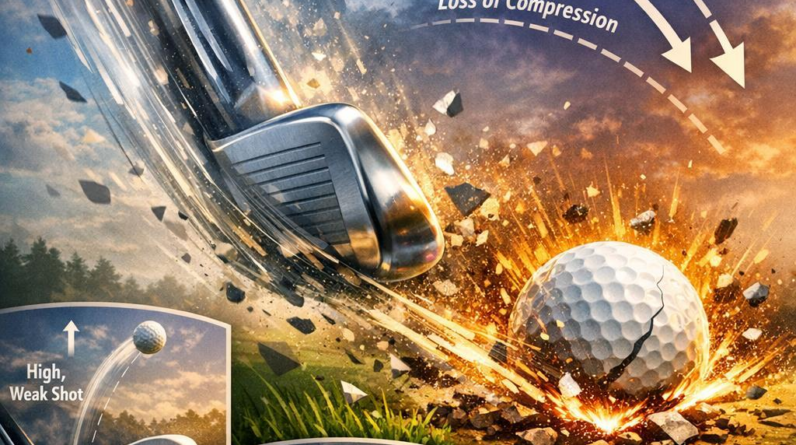

Early Wrist Breakdown on Short Iron Shots: Causes, Fixes, and Drills
When it comes to precision with your short irons (56° to 9-iron range), a subtle fault can sabotage a great round: early wrist breakdown. Also known as an early release, this swing flaw happens when the wrists uncock too soon in the downswing, before impact. The result can be inconsistent ball contact, erratic distances, and awkward trajectories. In this article, you’ll learn what exactly causes early wrist breakdown on short iron shots, how it affects your ball flight, and a clear set of practical fixes and drills you can implement to regain control at impact.
Understanding the problem: what is early wrist breakdown?
wrist breakdown refers to the timing of the wrist hinge (the amount of angle between the forearm and the club shaft) during the swing. In a properly sequenced golf swing, you store up lag in the downswing so the hands release the club near impact, delivering solid contact and compressing the ball with a stable clubface through the ball. When the wrists break down too early, the clubhead catches up to the hands too soon, reducing lag and frequently enough de-lofting the club at impact. This changes the dynamic of the shot,frequently enough resulting in lower trajectory,less spin,and less distance control—notably noticeable with short irons where timing is critical for accuracy and feel.
Why early wrist breakdown matters with short irons
- Distance control: short irons demand precise distance management. An early release can rob you of lag, producing inconsistent ball speeds and unpredictable carry.
- Contact quality: Loss of lag often leads to thinner or fat shots as the clubface loses its optimal angle at impact.
- Trajectory and spin: Early uncocking can reduce backspin and produce lower, sometimes too-rolling trajectories that fail to hold greens.
- Consistency under pressure: In bunkers, from tight lies, or when facing a mid-iron approach, a delayed, controlled release is more dependable than an aggressive, early uncocking.
Common causes and signs to spot
Common causes
- Overactive hands and wrists: Trying to “flip” the club to win distance, especially when swinging too hard.
- Poor release timing: Releasing the wrists before the club reaches the correct angle relative to the body and swing path.
- Grip pressure anomalies: Gripping the club too tightly can accelerate wrist action and encourage early uncocking.
- Mis-sequenced body movement: If the hips and torso rotate too far ahead of the hands, the natural lag can be lost early.
- Incorrect ball position or posture: Ball too far forward or too close can alter the delivery path and timing.
- Swing plane issues: A too steep or too flat plane can force the hands to compensate with early release to make contact.
Signs you might be experiencing early wrist breakdown
- Ball flight that is consistently lower than your normal iron shots.
- Unpredictable distances from shot to shot with the same club.
- Regular contact that feels “thin” or “back of the club” heavy.
- Hooks or pushes that appear more often with mid-to-short irons.
- A noticeable change in tempo: fast downswing with less lag and a rushed release.
Practical fixes: how to regain lag and deliver solid short-iron contact
Addressing early wrist breakdown is largely about retraining sequencing, reducing excessive hand action, and reestablishing a stable, delayed release through impact. Here are practical fixes you can apply. Start slowly, then progress to full swings as the new feel becomes natural.
1) Revisit your grip and grip pressure
- Ensure a light-to-medium grip pressure that allows the wrists to hinge naturally without gripping the club so tightly they can’t release.
- Check for excessive thumbs-on-top pressure or a “strong” grip that might encourage early release.
2) Maintain lag with a deliberate, controlled tempo
- Practice with a slower takeaway and downswing tempo.emphasize storing lag in the initial downswing and delaying the release until late downswing or just through impact.
- Use a tempo drill: 4-2-4 counts (4 for backswing, 2 for transition, 4 for downswing and impact) to encourage timing consistency.
3) Focus on sequence: hips, torso, arms, hands
- Encourage proper sequencing where the hips initiate the downswing, the torso unwinds, and only then do the arms and hands release. this helps preserve lag and prevents early uncocking.
- A cue to try: “hips first, hands last.”
4) The towel drill and impact focus
- Place a towel under your left armpit (for right-handed players) to maintain connection between the arms and chest during the swing. If you’re able to wiggle the towel, your arms are too active and the release may be too early.
- Or position a small impact bag or towel behind the ball and practice striking through while keeping the hands passive and the wrists quiet until contact.
5) Half-swings to build feel
- Hit a series of half-swings (just to the top of the backswing or halfway down) focusing on maintaining the wrists’ angle as you return to impact.
- Gradually extend the swing once you can consistently hold the lag through impact in half-swings.
6) The “no flip” cue
- Think about keeping the wrists quiet through impact.If you feel the wrists breaking down prematurely, pause at impact and reset before continuing—think “delay the release.”
7) Ball position and posture check
- For most standard short iron shots, place the ball slightly forward of center in your stance and ensure your spine angle is comfortable and athletic. A poor setup can force compensations that trigger early wrist action.
8) Use a training aid to feel lag
- Lightly load a straight shaft or use a lag-training aid that provides feedback on the relationship between your hands and your clubhead through impact.
Drills and training aids: practical practice plan
Below is a concise, actionable drill sequence you can follow on the range.It’s designed to re-establish proper sequencing and help you feel the correct release timing with short irons.
- Lag preservation drill: Take a 70% swing with a focus on maintaining the angle between the forearms and the club shaft until just after impact. Pause briefly at impact before finishing the swing.
- Half-swing pump drill: Make 10 half-swings, focusing on keeping the wrists hinged until contact. Increase to full swings as feel improves.
- Impact bag drill: Place a padded bag on the ground and hit shots while contacting the bag with the clubface through impact.The bag helps you feel a clean strike without prematurely breaking the wrists.
- Towel under the arm drill: Put a towel under your left armpit to maintain connection. If the towel falls out, you’re likely leading with the hands rather than the torso and hips.
- Ball position check drill: Place the ball slightly forward in your stance and rehearse 6–8 rehearsals with a focus on keeping the hands passive and delaying the release.
Rapid-reference table: signs,causes,and fixes
| Sign | Likely Cause | Fix |
|---|---|---|
| Low,fading or inconsistent distance with short irons | Early wrist breakdown,loss of lag | Slow down tempo,emphasize delayed release,half-swings to re-establish lag |
| Thinned or fat contact | Mis-timed release,wrong impact position | Grip pressure check,impact-focused practice,ball position adjustment |
| Poor contact with pull or hook tendency | Overactive wrists,early uncocking | Latency cues,towel drill,hips-driven downswing |
| Too low trajectory with short irons | De-lofted at impact due to early release | Delay release,maintain wrist angle through impact |
first-hand experience and case studies
many players struggle with early wrist breakdown at some point in their growth. Here are two compact, real-world anecdotes to illustrate how the problem manifests and how the fixes help.
Case Study 1: Jack, 12 handicap
Jack noticed his 8- and 9-iron shots had become inconsistent—occasionally late contact and occasional thin shots. After focusing on keeping the wrists quiet through impact and slowing the downswing, he reported a 6–8 yards more consistent carry with improved accuracy over two weeks of practice. A towel-under-arm drill and a half-swing progression became staples in his practice routine, and he regained confidence on approach shots.
Case Study 2: Maria, 6 handicap
Maria struggled with a recurring hook on short irons. She discovered her release was happening too early, causing the clubface to close before impact.By implementing the “hips-first, hands-last” cue and practicing impact-focused drills with a light grip, she regained control of her release timing. Within a month, her approach shots held greens more reliably, and she reported fewer rounds with unexpected deviations.
Benefits of correcting early wrist breakdown
- Improved contact quality and consistency with short irons
- More predictable distance control and ball flight
- Better greenside proximity and scoring opportunities
- Reduced reliance on compensations, leading to more repeatable swings
Frequently asked questions (FAQ)
Is early wrist breakdown the same as casting in golf?
Yes, in broad terms. Casting refers to releasing the club early,which is essentially the same concept as early wrist breakdown.Both describe releasing the club sooner than ideal, reducing lag and consistency. the goal is to delay the release until the right moment for contact and impact.
Can I fix early wrist breakdown without changing my grip?
while grip changes can help, most players benefit from a combination of grip adjustments, tempo control, and swing sequencing drills. Start with tempo and release timing, then fine-tune grip as needed.
How long does it take to see results?
It varies by player. Some people notice improvements within sessions, while for others it may take several weeks of deliberate practice to retrain the feel and timing. Consistency beats intensity—practice with purpose and you’ll see progress faster.
Conclusion: mastering the release for reliable short-iron play
Early wrist breakdown on short iron shots is a common hurdle,but it’s also a highly addressable one. By understanding the causes, recognizing the signs, and applying targeted fixes—grip adjustments, tempo control, proper sequencing, and a suite of well-chosen drills—you can restore proper lag, deliver clean contact, and take your short-iron game to the next level. Remember, the key is consistency: practice with intention, not just repetition. With a structured plan and a few friendly cues, you’ll feel more confident over approach shots and enjoy more greenside opportunities on every round.