
How to Break 90: Par 4s
Understanding Par 4 Scoring: What It Takes to Break 90
Breaking 90 on a standard 18-hole round is a common milestone for mid-handicap golfers.Par 4s are often where the gap between a decent score and a truly solid round shows up. The key is not just power, but a smart blend of accurate driving, reliable iron play, effective distance control, and a solid short game. When you optimize your approach to par 4s, you reduce big numbers and increase birdie opportunities without increasing risk.
- Goal framing: Aim for consistent pars on most par 4s, with intentional birdie attempts where the risk is manageable.
- Key metrics: fairways hit, greens in regulation (GIR), up-and-down success rate, and putts per round.
- Myth-busting: Long hitters don’t automatically break 90—smart course management and solid technique often trump raw power on par 4s.
Driving Strategy on Par 4s
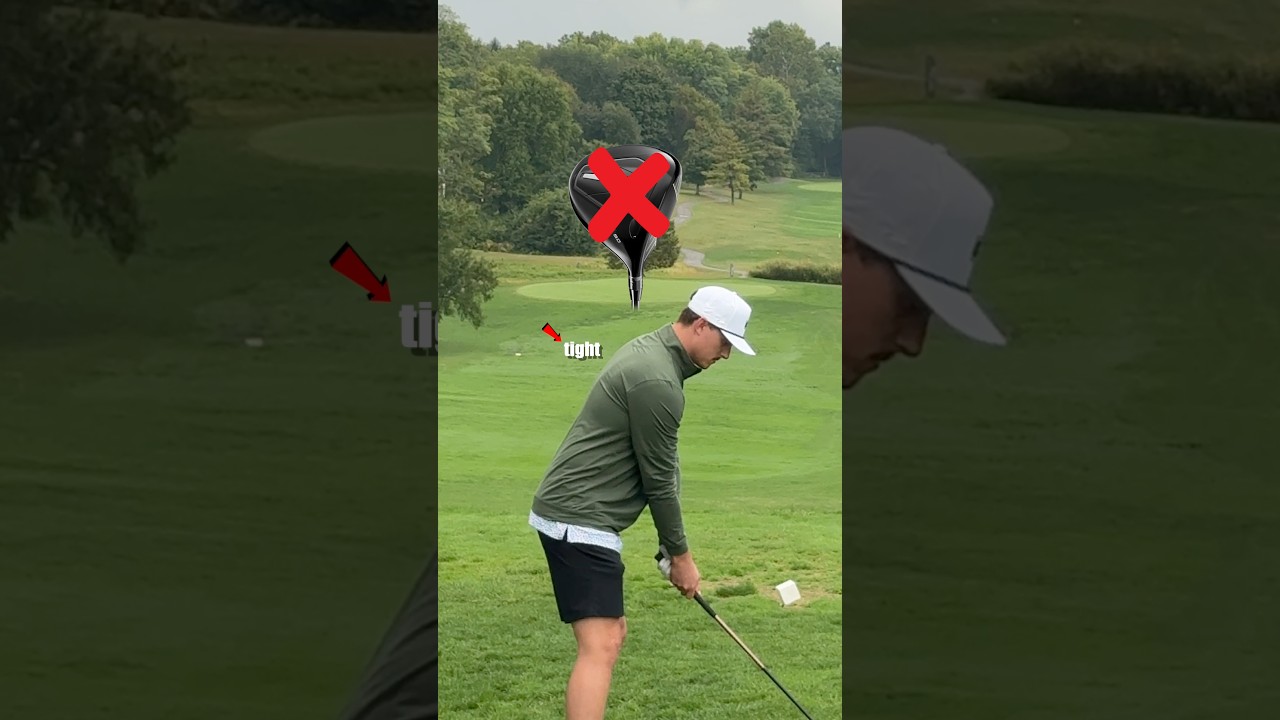
The drive sets the tone for par 4s. A well-executed tee shot reduces the length of your approach and narrows your landing zones. The goal is accuracy first, distance second, especially on courses with tight fairways or early hazards.
- Prioritize fairways over distance: If you’re between clubs or dealing with a windy day, club down to hit a controllable one which keeps your approach options open.
- know the yardage and shape your shot: Use a plan for each hole—fade, draw, or a straight ball flight—to stay in play rather than chasing a signature shot that increases risk.
- Smart targets: Aim for the wider part of the fairway, not the pin. A 230-yard layup to a safer zone can score better than a risky driver into trouble.
- Distance control drills: Practice with a compass drill—pick two landing zones per hole and alternate between them to develop feel for distance control under pressure.
- Club choices by hazards: If a fairway bunker guards the inside, consider a 3-wood or hybrid off the tee to ensure center-line accuracy.
Drive Zone-by-Zone: Quick Reference
- Open fairways with no major rough: take a fuller swing to maximize distance while keeping control.
- Tight fairways or doglegs: aim for the center of the fairway and shape the ball to avoid trouble.
- Wind into the face: keep the ball low and run it to the center of the green using a punch or low-trajectory shot.
Iron Play and Approach into Greens
Your approach shot is where you convert those short par 4s into solid scoring opportunities. Precision and distance control are king.The aim is to leave yourself with a workable birdie putt or, at minimum, a routine par.
- Distance control and yardage discipline: Use a simple, repeatable pre-shot routine to commit to a target distance without overthinking.
- Shot shaping for risk management: Consider a controlled draw or fade to land softly on the green, reducing the chance of rolling off the back or into hazards.
- Target landing zones: Visualize a landing spot on the green rather than aiming directly at the pin. This keeps your approach in play and reduces three-putt risk.
- Greens reading and speed control: Learn a consistent pace on all greens. Airmail the hole with too much pace and you invite three-putts; ease off on pace and avoid lag-less close misses.
Distance Control Drills for Iron Play
- Target proximity drill: Choose a flag or target and practice hitting within a 10- to 15-foot circle around it from varying distances (120–170 yards).
- Partial swing progression: Practice 75–85% swings to simulate tight approach lies and wind adjustments without sacrificing tempo.
- Landing zone discipline: Use range cones or towels as landing targets; repeat until your ball consistently lands within the zone.
Short Game and Putting on par 4s
A strong short game is frequently enough the deciding factor on par 4s. When you miss the green,your ability to recover with chip-and-run,flop shots,and solid putting can save several strokes per round.
- Chipping consistency: Prioritize keeping the clubface square and using a simple technique (heavy side, light-weight weight transfer) to generate predictable results.
- Pitch vs. chip decision: Choose a high soft-landing pitch only when the lie is favorable and the green is receptive; otherwise, default to a low-running chip to control speed.
- Bunker play: practice bunker exits with a simple, repeatable swing that keeps the ball under control and leaves a manageable putt.
- Putting strategy: read greens by scanning from multiple angles, check slopes, and commit to a pace that matches the green speed for the day.
Putting Drills to Lower Stroke Count
- Three-foot ladder: Make three,four,five consecutive putts from 3,4,and 5 feet. If you miss, restart with the shortest distance.
- Distance control ladder: putt from 8, 12, and 16 feet and aim to leave the ball within a two-foot circle around the hole each time.
Course Management and Mental Approach
Strategic thinking on par 4s reduces risk and creates more scoring opportunities. The mental game matters as much as the swing, especially when navigating trouble on a hole or when rounds become rigid and confidence dips.
- Course map mindset: Before each tee shot, visualize the entire hole, including hazards, preferred landing zones, and the likely approach shot into the green.
- risk-reward calibration: If a hole offers a clear birdie chance only with a risky shot, weigh the odds: is par safer and more consistent?
- Streak management: Build a routine that keeps you calm after mistakes. A brisk, steady pre-shot routine helps maintain tempo and minimizes the impact of a bad shot.
- Adaptive practice: Shift focus from power to precision during practice rounds, especially when the course demands accuracy over distance.
Practical Tips and Quick Wins
- Pre-round checklist: Align your equipment, confirm yardages, and pick a safe target on each par 4 to set up your approach.
- one-goal per hole: Decide on one primary objective for each par 4 (e.g., hit the fairway, hit the green with your approach, or get up-and-down from a specific zone).
- Tempo over power: A smooth, repeatable tempo reduces mis-hits and improves accuracy off the tee and with irons.
- Breath and balance: Use a calm breathing pattern on every shot to maintain balance and rhythm through the swing.
Case Studies: Real-World Examples of Breaking 90 on Par 4s
Case Study A – The Converter
A player with a 24-handicap struggled on par 4s, averaging 2.5 putts per green and a 40% fairway hit rate. After six weeks of focused practice emphasizing driving accuracy, precise iron distance control, and a more conservative short game plan, the player moved from averaging 92–95 to consistently flirting with 90 or below on round days. The key changes included:
- On-par-4 strategy: Aimed for the center of every fairway and selected clubs to ensure a 140–170 yard approach on most holes.
- Approach refinement: Practiced 150-yard mid-irons with a two-ball drill to establish a predictable landing zone.
- Short game steadying: Implemented a one-putt-from-8–12 feet target routine for urgent par-savers.
Case Study B – The Converter’s companion
A higher-handicap player (28 HCP) found most trouble on greens around the 350-yard par 4s, especially when wind challenged accuracy. A course-management plan and routine change led to a notable improvement:
- Distance-by-hole planning: Created a simple map of each par 4 measuring yardage and hazards, with a preferred safe landing zone mapped for every hole.
- Green-side practice: focused on chipping and bunker play to build confidence from around the greens.
- Mental reset: Pre-shot routine lengthened,emphasizing a pause between approach and putt,reducing rushed strokes on the green.
Firsthand Experience: Lessons from the Club
Many golfers report that the moment they start prioritizing accurate tee shots on par 4s, their scores begin to drop. My own experience mirrors this: when I stopped trying to overpower every hole and instead aimed to keep the ball in play and in positions I coudl trust, my par-4 performance improved dramatically. The practice routine that helped me most included a simple three-part sequence for each par 4:
- Set a clear target line from tee to fairway center.
- Identify two safe landing zones and choose one based on wind and hazards.
- Commit to an approach plan that aligns with the chosen landing zone, then execute with a repeatable swing.
Quick Reference Tools: Tables for par 4 Strategy
par 4 Scoring Zone Table (wp-block-table)
| Distance to Green (yds) | Recommended Strategy | Club Considerations | Common Mistakes |
|---|---|---|---|
| 200–230 | Go for the green where safe; consider a controlled iron or hybrid if hazards loom | 5-iron to 3-wood depending on wind; aim for center-left of green | Overestimating distance; pulling or pushing shots |
| 230–260 | Prefer landing on the green with a high-percentage iron or hybrid | Hybrid or long iron; focus on soft landings | Rushing the swing; not picking a landing zone |
| 260–300 | Evaluate risk; lay up to a pleasant approach zone if needed | Fairway wood or driving iron; prioritize accuracy | Going for a hero shot into trouble |
| 300+ (rare on many courses) | Risk assessment; target a safe fairway position or layup | Hybrid or fairway wood with controlled swing | Neglecting wind and hazards; poor plan |
Green-Side Checklist Table (wp-block-table)
| Checklist | Purpose |
|---|---|
| Read from multiple angles | Gauge slope and speed accurately |
| Pick a pace that matches the green | Prevent three-putts and lag misses |
| Visualize your first two putts | Set up a confident, clean stroke |
Optimizing Your Roadmap to Break 90 on Par 4s
If you’re aiming to break 90, combine the above insights into a practical, repeatable plan for your next round. Start by selecting a couple of par 4s that tend to cause you the most trouble and create a micro-plan for them. For example:
- Hole-specific targets: Mark a safe landing zone on the fairway and visualize the approach shot.
- Club-amiable approach: choose a club that you can reliably hit the right distance with,even under pressure.
- Green-contest pace: Commit to a putting pace you can reproduce on all greens.
Over time, your practice should mirror your scoring goals. You’ll gradually see fewer big numbers on par 4s, more greens in regulation, and a healthier number of up-and-downs when you miss green.The overall result is a more consistent score and, perhaps, a breakthrough to breaking 90 on your home course.
Frequently Asked questions (FAQ)
- Q: Do I need to hit long drives to break 90 on par 4s?
- A: Not necessarily. consistent accuracy and solid iron play often provide more scoring opportunities on par 4s than raw distance alone, especially on tighter courses.
- Q: How many putts per round should a player aiming to break 90 expect?
- A: Many players who break 90 shoot in the mid-30s for putts per round.Improving greenside touch and speed control can definitely help reduce putts.
- Q: What’s the single best drill for par 4 efficiency?
- A: A two-ball drill for distance control from 120–170 yards combined with a center-line tee shot practice often yields the greatest return in a short period.