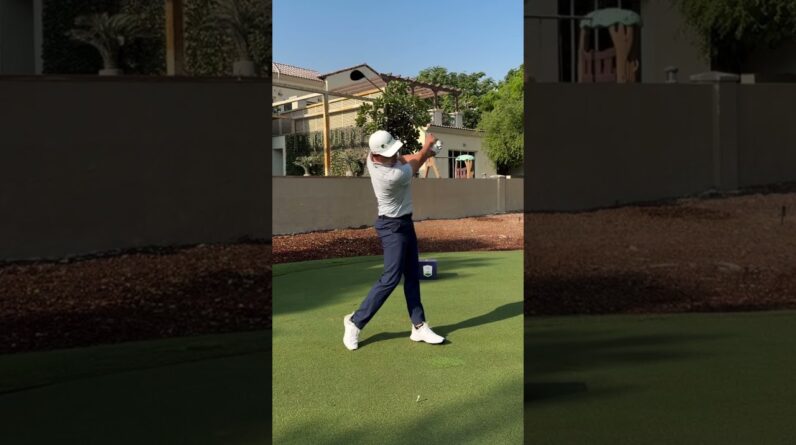

Lack of hip rotation Through Impact Causing pushes: How to Diagnose,fix,and Build Power
When a golf ball consistently starts right or travels with little distance,many players blame their hands or arms. Yet the real culprit frequently enough lies in the hips—specifically, a lack of hip rotation through impact. This biomechanical issue can stall power, disrupt timing, and produce pushes that frustrate your rounds. In this article, you’ll learn why hip rotation through impact matters, how to identify the problem, and practical drills and training strategies to restore a clean, powerful ball flight.
Understanding hip rotation and impact in golf
In a classic golf swing, the hips load on the backswing, then rotate through the downswing and through impact to help transfer energy from the ground up to the ball. Efficient hip rotation aligns the pelvis, spine, and shoulders so the clubface meets the ball squarely on the intended path. when hip rotation through impact is limited, the upper body can “take over,” causing pushes, loss of distance, and inconsistent ball flight.
Key concepts to keep in mind:
- Pelvis-to-tloor sequencing: The hips should rotate toward the target before or during the early downswing to create space and maintain a stable spine angle.
- Rotation vs. slide: Rotation is a rotary movement; excessive lateral movement (sliding the hips) often results in range of motion loss and poor impact position.
- Through-impact alignment: A well-timed hip turn sets the downstream body (torso, arms, hands) in a position to deliver a solid strike.
Common causes of a lack of hip rotation through impact
Several factors can contribute to reduced hip rotation at impact. Identifying the root cause helps you choose targeted fixes rather than just “trying harder.”
- Poor setup and posture: A stiff spine angle or excessive knee flex can limit hip mobility and the ability to rotate through impact.
- Over-rotation of the upper body too early: If the shoulders and arms unwind before the hips, the hips don’t contribute their share of power.
- Inadequate hip mobility: Limited internal rotation or hip flexor versatility reduces the range of motion available at impact.
- Early extension or reverse spine angle: If the lower body straightens too soon, the hips can stop rotating and the club path becomes steep or pushed.
- Weak posterior chain and glutes: Underactive hips fail to drive the rotation necessary to square the clubface at impact.
- Ball position and weight transfer issues: If weight doesn’t flow correctly to the lead side, the hips stall and rotation stalls with them.
Signs that you have a lack of hip rotation causing pushes
Recognizing the pattern helps you intervene quickly.Look for these common symptoms:
- Ball flight starts right (for right-hand golfers) or curving toward the right with less draw: This is a classic push caused by a path that is too far right and a clubface that rarely gets square at impact.
- Insufficient distance despite hard swings: You might be swinging with your arms and chest, not using equal and opposite hip rotation to generate torque.
- Late hips,early arms: The upper body unwinds before the hips complete their rotation,producing a pushed shot and misaligned impact.
- Inconsistent contact or heel strikes: Without adequate hip rotation, contact can be inconsistent as the swing path widens at impact.
Benefits of proper hip rotation
Correct hip rotation through impact yields multiple positive outcomes beyond avoiding pushes:
- Improved power and distance: The hips generate torque and help release stored energy efficiently.
- Better swing path and clubface control: A stable hip sequence promotes a more consistent swing plane and square face at impact.
- Enhanced balance and stability: Proper sequencing reduces the risk of sway or slide and helps maintain posture.
- shot-shaping versatility: With reliable hip rotation, you’ll be able to shape shots more effectively (fade, draw, punch).
Practical tips to improve hip rotation through impact
Below is a practical framework to diagnose, train, and integrate better hip rotation into your golf swing. Use a combination of drills, setup adjustments, and conditioning to build lasting change.
1) Setup and posture refinements
- Stand taller with a slight knee flex and balanced weight distribution. Avoid over-tilting or excessive spine angle at address.
- Place the ball a touch forward in the stance for longer clubs and slightly back for shorter clubs to encourage proper hip sequencing.
- Maintain a neutral pelvis position at address; avoid pre-rotating the hips too far toward the target before the swing.
2) Drills to promote hip rotation through impact
These drills emphasize sequencing,rotation,and muscle memory. Do 2–3 sets of 8–12 reps, 3–4 days per week as part of a practice routine.
- Split- stance hip turn drill: Stand with feet shoulder-width apart. Place the trail foot slightly back (split stance). On a slow practice swing, feel the trail hip rotate toward the target before the lead hip initiates its rotation. This helps you feel the correct sequencing and reduces early upper body movement.
- 90-degree standstill drill: without a full swing, rotate the hips to a 90-degree turn and then try to keep the torso quiet while the club reaches impact. Focus on hip-driven rotation rather than arm pull.
- Pelvic tilt and brace drill: Stand tall, slightly tilt the pelvis forward (anterior tilt) to engage the glutes and core. Brace the core and rotate the hips through impact while keeping a stable spine angle. This drill reinforces proper hip engagement.
- Wall-side hip rotation drill: Stand close to a wall with your lead hip about 6 inches from it. During the swing, your lead hip should brush the wall as it turns, nudging you to rotate rather than slide.
3) Mobility and strength work for lasting change
- Hip internal rotation mobility: Perform controlled internal rotation stretches (lying on your back with knee bent at 90°, gently rotate the knee inward) to improve hip socket space.
- Glute activation: Clamshells, glute bridges, band-resisted side steps help awaken the glutes to power hip rotation.
- Core stability: Planks, dead bugs, and anti-rotation drills support maintaining posture during rotation.
- Dynamic warm-ups: incorporate leg swings, hip circle mobility, and thoracic spine rotations before practice to prepare hip-driven rotation.
4) Video analysis and feedback
Record slow-motion clips from down-the-line and face-on views. Look for:
- Whether the pelvis initiates rotation before the arms
- Whether the trail knee flexes and the lead knee stays stable during impact
- If the clubface is square to target at impact and the swing path isn’t excessively to the right
Training plan and practice routines
Consistency is key. Use a simple 3-week plan to install the concept of hip rotation through impact.
- Week 1 – Awareness and foundation: Focus on setup, posture, and the first two drills. Perform mobility work daily (10–15 minutes).
- Week 2 – Sequencing and feel: Add the 90-degree standstill drill and wall-side drill. Start with half-swings,then progress to full swings with emphasis on hip initiation.
- Week 3 – Integration and play-ready: Combine drills with on-course practice, using tee shots to test changes. Track ball flight changes and note improvements in consistency.
Case studies: real-world examples
Case Study 1: The Push That Won’t Quit
A 38-year-old amateur golfer found his ball consistently pushed to the right with limited distance. After a video analysis, he discovered the hips were not opening through impact, and his upper body unwound early. he focused on the split-stance hip turn drill and the 90-degree standstill drill,added glute activation exercises,and incorporated mobility work. Within three weeks, his pushes diminished, and his dispersion tightened with more distance and a more reliable draw when desired.
Case study 2: From Slab to Spin
A competitive junior golfer struggled with an overly aggressive weight shift that caused late hip rotation and a push. The coaching plan emphasized maintaining spine angle,feeling the hips rotate first,and balancing weight transfer to the lead foot. After applying the pelvic brace drill and wall-side drill, the golfer reported better contact and a more solid impact position, resulting in more consistent scores in practice rounds.
First-hand experiance: a field note from the author
As a coach who watches hundreds of swings, I’ve seen a common pattern: players improve distance and accuracy when they learn to let the hips lead without losing spine angle. In my own practice, I once struggled with a persistent push that looked like a tailwind for the clubhead to the right. Once I slowed down the swing, focused on the hips rotating through impact, and reinforced the drills above, I regained ball-striking confidence.The difference wasn’t about “more powerful hands” but about harnessing the hips’ rotational energy at the exact moment of impact.
Tables: drills, focus, and progress
Use the table below to track your drills and progress. It uses standard WordPress table styling classes for compatibility with moast themes.
| Drill | Focus | Setup | Steps | Progress Indicator |
|---|---|---|---|---|
| Split-stance hip turn | Hip sequencing | split stance, feet shoulder-width apart | rotate trail hip toward target first, then lead hip; maintain spine angle | Begin with feeling hips rotate; move to full swing |
| 90-degree standstill | Impact timing | Address position; no full swing | Rotate hips to 90 degrees, hold torso quiet, simulate impact | Improved impact feel; less arm-dominant |
| Pelvic tilt and brace | Core engagement | Neutral spine; slight anterior tilt | Brace core, rotate hips through impact | Stable spine angle; consistent impact position |
| wall-side rotation | Rotation vs. slide | Stand near a wall; lead hip near wall | Rotate hips to brush wall during swing | Less sliding; more rotation |
Common misconceptions and expert tips
- Misconception: “Strong hands compensate for poor hips.” Reality: Efficient hip rotation reduces the load on the hands and arms and improves consistency.
- Misconception: “If the hips rotate, you’ll sacrifice speed.” Reality: proper hip sequencing can increase clubhead speed by generating clean torque through impact.
- Tip: Start slow, then progressively increase tempo as your motor memory adapts. Quality over quantity is crucial during the early phases.
Frequently asked questions (FAQ)
- Q: Can a lack of hip rotation cause injuries?
A: Yes, poor sequencing can place extra stress on the lower back and shoulders. Correct hip rotation reduces compensations and improves safety. - Q: How long does it take to see improvement?
A: Most players notice measurable changes in 3–6 weeks with consistent practice and mobility work. - Q: Should I seek a coach for personalized assessment?
A: A trained coach can provide video feedback and tailored drills for your swing plane and body mechanics.
Conclusion
Lack of hip rotation through impact is a common culprit behind pushes, reduced distance, and inconsistent ball flight.By understanding the role of the hips in the kinetic chain, identifying your specific swing patterns, and implementing targeted drills, you can restore efficient sequencing and enjoy more robust, repeatable shots. Combine practice drills, mobility work, and thoughtful setup adjustments to train your body to rotate through impact with power and precision. Remember: the hips aren’t the flashy star of the swing, but they are the engine that drives accuracy and distance. With patience and persistence, you can turn pushes into solid contact and enjoy a more confident, enjoyable game.