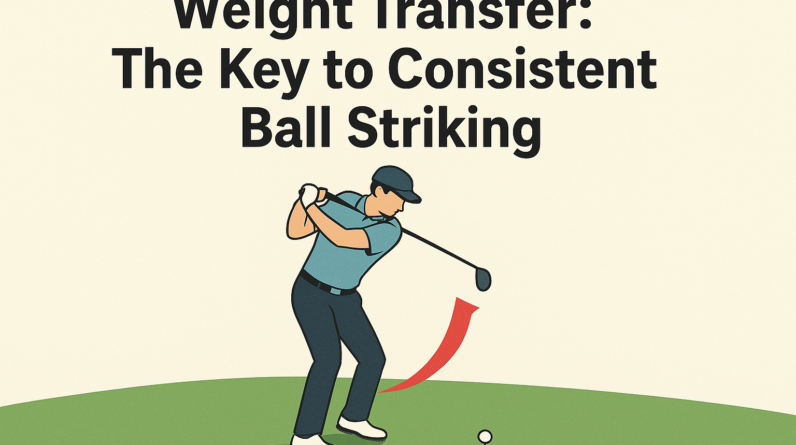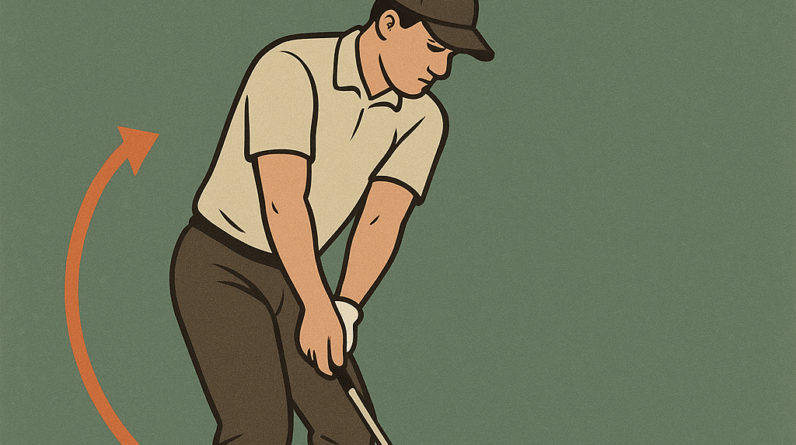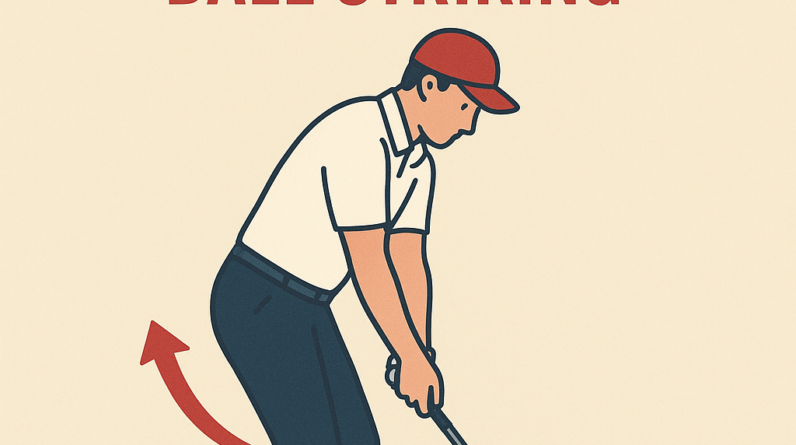

Weight Transfer: The Foundation of Consistent Ball Striking
Today we’re focusing on one critical aspect of the golf swing that often makes the difference between solid contact and mishits: weight transfer. Think of it as the engine behind a clean strike. If you can move your weight smoothly from the back foot to the front foot through impact, you’ll jar strikes more consistently, maintain balance, and control your distance better.
What the concept is
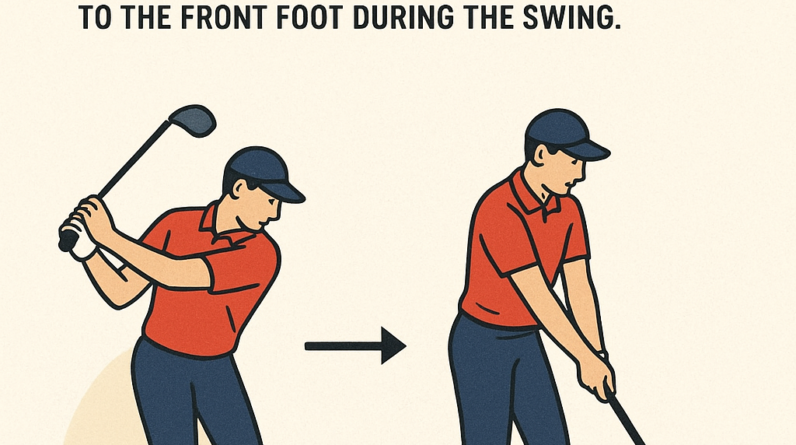
- Weight transfer is the process of moving your center of mass from the trail (back) foot to the lead (front) foot during the swing, especially from the backswing into the downswing and through impact.
- It isnures the lower body contributes to the strike, not just the arms. When timed well, your hips rotate toward the target while your weight shifts forward in a controlled sequence.
- At impact, the majority of your weight should be on the lead foot, with the trail foot providing balance and support as you complete the swing.
Why it matters to the golf swing
- Improved contact: proper weight transfer helps you strike the ball more consistently, reducing mishits like fat, thin, or chunky shots.
- Better solidness and distance control: a stable, forward shift promotes compressing the ball and more predictable ball flight.
- Enhanced balance and posture: staying connected through the lower body keeps your upper body from getting out of sync.
What you should feel when doing it correctly
- Load into the trail foot in the backswing—feel a slight stretch and drive of the hips away from the target.
- In the downswing, feel your weight moving smoothly toward the lead foot and your lead hip rotating toward the target.
- At impact, your weight is on the lead foot with the trail heel light or off the ground, and your head remains relatively steady over the ball.
- Finish with your chest and hips facing the target and most of your weight on the lead foot.
2–3 common mistakes golfers make with this concept
- Mistake 1: Not transferring weight at all — You stay on the back foot too long and hit behind the ball or “flip” with the arms.
Fix: Feel a deliberate shift onto the trail foot during backswing and a steady, forward move to the lead foot through impact. Practice with half-swings to emphasize the weight move. - Mistake 2: Weight shifting too early — You “fire” the hips and shift weight before you start the downswing, causing early contact or loss of lag.
Fix: Pause the backswing, then initiate the downswing with a controlled hip rotation while letting the weight flow forward—no rushing. - Mistake 3: Swaying rather than turning — Your hips slide laterally instead of rotating toward the target, tossing off balance and timing.
Fix: Keep your hips under your shoulders and rotate, not slide. Practice with feedback from a mirror or club on the belt line to cue rotation over slide.
One simple practice drill you can do at home or on the range
The Weight-Shift Pump Drill
- Take your stance with a mid-iron or a 7-iron. No ball is necessary at first. Stand tall and relaxed, with light grip pressure.
- Short backswing: raise the club to about chest height and pause. Feel your weight loading onto the back foot.
- Downswing pause: begin the downswing and pause just after contact with the ball position (or imaginary impact line). At this pause, actively feel your weight shifting toward the lead foot and your lead hip turning toward the target.
- Repeat 6–8 times, keeping tempo slow and controlled. Focus on balance, quiet hands, and a smooth transfer of weight from back to front.
- Progress: add a ball and perform the same half-swings with a light, centered contact feel. If you have a mirror or can film yourself, use it to confirm your weight is moving forward rather than sideways or stopping mid-swing.
Tip: keep your head steady and your spine relatively vertical. The goal is a quiet, deliberate weight shift, not a sudden lunge or a big hip slide. Aim for a comfortable rhythm—about a two-beat feel from backswing to impact.
Weight Transfer: The Foundation of Consistent Ball Striking
What is weight transfer adn why it matters
Weight transfer,in the context of ball striking,refers to the intentional shifting of your body weight from one region to another during the swing or stroke. This movement is not random; it follows a coordinated sequence that engages the lower body, core, and upper body in a kinetic chain. When weight transfers correctly, you maximize energy transfer from the ground through the hips and torso into the arms and hands, delivering a cleaner contact, higher ball speed, and more consistent impact.n
Effective weight transfer involves three core ideas:
- Stance and balance: A stable base allows for a controlled transfer rather than a loss of balance.
- Sequencing: A deliberate order of movement—ground reaction forces, hip rotation, torso rotation, then arm acceleration—ensures efficient energy transfer.
- Timing: The transfer should occur at the precise moment of contact to maximize momentum and minimize mishits.
Why weight transfer matters for ball striking
Consistent ball striking hinges on repeatable mechanics. Proper weight transfer helps players generate power without over-reliance on arm strength, reduces the risk of early or late releases, and improves touch and control across different shot types. The benefits span multiple sports, including golf, tennis, baseball, and cricket, where the same physical principles apply in different forms.
- increased clubhead or bat speed by leveraging ground force through the kinetic chain.
- Improved contact quality, reducing mishits and off-center strikes.
- Greater consistency across varying shot lengths, speeds, and ball types.
- Enhanced balance and posture under fatigue, extending performance late in a session.
The biomechanics behind weight transfer
To understand how to optimize weight transfer, it helps to visualize the body as a linked system where forces flow from the ground up. Here are the key biomechanical concepts involved.
Ground reaction forces and the base of support
Every movement starts wiht the feet. A solid connection to the ground allows you to push off efficiently. The ground reaction force travels upward through the legs, activating the hips and core before reaching the upper body. A dynamic stance, not a rigid one, enables you to absorb and redirect forces as you move toward impact.
kinetic chain and sequencing
The kinetic chain refers to the chain of body segments that transmit energy during a stroke. Efficient weight transfer follows a sequence: foot planted → ankle and knee extension → hip hinge and drive → torso rotation → shoulder and arm acceleration → hand release and contact. When any link in the chain slows down or clashes, momentum is lost and strike quality declines.
hip rotation, torso torque, and arm timing
Hip rotation initiates the movement and sets the tempo. The hips drive the turn, the torso stabilizes and adds torque, and the arms then release energy toward the impact zone. The timing among these segments is critical; a late arm swing or early hip turn can rob speed and precision from the stroke.
The choreography of a perfect strike: timing and stance
Breaking down the swing or stroke into setup, transition, and impact helps players internalize weight transfer without overthinking.A repeatable rhythm is often the most reliable driver of consistency.
Setup and posture
- Balanced, athletic stance with knees slightly flexed and weight distributed evenly between both feet.
- Low center of gravity with a slight forward lean from the ankles, not the waist, so you can react to the ball path.
- Eyes level,head stable,and shoulders relaxed to allow free movement through the torso.
Transition and acceleration
- As the ball approaches, transfer weight onto the back foot and prepare to shift toward the front foot at impact.
- Initiate the move with the hips, followed by the torso and arms in a smooth, continuous flow.
- Use a brisk but controlled hip-to-torso rotation to generate forward momentum into the contact point.
Impact position and follow-through
- Hit the ball with a stable lower body while the upper body finishes through the shot.
- Maintain posture through impact to avoid early extension or collapse.
- Finish with a balanced,athletic follow-through that mirrors the direction of the strike.
Drills to improve weight transfer
Practicing targeted drills helps encode the sensation of proper weight transfer into muscle memory. Below are practical drills you can perform on the range, court, or field. Use the WordPress-friendly table to keep track of drills and progress.
| Drill | What it trains | Key cue |
|---|---|---|
| Step-Through Drill | Forward weight transfer from back foot to front foot with a short swing | push off the back foot, land on the front foot |
| T-Pivot Drill | Hip rotation and torso timing | Pivot hips first, rotate torso second |
| Wall Drill (without a ball) | Pathing and balance while transferring weight | Keep contact with wall, slide weight smoothly from back to front foot |
| One-Arm Swing Drill | Sequencing and arm timing focused on weight transfer | Lead with hips, allow arms to follow |
| Slow-Motion Rehearsal | Slow down the movement to feel each phase | Feel weight shift at each phase: setup, transition, impact |
Tip: Start slow to feel the sequence, then gradually increase speed while maintaining control.
Common mistakes and fixes
- Fix: Initiate weight transfer earlier with a deliberate hip-dip or knee flexion shift toward the rear foot at the appropriate moment.
- Mistake: Over-rotation of the torso without matching hip drive.
- Fix: Sync hip rotation with torso twist; avoid leading with the shoulders alone.
- mistake: Loss of balance in contact due to rigid knees.
- Fix: Soften the knees slightly and maintain a connected, athletic posture to absorb and redirect energy.
- Mistake: Early extension of the spine at impact.
- Fix: Maintain a level head position and keep the lower body engaged through impact to prevent collapsing posture.
Benefits of proper weight transfer
- Higher ball speed without overusing arm strength.
- improved contact quality and consistency across shots.
- Better control over shot shape and direction.
- Enhanced stability under pressure and fatigue resistance.
- Adaptive performance across different playing surfaces and wind conditions.
First-hand experience and case studies
Case studies from players across sports illustrate how embracing weight transfer transforms performance. Here are brief narratives from real-world experiences:
Golf: From slice to solid contact
A mid-handicap golfer struggled with a consistent push toward the ball and a noticeable loss of speed at impact. After focusing on a deliberate weight transfer sequence—settling weight on the back foot during backswing, then shifting through the hips toward the front foot at impact—the golfer reported crisper contact and tighter dispersion. Gains were most evident on mid-to-long irons, where a compact, powerful transfer produced more penetrating ball flight.
Tennis: Aggressive baseline rally with rhythm
A competitive junior tennis player corrected a tendency to pull the weight onto the front foot too early. By emphasizing a controlled transfer—hips driving initially, then torso and finaly the arm—forehand speed increased, and timing improved. The player noted fewer off-center hits and better consistency when returning heavy serves.
Baseball: Power with balance
A high school hitter often leaned back, losing balance and rapping at the ball. Implementing a drill sequence that rewarded a smooth weight shift from the back foot to the front foot during the swing improved bat speed and on-plane contact. The hitter gained confidence in driving balls to all fields rather than leaning into pull-side shots.
Weight transfer across sports: practical applications
While biomechanics remain consistent, the application differs by sport. Here’s a concise guide to adapting weight transfer principles to four popular disciplines:
Golf
- Base setup with equal weight distribution,then deliberate transfer to the front foot during the downswing.
- Emphasize hip-driven rotation to start energy flow, not arm dominance.
Tennis
- Use a stepped or pivot-based approach to transfer weight into the split-step and into the shot.
- Focus on dynamic footwork to maintain balance through rapid lateral movements.
Baseball
- From load to stride: load weight to the back leg, then explode toward the pitch with hip and trunk rotation.
- Keep a slight knee bend and core engagement to maintain control through contact.
Cricket
- Weight transfer complements the forward bat path and body alignment into the ball.
- Balance and timing are crucial when facing varied bowl speeds and lines.
Practical tips for training weight transfer
- Record your swing or stroke with a mirror or video to visualize weight shift patterns.
- Install a simple cadence: setup, load, shift, strike, finish. Repeat with controlled tempo.
- Use staggered stances (one foot forward) during practice to feel the weight transfer in different baselines.
- Include single-leg work to build balance and force production through the legs.
- Track progress with measurable cues: distance of contact, ball speed, and dispersion, not just power.
- Warm up with mobility and activation drills for hips,glutes,and core to ensure efficient transfer from the start.
Frequently asked questions
- Q: Can I achieve consistent weight transfer without strengthening the upper body?
- A: Yes,by prioritizing a solid base,proper sequencing,and leg/hip-driven momentum. Strength training can support stability and speed, but technique and timing are the foundation.
- Q: How do I know I am transferring weight correctly?
- A: Look for a clean sequence where the back foot unloads into the front foot at impact, a stable upper body, and a balanced finish. Video analysis can help confirm biomechanical cues.
- Q: Does weight transfer differ for beginners versus advanced athletes?
- A: The principles stay the same, but beginners benefit from slower tempos and simpler sequencing to build confidence, while advanced athletes optimize tempo and micro-adjustments for precision.
- Q: is weight transfer more critical in fast-paced sports or slower, precision-based sports?
- A: It’s crucial in both. In fast-paced sports, transfer happens quickly and must be timed precisely; in precision sports, the sequence guides control and consistency.