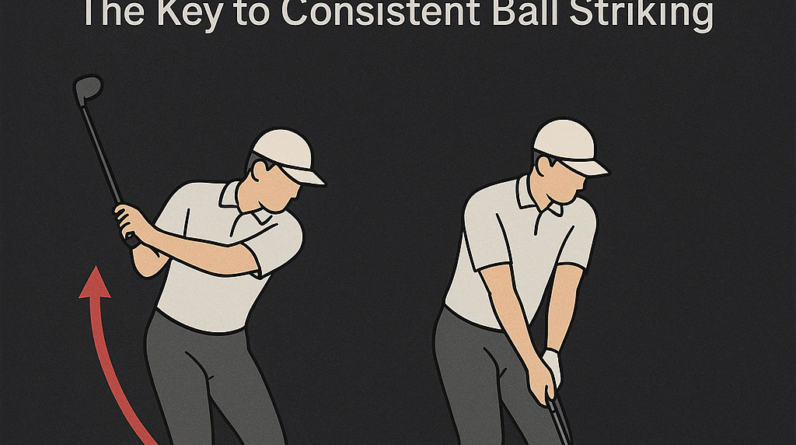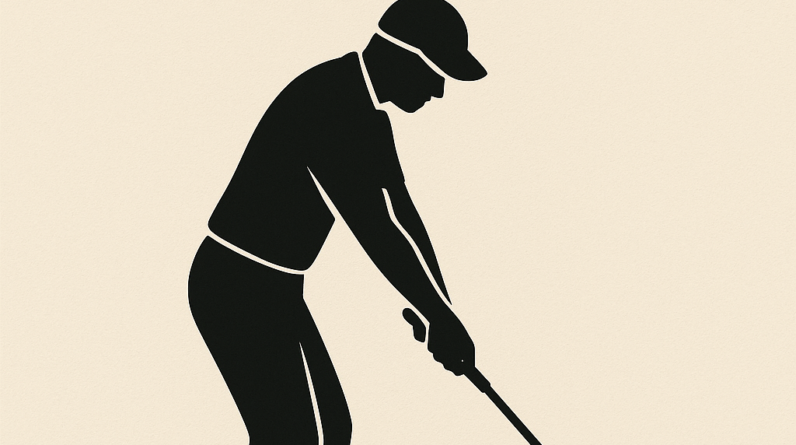

Weight Transfer: The Engine of Consistent Ball Striking
What the concept is
- Weight transfer is the deliberate movement of your body weight from the trail foot to the lead foot as you swing. For a right-handed golfer, that means shifting from the right foot toward the left foot, especially from the downswing into impact.
- Think of it as a controlled “loading” of the clubhead in the backswing and a purposeful “unloading” through impact. Proper weight transfer helps you deliver the club with solid contact and consistent speed.
Why it matters to the golf swing
- Better contact: When your weight moves forward at the right moment, you’re more likely to strike the middle of the clubface.
- Improved distance and accuracy: A forward-weighted, well-timed transfer helps you compress the ball and reduce mishits.
- Balance and rhythm: You stay centered over the ball, making it easier to finish with control rather than wobbling off-balance.
What the golfer should feel when doing it correctly
- Setup: You start with a fairly balanced stance, slight even weight distribution across both feet.
- Backswing to downswing: You “feel” the weight gradually move toward the lead foot as you start the downswing, not as a sudden lurch.
- At impact: Most of your weight is on the lead foot, with the trail foot providing a stable base. Your hips have rotated toward the target, and your spine angle has remained fairly steady.
2–3 common mistakes golfers make with this concept
- Mistake 1: Staying back too long — the weight stays on the trail foot well into impact, causing fat or thin shots and a loss of power.
- Mistake 2: Weight shifting too early — you lurch forward before your hips rotate, leading to early release and unstable contact.
- Mistake 3: Excessive sway — instead of a stable weight transfer, the body slides sideways, robbing you of solid rotation and balance.
Simple, actionable fixes for each mistake
- Fix for Mistake 1 (staying back): Start the downswing with lower-body rotation (hips) and actively press into the lead foot as you rotate. Cue: “hips first, then hands.” Practice feeling the weight shift by pausing briefly at the moment of impact and verifying most of your weight is on the lead foot.
- Fix for Mistake 2 (shifting too early): Use a 1-2-3 timing cue. From the top, count 1—hips initiating the downswing; 2—weight shifting toward the lead foot; 3—through impact. Pause at the top for a second or two to train the sequence.
- Fix for Mistake 3 (excessive sway): Create a stable base. Practice with a slightly narrower stance and a small towel or stick along your spine to remind you to rotate rather than slide. Focus on keeping your head steady while your hips turn toward the target.
One easy practice drill you can do at home or on the range
- The Slow-Motion Weight-Shift Drill (5 minutes):
- Take your normal address. Keep your spine angle and balance.
- Slowly swing back to halfway (about 50% speed) while feeling the weight settle onto your trail foot.
- Pause for a beat at the top, then swing through to impact, intentionally transferring most of your weight to the lead foot.
- Finish tall and balanced with the weight solidly on the lead foot. Repeat 10–15 swings, maintaining smooth tempo.
Coaching cue to remember
“Hips turn, weight moves, and the lead foot accepts the load.” Keep the sequence clear in your mind, and your strikes will become more repeatable and solid.
Weight Transfer: The Engine of Consistent Ball Striking
Why Weight Transfer Matters for Consistent Ball Striking
Weight transfer is more than a simple shift from one foot to another. It is the coordinated sequencing of posture, balance, and lower-body drive that powers every accomplished contact with the ball. Whether you’re swinging a golf club, driving a baseball, or stroking a tennis ball, the way you move your weight through the stroke determines accuracy, power, and repeatability.
Think of weight transfer as the engine behind the kinetic chain. The feet anchor you to the ground, the hips unleash torque, the core stabilizes, and the arms translate the force into the bat, club, or racquet. When weight transfer is precise, your body works as a single efficient system rather than a collection of isolated parts.
The Science Behind Weight Transfer: ground Reaction Forces and Sequencing
- Ground reaction forces (GRFs): Every step and stance angle produces GRFs that your body uses to generate power. Proper weight transfer channels these forces from the back foot through the hips to the front foot at impact.
- Sequencing: The order in which body segments load, store energy, and release it matters. A typical efficient sequence starts with the trail-side loading, followed by hip rotation, torso turn, and finally lead-side extension at contact.
- Center of gravity and balance: Maintaining an athletic center of gravity helps you stay balanced during dynamic moves, reducing off-center hits and inconsistent ball flights.
- Spine angle and posture: Preserving spine angle through impact prevents early extension or over-rotation, both of which disrupt the transfer of energy to the ball.
In practice, this means you should feel the “loading” in your trail leg, a deliberate turn of the hips, and a confident shift of weight toward the lead foot at the moment of impact.
Core Principles for Practicing Weight Transfer
- Set-up and posture: Neutral spine, athletic knee flex, and a grounded but relaxed stance. Your weight should be evenly distributed at address, with a slight bias toward the trail foot in many sports.
- Load the trail leg: During takeaway or backswing, feel the load building in the back leg. This is your storage of potential energy, not a rigid stance shift.
- Hip and torso sequencing: Initiate weight transfer with a controlled hip turn, followed by torso rotation. This sequencing ensures the energy travels upward and forward efficiently.
- Drive through the lead foot: At impact or contact, the lead foot should be connected to the ground as you transfer energy forward, producing solid contact and consistent ball speed.
- Maintain spine angle: Avoid excessive lean or early extension. A stable spine angle preserves the timing of weight transfer and reduces mishits.
- Breath and rhythm: Breath and tempo help synchronize lower-body action with upper-body timing, reducing swing errors caused by overthinking.
Weight Transfer in Different Sports: Golf, Baseball, Tennis
Golf
in golf, right-handed players typically start with more weight on the trail (right) foot. As the swing progresses, weight shifts toward the lead foot just before impact. The goal is a stable impact with clean ball-first contact, low spin, and solid compression. Proper weight transfer improves consistency,distance control,and shot shaping.
Baseball
Batting requires a deliberate weight shift from the back leg to the front leg as you rotate hips and torso to meet the pitch. A smooth transfer helps you generate bat speed and maintain balance, while preventing timing issues and off-speed misreads.
Tennis
Groundstrokes rely on timing and upper-limb accuracy with a cooperative lower body. Transfer typically starts with a loaded back foot,then pivots through the hips into a forward-weight position for clean,penetrating contact.
Benefits of Proper Weight Transfer
- Enhanced consistency: Reproducible contact across different clubs, pitches, or rallies.
- Increased power with efficiency: Energy stored in the trail leg is released through the core and into the lever (club, bat, racquet).
- Better balance and stability: A connected chain reduces wobble and guards against off-center hits.
- improved timing and tempo: A clear sequence helps you synchronize lower- and upper-body actions.
- Injury prevention: Proper loading and unloading reduces stress on the lower back and knee by distributing force more evenly.
Practical Tips to Improve Weight Transfer
- Slow it down to speed it up: Practice slow-motion swings focusing on the sequence: trail-foot loading → hip turn → torso rotation → lead-foot push.
- Feel the trail-to-lead shift: During drills, pause at the top of the backswing and feel the weight moving toward the lead foot before accelerating through contact.
- Use a posture cue: “Stay down through impact” helps maintain spine angle and keep weight transfer forward rather of upward or backward.
- Foot awareness: Practice with a short stance on a line and a slightly wider stance to train how your feet respond to different movements.
- Tempo controls: Incorporate a metronome or a simple count (e.g., 1-2-3-4) to synchronize loading, turning, and shifting.
- Video feedback: Record from down-the-line and face-on views to verify weight transfer indicators: knee flex, hip rotation, and forward press into the lead foot.
Drills and Practice Routines
Implement these drills to engrain efficient weight transfer. Do them in sets of 8–12 reps, 2–3 times per week, depending on sport and skill level.
In a half-swing, feel the trail knee bend and then push into the lead foot at contact. Focus on a shallow, forward-tilting finish rather than a vertical jump. Start with feet staggered; load on the back leg, rotate hips, and step forward with a firm lead foot to simulate hitting through the ball. In a split stance, rotate hips toward the shot line and transfer weight from the back foot to the front foot as you swing through the ball. Stand with your back foot touching a wall, press into the wall lightly with your trail heel while rotating hips and transferring weight forward, ensuring no excessive lateral slide. Pause just after impact for 1–2 seconds to feel full weight transfer and then relax into the follow-through.
Case Studies and Firsthand Experiences
amateur Golfer Case Study
A 42-year-old golfer struggled with consistency and distance. Video analysis showed late weight transfer and a tendency to flip the wrists at impact, resulting in thin shots and pushed trajectories. After a four-week program emphasizing trail-to-lead sequencing, hip rotation, and maintaining spine angle, the golfer reported:
- 15–20% increase in on-center contact rate
- More repeatable ball flight and improved distance control
- Reduced lower-back strain during long practice sessions
Practical takeaway: Prioritize the transition from loading in the trail leg to driving through the lead foot, ensuring the torso remains on plane and the spine angle is preserved.
tennis Groundstroke Feedback
A recreational player reported inconsistent pace on backhand slices and forehand topspins. Biofeedback indicated inconsistent weight transfer, with excessive weight staying on the back foot and late transfer causing late acceleration. After focusing on a deliberate back-foot load and early hip rotation, the player noted:
- Cleaner contact with more ball-pocket consistency
- Better lower-body engagement, translating to higher shot speed without sacrificing control
- Improved stamina in longer rallies due to efficient energy use
Quick Reference table: Weight Transfer Essentials
A compact reference to remind yourself of the key checkpoints during the swing or stroke.
| Phase | Key Move | Feeling / Cue |
|---|---|---|
| Setup | Balanced weight distribution with slight trail-side bias | “Grounded and ready” |
| Takeaway / Load | Load trail leg; slight hip hinge | “Feel the load in the back leg” |
| Transition | Hip rotation initiates energy transfer | “Turn first, then drive” |
| impact | Weight shifts to lead foot; torso forward into contact | “Lead with pressure on the front foot” |
| Follow-through | Full extension and balance on lead side | “finish strong and balanced” |
Common Mistakes and How to Correct Them
Common Mistakes
- Static weight at impact: Staying on the back foot or collapsing weight backward leads to thin or fat shots.
- Early extension: Standing tall too soon reduces forward energy transfer and disrupts contact timing.
- Over-rotation without transfer: Hip turn without proper weight shift creates misalignment and loss of power.
- Excess lateral slide: Sliding sideways rather than rotating and transferring can cause inconsistency and off-center hits.
Corrective Cues
- “Anchor the trail heel while you rotate the hips forward.”
- “Keep your spine angle constant; think ‘turn and press’ rather than ‘lift and swing’.”
- “Feel the weight flow from the back foot to the front foot at impact.”
- “Imagine stepping into the target with your lead foot as you swing through.”
notes for Coaches and Players
Weight transfer is highly individualized. Factors like limb length, flexibility, and prior injuries influence how you load and unload energy. Use objective feedback (video, launch monitor data, or stop-motion analysis) to tailor cues and drills. The goal is a repeatable sequencing that matches your sport, body type, and playing style.
Additional Resources
- Video analysis tips: how to observe weight shift without relying on feel alone.
- Seasonal drills tailored for off-season conditioning and on-season performance.
- Evidence-based drills focusing on efficiency of the kinetic chain.