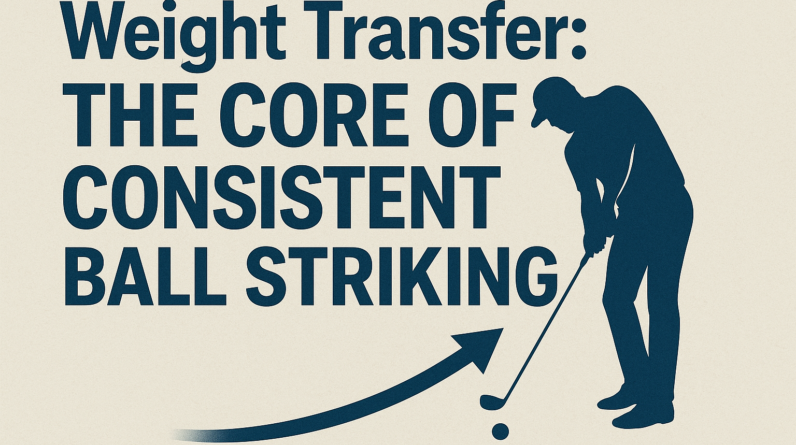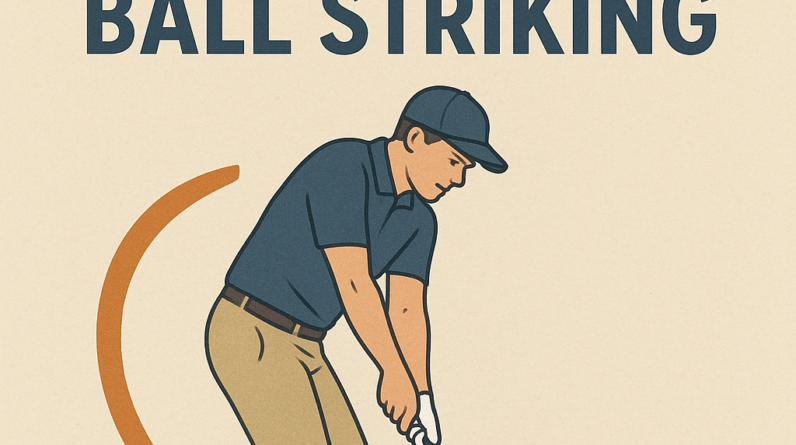

Weight Transfer: The Key to Consistent Ball Striking
Welcome, golfers. Today we’ll lock in a single, essential concept that often makes the biggest difference in contact and distance: weight transfer. Specifically, how your body moves pressure from the trail foot toward the lead foot as you swing through the ball.
What the concept is
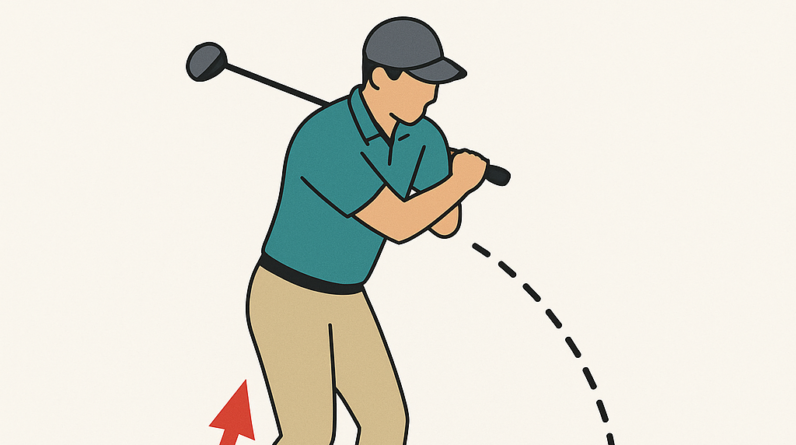
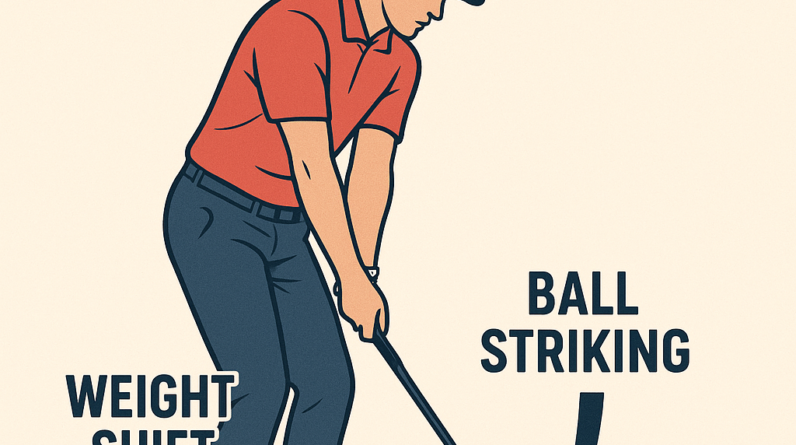
Weight transfer is the controlled shift of your center of gravity from the back (trail) foot to the front (lead) foot during the downswing and through impact. It’s not a big lunge or a head-over-heels move; it’s a smooth hip rotation and leg pivot that places more of your weight on the lead foot as you strike the ball. Done well, this shift helps you compress the ball, control the clubface, and produce solid, repeatable contact.
Why it matters to the golf swing
- Better contact: a forward strike helps you avoid thinning or fat shots.
- More consistency: when weight moves predictably, your strike location and direction become more repeatable.
- Clean compression: transferring weight smoothly promotes solid ball speed with less gear-birdiness (thin shots, hooks, slices).
- Improved balance: finishing with weight on the lead side reduces the chance of tipping or falling away after impact.
What the golfer should feel when doing it correctly
- Setup: your weight is evenly balanced or slightly toward the balls of your feet, ready to move.
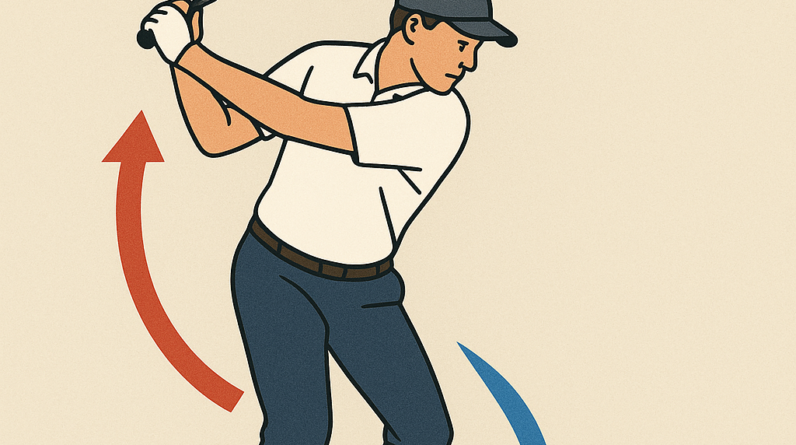
- Start of downswing: your hips begin to rotate toward the target; your weight starts to shift toward the lead foot, not all at once.
- Impact: most of your weight rests on the lead foot; you feel the ground driving you into the shot.
- Finish: your chest faces the target, and your weight is clearly on the lead side with solid balance.
2–3 common mistakes and fixes
- Mistake 1: Staying back too long (clinging to the trail foot)
Symptoms: thin or fat shots, loss of distance, and inconsistent contact.
- Fix: feel a gentle hip turn toward the target and a gradual shift of weight to the lead foot starting early in the downswing. Imagine your belt buckle turning to face the target as you rotate. Maintain spine angle but let the lead foot begin to grab the ground as you rotate.
- Mistake 2: Weight shift happens too early (early lateral slide)
Symptoms: loss of lag, over-quick release, and inconsistent contact.
- Fix: pause your upper body at the top for a moment, then let the hips initiate the downswing. Keep your head steady and let the weight transfer occur as the hips rotate toward the target. Think: hips first, arms follow, weight travels smoothly forward.
- Mistake 3: No transfer through impact (stagnant weight)
Symptoms: shots feel off-center, shots lack speed, and balance is uncertain after impact.
- Fix: commit to a forward-press into the lead side at impact. Use a light cue: “press, rotate, finish.” Practice ending with most weight on the lead foot and a balanced, full finish to reinforce the feel.
One easy drill you can do at home or on the range
Step‑Through Weight-Transfer Drill
- Take your normal setup and take a half-speed backswing.
- As you begin the downswing, imagine your hips and chest turning toward the target first. Your weight should start moving to the lead foot.
- At impact, take a small step toward the target with your lead foot (a light, controlled step). This forces your weight to move onto the lead side and helps you finish with balance.
- Finish with your chest facing the target and your weight primarily on the lead foot. Hold for 2 seconds.
- Do 6–8 reps at a comfortable tempo, then repeat with a full-speed swing when you’re ready.
Focusing on weight transfer is a reliable way to improve contact, distance control, and consistency. Practice the drill with patience, and you’ll often notice crisper ball flights and tighter dispersion within a few sessions.
Weight Transfer: The Key to Consistent Ball Striking
Why Weight Transfer Matters for Ball Striking
Weight transfer refers to the deliberate shifting of yoru body’s mass from the back foot toward the front foot during the
swing or stroke. It is indeed a cornerstone of how athletes generate power, control timing, adn achieve solid ball contact across
sports such as golf, tennis, and baseball. Proper weight transfer isn’t about a single move; it’s a precise sequence that taps
into the body’s kinetic chain—the coordinated connection from the ground up through the hips, torso, arms, and hands.
When weight moves correctly, you create a stable base for the club or racket to strike the ball cleanly.Mismanaged weight
transfer often leads to mishits, thin shots, slices or tops, and inconsistent ball flight. By training how and when to move your
weight, you improve consistency, accuracy, and pace without relying on brute force.
Core Concepts of Effective Weight Transfer
1) The Kinetic Chain and Ground Contact
Every powerful stroke begins at the feet. Ground reaction forces drive momentum up through the legs and hips, feeding energy
into the torso and arms.If your feet stay planted or your weight shifts to early or too late, you short-circuit this chain,
reducing clubhead speed and control.
2) Sequencing: From Ground Up
A well-timed sequence typically starts with a slight loading of the trail leg, followed by a transfer toward the lead leg
as you approach impact. In golf, for example, the back foot should feel like it’s loading into the instep, then progressively
unloads as balance shifts forward. In tennis or baseball, the same principle applies with sport-specific timing.
3) Balance, Stability, and Posture
Stability isn’t about standing rigidly; it’s about maintaining control through the arc of your swing. A stable pelvis,
engaged core, and relaxed shoulders keep the body ready to transfer weight without collapsing or over-rotating.
4) The Role of Hips, Core, and Shoulders
The hips initiate the weight transfer, the core stabilizes the trunk to prevent excess movement, and the shoulders guide the
barrel path.When these segments move in harmony, you maximize leverage and minimize compensations that cause errors.
5) Common Faults and Fixes
- Fault: Early reverse weight shift. Fix: Pause briefly at the top of the backswing, then initiate a controlled transfer toward the front foot.
- Fault: Over-rotation with no lateral shift. Fix: Feel the weight moving diagonally toward the lead foot while keeping the trail knee flexible.
- Fault: Posture breakdown at impact.Fix: Maintain a steady spine angle and let the hips lead the movement, not the arms.
Practical Tips to Train Weight Transfer
- Warm up with light, slow swings or tracks — focus on feeling the weight shift from the back foot to the front foot.
- Practice tempo over power. A smooth, rhythmic transition reduces timing errors and encourages consistent contact.
- Place emphasis on the trail-to-lead progression during your swing study. Video analysis can help confirm the sequence.
- Keep your center of gravity over a stable base. Avoid leaning excessively toward the target or the ball, which can disrupt transfer.
- Use ground feedback. Take practice swings with your feet close to the ground or on a mat to feel how weight moves.
Tip: If you struggle with weight transfer, restrict your range of motion temporarily and work on a smaller, repeatable swing
that emphasizes proper sequencing before gradually increasing speed.
Drills to develop Consistent Weight Transfer
| Drill | What to Feel | Common mistakes Addressed | Duration |
|---|---|---|---|
| Toe-Tap Transfer | Feel weight move toward the lead foot with a light toe tap on the ground. | Early weight shift,no transfer rhythm | 6–8 reps each side |
| Step-Through Drill | step through toward the target after impact,ensuring a forward weight shift. | Staying back or sliding over the lead foot | 6–10 reps |
| Wall Pressure Drill | Back foot lightly presses against a wall while you rotate and transfer weight forward. | Over-rotation with no forward transfer | 8–12 swings |
| 50/50 Split Drill | Hold a 50/50 weight distribution at midway point to feel even load across feet. | Over-reliance on one foot | 5–7 seconds holds, 6 reps |
Benefits of Proper Weight Transfer
- Enhanced ball striking consistency: cleaner contact and more predictable flight.
- Increased power without extra effort: efficient energy transfer translates to higher ball speed with less stress.
- better timing and rhythm: a repeatable weight shift provides reliable tempo across rounds and matches.
- Improved balance under pressure: steadier weight distribution reduces slumps during critical moments.
- Lower injury risk: preserving a natural weight path protects the back, hips, and shoulders from compensations.
Case Studies: Real-world Applications
Case Study 1 — Golf Home Player
A recreational golfer noticed inconsistent contact and left-to-right misses.By focusing on weight transfer sequencing—loading the trail foot in the backswing and gradually transferring weight to the lead foot through impact—the player achieved more solid ball contact and a straighter ball flight. within six weeks, the player reported a noticeable enhancement in dispersion and confidence on the course.
Case Study 2 — Tennis Athlete
A club-level tennis player struggled with off-center forehand shots. Implementing a deliberate weight transfer cue—shift weight forward through impact while maintaining a stable spine—led to more consistent ball speed and improved shot direction. The player experienced fewer off-center hits and a steadier approach to baseline rallies.
first-hand Experience: A Coach’s Viewpoint
In coaching sessions,I watch how athletes carry their weight into the ball. A common moment of hesitation appears as players reach contact—the weight sits on the back foot, the hips stop rotating, and the clubface loses its connection to the target plane. My approach is simple: guide the player through a split-second checklist—feet grounded,hips engaged,spine angle intact,and a deliberate,forward weight shift through impact.The difference is often immediate: smoother tempo, better balance, and a more reliable strike line. The best athletes don’t force power; they optimize weight transfer to deliver power naturally.
Quick Reference: key Takeaways
- Weight transfer is a sequence: load on the trail foot, then shift toward the lead foot through impact.
- Root your swing in a stable base and maintain posture; the hips should lead,not the arms.
- Use slow-motion practice and video feedback to lock in the correct timing.
- Integrate drills that stimulate feel for weight movement without forcing speed.
- Apply the same concepts across sports for consistent ball striking: golf, tennis, baseball all benefit from proper weight transfer.
Frequently Asked Questions
How do I know if I’m transferring weight correctly?
Look for a gradual, controlled shift from back to front foot, a stable torso, and solid contact with the ball. If you’re guessing in the moment or feel the weight lag behind the swing,go slower and use drills focused on sequencing and balance.
Does weight transfer differ by sport?
The core principle is the same: move your weight to maximize leverage and contact. Timing and direction adapt to each sport’s mechanics—golf favors a forward, downward transfer through impact; tennis emphasizes a controlled forward drive as you meet the ball; baseball relies on a dynamic weight shift to generate bat speed and timing.
How long does it take to improve weight transfer?
Improvements depend on how consistently you practice the drills and integrate feedback. Many players notice a meaningful change in 3–6 weeks with regular practice, especially when combining video analysis with targeted drills.