
Beginner Q’s – Swift Golf Posture Guide
Quick Posture Checklist for Beginners
- Stance width: Stand with your feet shoulder-width apart. For longer clubs, you might feel slightly wider; for shorter irons, a touch narrower can help balance. The goal is agreeable stability without crowding the hips.
- Ball position: Align the ball with your stance by club length. As a general rule:
- Driver and long clubs: ball forward of center (roughly off the inside of the front foot).
- Mid irons: Ball near center of stance.
- short irons and wedges: ball slightly back of center.
- Spine angle: Maintain a natural spine angle—think of a slight tilt from the hips, not a hunch.Your spine should feel long and tall, not rounded or overarched.
- Knee flex: Light bend in the knees (roughly a comfortable range around 10–25 degrees). Avoid locking the knees or standing rigid.
- Weight distribution: Balanced on the balls of your feet with a light, athletic feel.You’ll typically feel a touch more weight toward the lead foot as you prepare to swing—this helps with rotation and transfer through impact.
- Shoulders and alignment: Shoulders, hips, and feet should align parallel to your target line. Your chin should be up enough to keep your head level, but not pitched forward or tilted excessively.
- Arms and grip: Arms hang naturally under your shoulders with a relaxed grip. Your wrists should hinge naturally during the takeaway rather than forcing a locked lock-step motion.
- Head position: Keep your head relatively still during addressing and the early part of the backswing. Excessive movement of the head can disrupt the swing plane.
Common beginner Questions (Q&A)
Q: What exactly is “golf posture” at the address position?
A: Golf posture at address is a balanced, athletic stance that creates a stable base for the swing. It combines a slight hip hinge (spine angle), a small knee flex, and a neutral head position.The goal is to keep the spine angle constant throughout the swing while allowing the arms to hang naturally. Posture sets up the swing plane, helps with contact, and contributes to consistent ball flight.
Q: How do I find the right posture quickly without spending hours on it?
A: Use quick-reference cues and a mirror or smartphone video:
- Stand tall, hinge from your hips so your chest stays over your spine, not slumping.
- Keep your weight light on your feet and centered over the balls of your feet.
- Check your alignment with a straight line from your feet through your shoulders toward the target.
Q: should I arch my back or flatten my spine for golf posture?
A: Avoid excessive arching or flattening. A comfortable, natural spine angle is best. Think of maintaining a tall posture with a slight hip hinge. For most beginners, too much arch or a straight-backed posture reduces stability and makes it harder to rotate properly.
Q: Do posture adjustments differ by club?
A: Yes.Ball position shifts slightly with club length:
- Long clubs (driver): Ball forward in your stance to encourage upward contact.
- Mid irons: Ball near center of stance to promote even contact and a slightly descending strike.
- Short irons and wedges: Ball slightly back in your stance to promote a steeper angle of attack for crisp contact.
Irrespective of club, keep the spine angle and knee flex consistent and pivot from the hips rather than the spine alone.
Q: How important is posture to accuracy and power?
A: Posture is foundational. It influences swing path, balance, and impact conditions. A solid posture helps you maintain the correct swing plane,makes it easier to rotate,and supports a smooth tempo. While you’ll still need practice and technique, good posture reduces compensations that cause mishits.
Q: What are common posture faults and how can I fix them quickly?
A: Common faults include:
- Sway or slide: Practice a hip-hinge drill to keep the lower body quiet during the backswing.
- Excessive spine tilt: Return to a neutral tilt by folding from the hips rather than twisting the upper body.
- Head lifting: Keep the head steady with a relaxed chin tuck and focused eye line on the ball.
Quick fixes involve mirror checks, slow-motion practice, and intentional, small adjustments in stance width and ball position to reestablish a repeatable baseline.
Benefits of Proper Golf Posture
- Improved impact consistency: A stable base reduces mis-hits and inconsistent ball contact.
- Better swing plane: A correct posture naturally supports a more repeatable swing path.
- Increased balance and control: Athletic posture helps you maintain balance through the full swing, including on uneven lies.
- Reduced injury risk: A neutral spine and controlled knee flex protect the back and hips during the swing.
- Faster learning curve: Clear posture cues accelerate progress for beginner players.
Practical Tips to Improve Posture Today
- Set up with a mirror or phone camera: Confirm alignment, spine angle, and knee flex before each shot.
- use simple drills: Hip hinge work to educate the pelvis, and a chair drill to feel the correct swing path.
- Practice alignment with a club on the ground: A club laid along your toes and shoulders helps verify parallel lines to the target.
- Breathing and tension control: Relax your shoulders and jaw to stay comfortable during the swing. Tension can ruin posture and tempo.
- Progress gradually: Start with shorter range swings to engrain the posture, then move to full swings as confidence grows.
Posture drills for Quick Wins
Hip-Hinge Drill
Stand tall, hands on your hips. Hinge from the hips to create a comfortable spine angle. Keep your chest upright and shoulders square. Practice until this feels natural in all clubs.
Chair Drill
place a chair behind you (without hitting it). At address, touch the chair with your buttocks as you hinge forward and set your spine angle. This helps prevent over-tilting or over-straightening.
Mirror Check Drill
Use a wall mirror to verify alignment: hips, shoulders, and feet form a straight line to the target.Repeat with different clubs to build consistency.
Club Overhead Reach
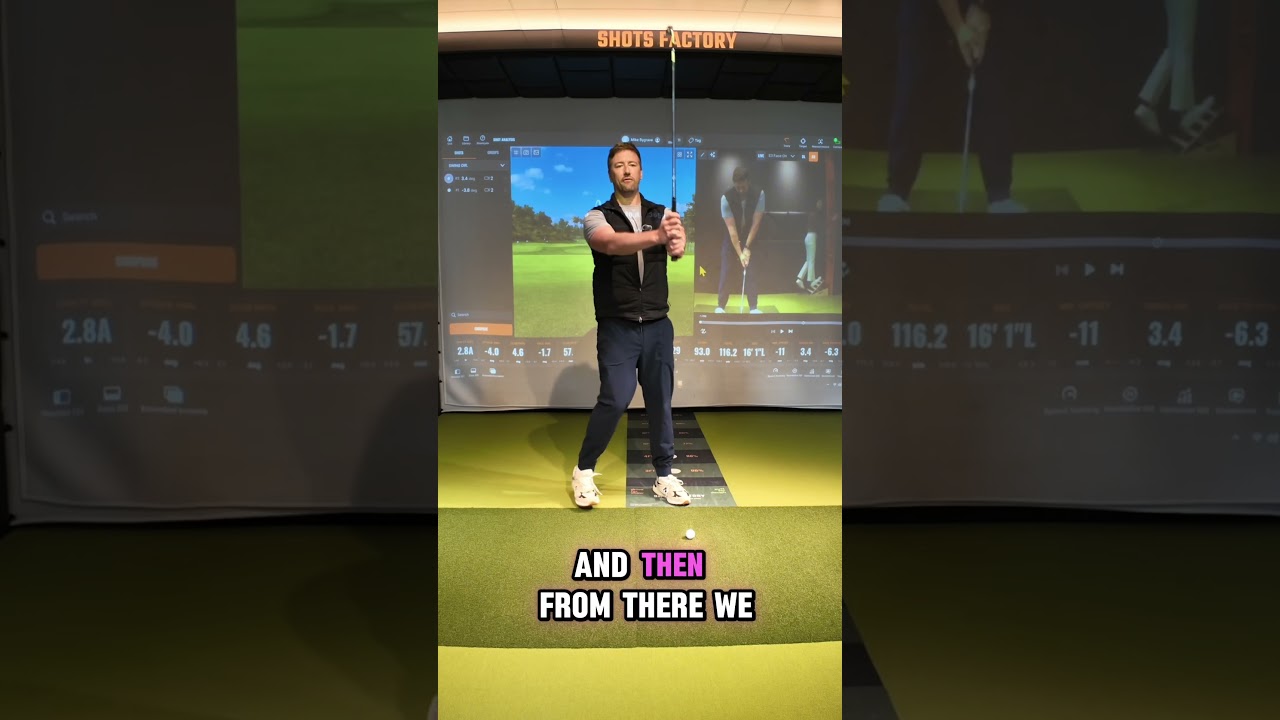
Hold a club or shaft overhead with both hands. Without moving the hips, tilt from the hips to your target line to feel the correct spine angle. This drill reinforces posture cues in a functional way for each club.
First-hand Experience: A Beginner’s Path to Steady Posture
When I started taking golf seriously, I noticed my posture variables were inconsistent from club to club. With a simple routine—mirror checks,hip-hip hinge drills,and a fixed,athletic stance—I began to feel the swing path stabilizing within a few practice sessions. My contact improved from random toe- or heel-heavy hits to more centered, compressive strikes. The key was treating posture as a repeatable baseline, not a one-time adjustment. Even a small tweak,like slightly shifting ball position for each club while maintaining the same spine angle,yielded visible improvements in both flight and distance control. For beginners, the most powerful takeaway is to practice posture as a separate, daily drill that complements swing technique rather than trying to fix everything in the moment of impact.
Case Studies: Posture in Action
Case Study 1 — From Sway to Stable base
A 28-year-old beginner struggled with a noticeable sway during the backswing. After three weeks of hip-hinge practice and a fixed spine angle routine, the player’s balance improved, leading to more consistent contact and a flatter swing plane.
- Starting posture: noticeable sway, inconsistent contact.
- Interventions: hip hinge drill, mirror checks, ball-position adjustments by club length.
- Result: improved balance, steadier contact, more consistent ball flight.
Case Study 2 — Ball Position Shifts with Consistent Posture
A beginner player shifted ball position for each club while keeping the same spine angle and knee flex. This simple adjustment improved the average launch and increased comfort during the swing. The lesson: posture consistency plus targeted ball position changes yield better accuracy across the bag.
- Baseline: identical spine angle, varying ball position confusing the swing.
- Interventions: maintain posture, adjust ball position per club as a separate step.
- Result: more predictable ball flight and improved contact across clubs.
Posture Quick reference
Use this table as a fast-check guide to ensure your setup supports a solid golf swing.
| Aspect | Correct Posture | Common Mistakes | Quick Drill |
|---|---|---|---|
| Spine angle | Neutral, slight hip hinge; spine lengthened, not rounded | excessive rounding or over-arching | Hip hinge drill; hold posture, swing half speed |
| Knee flex | Light bend; hips down, weight mid-foot | Locked knees; standing too tall | Mini-squat to feel the bend without losing posture |
| Ball position | Club-length dependent but consistent within a club | Ball too far forward or too far back | Move the ball by club length while keeping spine angle |
| Weight distribution | Balanced, athletic load; slight lead-foot emphasis as you begin to swing | Leaning back or collapsing to heels | Feel weight on the balls of feet; practice with slow half-swings |
| Shoulder alignment | Parallel to target line; level or slight tilt matching spine | Shoulders pointed too far left or right | clubs-on-ground alignment check; shoulders square to target |
additional Notes
For beginners, focusing on posture is not about rigidity; it’s about consistency. A repeatable setup reduces the cognitive load during the swing and frees cognitive resources to work on tempo and timing. Remember that every player’s body mechanics are a little different, so use these guidelines as a foundation and adjust gradually with feedback from video analysis or a qualified coach. The goal is a comfortable, athletic posture that you can reproduce shot after shot.
Keywords to remember for search visibility: golf posture, proper golf posture, beginner golf posture, golf stance, posture drills, ball position by club, scapular alignment, spine angle, hip hinge, stance width, balance and swing plane.