
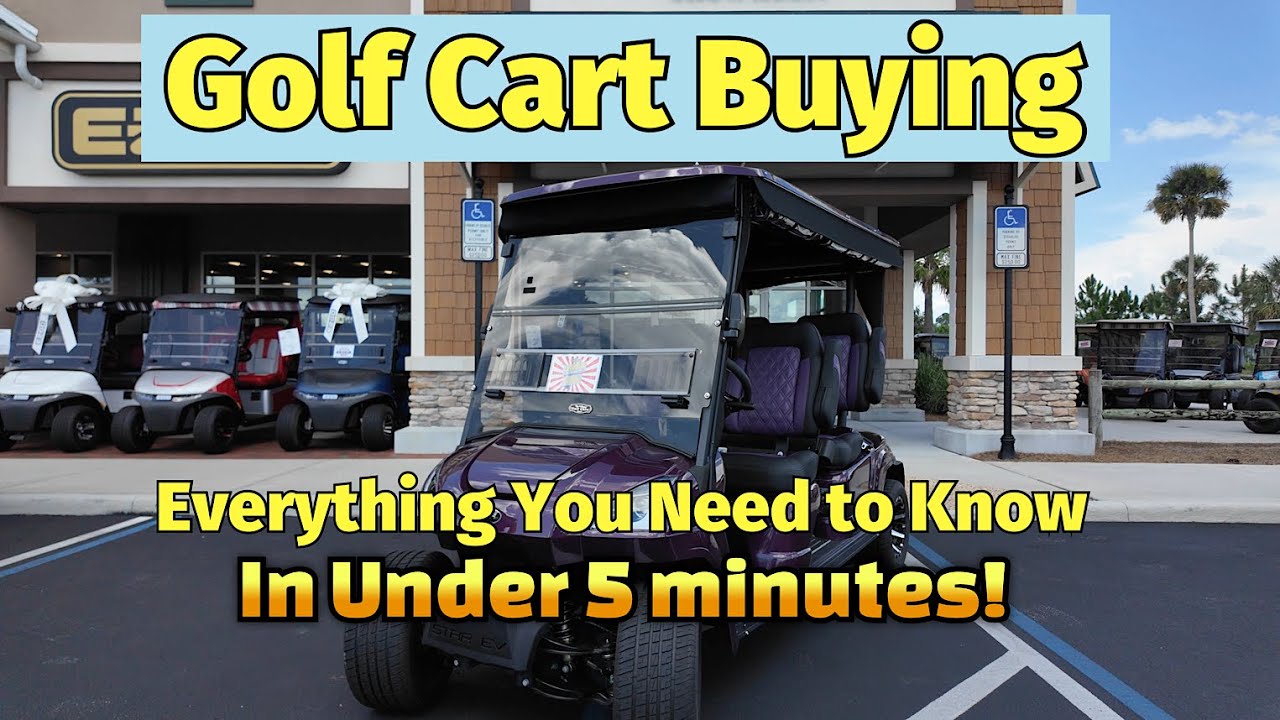
ultimate Golf Cart Buyer’s Guide for beginners in Less Than 5 Minutes
Welcome to a practical, fast-read guide designed for first-time buyers. Whether you’re navigating campus paths, neighborhood streets, or a private golf course setup, this guide helps you understand the core choices, weigh the costs, and get back to enjoying the ride—quickly and safely.We’ll cover electric versus gas,battery options,key specs,safety,budgeting,and real-world tips so you can buy confidently in under five minutes of reading time.
Rapid buyer checklist for beginners
- Define primary use: course, neighborhood, resort, or utility work.
- Choose power: electric (battery) or gas (internal combustion).
- Set a budget: new vs. used, plus long-term maintenance costs.
- Consider seating and payload needs (how many passengers, cargo space).
- Check upgrades and accessories: lights, mirrors, windshields, roof racks, and a charger.
- Assess local regulations for street-legal use and insurance considerations.
Types of golf carts you’ll encounter
Understanding the main categories helps you align features with your needs and your budget. Hear are the common types you’ll see in stores and online marketplaces.
Electric golf carts (battery-powered)
Electric carts are the most common on courses and many communities. They run on rechargeable batteries (lead-acid or lithium) and are praised for quiet operation,lower maintenance,and emissions-free use.
- Affordable upfront, heavier, and require regular watering and equalizing charges. Suitable for light, short-range use.
- Lithium-ion batteries: Lighter, longer life, faster charging, deeper discharge protection, and often longer range per charge. Higher upfront cost but lower lifetime maintenance.
 golf cart staying quiet on the course” />
Gas-powered golf carts
Gas carts offer strong performance, quick refueling, and typically more power for steeper terrain or heavy loads. You’ll hear the engine rather than silence, and maintenance can be more involved (oil changes, air filter, spark plugs).
- better for longer runs and hilly terrains
- Frequently enough lower upfront battery-related maintenance but higher fuel and service costs over time
- Popular for utility and multi-purpose carts outside the golf course
Street-legal and utility golf carts
These carts are designed to meet local street-legal requirements (lights,slow-moving vehicle signage,turn signals,sometimes seat belts). They’re ideal for campuses, resorts, retirement communities, and private communities with road access.
Note: Regulations vary by location. Always check your city or municipality’s requirements for licensing, insurance, and allowed speed limits.
Key specs to consider when buying
Knowing the specs helps you compare models quickly and avoid surprises after purchase.
Powertrain and range
- Electric vs Gas: Decide based on terrain, usage hours, and convenience. Electric carts are cost-efficient for short trips; gas carts excel in heavier use and long-range needs.
- Range per charge: A critical metric for electric carts. Expect 20–40 miles per charge for most consumer models; premium lithium setups can push ranges higher.
Battery type and charging
- Lead-acid vs lithium: Consider weight, replacement cost, charging speed, and lifecycle.
- Charger compatibility: Some models ship with a basic charger; others require a dedicated charging station or advanced on-board charger.
- Charging time: Fast-charge options are available in lithium setups, while lead-acid may take longer to reach full charge.
Speed, performance, and suspension
- Top speed ranges from 15–25 mph for most recreational models; street-legal carts might potentially be tuned to city limits.
- Suspension and tires influence ride comfort on uneven terrain or cart paths. Look for autonomous rear suspension or robust leaf-spring setups for better stability.
Seating, payload, and cargo
- Seating capacity: typically 2-4 passengers; cargo capacity is important for utility carts with a rear bed.
- Weight rating: Ensure the total payload (passengers plus cargo) stays within the cart’s designed limit.
Tires and terrain compatibility
- All-terrain tires offer better grip on grass or light off-road tracks. For smooth pavements, standard golf cart tires work well.
- Tube or tubeless tires, tread depth, and wheel size affect comfort and mileage.
Safety features and regulatory considerations
Safety should drive your shopping list. Consider these features and local rules to stay compliant and secure on the road or course.
- Seat belts for all seating rows.
- Headlights, tail lights, brake lights, turn signals, and a horn for street use.
- Mirrors for improved visibility and back-up alarms or backup cameras on some models.
- ROPS (rollover protection) where available, especially in utility/golf environments with uneven ground.
- Slow-moving vehicle (SMV) emblem and reflective safety tape for night visibility.
- Local licensing, insurance, and registration requirements for street-legal carts.
Budgeting: new vs. used, and total cost of ownership
Cost considerations go beyond the sticker price. Here’s how to think about total ownership over time.
- initial cost: New electric carts can range from $8,000 to $15,000, while gas carts often start around $7,000 and go higher with upgrades. Used carts can be substantially cheaper but may require more maintenance.
- Maintenance costs: Electric carts typically have lower routine maintenance (no oil changes), but battery replacement is a major ongoing expense.Gas carts require fueling, oil changes, and periodic engine service.
- Battery life and replacement: Lithium batteries often last longer (5–8+ years) but cost more upfront; lead-acid batteries may need replacement every 3–5 years depending on use.
- Insurance and licensing: Street-legal carts may require insurance and vehicle registration in your area.

brand landscape: popular options to consider
While there are many brands,three names dominate mainstream golf carts. Here are quick highlights to help you compare:
- club car: Known for reliability and a broad dealer network. Wide selection of utility and golf carts with good build quality.
- EZ-GO: Strong on lithium battery options and modern features. Often praised for ride comfort and service availability.
- Yamaha: Durable platforms with straightforward maintenance and solid performance. Great for continuous use on campuses or resorts.
- other reputable brands to explore: Cushman, Polaris (Garia), Crosstrax and specialized utility carts.
Practical buying tips for a smarter, faster decision
- Test-drive similar models: If possible, ride both electric and gas carts to feel the differences in acceleration, braking, and comfort.
- Inspect the battery (for electric carts): Look for signs of swelling, corrosion on terminals, and check the charge history.
- Inspect the drivetrain and motor: Listen for unusual noises during startup or acceleration; check for smooth gear transitions and braking response.
- Review warranties: A strong warranty on battery, electronics, and drivetrain adds value and peace of mind.
- Ask about availability of local service centers and the ease of obtaining spare parts.
- Consider future upgrades: LED lighting kits, higher-capacity chargers, and enhanced suspension options
Maintenance basics for beginners
Regular care keeps your golf cart performing well and lasting longer. Here are essential maintenance habits to establish from day one.
- Battery care (electric carts): Keep batteries clean and terminals tight. For lead-acid, maintain proper water levels; for lithium, follow manufacturer charging guidelines.
- Charging routine: Charge after each use if possible to extend battery life; avoid deep discharges for lithium batteries.
- Tire checks: Inspect tread depth and pressure; rotate tires if recommended by the manufacturer.
- Fluid checks (gas carts): Check oil and coolant levels, inspect air filters, and replace spark plugs on schedule.
- Brake and lights: Regularly test brakes, lights, and horn; replace bulbs as needed for safe operation.
- Storage: Keep the cart in a sheltered area when not in use; consider winterization if you live in freezing climates.
Case study: a beginner’s first golf cart purchase
Meet Sarah, a campus operations manager who needed a reliable vehicle for daily campus rounds and light maintenance tasks. After listing priorities—quiet operation, low maintenance, and a reasonable price—she compared two options: a used electric cart with a lithium battery and a new gas cart with higher upfront cost but familiar fuel use. She chose the electric cart because of lower ongoing maintenance, better charging options, and a shorter route profile around campus. Within six months, Sarah reported lower noise levels, reduced fuel costs, and fewer service visits. Her choice demonstrates how a balanced approach—prioritizing use-case and lifecycle costs—can pay off in real-world scenarios.
Quick-reference buying table
| Category | Electric vs Gas | What to Look For | Bottom Line |
|---|---|---|---|
| Power source | Electric or Gas | Terrain, usage hours, availability of charging infrastructure | Electric for daily campus use; gas for steep hills or longer runs |
| Range / Fuel | Battery capacity or fuel tank | Expected miles per charge, gallons per fill, refill time | Pick based on distance you need between charges |
| Maintenance | Lead-acid lithium optional | Battery care, engine/service intervals | Lower ongoing maintenance with lithium in many cases |
| Upfront cost | Electric often higher upfront | Budget range, incentives, warranties | Factor long-term savings into decision |
Frequently asked questions
- Q: Is a street-legal golf cart really allowed to drive on public roads? A: It depends on local laws.Many places require lights, signals, mirrors, and insurance.
- Q: Should I buy new or used? A: New carts offer the latest features and warranty; used carts can save money but may require more maintenance and a careful inspection.
- Q: How long does a golf cart battery last? A: Lithium batteries typically last 5–8+ years with proper care; lead-acid batteries often 3–5 years depending on use and maintenance.
- Q: How much does charging cost? A: it varies by local electricity rates and usage, but electric carts generally cost less per mile than gas when used regularly.
- Q: Are there affordable upgrades I should consider after purchase? A: Lighting upgrades, higher-capacity chargers, better seats or windshields, and improved tires are common enhancements.
Resources and where to buy
Ready to shop? Look for authorized dealers that offer test drives, clear warranty terms, and post-purchase support. Online marketplaces, local golf cart shops, and campus or resort retailers often stock a wide range of electric and gas models. When evaluating a seller, ask about:
- Certified pre-owned options and inspection reports
- warranty coverage for battery, drivetrain, and electronics
- Service network and parts availability in your area
- Return policies and after-sales support
Quick guide to common accessories and add-ons
- Windshield and soft-top roof for weather protection
- LED headlamps and taillights for improved visibility
- Rear-view mirrors and seat-belts where required by law
- Onboard charger and extra battery packs for longer trips
- Storage boxes, cargo rack, and cover for protection
Conclusion-free, value-forward takeaway
Choosing your first golf cart doesn’t have to be overwhelming. By clarifying your primary use, weighing electric versus gas power, understanding battery options, and budgeting for total cost of ownership, you’ll be equipped to pick a model that fits your needs today and holds up over time. Remember to test-drive, verify the warranty, and confirm local regulations if you plan to use a street-legal cart in public spaces. With this guide, you can confidently move from curiosity to purchase in a single quick read—truly a buying guide in less than 5 minutes.