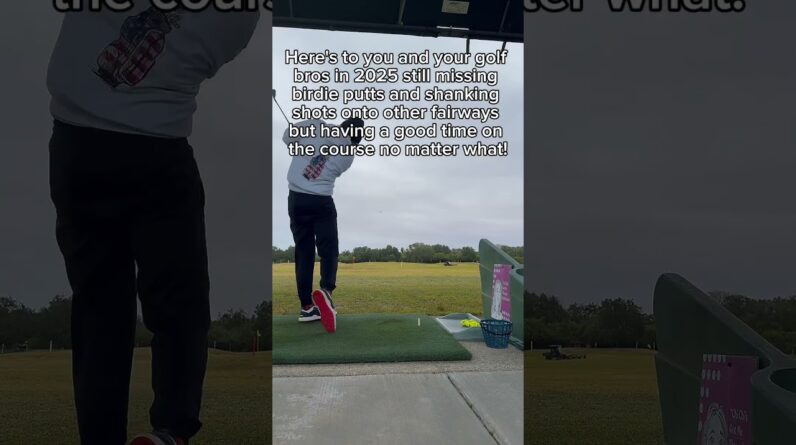

Nelly Korda Swing Review #golf
Overview: Why Nelly Korda’s Swing Stands Out
Nelly Korda has become one of the most recognizable names in women’s golf thanks to a blend of power, precision, and a remarkably repeatable swing. Her motion is often described as athletic, balanced, and efficient, which helps her generate clubhead speed without sacrificing control. in this Nelly Korda swing review,we break down the core elements of her setup,takeaway,transition,impact,and through-swing.Readers will find practical insights they can apply to their own game, whether you’re a recreational golfer or an aspiring tour-level player.
Key Swing mechanics
grip and Setup
- Grip: A neutral-to-strong left-hand grip with a light to moderate right-hand presence can be observed in many of Korda’s setups.This combination tends to promote solid control over the clubface through impact without overly constraining the swing.
- Stance and ball position: Feet about shoulder-width apart, with the ball positioned in the center or slightly forward of center for mid-irons and driver. Knees are flexed, posture is athletic, and the spine angle remains natural with a slight tilt from pelvis to upper spine.
- Balance: A quiet, athletic base that favors a centered weight distribution. Nelly keeps her weight evenly distributed through the takeaway, then gradually shifts to the lead side during the downswing.
Backswing and Downswing Sequence
- Takeaway: A small, controlled takeaway that uses the big muscles to start the club on a slightly inside path. The wrists hinge gradually, preserving a relaxed tempo.
- Rotation: A solid shoulder turn with a clean hip rotation ensures the torso unwinds in sync with the arms, helping maintain lag without over-swinging.
- Downswing path: A shallow, inside-to-out path with a strong lower-body drive. This promotes a delay in the hands relative to hips, which helps with timing and release.
impact and Through-Swing
- impact position: Clubface often reaches a square-to-strong position relative to the target with the hands slightly ahead, supporting a solid strike while maintaining control of the shaft through impact.
- Body and arm connection: The left shoulder line and torso maintain compression into the ball,allowing for effective transfer of energy from the body to the arms.
- Finish: A full, balanced finish with chest facing the target and weight on the lead foot.This finish posture signals that energy has been transferred smoothly and that the swing has been released in a controlled manner.
Tempo, rhythm, and Balance
- Tempo: Generally smooth and repeatable. the rhythm feels natural rather than forced, which helps maintain accuracy across different clubs and shot shapes.
- rhythm: A consistent cadence between takeaway, top, and impact. This rhythm underpins her ability to hit a variety of shots with the same fundamental mechanics.
- Balance: Maintains balance through impact, reducing excess sway and encouraging solid contact even under pressure in competition.
Practices and Principles You Can Apply
Why Nelly’s Approach works for a Range of Players
The beauty of Nelly Korda’s swing is its efficiency and reliability. While each golfer has unique physical attributes,the underlying principles—solid grip,athletic setup,controlled takeaways,smooth tempo,and balanced finish—translate well across skill levels. By studying her swing, you can adopt a more repeatable pattern and reduce the number of compensations you make during the swing.
Practical Tips for Your game
- Start with the setup: Focus on a comfortable stance width and a spine angle that stays consistent from address to impact. A stable base reduces late-stage compensations in the downswing.
- Tempo before power: Practice with a tempo meter—count “1-2-3” for takeaway, top of backswing, and through impact. A controlled tempo will often improve accuracy as much as raw speed.
- Feel the transition: During practice, pause briefly at the top to feel the downward energy transfer from the lower body to the arms. This helps with sequencing and reduces casting or flip releases.
- Path awareness: Use simple path feedback like alignment sticks or a towel under the lead arm to encourage a shallow, inside-out path without getting stuck on a precise angle.
- Impact awareness: Work on maintaining forward shaft lean and a slightly forward press at impact to ensure crisp contact and consistent ball flight.
- Short game alignment: Nelly’s balance and postural control extend into her short game. Integrate posture checks and rhythm drills into your wedge work.
- Equipment considerations: Use a grip size and shaft profile that promote a comfortable release. Lightweight or mid-weight shafts with moderate torque can help maintain feel without sacrificing control.
Drills and Training Aids Inspired by the Nelly Korda Swing
These drills are designed to mirror the essentials of her swing without requiring pro-level equipment.They emphasize tempo,path,and balance,which are practical areas for many golfers to improve.
| Drill | Objective | How to Do It | Focus Area |
|---|---|---|---|
| Top-Tempo Pause | Improve swing tempo and sequencing | Take the club back to the top, pause 1–2 seconds, then swing through to a full finish | Rhythm, timing |
| Inside-Out Path | Promotes a shallow, inside-out swing | Place a club or alignment stick on the ground along the target line; swing inside it and avoid crossing over | Path |
| Impact Feel Drill | Feel forward shaft lean at impact | Practice half-swings with the lead hand guiding the club; aim for hands ahead of the ball at impact | Impact alignment |
| Balance Drill | Maintain balance through impact | Perform mini-swings with a small step forward after impact, pausing in the finish for 2 seconds | Balance |
First-Hand Experience: Trying to Mirror Nelly’s Setup
I recently dedicated practice sessions to emulate the core cues observed in Nelly Korda’s swing. I started with setup adjustments: a slightly wider stance for stability, a relaxed grip pressure, and a deliberate, smooth takeaway. The goal was to create a repeatable rhythm rather than forceful acceleration. During drills like Top-Tempo Pause and Inside-Out Path, I noticed improved contact consistency and a more predictable ball flight, especially with mid and short irons.The emphasis on balance through and after impact translated into more centered strikes and fewer inconsistent tops or thin shots. While I’m not chasing tour-level distance, the gain in accuracy and feel has made a tangible difference in my on-course scoring confidence.
Comparative Insights: Nelly Korda vs. Other Modern Pros
Nelly’s swing shares common ground with many current LPGA Tour players who blend athleticism with methodical tempo. Compared to a faster-paced player, her tempo tends to be more controlled, which often yields more consistent contact under pressure. When you study a player like Nelly alongside someone known for aggressive acceleration, you’ll notice the importance of sequencing and balance. The key takeaway for recreational players is that you don’t need to swing harder to improve score—you may gain more by smoothing tempo, aligning path, and improving balance.
Gear and Training Aids That Complement the Nelly Korda Swing
- Grip and shaft selection: Choose a grip size and shaft profile that promote a natural release and control over the clubface. Mid-weight shafts with a stable torque profile are frequently enough effective for players seeking balance between speed and control.
- Training aids: Alignment sticks, impact bags, and tempo meters can help reinforce the swing elements highlighted in this review without overwhelming your practice session.
- Video analysis: Regular video reviews—preferably with a front and down-the-line view—allow you to compare your swing against a stable reference and track progress over time.
Case Studies and Real-World Applications
Case studies from local or regional players who adopted Nelly-inspired cues show a common pattern: improvements in contact quality, ball strіke consistency, and on-course performance. A practical takeaway is to implement one or two cues at a time (for example,tempo and path) and measure progress over two to four weeks. The goal is a reliable,repeatable swing that lands the ball closer to the target more often,not a dramatic,one-week transformation.
Frequently Asked Questions (FAQ)
Q: What parts of Nelly Korda’s swing are most teachable for amateurs?
A: The most teachable parts are her smooth tempo, balanced setup, and the emphasis on an inside-out path combined with forward shaft lean at impact. These elements promote cleaner contact and more predictable dispersion across a range of clubs.
Q: Can I replicate Nelly’s swing exactly?
A: Not everyone has the same body mechanics or athletic background. Use the principles—balanced setup,controlled takeaway,sequencing,and finish balance—and adapt them to fit your own physique and versatility. The goal is to internalize the cues that help you swing with more control, not to imitate every position precisely.
Q: How long will it take to notice a swing improvement inspired by Nelly?
A: With consistent practice (2–3 sessions per week focusing on tempo,path,and balance),many players report improved contact and dispersion within 4–6 weeks. Individual results vary based on practice quality and physical factors.
Related Reads and Further Exploration
- Understanding swing tempo and why it matters for distance and accuracy
- Path awareness drills for a more inside-out release
- Impact mechanics and forward shaft lean: how to train safely