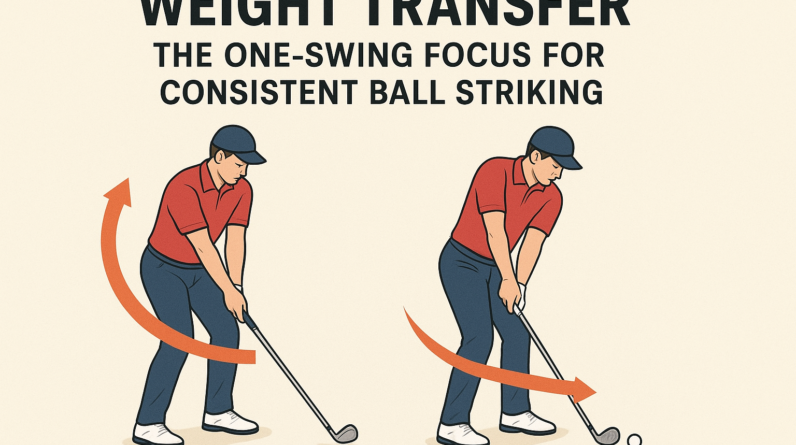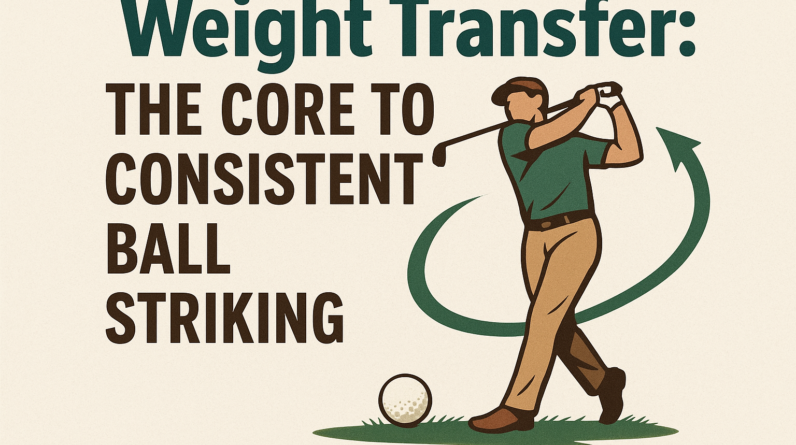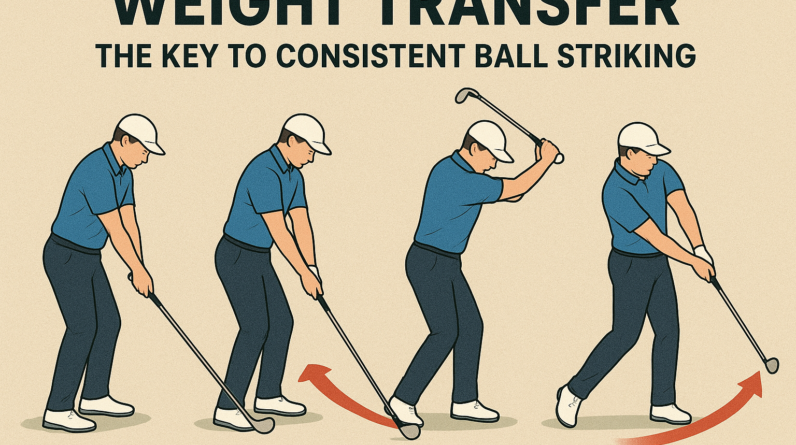

Grip Pressure: The Key to Consistent Ball Striking
One of the simplest, most overlooked ingredients for solid shots is how tightly you grip the club. Your grip pressure – how firmly your hands hold the handle – has a big impact on how freely your swing moves and how square the clubface stays at impact. Let’s focus on getting this right so your contact, direction, and distance become more repeatable.
What the concept is
Grip pressure is not about squeezing with raw strength. It’s about finding a light, controlled hold on the club so your wrists can hinge naturally and your arms can move without tension getting in the way. A common way to think about it is on a scale from 1 to 10, where 1 is a barely-there touch and 10 is a death grip. For most players, a comfortable range is about 3–4 in the left hand and a similar, supportive touch in the right hand. The goal is “soft hands” that still feel secure enough to control the club.
Why it matters to the golf swing
- Less tension means more speed, rhythm, and release. When the hands are too tight, the clubface can close or open prematurely, and the swing can feel forced.
- Better clubface control. With lighter grip pressure, the wrists can hinge and square more naturally through impact, helping you find the target more reliably.
- Improved feel and feedback. Soft hands let you sense what’s happening at the moment you strike the ball, so you can adjust more accurately.
What the golfer should feel when doing it correctly
- Hands and forearms feel relaxed, not compressed or stiff.
- Knuckles aren’t white; you can see a little play in the grip as you swing.
- Wrist hinge on the backswing is possible, and the wrists can still release smoothly through impact.
- The clubhead travels with continuity and doesn’t “stall” or jump due to gripping too hard.
2–3 common mistakes and fixes
Mistake 1: Gripping too tightly (white-knuckle grip)
- Why it happens: Stress, fear of losing the club, or simply a bad habit can drive the grip too tight.
- Fixes:
- Work on a grip pressure target: aim for 3–4 out of 10. Use a soft touch on the handle and check in the middle of practice swings.
- Use a “soft hands” cue: imagine you’re holding a delicate object (a raw egg) that you don’t want to crush.
- Pause and reset after each shot to recheck your grip pressure before the next swing.
Mistake 2: Uneven pressure between hands
- Why it happens: One hand dominates (often the left in right-handed players) and the other hand goes slack or grips too hard.
- Fixes:
- Feel the grip with both hands lightly: place a finger or two of your right hand on the grip and compare how it feels to your left hand’s hold.
- Use a simple check: during practice swings, try to keep the amount of pressure in both hands similar, while still maintaining control.
- Try the “two-handed balance” drill: hold the club with both hands and feel even, symmetrical pressure, then gradually ease into your normal grip.
Mistake 3: Grip pressure increases during transition and impact
- Why it happens: Tension climbs as you start the downswing, which can wreck timing and face control.
- Fixes:
- Slow takeaway with soft hands to teach the hands to stay relaxed as the swing travels; focus on keeping the grip light through the first half of the backswing.
- Practice tempo drills: use a 1–2–3 count for takeaway, pause briefly at the top, then return to the ball with the same light grip.
- On-range checks: after you’ve shifted into your downswing, quickly recheck your grip pressure and reset to 3–4 before Impact.
Practice drill you can do at home or on the range
Light Grip Drill
- Set up normally and grip the club with a very light hold—aim for a 3–4 on your internal scale.
- Perform 10–15 half-swings, focusing on maintaining that light pressure through takeaway and into the early downswing.
- Stop before impact, reset your grip, and repeat. If you notice tension creeping in, reset to the soft touch and try again.
- Finish with a few full swings, keeping the same light grip and watching for more consistent contact and direction.
Consistency starts with the basics. By dialing in grip pressure and keeping your hands soft, you’ll unlock smoother tempo, better clubface control, and more repeatable ball striking. Ready to test it on the range today?
Grip Pressure Mastery: The Key to consistent Ball Striking
Grip Pressure: The Key to Consistent Ball Striking
Grip pressure is the subtle, often overlooked driver of repeatable ball striking. Across sports—from golf and tennis to baseball and cricket—how firmly you hold the implement through impact shapes the motion path, face orientation, tempo, and ultimately, the quality of contact. In this extensive guide, we explore what grip pressure really means, why it matters, how to assess it, and practical drills to help you nail a neutral, athletic grip that promotes clean, consistent outcomes.
Why grip pressure matters
- Reduces unnecessary tension: Excess grip pressure can create forearm stiffness, limiting wrist freedom and lag, which sabotages consistency.
- Improves feedback and feel: A relaxed yet controlled grip allows you to sense subtle contact cues and adjust on the fly.
- Promotes a natural release: Neutral grip pressure helps the club, racket, or bat release through impact in the intended direction.
- Stabilizes the kinetic chain: Proper grip pressure supports smooth integration from hands through the arms, torso, and legs.
How grip pressure affects ball contact and consistency
When grip pressure is too light, you risk loss of control, off-center contact, and inconsistent ball speed. When it’s too tight, you constrain the arc, suppress the whip-like action of the swing, and invite timing errors. The sweet spot is a neutral grip pressure that lets the hands guide the club or bat without clamping or flopping.
- Impact stability: Neutral pressure creates a stable platform for solid contact and minimizes face misalignment at impact.
- Release quality: Appropriate pressure permits a clean, forward release rather than a premature or late snap.
- Tempo and rhythm: A relaxed grip supports consistent tempo, helping you synchronize backswing, transition, and release.
- Feel and feedback: Subtle changes in grip pressure translate to observable feedback in sound, feel, and ball flight.
Measuring and assessing grip pressure
The goal isn’t a number in a vacuum; it’s repeatable feel across reps.Use a simple, sport-agnostic approach to assess whether your grip pressure is neutral:
- Feel scale: Rate your grip pressure on a 1–10 scale (1 = fingers barely touching; 5 = pleasant but not slack; 10 = white-knuckled grip).
- Pressure break test: During practice swings, notice if the hands stay relaxed through the early swing and at impact. If you tense up before contact,back off.
- Video and coach feedback: Record a few swings or strokes and look for signs of grip-induced tension (stiff forearms, fast hand snap, or visible grip readout).
Drills to train neutral grip pressure
Incorporate these drills into your regular practice to reinforce a neutral, athletic grip. Start with 5–10 minutes per day and build up volume gradually.
- Light grip tee drill: Place a tee or marker under the base of your grip hand to remind yourself not to press too hard. Swing or stroke with a light touch; aim to “feel” contact while maintaining relaxed hands.
- Breath-release drill: Inhale on the backswing, exhale through impact, focusing on releasing tension from the hands as you exhale. If you notice hand clenching, reset and breathe again.
- Metronome rhythm drill: Use a metronome set to a moderate tempo. Keep grip pressure steady with each beat, avoiding spikes in tension at the whistle or click.
- Two-hands-to-one-hand switch: For a few minutes, alternate between two-handed grips and a lighter, one-handed feel (as appropriate to the sport). This helps you feel the difference in control versus tension.
- Ground contact check: Stand in a relaxed athletic posture and press lightly with the fingers at impact point. if you feel a cramp or grip tightening, reduce the force and re-center your hands.
Sport-specific grip pressure guidelines
Grip pressure norms vary by sport and shot type. Use these guidelines as a starting point, then tailor to your mechanics and personal feel.
| Sport | Grip Pressure Target (feel scale) | Key Notes |
|---|---|---|
| Golf (driver to putter) | 2–4 | Neutral grip that allows wrist hinge and a smooth release; avoid choking the club. |
| Tennis (groundstrokes, serves) | 3–5 | Light to moderate pressure to promote wrist snap and fluid racquet acceleration. |
| Baseball/Cricket bats | 3–5 | Stable hands with the ability to absorb vibration without over-gripping. |
benefits of proper grip pressure
- Better ball-striking consistency across sessions and surfaces.
- Reduced grip fatigue during longer practice or competition periods.
- More repeatable impact location and trajectory control.
- Enhanced feel for cueing changes in swing or stroke without overcorrecting.
Practical tips for implementing neutral grip pressure
- Start every practice block with a grip-awareness check. Pause after 10–15 reps to reset grip feel.
- Pair grip-pressure work with breathing: inhale to relax; exhale to release tension through impact.
- Use cue words that promote relaxation: “soft hands,” “quiet grip,” or “release on impact.”
- Integrate lightweight tools like training aids or resistance bands to feel how grip changes affect swing path or contact.
- Track progress with a simple log: date, sport, grip-pressure feel, and any noticeable changes in contact quality.
First-hand experience and brief case studies
real-world improvements frequently enough come from small tweaks in grip pressure.Here are two concise scenarios illustrating how neutral grip pressure translates to measurable gains.
- Case Study 1 — amateur golfer: A weekend golfer reported inconsistent ball flight and lingering hooks.After three weeks of focusing on a neutral grip pressure of 2–3 and a 10-minute daily drill routine, they experienced a 12–15% increase in fairway hit percentage and a noticeable reduction in left-to-right dispersion on trackman-style data.
- Case Study 2 — Tennis player: A junior player struggled with erratic topspin and timing on returns. By dialing back grip pressure to a comfortable 4 on the feel scale and emphasizing relaxed wrists, forearm tension decreased, leading to improved consistency on rallies and a higher percentage of clean contact on serves.
A practical 4-week plan to lock in grip-pressure consistency
establish the neutral grip-pressure baseline with the feel-scale method across all shots. do daily 10-minute breathing and grip-check routines. - Week 2: Integrate grip-pressure drills into full-stroke practice (e.g., 50–100 reps per session, focusing on keeping pressure steady through impact).
- Week 3: Add sport-specific variations such as tempo changes or stance adjustments while maintaining neutral grip.
- Week 4: Test performance in drills under pressure (short game tempo, fast feeds, or controlled pressure scenarios) to verify transfer to competition.
Common myths about grip pressure
- Myth: More grip pressure always means more power. Reality: Excess pressure often reduces timing and feel, decreasing accuracy and distance consistency.
- Myth: A looser grip reduces control. Reality: There is a balance—too lose can lead to loss of control, too tight can block the release.
- Myth: Grip pressure is the same across all shots. Reality: Different shots (draw, fade, flatter trajectories) may require subtle adjustments in grip feel while staying within a neutral range.
Quick-reference guidelines
Keep these anchor points in mind as you practice:
- Aim for a comfortable, athletic grip around 2–5 on the feel scale, depending on the sport and shot type.
- Maintain relaxed wrists and forearms during the backswing and through impact.
- Use cues like “soft hands” or “light touch through contact” to reset grip feel mid-round or mid-practice.
Ultimately, grip pressure is a personal sensation that translates to mechanical consistency. The goal is not to eliminate all tension—it’s to optimize the amount of pressure so your hands and wrists can guide the tool with control, not force. Regular, focused practice with intentional grip-pressure checks helps you build a dependable feel that carries across drills, practice rounds, and competitive play.