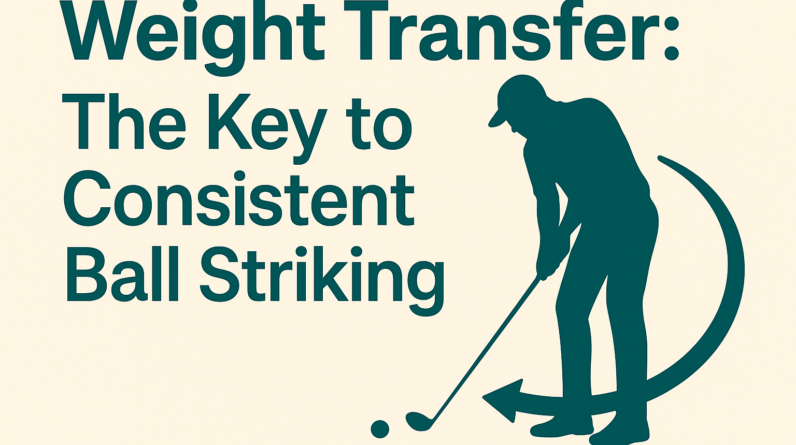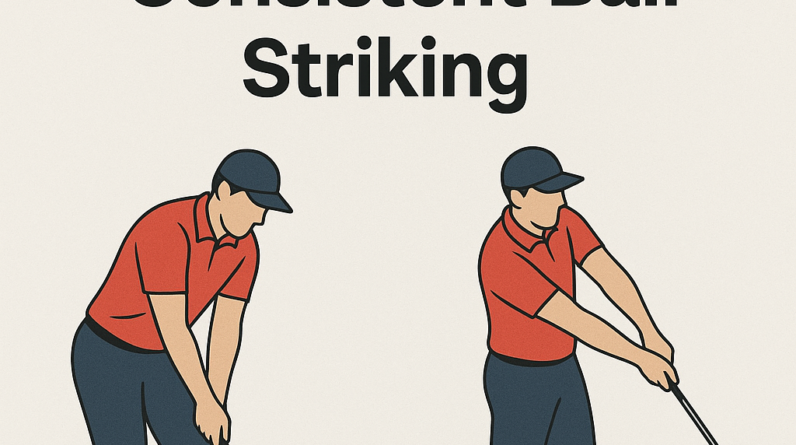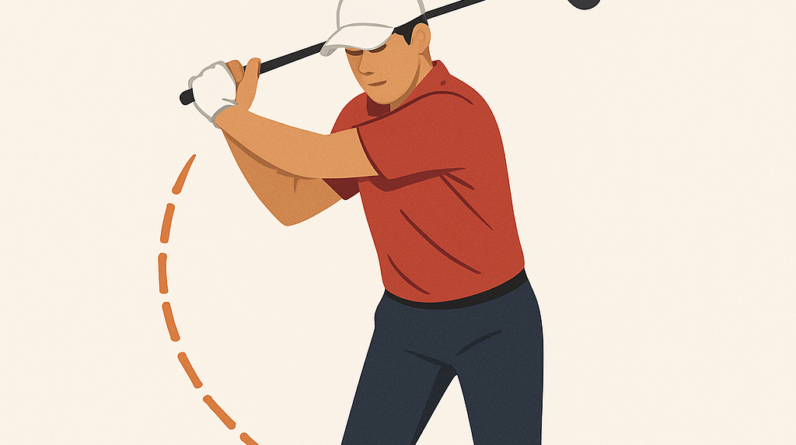

Weight Transfer: The Key to Consistent Ball Striking
When you swing, your body’s job is not just to move the arms. The legs and hips need to fuel the motion by shifting your weight—from the back foot toward the front foot—at the right moment. This is weight transfer. For many players, especially beginners and early-intermediate golfers, getting this shift right is what turns inconsistent contact into solid, repeatable strikes.
What the concept is
- Weight transfer is the intentional movement of your body’s weight from the trail foot (right foot for right-handed golfers) through the impact zone to the lead foot (left foot).
- In a well-timed swing, the transfer starts during the backswing and finishes through impact, helping your lower body lead the arms and club.
- Balance and posture matter: you’re not “spending” all your weight on one foot; you’re sequencing the shift so your spine stays centered over the midline of your stance.
Why it matters to the golf swing
- Solid contact: proper transfer helps you reach the ball with the clubface square to the target at impact.
- Consistent ball flight: when weight moves correctly, your path and angle of attack stay more stable, reducing slices or pulls.
- Power with control: a smooth shift builds speed from the ground up, not by swinging arms alone.
What you should feel when doing it correctly
- Backswing feel: you should notice some pressure building into the trail foot (right foot) as you turn your hips away from the ball.
- Transition feel: you begin to feel the hips rotate and the weight start to tilt toward the lead side as you approach the top.
- Impact feel: the pressure should move toward the lead foot, with your center staying over the middle of your stance and your chest aiming toward the target.
2–3 common mistakes and how to fix them
- Mistake 1: Not moving weight onto the lead foot at impact.
- Fix: feel the trail knee bend slightly as you start down, then “step” your weight into the lead foot through impact. A simple cue is to imagine your weight moving to the ball of the lead foot just as you strike the ball.
- Mistake 2: Sliding the hips instead of turning them.
- Fix: think turn-first, slide-less. Keep your hips rotating toward the target rather than your hips moving side-to-side. A good drill is to practice with a towel under the back foot and focus on turning the hips rather than letting the back foot glide.
- Mistake 3: Weight goes too far forward too early, causing balance loss.
- Fix: maintain a tall spine and a slight knee flex in both legs. Pause briefly at the top of your backswing to feel the weight stay balanced, then complete the move by transferring smoothly into the lead foot as you swing down.
One easy practice drill you can do at home or on the range
- Step-Through Drill (great for feeling weight transfer):
- Start with your feet together and a neutral spine. Take a small backswing, then as you begin the downswing, step your lead foot forward toward the target as you strike a small, controlled shot (or just swing without a ball). The step forces your weight to move onto the lead foot through impact and helps you feel the correct sequencing without needing perfect balance at every moment.
- Perform 8–12 reps, focusing on keeping your balance and not rushing the transfer. As you improve, you can gradually reintroduce a ball and keep the same feeling.
Tip: use simple cues that match your feel. For many players, “turn the hips, then step into the lead foot” or “feel the weight move to the lead foot at impact” keeps your mind focused on weight transfer rather than on arm speed.
With consistent attention to weight transfer, you’ll notice straighter contact, better balance, and more dependable distance. Practice with patience, and your entire swing will start to feel more natural and repeatable.
Weight Transfer: The Key to Consistent Ball Striking
Weight transfer is more than a buzzword in sports science. It’s the practical engine behind consistent ball striking. Whether you’re teeing off on a sunny golf course, hitting a tennis serve, or delivering a baseball pitch, the way you move your weight from one foot to the other shapes your contact, accuracy, and distance. In this article, we’ll break down the science, translate it into actionable cues, and provide drills and case studies that help you master weight transfer for better performance.
Why Weight Transfer Matters
A clean, well-timed transfer of weight connects the entire kinetic chain—from the ground up to the club, racquet, or bat. When weight shifts correctly, you:
- Generate more clubhead or bat speed without sacrificing control.
- Maintain balance and posture through impact, reducing the tendency to “listen” to the ball with the hands alone.
- Improve striking consistency by reducing early or late release of energy.
- Optimize contact point and trajectory by aligning the body’s center of gravity with the target line.
In practice, weight transfer isn’t about rushing momentum; it’s about sequencing. the lower body initiates the turn,the torso stores elastic energy,and the upper body releases it through the arms and hands at the right moment. The difference between a crisp strike and a soggy mishit is often the timing and magnitude of this weight shift.
Anatomy of a Proper Weight Transfer
A typical, effective weight transfer in ball striking involves these phases:
- Setup and balance: A stable base with slight knee flex and even pressure through the feet.
- Backswing loading: Weight shifts toward the trail foot (right foot for right-handed players) as you rotate the hips and torso.
- Transition and start of downswing: A deliberate move of weight toward the lead foot as hips begin to open and the torso unwinds.
- Impact: The majority of weight is over the lead foot, you maintain spine angle, and the hands release through impact.
- Follow-through: Pressure shifts smoothly through the lead leg, allowing a full and balanced finish.
Key cues to support this sequence include keeping the head steady relative to the spine, maintaining a slight tilt of the torso toward the ball, and letting the ground react to your movement (ground reaction forces) rather than forcing velocity with the arms alone.
Key Components of Effective Weight Transfer
A stable base with feet roughly shoulder-width apart helps you feel the weight shift without losing posture. Your feet push into the ground and receive opposing forces. Efficient transfer uses these reactions to propel the swing forward. The hips initiate the turn; the torso follows, then the arms. A smooth sequence yields powerful yet controlled strikes. As you approach impact, your lead foot becomes the anchor, stabilizing your body and guiding the impact position. Maintain spine angle and posture through impact to minimize loss of power and accuracy. A consistent tempo keeps weight transfer predictable, helping you repeat the same strike pattern.
Practical Tips to Train Weight Transfer
Incorporate these practical tips into your practice routine to build reliable weight transfer. They apply across ball-striking sports with minor sports-specific adjustments.
Start with slow swings to feel exactly where your weight is and how it shifts. Speed up gradually only after the feeling is clear. Use the inside of your trail foot to feel pressure build toward the lead foot as you approach impact. focus on turning the hips first during the downswing. The arms then follow through the ball. Activate the core to transmit energy from the ground up. A strong core helps stabilize the trunk and maintain posture during transfer. Record your swing to verify weight transfer positions at top, just before impact, and at impact. Finish with your weight visibly over the lead foot and a stable, balanced posture to confirm a clean transfer.
Drills and Practice Progressions
The following drills are designed to progressively build a repeatable weight transfer. They start with foundational balance and advance toward full, dynamic swings.
| drill | Focus | Cues | Progression |
|---|---|---|---|
| Feet-Together Balance Drill | Balance and weight shift perception | Feel the shift from back foot to front foot | Perform half-swings with rising cadence |
| Step-Through Drill | Sequencing of weight transfer | Step into the ball, lead foot lands cleanly | From half-swings to full swings |
| Slow-Motion Swing Drill | Tempo and posture maintenance | Slow, controlled pace; maintain spine angle | Full swing at 50% speed, then 75%, then 100% |
| Impact Tape Drill | Point of contact accuracy | Place tape on the face; observe impact location | Shift weight while aiming for center impact |
Tip: Use a coach or mirror to ensure your weight shift is not “over-dominant” on the back foot early in the downswing. You want a smooth, controlled transfer, not a sudden lurch.
Common Faults and Corrective Drills
Understanding typical faults helps you diagnose your swing more quickly and apply targeted fixes.
- Fault: early reverse weight shift (weight moves to the lead foot too soon). Fix: train with a slower transition, maintain a slight pause at top, then initiate transfer with the hips.
- Fault: flat spine angle and loss of posture during transfer. Fix: emphasize keeping the spine angle and core braced through impact; integrate a pause before accelerating the downswing.
- Fault: decoupled hips and arms, resulting in mis-timed transfer. Fix: drill hip-first transfer cues, such as “hips then hands” and use impact tape to verify timing.
Case Studies and First-Hand Experiences
Real-world examples illuminate how weight transfer translates into lower scores and more consistent contact.Here are two concise narratives from players who implemented targeted weight transfer work:
Case Study 1: Amelie, Amateur golfer
Amelie struggled with thin and fat hits on different days. After incorporating the Step-Through Drill and Slow-motion Swing Drill for four weeks, she noticed a clear shift in her balance through impact. Her average ball speed increased modestly, but the most noticeable change was her improved ability to reproduce contact on the center of the clubface. She reported less head movement and steadier tempo during pressure rounds.
Case Study 2: Kai, Club-Level Tennis Player
Kai’s serve showed inconsistent contact and low first-serve percentage due to late weight transfer. By focusing on the Weight Transfer sequence during practice—loading weight into the back leg during the backswing, then driving weight toward the front foot during the acceleration phase—kai regained consistency. The enhancement showed up in more reliable contact on the sweet spot and a higher rate of clean aces in practice matches.
Data-Driven Insights: When Weight Transfer Fails and How to Fix It
Understanding when weight transfer fails is as vital as practicing the drills themselves. The table below summarizes common symptoms, probable causes, and effective corrective actions.
| Symptom | Probable Cause | Fix |
|---|---|---|
| Missed weight shift to the lead foot at impact | Early reverse weight shift or poor transition timing | Pause at the top, then initiate with hips; practice with Slow-motion Swings |
| Contact on the heel or toe of the clubface | Postural collapse or misalignment; lateral tilt | Maintain spine angle; incorporate Impact Tape feedback; hip-first cue |
| Inconsistent contact with fatigue | Lack of core engagement and balance under load | Strength and balance work plus slower tempo drills; engage core during swing |
First-Hand Experience: How to Feel the transfer
If you’re reading this and thinking, “I know what weight transfer feels like, but I can’t repeat it,” here are a few experiential tips that players have shared after applying these concepts:
- Feel the trail-leg load as you draw the club back. The sensation should be of loading the back leg and hips, not simply standing tall.
- As you begin the downswing, imagine stamping the lead foot into the ground—this helps you transfer energy efficiently and prevents early release.
- Keep a soft, controlled finish. A balanced, quiet finish frequently enough indicates solid weight transfer through impact.
Frequently Asked Questions (FAQ)
- Is weight transfer the same for golf and tennis? While the principle—efficient transfer of force from the ground up—remains the same, the mechanics differ due to the different swing planes and timings. The concept of loading the back side, then driving weight toward the lead side, is common to both, but coaching cues adapt to the sport’s unique demands.
- How long does it take to improve weight transfer? It varies. Some players feel improvements within a few practice sessions, while others may take several weeks of consistent drills to automate the transfer pattern, especially under fatigue or pressure.
- Can clinics or video analysis help? Yes. Video feedback helps verify weight distribution at key points (top of backswing, transition, impact). A coach can provide cues tailored to your posture and body type.
Implementation Plan: A 6-Week Weight Transfer Mastery Template
If you want a practical plan to implement these concepts,here’s a concise six-week framework you can follow. Each week builds on the previous one, emphasizing feel, then verification through feedback.
- Week 1: Baseline assessment with slow-motion swings; focus on stable stance and simple backswing loading.
- Week 2: Introduce Step-Through Drill; track weight shift with a mirror or video. Emphasize hip initiation.
- Week 3: Add Slow-Motion swing drills; combine with Impact Tape to refine contact point.
- Week 4: Begin full-speed practice with tempo cues; monitor balance at finish.
- Week 5: Integrate drills into actual ball striking; measure consistency using a short-range target drill.
- Week 6: Perform a full practice session including routine on the course or court; compare results to Week 1 for tangible gains.
closing Thoughts: Mastering Weight Transfer for Consistency
Weight transfer is a foundational element of consistent ball striking. By understanding the sequencing—from ground contact to hip rotation, to shoulder turn, to the point of impact—you can unlock more repeatable contact, improved distance, and steadier performance under pressure. Use the drills, cues, and practice plan outlined in this article to train your body and brain to execute a reliable weight transfer every time you swing.