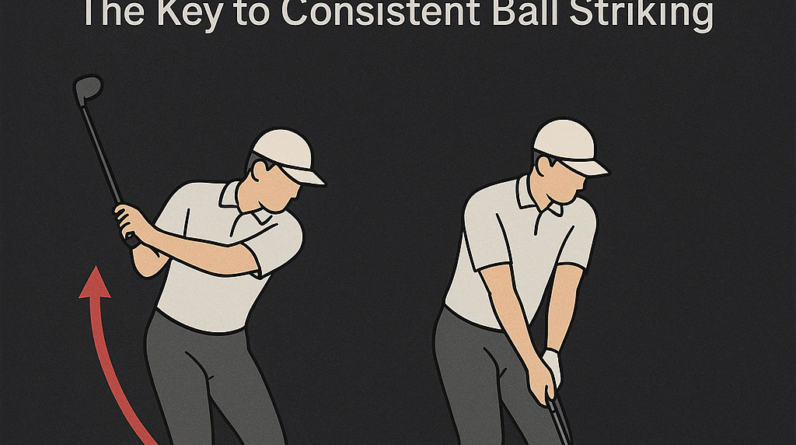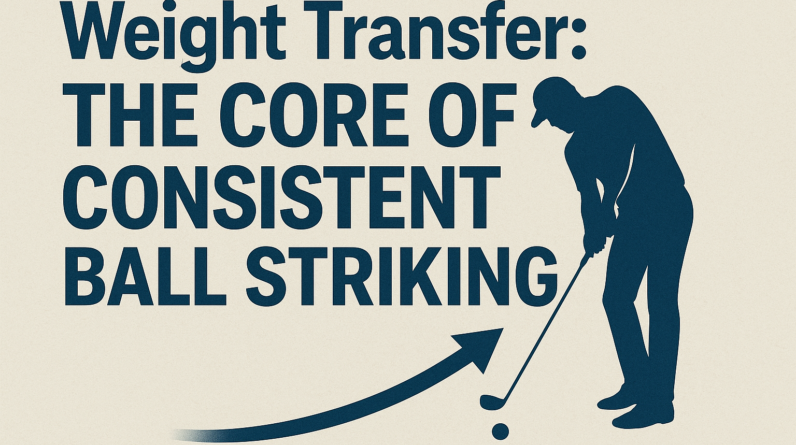

Weight Transfer: The Key to Consistent Ball Striking
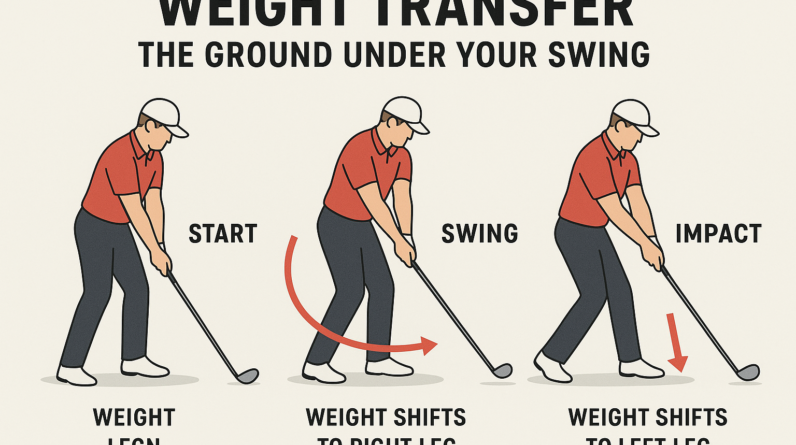
Weight transfer is about moving your center of gravity smoothly from the trail (right) leg to the lead (left) leg during the downswing and through impact. For a right-handed golfer, the goal is to start with a balanced stance, load into the trail side on the backswing, and then gradually press into the lead foot so you make solid contact with the ball and finish with most of your weight on the left foot. This post stays focused on weight transfer and how to feel it, not the full swing.
What the concept is
- Weight shift is a controlled sequence: from the trail leg in the backswing to the lead leg at impact and beyond.
- It uses the ground to generate power, not just arm speed. When you press into the lead foot at the moment of contact, you compress the arc and improve strike quality.
- Balance and timing are essential. If the weight doesn’t move, you’re more likely to hit behind the ball or skim the turf.
Why it matters to the golf swing
- Solid ball striking comes from a consistent bottom of the swing arc. A proper weight transfer helps you strike the ball first and the turf second.
- It promotes crisp contact, better compression, and more solid distance control, especially with mid and short irons.
- Good transfer supports a natural, repeatable tempo. Without it, shots can be thin, fat, or pulled due to timing issues.
What the golfer should feel when doing it correctly
- A smooth feel of the hips and trunk rotating toward the target as you approach impact.
- Pressure building gradually into the lead foot (left foot for right-handers) as you sweep through the ball.
- Your trail heel rises slightly, and your weight ends up mostly on the lead foot in the finish.
- Balance: chest and eyes remain focused on the target, not chasing the ball after contact.
2–3 common mistakes and simple fixes
- Mistake 1: Weight stays on the trail foot through impact, causing thin or fat shots.
- Fix: Start with a quiet, slightly flexed trail knee. On the downswing, feel your weight shifting onto the lead foot as you begin to rotate toward the target. Drills that emphasize stepping into the lead foot help reinforce this transfer.
- Mistake 2: Weight shifts too early, before you contact the ball, leading to loss of lag and inconsistent contact.
- Fix: Practice half-swings with a deliberate pause at impact. Focus on feeling the trail knee lightening and the lead foot taking the brunt of the load as you compress the ball, not before you reach the ball.
- Mistake 3: Excess lateral sway (a big side-to-side movement) instead of a controlled rotation, which disrupts balance and timing.
- Fix: Build control with a turning motion rather than sliding. Imagine your belt buckle rotating toward the target while your upper body stays relatively quiet until contact. Drills that emphasize rotation over slide can help.
One easy practice drill you can do at home or at the range
- The Step-Through Weight Transfer Drill (no heavy equipment needed):
- Stand in your normal address position with your feet shoulder-width apart. Take a shallow backswing and begin your downswing. As you approach impact, step forward with your lead foot (left foot for right-handers) about 12–18 inches toward the target. Your weight should progressively move from the trail foot to the lead foot as you rotate your hips and chest toward the target. Finish with most of your weight on the lead foot and your chest facing the target.
- Do 8–12 reps, focusing on a smooth transfer and balance on each rep. If you’re at the range, you can swap in a ball after a few reps to start merging this feel with actual contact.
Tip: keep the drill light and controlled. It’s about the feel of transferring weight, not about smashing the ball. As your comfort grows, you can integrate this into full swings with gradual speed increases.
Weight Transfer: The Key to Consistent Ball Striking
Understanding Weight Transfer
Weight transfer is the deliberate, coordinated movement of your body’s center of gravity from one area of the stance to another during the swing, stroke, or contact with a ball. In most ball-striking disciplines, the back foot initially bears more weight, then a controlled shift transfers load toward the front foot as you approach impact. Mastery of this transfer is what separates inconsistent ball striking from repeatable,well-timed contact.
The core idea is not to “force” weight forward, but to sequence movement so the kinetic chain—from the feet through the hips, torso, and arms—unloads toward the target. When done well, weight transfer helps you create solid contact, optimize power, and maintain balance through the shot.
- Back-to-front sequencing: Consistent strikes begin with a stable rear load and a deliberate forward shift that aligns with the swing’s arc.
- Ground reaction forces: Your legs drive the transfer,pushing against the ground to propel the body toward the ball.
- Center of gravity control: Small adjustments in spine tilt and knee bend can improve timing without losing balance.
- Impact window: The moment of contact is the culmination of loading, unloading, and precise timing, not a sudden jump forward.
Why Weight Transfer Matters for Consistency
A well-timed weight transfer stabilizes the path of the swing or stroke, minimizes deceleration near impact, and helps you maintain a stable base. When weight transfer is off—to much weight stays on the back foot, or the front foot lands early—the ball’s contact point can drift, resulting in push, pull, or mishits.
- Improved contact: Balanced weight shift produces cleaner ball impressions and reduces mishits.
- Increased power without sacrifice: Efficient transfer converts stored elastic energy into forward momentum without over-rotating or wobbling.
- Better timing across shots: A repeatable transfer pattern creates reliable timing cues,which makes you more consistent.
Sport-Specific Mechanics
Golf: Grounded Progression to Impact
In golf, the transfer begins with a slight shift toward the trail leg as you set up, then a progressive unload into the front foot through impact. The hips initiate rotation, but the upper body must follow in a coordinated fashion to keep the swing plane stable.
- Pre-impact setup: Maintain a modest knee bend and a balanced stance; the weight should be roughly split between the feet before the backswing.
- Backswing to downswing: The trail knee tracks toward the ball, allowing the hips to open gradually while keeping the spine angle intact.
- Impact: A purposeful transfer toward the front foot should occur as the hips rotate through the ball, with the chest aiming slightly toward the target.
Tennis: Ground to Net with Stable Transfer
In tennis, weight transfer underpins consistency from forehands to serves. The goal is a smooth weight move from the back foot to the front foot, timing the shift with the contact point to drive through the shot.
- Groundstrokes: From the split step, load weight onto the back leg during planning and release it into the front leg as you strike.
- Serves: The weight begins on the rear foot and shifts forward aggressively during the swing’s acceleration phase to help generate power.
- Movement cues: use soft knee bend and a slight torso rotation to keep the transfer controlled and repeatable.
Baseball/Softball: Hips, Torque, and Forward Momentum
In baseball and softball, efficient weight transfer is critical to maintaining balance while maximizing bat speed. The backside generates initial momentum, and the front side guides the bat through the hitting zone.
- Stride and load: A small stride helps set the weight toward the back leg,preparing the body to unload toward the front as contact nears.
- Rotation sequencing: The hips lead the rotation,with the torso and arms following in a coordinated sequence to maintain timing.
- Finish position: The follow-through should reflect a complete transfer of weight onto the front foot, with eyes on the ball until after contact.
Benefits of Proper Weight Transfer
- Enhances distance and accuracy by aligning power with the contact point.
- Reduces flying elbows and timing faults that lead to off-center hits.
- Improves balance, enabling smoother recoveries and better next-shot readiness.
- Promotes efficient energy use, reducing fatigue and injury risk over long sessions.
Practical Tips and Drills for Training Weight Transfer
The following drills are designed to build a reliable transfer pattern across sports. Start slow, focus on quality over speed, then gradually increase tempo as comfort grows.
-
Drill 1: Step-Through Progression — Stand in your natural athletic stance. Take a small step toward the target with your front foot while loading the back leg. as you swing or stroke, transfer weight through the front foot and step through to finish with the chest facing the target.
- Focus on a controlled, deliberate weight change rather than a rapid shift.
- Limit excessive shoulder or hip movement that disrupts balance.
-
Drill 2: Shadow Swing with Weight Shift — Perform slow, shadow swings without a ball. From set-up to finish, emphasize the transition of weight from back foot to front foot, and feel the sensation of unloading energy at impact.
- Use a mirror or video to verify knee bend and hip rotation stay in-sync.
- Aim for a slight forward lean of the torso as you progress through the swing.
-
Drill 3: Balance Board Feedback — Stand on a balance board or a stable, narrow surface. Practice slow swings while maintaining even weight distribution in the mid-stance.When you initiate the transfer, the board should feel steady rather than wobble uncontrollably.
- Victory cue: “Balance, then shift, then finish.”
- Gradually increase swing speed as balance improves.
-
Drill 4: Impact Tape or Footprint Feedback — Use impact indicators on the sole of your shoe or place light markings on the floor to visualize where pressure is applied at contact. The goal is a clean transition from the back edge to the front edge of the shoe’s footprint at impact.
- Look for even pressure distribution along the arch and ball of the front foot at impact.
- Use slow-motion video to confirm timing with the ball’s contact point.
-
Drill 5: Metronome Timing — Set a metronome to a cozy tempo that you can sustain for 20–30 seconds. Synchronize the weight transfer with every beat, ensuring the swing or stroke reaches contact on a specific beat.
- In golf, use the beat to time the downswing sequence; in tennis or baseball, align the contact with the primary beat.
Common Mistakes and How to Fix Them
- Mistake: Keeping weight predominantly on the back foot through impact. Fix: Practice gradual forward transfer with drills that emphasize finishing on the front foot.
- Mistake: Early weight transfer causing a rushed contact. Fix: Slow the setup-to-impact sequence and focus on a smooth tempo; use a metronome or countdown to tempo.
- Mistake: Over-rotating hips or twisting the torso too early. Fix: Maintain a stable spine angle and let the hips rotate in sync with the arms rather than ahead of them.
- Mistake: loss of balance after impact. Fix: Increase stance width slightly and strengthen the core with targeted exercises to support the transfer.
- Mistake: Rushing the transfer due to mis-timing.Fix: Implement a pre-contact cue such as a small breath or shoulder alignment check to lock in timing before contact.
Case Studies and First-Hand Experience
In coaching sessions with mixed athletes—golfers, tennis players, and batters—the most consistent improvements come from a repeatable transfer rhythm rather than raw power alone. One golfer, who struggled with consistent contact, shifted to a drill routine emphasizing a deliberate weight shift in the downswing. Within six weeks,ball-striking precision improved,and the player reported more predictable trajectories even under pressure.
A tennis player who previously relied on arm speed saw greater consistency onc the coach instilled a refined weight transfer pattern from the legs to the shoulders. He reported less wrist flick at contact and improved depth on forehand sprays. The lesson: power is amplified when the body moves as a coordinated chain, not when one segment moves independently.
In baseball batting, deliberate loading and unloading of weight reduced off-speed misses and helped the hitter maintain balance through the contact zone. The key takeaway across these experiences is the value of progressions—start with static transfers, move to slow-motion swings, then add speed only when the transfer remains clean.
Quick Reference: Drills at a glance
| Drill | What It Teaches | Key Cue |
|---|---|---|
| Step-Through Progression | Sequencing of weight from back to front foot | “Step, shift, finish” |
| Shadow swing | Timing and balance without ball contact | “Feel the transfer” |
| Balance Board Feedback | Stability during weight transfer halves | “Stabilize before you rotate” |
| Impact Tape Feedback | Visual feedback on pressure distribution at contact | “Front foot pressure at impact” |
Integrated Cues and Training Plan
For athletes aiming to improve their weight transfer, a simple yet effective plan is:
- Weekly focus: pick one sport-specific transfer cue (golf: front-hip engagement; tennis: lead leg collapse timing; baseball: hip rotation timing).
- Daily short sessions: 10–15 minutes of transfer-focused drills (shadow swings, balance drills, and step-through progressions).
- Video review: record two concise clips per week to check for balance,knee stability,and front-foot pressure at impact.
- Progressive loading: gradually increase swing speed only after confidence in the transfer becomes consistent across reps.