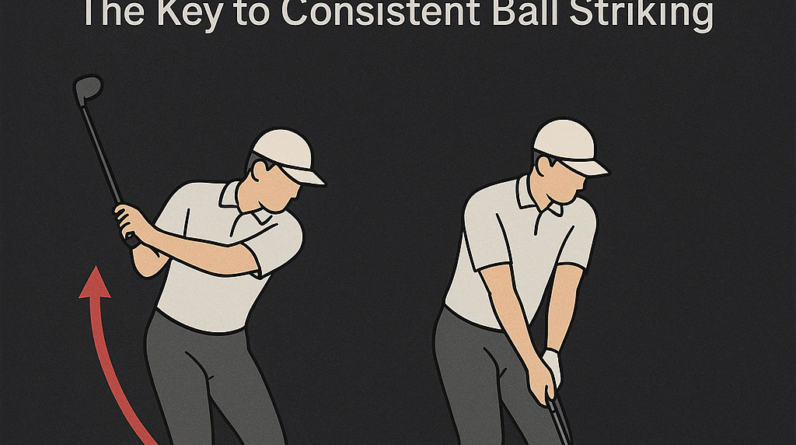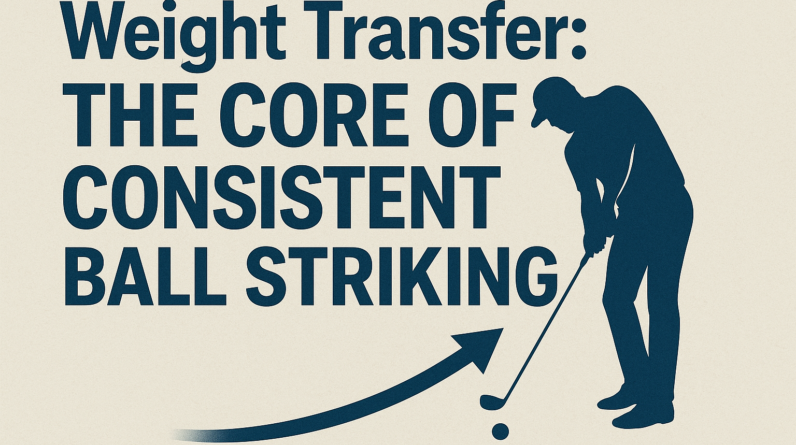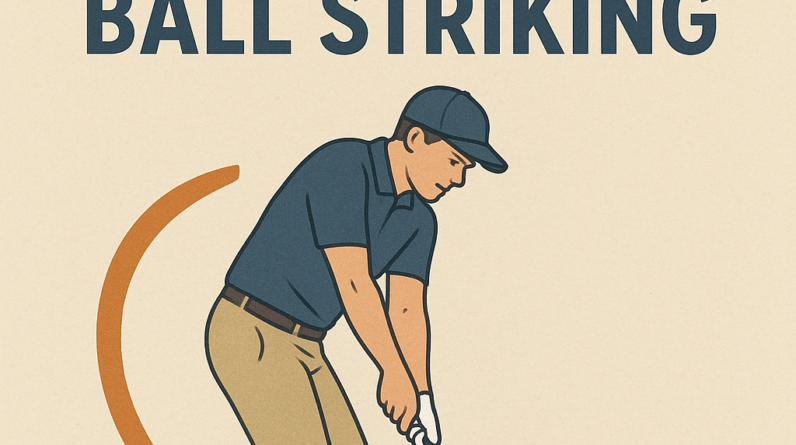

Weight Transfer: The Key to Consistent Ball Striking
When beginners ask me how to stop thin or fat shots, I start with the most reliable baseline: weight transfer. Put simply, it’s how your body moves your weight from the back foot to the front foot as you swing through the ball. Done well, it helps you strike the ball crisply with solid contact and predictable ball flight. Done poorly, and you’ll feel like you’re fighting your own balance and timing.
What the concept is
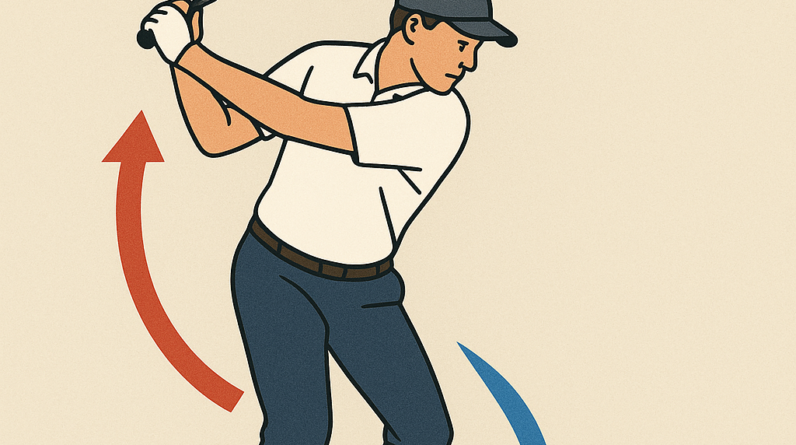
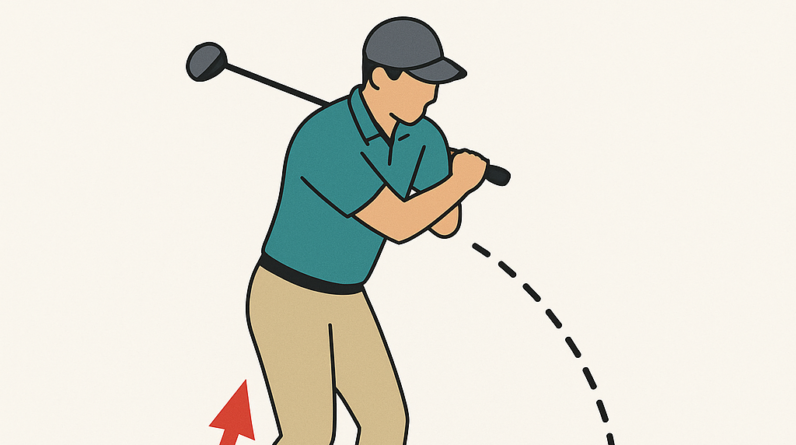
Weight transfer is the intentional shifting of your center of mass from the trail foot (the foot you set up with) toward the lead foot (the one closer to the target) as you move from the top of the backswing, through the downswing, and into impact. In a well-timed sequence, your hips rotate and your legs support that motion, allowing the clubface to square up as you strike the ball. The goal isn’t to tip over or slide; it’s a controlled, athletic transfer that stays centered over the midline of your stance.
Why it matters to the golf swing
- Consistent contact: Proper transfer helps you strike the ball first, then the ground, which leads to solid, repeatable contact.
- Solid pressure through impact: Shifting weight forward helps your hands arrive in front of the ball, promoting the correct low-to-high path and reducing scooping or flipping.
- Direction and distance control: When weight moves correctly, you’ll feel more control over how your body uncorks the shot, which translates to tighter dispersion and more predictable distance.
What the golfer should feel when doing it correctly
- Feel a deliberate shift of weight onto the lead foot as you approach impact.
- Keep a light, athletic tension in the legs—not rigid—so you can rotate and post up through the shot.
- Maintain spine angle and a stable upper body while the hips clear and the lead knee softens toward impact.
- Pressure on the arch/ball of the lead foot, with the trail foot starting to relax its grip as the weight moves forward.
2–3 common mistakes golfers make with this concept
- Mistake 1: Weight stays on the back foot too long, causing fat shots or hooks due to late contact.
- Mistake 2: Early weight transfer or “jumping toward the ball,” which leads to loss of control and inconsistent distance.
- Mistake 3: Not transferring enough weight, leaving the ball on the back foot and producing thin or weak contact.
Simple, actionable fixes for each mistake
- Fix for Mistake 1: Start the downswing by initiating the hip turn first, then allow the weight to shift forward naturally. Think “rotate first, then transfer.” Practically, feel your trail knee guiding toward the target line while your lead knee firms up slightly as you approach impact.
- Fix for Mistake 2: Pause slightly at the top of your backswing and then step into the shot with your lead foot as you rotate toward the target. A small, controlled forward step helps time the transfer without collapsing your posture.
- Fix for Mistake 3: Create a conscious transfer cue: on a half-to-full swing, imagine your weight sliding into the lead foot by 60–70% at impact. Keep your head steady and feel the lead foot bearing most of the load at contact.
One easy practice drill you can do at home or on the range
- Setup with a normal stance and a short iron or a wedge. Place a small mat or towel under your trail foot to encourage a weight transfer, not a slide.
- Take your backswing as usual, then begin the downswing by rotating your hips first while the lead foot stays grounded. As you approach the ball, push gently into the lead foot and step through with the lead foot toward the target in a controlled manner.
- Finish with your weight fully on the lead foot and your chest facing the target. Repeat in small numbers until you feel a smooth, forward transfer without losing balance.
Tip: keep this focused on the move of the body, not the arms. Your arms will follow as the hips and legs drive the transfer. With consistent practice, you’ll notice crisper contact, more centered shots, and improved distance control.
Weight Transfer: The Key to Consistent Ball Striking
Why weight transfer matters in ball striking
Weight transfer is the intentional shift of your body’s weight from the back leg toward the front leg during the moment of contact.
It’s the bridge between your setup and the point of impact that translates body rotation and ground reaction forces into
consistent power and accuracy. When done correctly, weight transfer helps you:
- Generate more club head speed or racket speed without forcing your body into awkward positions.
- Maintain balance through impact, reducing the likelihood of off-centre strikes.
- Improve timing and sequencing so your arms lever is supported by your hips and torso.
- Control trajectory and dispersion by aligning weight shift with the intended target line.
In golf, tennis, soccer, and baseball/softball, the principle is the same: momentum from the ground up creates consistent contact.
Biomechanics behind weight transfer
Weight transfer is a coordinated sequence of movements in three main regions:
- Ground reaction forces: Your feet generate push-pull forces against the ground, which drive leg drive and hip rotation.
- pelvis and hips: Hip rotation helps funnel energy toward the contact point, while maintaining posture and spine angle.
- Torso and arms: The torso and arms guide the energy from the hips into the strike, with the arms acting as a controlled extension.
Key cues to monitor during the transfer include keeping a stable spine angle, avoiding excessive early extension, and ensuring a smooth forward weight shift rather than a sudden lurch. A sound transfer minimizes load on the back knee and keeps the center of gravity over the lead foot at impact.
How weight transfer differs by sport
While the core concept remains the same, the timing, direction, and emphasis of weight transfer vary by sport and shot type.
Golf
In golf, the key is a gradual, powerful shift from the trail foot (right foot for right-handed players) toward the lead foot (left foot) during the backswing and through impact. The hips clear, the torso rotates, and the weight moves forward to deliver a solid, centered strike on the ball. A common goal is to maintain spine angle while transferring enough weight to support a consistent strike path.
Tennis
Tennis forehands and backhands rely on a dynamic weight transfer from the trailing leg into the front leg as you make contact. Proper transfer helps you generate racket head speed while keeping the swing path compact and controlled. Early rotation followed by forward weight shift through contact is typical for solid groundstrokes.
Soccer
For powerful shots, players push off the non-striking foot while shifting weight to the front foot as the striking foot contacts the ball. This transfer, combined with hip and torso rotation, creates the line drive or curve needed for accurate, fast shots. Balance and knee alignment are critical to prevent overextension or mis-hit balls.
Baseball/Softball
In batting, weight transfer starts with loading the back leg and than driving through the front leg. A well-timed transfer aligns the hips with the swing plane,maximizing bat speed and contact quality. A common coaching focus is keeping the head steady and rotating the hips early enough to deliver energy through the hitting zone.
Benefits of proper weight transfer
- Increased power without sacrificing control
- Improved consistency of contact point and ball flight
- Better balance through impact and after-impact recovery
- enhanced sequencing between hips,torso,and arms
- Reduced risk of over-rotation or early-commitment errors
Practical tips and drills to train weight transfer
These drills translate the concept into tangible practice,with the aim of making efficient weight transfer automatic under pressure.
Core drills
- Wall drill: Stand with your back heel close to a wall. Practice turning the hips and rotating the torso while sliding the weight from the back foot to the lead foot, ensuring the wall lightly touches the back and mid-back areas. This discourages excessive reverse spine angle and promotes a forward weight shift.
- Step-through drill: From a stationary stance, take a small step toward your target with the lead foot during the swing or strike. Focus on transferring weight forward smoothly as you step, not after contact.
- Balance and core stability: Include planks,side planks,and single-leg stands with micro-movements to build the core strength needed to control transfer and maintain posture during rapid movements.
Rotation and torque drills
- Medicine ball rotational throws: Stand with feet shoulder-width apart, rotate hips and torso to load, then throw the medicine ball against a wall or partner. Emphasize a powerful, controlled forward transfer from back to front foot during the throw.
- Torso stack drill: From a staggered stance, rotate the torso while keeping the pelvis stable, then deliver a controlled strike while shifting weight to the lead foot. This reinforces sequencing without collapsing the spine angle.
Sport-specific drills
- Golf tee drill: Place a small tee under the back foot, and perform practice swings while feeling the weight gradually move forward through impact. This helps you time the forward transfer with the ball contact.
- Tennis stance drill: Practice forehands and backhands from a slightly closed stance, focusing on a deliberate weight shift into the front foot as you make contact with the ball.
- Soccer wall shot: Stand a few feet from a wall,strike the ball while actively transferring weight forward,ensuring your non-kicking foot guides your balance and direction.
Common mistakes and fixes
- Too much weight on the back foot at impact: Fix by delaying the backswing’s top pressure and initiating the forward transfer earlier in the swing or stride. Keep a light, athletic knee bend on both legs.
- Late weight transfer or air time: Train with tempo drills that emphasize a controlled, continuous transfer from trail to lead foot rather than a sudden, late shift.
- Loss of spine angle during transfer: Focus on maintaining a neutral spine and rotating the hips rather than bending forward. Use wall drills or mirror feedback to monitor posture.
- Over-rotation or hip sway: Build core stability to manage rotation and prevent the hips from dragging the torso out of alignment.
First-hand experience and case insights
Developing a reliable weight transfer routine often yields tangible improvements in performance. Hear are two concise anecdotal observations from players focusing on transfer mechanics:
- A recreational golfer reported noticeably tighter shot dispersion and increased distance after a six-week program focused on transitioning weight smoothly from the back foot to the lead foot during impact. The golfer described more consistent launch angles and less reliance on arm speed alone.
- A competitive tennis player found that incorporating rotation-centric drills improved shot depth and control. By emphasizing forward weight transfer through contact and maintaining spine angle, the athlete achieved more stable ball trajectories on both forehands and backhands, especially under pressure.
Quick reference: weight transfer cues by sport
| Sport | Primary weight transfer cue | Common mistakes | Recommended drills |
|---|---|---|---|
| Golf | Shift weight from back foot through to lead foot during impact | Staying on the back foot; collapsing spine; late transfer | wall drill, golf tee drill, balance and rotation work |
| Tennis | Forward weight transfer as the racket meets the ball | Early arm push; weight stays behind; off-center contact | Step-through forehands, rotation drills, medicine-ball throws |
| Soccer | Drive weight into the kicking leg through contact | Over-rotation; front knee collapse; loss of balance | Wall shots, controlled contact drills, stance balance work |
| Baseball/Softball | Load back leg, then transfer through the front leg at contact | Back-foot drag; head movement; late swing sequencing | medicine ball rotations, swing path drills, step-through practice |
Frequently asked questions
Why is weight transfer more vital than just “hitting hard”?
Power without control often leads to inconsistent results and off-center contact. Proper weight transfer aligns energy from the ground up, enabling both speed and accuracy.
How long does it take to improve weight transfer?
Results vary by athlete, but most players notice improvements in feel and consistency after 4–8 weeks of focused drills and deliberate practice.Consistency comes from repetition and quality feedback.
Can weight transfer fix all swing faults?
Weight transfer is a foundational element,but optimal ball striking also depends on rhythm,grip,posture,line of attack,and timing. It effectively works best when integrated with a comprehensive technique plan.
Practical checklist for your next practice session
- Warm up with mobility and balance exercises to prepare the hips and core.
- Do 5–10 minutes of rotation and transfer drills (e.g., wall drill, step-through drill).
- Incorporate sport-specific drills that emphasize weight transfer through contact.
- Record a few swings or strokes from the side to verify spine angle is preserved during transfer.
- finish with a cool-down that reinforces stable posture and core control.