
Weight Transfer: The Missing Link to Consistent Ball Striking
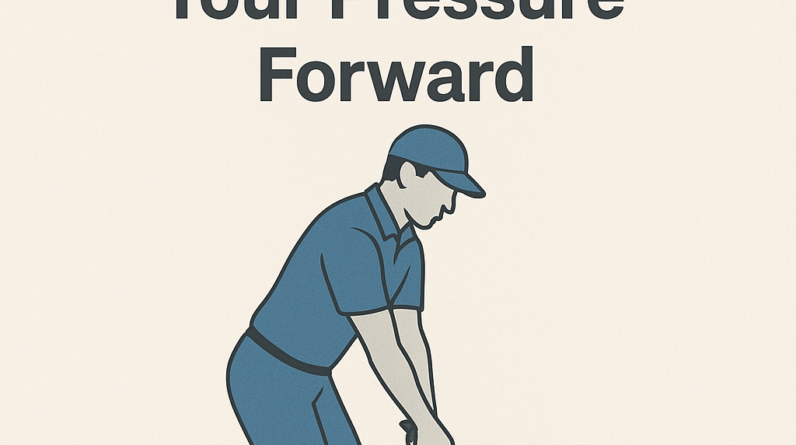
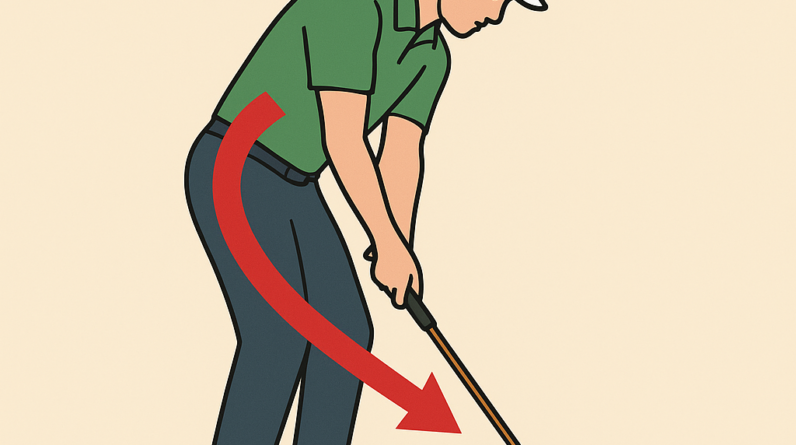
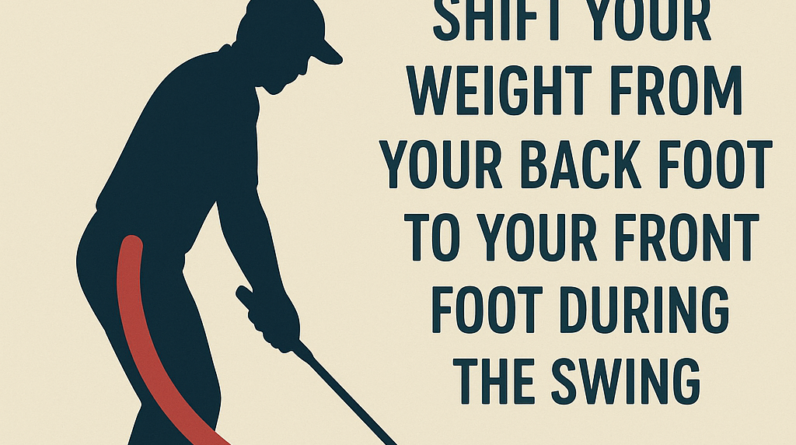
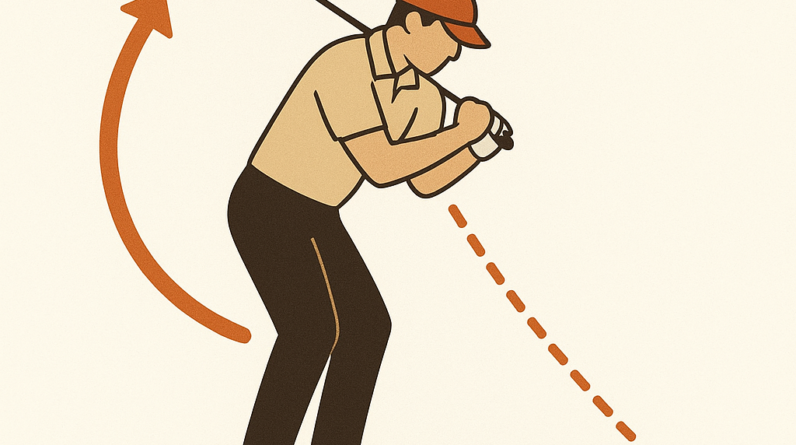
Choose one focused concept and master it: weight transfer. This is the smooth, progressive shift of your body’s weight from the trail (back) foot toward the lead (front) foot as you swing through impact. In a solid swing, you load into the back foot on the backswing and finish with most of your weight on the lead foot after contact. It’s not a big hop or squat—it’s a controlled rotation and pressure move that keeps the lower body quiet and the upper body delivering solid contact.
Why it matters to the golf swing
- Improves contact and compression by delivering the club into the ball with the correct angle of attack.
- Enhances accuracy and consistency by maintaining balance and a stable spine through impact.
- Supports proper sequencing: hips rotate first, then torso, while the weight shifts smoothly forward.
- Helps reduce common misses (thin shots, fat shots, and pulls/slices) caused by improper balance or timing.
What you should feel when it’s working
- At the start of the downswing, you feel pressure build into your trail foot; the weight begins to move toward the lead foot as you approach impact.
- Your lead knee flexes and your hips rotate toward the target without excessive forward slide.
- Your spine angle stays relatively constant, and your balance settles onto the lead foot at impact and through finishing positions.
- In a good finish, you feel strong, grounded, and facing the target with your belt buckle pointing that way.
2–3 common mistakes and fixes
- Mistake 1: Weight never leaves the trail foot; you “hit from the back foot.”
Fix: During practice, slow the pace and deliberately shift weight toward the lead foot in the downswing. Use 6–8 slow half-swings, focusing only on feeling the pressure move forward. - Mistake 2: Early weight transfer to the lead foot (too soon in the downswing), which reduces lag and solid contact.
Fix: Maintain your spine angle and let the hips rotate first. Keep your weight centered until you sense the transition into the lead leg just before impact. A helpful cue is to pause briefly at the top, then initiate the downswing with a controlled shift rather than a hurry-to-hit. - Mistake 3: Swaying or sliding laterally instead of turning, causing loss of balance and inconsistent strikes.
Fix: Practice with a small wall drill: stand close enough that your back or hips lightly touch a wall. Rotate your hips toward the target while keeping your spine in a stable position so you don’t slide. This trains a rotational weight transfer instead of a slide.
One easy drill you can do at home or on the range
Step-Through Weight Transfer Drill: Take your normal stance and address a ball or simply swing slowly without a ball. On the downswing, push off the trail foot and take a small step toward the target with the lead foot as you strike. The goal is a smooth, progressive transfer of weight onto the lead leg and a balanced finish facing the target. Do 8–12 reps, keeping your head steady and your hips rotating rather than sliding.
Tip: Keep your head relatively still while you feel your hips and chest turn through impact. This helps ensure the transfer is driven by rotation, not lateral movement.
Weight Transfer in Ball Striking: Master the Move for Consistent Contact
Weight transfer: The Missing Link to Consistent Ball Striking
In any sport that hinges on precise contact, how you move your weight through the swing can make or break your results. weight transfer is not a flashy gimmick—it’s the fundamental mechanism that connects your setup,your tempo,and your impact. When executed correctly, it smoothes out mishits, increases distance, and produces repeatable ball flight.
What is weight transfer in ball striking?
Weight transfer refers to the purposeful and efficient shifting of your body’s mass from the back side to the front side during the swing. In golf—and similarly in other ball-striking sports—the sequence typically starts from the trail foot (the back foot) and progresses through the hips and torso to the lead foot (the front foot).The goal is to maintain balance while maximizing energy transfer from ground to clubhead, so the clubface meets the ball with solid contact and optimal compression.
- back-foot loading: Ground forces drive your weight toward the trail leg during the backswing, storing elastic energy in the legs and hips.
- Transition: The hips fire,the torso rotates,and weight begins to move toward the lead side. Timing is critical here.
- Lead-foot release: At impact, most of your weight should be over the lead foot, with a stable base that enables clean contact.
Why weight transfer matters for consistency
Consistency in ball striking comes from a repeatable sequence, not from relying on raw arm speed or luck.Proper weight transfer:
- Improves contact: A centered contact creates a tighter dispersion pattern and better ball compression.
- Increases power without extra effort: Efficient energy transfer from ground to club reduces energy leaks through improper balance.
- Promotes better attack angle and path: Balanced weight progression helps you deliver the club on a downward plan that stabilizes swing path.
- Reduces injury risk: A natural weight shift decreases compensations in the lower back and hips.
- Enhances timing: when the body unwinds in a controlled sequence, the clubface meets the ball at the optimal moment for solid contact.
Core principles of proper weight transfer
- Bony alignment and posture: A stable setup with slight knee flex and a neutral spine sets the stage for a smooth transfer.
- Ground reaction forces: Your legs and feet push into the ground; the ground pushes back, driving energy toward the clubhead.
- Sequencing: The chain should move from ankles → knees → hips → torso → arms. Pause briefly at impact to maintain balance.
- Rotation vs. sway: Use hip rotation and trunk torque rather than lateral sway to move weight forward.
- Center of gravity control: Keep your CG over the midline of your stance; avoid excessive lateral movement.
Drills to train weight transfer
Practise drills that emphasize connection to the ground and proper sequencing. Start slowly, then build tempo as you feel the transfer become automatic.
- Static-to-dynamic weight shift drill: Stand tall, feet shoulder-width apart. Inhale to preload your weight toward the back foot, then exhale and gently shift toward the lead foot while maintaining knee flex and balance. repeat 12–15 reps, then add a half-swings motion.
- Step-through drill: Address the ball with a narrow stance. On the backswing, pivot and step toward the target with the lead foot in a controlled step, then swing through. This reinforces forward weight transfer and balance through impact.
- Two-bag drill: Place two bags on the ground: one under the trail foot and one under the lead foot. Practice a slow swing focusing on transferring weight off the trail bag and onto the lead bag at impact.
- slow-motion compression drill: Move to a 60–70% swing speed. Concentrate on creating a moment in which the weight is visibly shifting from back to front just before impact. Use a mirror or video feedback to confirm the weight transition.
- Ground-reference drill: Stand on a short strip of tape or a line on the turf. During the swing, aim to keep your body over the line, especially through impact, to prevent early weight release.
Progression plan: from fundamentals to on-course transfer
Apply these steps to build a reliable transfer that carries into the course. Each stage should feel natural, not forced.
- Master the basic sequence with a short iron at a relaxed tempo.
- Incorporate a light step-through to simulate athletic weight transfer without losing balance.
- Add a slight push-off with the trail leg during transition to accelerate weight forward.
- Practice with a weighted club or a resistance band to reinforce muscular engagement in the legs and hips.
Practical tips for daily practice
- Mirror work: Use a full-length mirror to watch your weight movement from takeaway to impact. Look for a clean shift from back foot to lead foot without excessive lateral sway.
- Footwear and stance: Pleasant, stable footwear helps you feel the ground more clearly. A slightly wider base can aid balance during weight transfer drills.
- Ground contact awareness: Consider a slower swing with a focus on feeling the pressure shift from the heel toward the ball of the lead foot as you approach impact.
- Tempo control: Avoid rushing the transition. A deliberate tempo helps you sequence weight transfer more reliably.
- Video feedback: Record your swing from a down-the-line view; analyze how your weight shifts from the trail foot to the lead foot across the swing plane.
Common mistakes and how to fix them
- Mishit due to late weight shift: If your weight stays back too long, you often flip the wrists or swing with the arms. Fix: initiate the transfer earlier with a subtle hip turn and a slight shoulder tilt toward the target.
- Excessive lateral sway: Sliding the hips sideways reduces clubhead speed and accuracy. Fix: Maintain a connected spine angle and rotate more, allowing weight to move without lateral drift.
- Early weight transfer causing loss of lag: Shifting weight too soon can release energy prematurely. Fix: Delay weight transfer slightly by maintaining a softer trail knee and controlled hip rotation until just before impact.
- Flat-footed impact: Not getting onto the lead foot enough can collapse the strike. Fix: Practice with a light forward press into the lead foot during downswing and ensure pressure is felt under the ball of the lead foot at impact.
Case studies and first-hand experiences
Case study 1: A recreational player with a consistent slice and inconsistent contact found that correcting weight transfer dramatically improved both accuracy and distance. By focusing on a deliberate transition from the trail foot to the lead foot and integrating step-through drills,they reduced the left-to-right dispersion and started hitting a more centered shot on the target line.Within six weeks, their fairway hit rate increased noticeably and their average ball speed improved by 4–6 mph.
Case study 2: A mid handicap player struggled with a high path and weak contact on iron shots. After implementing a slow-motion transfer drill and incorporating ground-reaction awareness into practice, they achieved a more stable impact position and a clearer divot path. The result was a more repeatable strike, a lower dispersion ring, and a higher confidence on approach shots.
First-hand experience: The most valuable takeaway is that weight transfer isn’t a one-size-fits-all fix. Individual biomechanics influence how you load and release. The best approach is to experiment with tempo, stance width, and minor posture adjustments while keeping the core rule in mind: push into the ground during the transition, rotate through impact, and feel the weight settle onto the lead foot at contact. Consistency emerges when you can reproduce the same transfer pattern under different pressure settings—on the range, in practice rounds, and under real competition.
table: Weight Transfer Drills and Focus
| Drill | Key Focus | How to Perform |
|---|---|---|
| Static-to-Dynamic Shift | Weight loading and transition | Stand tall,shift weight to back foot,then smoothly move to front foot with balance maintained. 12–15 reps. |
| Step-Through Drill | Forward weight transfer with rotation | Address ball,initiate backswing,step through with lead foot,complete swing with stable finish. |
| Two-Bag Drill | Load and release energy | Place bags under both feet; practice shifting weight off trail bag onto lead bag at impact. |
| Slow-Motion Compression | Timing and contact quality | Swing at 60–70% speed,focus on weight shift just before impact; use video for feedback. |
FAQ: Quick answers on weight transfer and ball striking
- Q: Should I feel weight on the lead foot at impact?
- A: Yes, a healthy transfer means most of your weight is over the lead foot at impact, with a stable base to support solid contact.
- Q: How do I know if my weight transfer is too quick or too slow?
- A: If you lose balance, flip the wrists, or drift off the target line, your transfer timing is off. Aim for a smooth, progressive shift that coincides with the downswing and impact.
- Q: Can weight transfer help with driver accuracy?
- A: Absolutely. A more efficient transfer can keep the ball on a straighter path and maximize energy transfer, leading to longer, more consistent drives.
Quick reference cheat sheet
- Start the downswing with a controlled hip rotation, not arm flattening.
- Let weight shift naturally toward the lead foot as you approach impact.
- Maintain a stable spine angle; avoid early lumbar extension.
- Use drills regularly to transfer this concept from practice to on-course performance.
Practical implementation plan
To maximize the impact of weight transfer on your ball striking, create a weekly plan that blends technique with feedback:
- Day 1–2: work on the basic transfer drills with a mid-iron at a relaxed tempo. focus on balance and the feeling of pressure moving to the lead foot at impact.
- day 3–4: Add a step-through drill to integrate rotation and forward momentum. Use a mirror or video to check alignment and balance.
- Day 5–6: Combine drills with a short-range driver session. Emphasize a controlled, powerful transfer and a consistent contact point.
- Day 7: On-course evaluation. Apply the transfer pattern to a variety of clubs and shot shapes, noting changes in dispersion and distance.
Maintaining momentum requires patience and consistent practice. Weight transfer is a biomechanical lever; when used correctly, it unlocks repeatable ball striking, improves confidence, and elevates overall performance. Integrate the drills with a well-rounded program that includes mobility work, core stability, and club-specific practice to support sustainable progress.