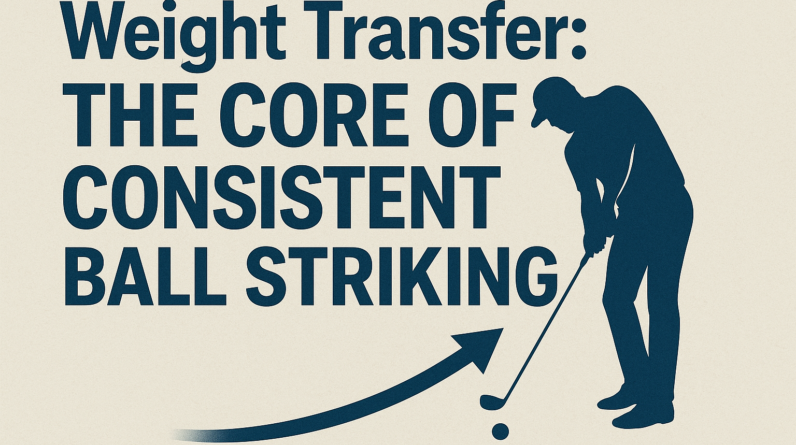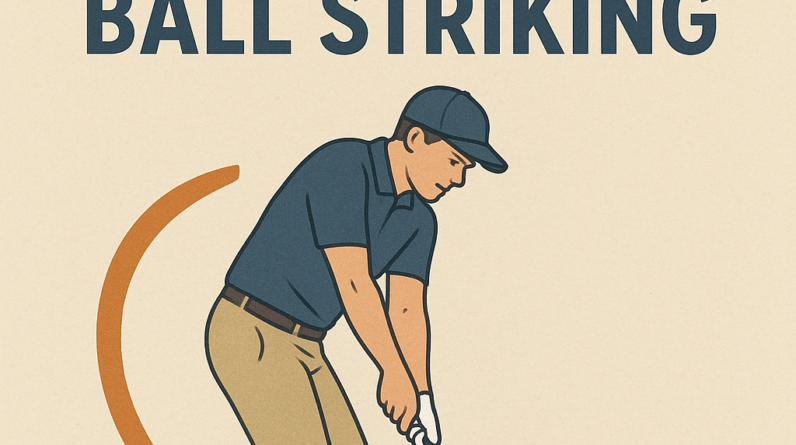

Weight Transfer: The Ground Under Your Swing
For beginner to intermediate players, how you move your weight is a fundamental driver of solid contact. Weight transfer is the deliberate, sequential movement of your body weight from the back foot to the front foot during the swing. It’s not a single moment, but a smooth progression that starts in the backswing and finishes with your weight on the front foot at impact.
What the concept is
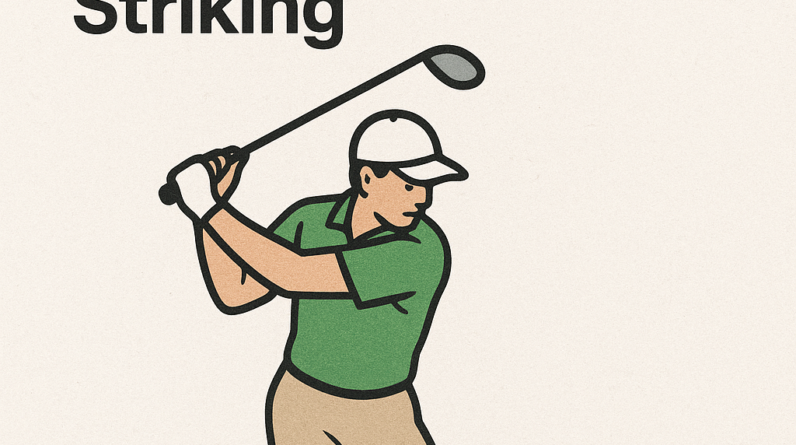
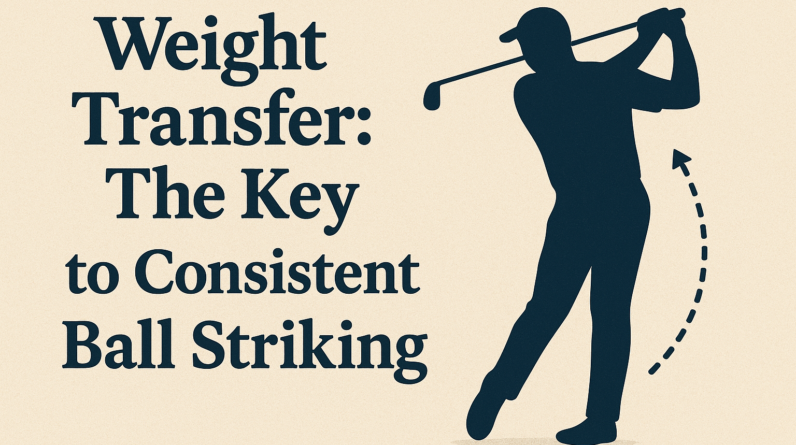
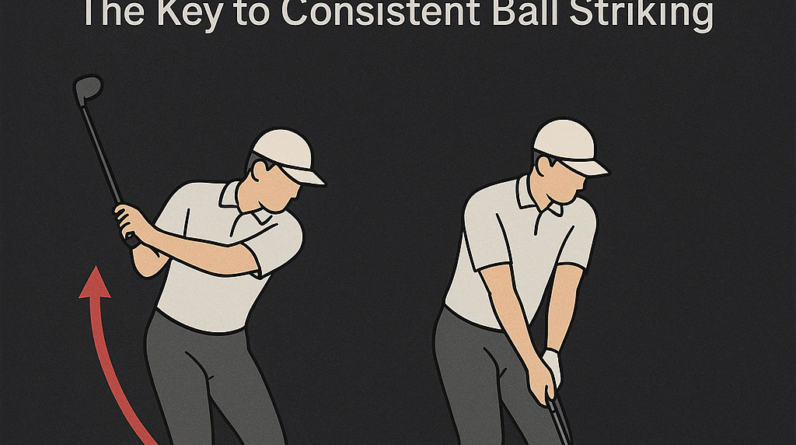
In a right-handed swing, you begin loading weight onto the inside of your right foot during the backswing. As you start the downswing, your hips rotate toward the target and your weight shifts onto the left (front) foot. By the time you strike the ball, most of your weight should be on the front foot, with your spine staying tall and your balance centered. This transfer is what allows the club to meet the ball with solid contact and proper compression.
Why it matters to the golf swing
- Promotes clean contact and solid compression by aligning energy from the ground up into the ball.
- Improves consistency of direction and distance by maintaining a stable base through impact.
- Helps reduce fat shots (hitting behind the ball) and thin shots (grounding early) by keeping you connected to the ground and the target.
What you should feel when doing it correctly
- During the backswing you feel load on the inside of your back foot (right foot for a right-hander).
- As you initiate the downswing, you sense the weight beginning to move toward the front foot while your hips turn toward the target.
- At impact, most of your weight is on the front foot, with a stable knee and a tall, athletic spine angle.
- Your balance is maintained through the finish, and your chest appears square to the target.
2–3 common mistakes and fixes
- Mistake 1: Weight stays on the back foot through impact, causing heavy contacts or shots toward the toe.
Fix: Feel a gradual forward transfer as you approach impact. Keep the upper body quiet while the hips rotate and the trail knee straightens a bit. Focus on maintaining your spine angle. - Mistake 2: Lateral hip slide instead of rotation, leading to loss of power and inconsistent contact.
Fix: Rotate the hips toward the target rather than sliding sideways. Drill idea: place a small towel between your hips and hands and practice rotating to target while keeping the towel in place. If the towel slips, you’re sliding; if it stays, you’re rotating. - Mistake 3: Too-quick weight transfer or releasing the lower body too early, resulting in early arm/club release.
Fix: Pause the downswing slightly to feel the “ground push” from the trail foot, then rotate into impact. A micro pause at the top (about a half-second) can help you sense proper sequencing and prevent early rotation.
One easy practice drill
Step-Through Weight Transfer Drill
- Stand in your normal address position with no ball.
- Take a half backswing, then step through toward the target with your lead foot as you swing to a full finish.
- The drill forces you to complete the weight transfer and rotation, reinforcing the correct sequence and balance.
Tip: Do 2 sets of 12 reps on each side, then pause to feel where your weight is at impact. Progress to the range with a ball once you can reproduce the feeling smoothly.
Weight Transfer: The Ground Under Your Swing
In any sport that involves a dynamic, explosive action — whether you’re driving a golf ball, driving a tennis ball, or swinging for the fences in baseball — the ground beneath your feet is your most critically important ally. Weight transfer, or weight shift, describes how you move your body’s mass from one place to another during the swing. When done correctly, it creates a powerful kinetic chain that translates ground reaction forces into clubhead or bat speed, control, and consistency. In this article, we’ll unpack the science, debunk common myths, and provide practical drills you can apply across sports to optimize the ground under your swing.
The Core Idea: What Weight Transfer Is
Weight transfer is the intentional movement of your body’s center of gravity through the stance from the initial setup, through the backswing, and into the downswing and impact. Rather than swinging with passive balance, elite athletes actively direct pressure and weight from the trailing foot to the leading foot at the precise moment of contact. This creates a more powerful lever system, preserves balance, and minimizes energy leaks that can dampen speed and accuracy.
The biomechanics Behind Weight Transfer
Ground Under Your Swing: Ground Reaction Force,Center of Gravity,and sequencing
Three core biomechanical concepts drive effective weight transfer:
- Ground Reaction Force (GRF): The reaction the ground provides as you push against it during the swing. Proper weight transfer converts GRF into forward momentum and rotational torque.
- Center of Gravity (CoG): The point were your body’s mass is balanced. Maintaining the CoG over a stable base while shifting it smoothly forward and laterally ensures rhythm and balance.
- Kinetic Sequencing: The orderly transfer of energy through the body — from the ground through the legs, hips, torso, arms, and finally to the distal end (hands or club/bat). Early loading of the trail leg followed by deliberate unloading through the front leg creates speed and control.
When sequencing is off, you may feel “stiff,” lose velocity, or misalign your path. When you optimize sequencing,you unlock a natural acceleration pathway that helps your club or bat reach the target with intention rather than brute force.
How Weight Transfer Affects Performance
Correct weight transfer influences several performance pillars:
- Power: Efficiently collecting energy from the ground and funneling it into the swing multiplies clubhead or bat speed.
- Precision: A controlled shift stabilizes your base, improving timing and contact quality.
- Consistency: Repeating a reliable transfer pattern reduces swing variability and inconsistency.
- Injury Prevention: balanced loading and unloading minimize compensations that can strain knees, hips, and lower back.
Weight Transfer in Golf
Setup, Load, and Transition
In golf, weight transfer starts at setup and evolves through the swing. A common, effective pattern is:
- Setup: A stable address with weight distributed roughly 50/50 between the feet, slight knee flex, and a posture that maintains spine angle. The distribution allows you to react to the ball and the swing plane.
- Backswing Load: Shift a portion of weight toward the trail foot (right foot for right-handed players,left for lefties) as you coil your hips and shoulders.The trail leg stores energy like a loaded spring.
- Transition and Downswing: initiate the downswing with a subtle, deliberate move of the hips toward the target, unloading weight from the trail foot toward the lead foot. The legs and hips act as the engine that drives torso rotation and arm speed.
- Impact and Through-Impact: At impact,most players transfer significant weight onto the lead foot,with the small amount of residual pressure still on the trail foot.The body then continues rotating through the ball, maintaining balance and extension into the follow-through.
Common Golf Faults and Fixes
- Over-rolling onto the toes: Fix by practicing with a slight heel-to-toe emphasis during the backswing to keep weight over the middle of the foot.
- Early reverse weight shift: Avoid by drilling slow-motion swings focusing on loading the trail hip frist, then transitioning to the lead foot at the correct moment.
- Excessive weight on the back foot at impact: Pause at impact with a focus on transferring pressure to the lead foot while maintaining spine angle.
Weight Transfer in Tennis
Ground Contact and Ground Forces in Rallies and Serves
In tennis, weight transfer supports shot speed and spin. Key differences from golf include more frequent lateral movement and rapid weight shifts between feet as you adjust to the ball’s location and height. The ideal pattern often looks like:
- Split-Step readiness: A light load on both feet and a small bounce just before you move in any direction, ready to transfer weight quickly to the forward foot on contact.
- forward Weight Shift on groundstrokes: as you swing, pressure moves toward the inside edge of the lead foot, allowing the hip and torso to rotate efficiently and produce pace through the ball.
- Graceful Recovery: After contact, weight shifts back toward the rear foot to reset and prepare for the next shot.
Practical Tennis Tips
- Keep a slightly wider stance for stability, but don’t lock your knees. Flexible hips maintain the chain of motion.
- Use the legs to drive rotation rather than relying solely on the arms. This gives you more power with less exertion.
- For serves, load into the back leg and rotate through the chest and hips to direct weight into the front foot at contact.
Weight Transfer in Baseball/Softball
From Load to Contact
Baseball and softball swings hinge on precise weight transfer to generate bat speed and control the swing arc. A typical pattern includes:
- Load: A slight knee bend and coil toward the back leg as you grip and prepare to swing, creating storing energy in the hips and torso.
- Stride and Step: A controlled stride often helps move weight toward the front side, setting up for a powerful, linear path to the ball.
- Contact and Extension: At impact, weight shifts aggressively toward the front foot, with the hips driving toward the ball and the hands extending through the zone for power.
Common Baseball/Softball Transfer Faults
- Push-off too early: Leads to loss of energy as the bat path becomes inconsistent. Focus on a delayed front-side shift until contact.
- Over-rotation before contact: Sacrifices bat speed and control. Train to initiate hip rotation just before contact, not too early.
- Backward weight drift: Keeps the swing on a slow arc. Keep weight moving forward through contact.
Training Drills to Improve Weight Transfer
Drill Suite: Build the Ground-to-Impact Connection
These drills emphasize the feel of the correct weight transfer pattern. Perform with attention to tempo, balance, and control. Start slow, then increase speed as you feel your transfer becoming more natural.
| Drill | Target | How to Perform |
|---|---|---|
| Wall Drill with Pressure Shifts | Toward-hitting consistency; forces proper front-side transfer | Stand a comfortable distance from a wall. Place a small pad or towel between your back and the wall. From setup, rotate into your backswing and press the back foot into the ground while maintaining contact with the wall as you shift toward the lead foot on the downswing. Hold the finish with weight primarily on the lead foot. |
| Foot-Pressure Progressions | Awareness of pressure changes between feet | In a static stance, practice feeling more pressure on the trail foot during the backswing and transition to the lead foot during the downswing. Repeat with mirrors to confirm weight distribution. |
| Step-Through Drill (Golf) | Sequencing and stride timing | From golf setup, take a small step with the lead foot during the downswing, then rotate through impact, pressing weight into the lead foot as you finish. Focus on keeping the spine angle and balance through the step. |
| Medicine Ball Rotations | Core and hip sequencing; explosive transfer | Hold a light medicine ball at chest height. Rotate hips and torso in opposition while transferring weight from trail foot to lead foot. Emphasize a strong, stable base and a smooth finish. |
| Chair Drill (Baseball/Towards Ball) | Coordinated transfer on contact | |
| Stand in batting stance in front of a chair or bench; practice stepping into the ball by moving weight from the back foot to the front while keeping the hip and shoulder alignment on plane. Finish with a controlled extension through the chair’s height. |
Progression Tips
- Increase speed gradually as you feel the transfer becoming natural. avoid forcing the energy; let it unfold with your body’s biomechanics.
- Use a mirror or video to monitor how the weight shifts. Look for a clean transfer from the trailing foot to the leading foot with maintained spine angle.
- Pair drills with tempo work. A smooth tempo helps the brain coordinate timing of the shift and rotation.
Benefits and Practical Tips for Everyday Swingers
- Balance First: Develop a stable base to allow efficient weight transfer. Balance work like single-leg squats or balance boards can be valuable.
- Tempo over Power: Focus on timing and control of weight transfer. Speed will follow as coordination improves.
- Video Feedback: Regularly review footage to ensure the transfer pattern matches your sport’s ideal model.
- Footwear and Ground Feel: Choose shoes with a solid grip and appropriate flexibility to feel the ground clearly.
- Progressive Loading: Start with soft drills and gradually add resistance or complexity as your transfer becomes more automatic.
Case Studies: Real-World Scenarios
Below are two concise, anonymized snapshots of athletes who improved their swings through focused weight transfer work.
| Scenario | Initial Issue | intervention | Outcome |
|---|---|---|---|
| Golf—Mid-Back swing | Heavy weight on the trail foot at impact; inconsistent contact | Drills emphasizing transition and lead-foot pressure; reduced late upper body rotation | Improved contact consistency; increased drive distance by 7-10 yards on average |
| Tennis—Forehand | Stiff torso; backward weight drift during rally shots | Split-step timing, forward weight transfer on contact, and leg-driven rotation | Better pace control; fewer unforced errors; more stable rally rhythm |
First-Hand Experience: What Works in the Real World
As a coach watching players from beginners to advanced levels, one pattern is undeniable: those who learn to move their weight deliberately from back foot to front foot with coordinated hip rotation produce cleaner contact and more momentum through impact. The moment a player internalizes the feel of “pressing into the lead foot on contact” rather than “slamming with the arms,” the swing becomes more repeatable. The ground becomes your ally when you train it to respond with predictable timing. Here are a few practical takeaways observed across sports:
- Start with the base. A solid,comfortable stance with micro-adjustments to weight distribution is easier to maintain than a rigid,locked stance.
- Feel the transition. Use slow-motion drills to nail the moment you shift weight from the trail foot to the lead foot, then apply the speed gradually.
- Balance beats brute force. A well-timed weight transfer often feels like a fluid coil that releases at impact, delivering velocity without sacrificing control.
Quick reference: Key Terms and Concepts
- Weight Transfer: The movement of body mass through the swing, typically from the back foot to the front foot.
- Center of gravity (CoG): The balance point of the body; maintaining CoG within a stable base is essential for control.
- Ground reaction Force (GRF): The force exerted by the ground in response to your push; this is the energy source behind the swing.
- Kinetic Chain: The linked sequence of body segments that transfer energy from the ground up through the hips, torso, and arms to the implement (club/bat).
- Transition: The moment during the swing when energy shifts from loading the trail side to unloading toward the lead side.
Putting It All together: A Simple Practice Plan
To integrate weight transfer into your daily practice, try this concise plan. It’s adaptable to golf, tennis, and baseball contexts.
- Warm-up with balance and hip hinge drills to awaken the kinetic chain.
- Do 5–8 repetitions of the “Wall Drill with Pressure Shifts” (from the drill table) to ingrain proper backing and forward transfer.
- Move to a controlled swing with a light load and a 50–60% effort. Focus on feeling the trail-to-lead weight shift at impact.
- Incorporate medicine ball rotations for 2–3 sets of 8–10 reps to reinforce core-to-extremity linkage.
- Finish with video review from the side to confirm spine angle maintenance and consistent transfer timing.
Consistency is the secret sauce. Treat weight transfer as a habit you build through small, repeatable actions rather than a single powerful move. Over time, the ground under your swing stops feeling like a fragile platform and becomes a well-tunned engine that delivers power, balance, and control on every shot.