
The BEST golf clubs for mid handicappers!
Understanding the mid handicap golfer: needs and priorities
Mid handicappers typically range from about 10 to 20 index. At this stage, the goal isn’t just raw distance but reliable ballstriking, tighter dispersion, and more consistent distance gaps between clubs. The right golf clubs for mid handicappers provide forgiveness without sacrificing enough control to keep the shooter’s confidence high. When you pair forgiving design with scalable performance, you can reduce the number of big misses and drop more greens in regulation.
Key priorities often include enhanced contact on off-center hits, higher launch with stable trajectories, improved turf interaction, and a setup that encourages repeatable swings. the best golf clubs for mid handicappers balance game-improvement technology with enough feel to develop distance control and shot shaping as your handicap falls.
Key features to look for in golf clubs for mid handicappers
- Forgiving cavity-back irons with perimeter-weighting to boost stability on mis-hits.
- Offset hosels and larger sweet spots to reduce slicing tendencies and improve launch.
- game-improvement drivers with high MOI (moment of inertia) for straighter and longer drives on off-center strikes.
- Hybrids and long irons to replace challenging long irons and maintain consistency from rough or fairway lies.
- Adjustable shafts and lofts to dial in launch and spin for your swing speed and conditions.
- Proper fitting—shaft flex, length, lie angle, and grip size all matter for mid handicappers seeking consistent results.
Beyond the tech,the best golf clubs for mid handicappers are those that suit your swing tempo,feel preference,and fitting recommendations.A properly fitted setup makes a bigger difference than chasing the latest model without a fit.
The best driver options for mid handicappers
Drive performance often drives confidence. for mid handicappers, look for drivers that maximize forgiveness while still offering workable shot-shaping options when needed.
— high MOI design, a stable and forgiving profile with easy launch and plenty of forgiveness on mis-hits. — modern multi-material construction that promotes a high launch and low spin with a reassuring feel across the face. — premium stability, straight flight tendencies, and an adjustable loft providing a good fit for varying swing speeds. - Cobra King RADSPEED XD — strong forgiveness with a slightly lower spin profile to maximize distance from mid-swing speeds.
- Titleist TSi2 — precise ball flights, a forgiving face, and plenty of feedback for a mid handicapper who wants consistency and feel.
Iron sets that balance forgiveness and distance for mid handicappers
Iron sets for mid handicappers should blend stability with enough feedback to guide improvements. Look for cavity-back designs with perimeter weighting, generous offset, and appropriately damped sound at impact.
- Callaway Big Bertha B21 / B21 MAX — outstanding forgiveness, high-launching irons that help get the ball airborne with control.
- TaylorMade STEALTH IRONS — a forgiving profile with a large sweet spot and improved feel for mid-range players.
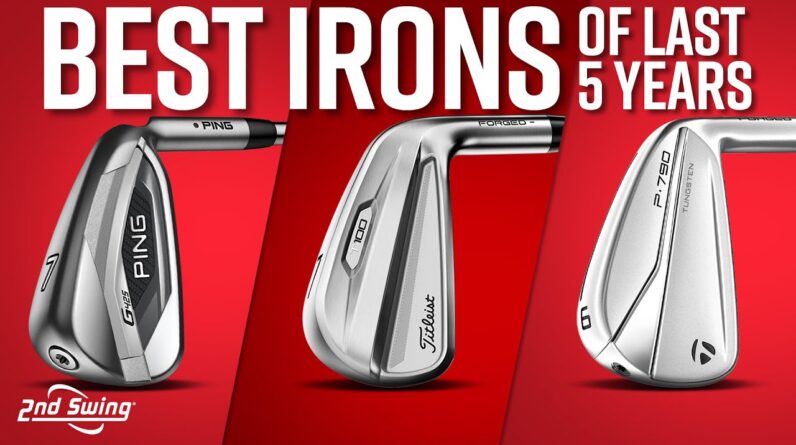
- PING G425 or G430 Irons — reliable turf interaction, precise distance control, and a forgiving cavity-back design.
- Cobra King Tour ZX / King RADSPEED irons — more traditional feel with game-improvement performance for mid handicappers who still want feedback.
- Mizuno JPX921/JPX923 series — high-quality feel with a forgiving profile suited to mid-handicap players who value touch.
Tip: When selecting irons, consider a progressive set where longer irons are more forgiving and shorten toward the wedges. This helps maintain distance consistency across the set.
Hybrids and long-game enhancements
Hybrids bridge the gap between woods and irons, offering easier launches from a variety of lies. Mid handicappers benefit from hybrids that replace difficult long irons and provide consistent height and carry.
(3H-5H) with low-profile heads and a forgiving face promote high launch and minimal severe misshits. - Rescue clubs or “rescue” hybrids from major brands are designed for easy distance with a larger sweet spot.
- Fitting notes — if your longer irons are challenging, a 2- or 3-hybrid can help you keep a reliable gap to your irons.
wedges and greenside control
Mid handicappers should have versatile wedges to cover a range of distances and turf conditions. Focus on bounce considerations,grind options,and bounce-and-sole combinations that suit your typical courses.
- Approach wedges (APW) with 48°–52° loft range for standard full shots and catch-up chips.
- Sand wedges (54°–56°) for bunker play and precise greenside control.
- Lob wedges (58°–60°) for higher trajectories and finesse around greens; choose appropriate grind for your sole contact on tight lies.
Putters that help alignment and consistency
A reliable putter is a game changer for mid handicappers. Seek a model that helps with alignment, weight distribution, and feel at impact. Many mid-handicap players benefit from a slightly heavier head and a toe-hang balance to promote a smooth stroke.
— mallets generally offer better alignment aids and stability for mid-handicap players. often help reduce twisting on off-center hits. — a lighter grip can support smoother tempo for reliable pace control.
Practical tips for choosing and using your clubs
- Get a professional club fitting to optimize shaft length, lie, loft, and grip size for your swing.
- Test clubs on a range and, if possible, on real greens to understand feel and roll.
- Prioritize a forgiving driver and iron set first, then fill gaps with hybrids, wedges, and a confident putter.
- ensure your gapping is logical: your longest club should offer a meaningful distance increment over the next, with mid-range clubs providing consistent step-downs.
- Make sure your bag balance matches your target courses (longer courses may reward more forgiving drivers and higher-launch irons).
Case studies and first-hand experiences
Case Study: Maria’s journey to more consistent ballstriking
maria, a 14-handicapper, swapped to a forgiving iron set and a mid-launch driver with higher MOI. Within two months, she reported fewer three-putts and improved fairway hit rate.The set provided him with confidence off the tee and on approach shots,reducing the mental load during rounds.
First-hand experience: a mid-handicap golfer’s review of three clubs
Tom, a 12-handicap player, tested a new combo: a forgiving driver, a cavity-back iron set, and a mid-lofted hybrid. He noticed a more consistent launch, easier contact on off-centre hits, and better scorecard stability on a windy course. He highlighted the importance of a proper fitting and a logically spaced set of gaps to maximize performance across rounds.
Top picks by category: quick reference
| Category | Recommended Models (examples) | Why mid handicappers benefit | Approximate price (USD) |
|---|---|---|---|
| Driver | Callaway Rogue ST Max, TaylorMade Stealth, Ping G430 Max | High forgiveness, stable launch, adjustable features for fitting | $550–$700 |
| Iron set | Callaway Big Bertha B21, TaylorMade STEALTH irons, Ping G425/430 irons | Cavity-back design with perimeter weighting for consistent contact | $700–$1000 (set) |
| Hybrids | Titleist TSi hybrid, Cobra RADSPEED hybrid, Callaway X AI Hybrid | Better distance control and turf interaction, easier misses | $120–$240 each |
| Wedges | Titleist Vokey SM9, Cleveland RTX ZipCore, Callaway JAWS | Versatile bounce/grind options for greenside versatility | $120–$180 each |
| Putter | Odyssey White Hot OG, Ping Sigma 2, Scotty Cameron SELECT | Aligned setup and stable stroke to improve lag and short-putt confidence | $150–$350 |
Fitting considerations and frequently asked questions (FAQs)
How often should I get fitted?
Ideally at least once every 1–2 years or whenever you notice a drop in consistency, swing changes, or you move to a different course that demands different distances.
Are expensive clubs worth it for mid handicappers?
Not always. The best value comes from properly fitted clubs that match your swing. High-quality materials and good engineering help, but the right fit matters most for mid handicappers seeking reliability and improvement.
Is a full bag overhaul necessary or can I mix and match?
Mixing and matching can work if you maintain proper gapping and a balanced feel across clubs. A partial upgrade frequently enough yields the best return on investment for mid handicappers aiming for quicker score improvements.
How to get fitted for mid handicappers
- Visit a reputable golf shop or range with fitting carts or a full fitting studio.
- Provide your current swing data, typical ball flight, and desired improvements (distance, accuracy, dispersion).
- Test multiple models and shaft options, focusing on feel, sound, and confidence during the swing.
- Ask for gapping analysis to ensure your long, mid, and short clubs cover the course properly.
Remember: a proper fitting aims to optimize launch, spin, trajectory, and dispersion for your unique swing. It’s a critical step for mid handicappers seeking meaningful improvements.