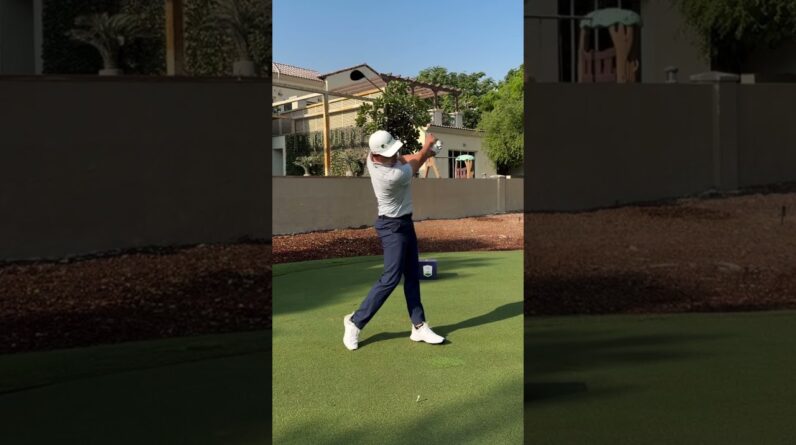

Loss of Wrist Hinge in the Backswing and Its Effect on Distance
In golf, tiny mechanical shifts during the backswing can have outsized effects on how far you hit the ball. One of the most impactful yet often overlooked factors is the loss of proper wrist hinge (also called a lag or delayed release) during the backswing. When the wrists fail to hinge correctly, clubhead speed and sequencing can suffer, which directly reduces driving distance and overall shot quality. This article dives into why wrist hinge matters, how a compromised backswing reduces distance, and practical, proven methods to regain and maintain dynamic wrist control for longer, more accurate drives.
Understanding the wrist hinge and the backswing
What is wrist hinge?
The wrist hinge is the natural stacking and cocking of the wrists that occurs as the backswing loads the club. In a well-timed hinge, the wrists cock early enough to create lag between the clubhead and the hands.This lag stores potential energy that is released as speed through impact, helping the clubhead explode down the swing plane with greater momentum.Proper hinge also helps maintain a square impact at the moment of strike, promoting solid contact and consistent distance.
How the backswing influences distance
Distance in golf is the product of clubhead speed at impact, solid contact, and efficient energy transfer. A well-executed backswing with proper wrist hinge sets you up for:
- Increased clubhead speed due to stored lag energy
- More consistent strike, improving ball speed and carry
- Better release timing that aligns with the swing plane
- Improved dispersion and confidence off the tee
How loss of wrist hinge reduces distance
Mechanisms behind distance loss
When wrist hinge is lost or delayed in the backswing, several adverse effects can occur:
- Decreased clubhead speed: Without proper lag, the clubhead has less momentum to accelerate through impact.
- Early release or premature uncocking: The wrists uncock too soon, reducing lag and robbing you of potential energy transfer.
- Inconsistent contact: Mis-timing can push the face open or close at impact,leading to poor direction and reduced distance.
- Altered swing plane: A loss of hinge frequently enough accompanies compensations that throw the club off the optimal plane, decreasing efficiency.
- Grip tension and overthinking: Excessive grip pressure can stiffen the wrists, suppressing hinge and limiting speed.
common causes of wrist hinge loss
Several factors can erode wrist hinge in the backswing. Identifying the root cause is key to restoring distance:
- Grip and grip pressure: Too firm a grip or tension in the hands often prevents the wrists from hinging naturally.
- Premature rolling of the wrists: A quick flip or roll can release energy too early.
- Over-rotation or poor sequencing: If the shoulders or hips dominate too early, the wrists may fail to hinge correctly.
- Injury or stiffness: Wrist or forearm stiffness can hamper hinge formation and timing.
- Technique drift: Small changes in posture, spine angle, or swing tempo can cascade into hinge problems.
Benefits of maintaining proper wrist hinge
Distance and accuracy improvements
Preserving wrist hinge through the backswing offers tangible benefits for distance and accuracy:
- Higher ball speed: Proper lag translates to greater clubhead speed at impact.
- Better launch characteristics: A consistent hinge helps deliver optimal launch angle and spin, maximizing carry.
- More precise contact: Retaining hinge promotes a square clubface at impact, reducing right/left dispersion.
Longevity and injury prevention
Efficient hinging reduces compensatory side-effects such as over-rotation or torque on the wrists and elbows. This can lead to fewer overuse injuries and a smoother, more repeatable swing over time.
Practical tips to restore or maintain wrist hinge
General approach
The path to a better hinge is about relaxation, tempo, and deliberate drills that teach the correct sequence.Start with a slightly lighter grip,focus on a smooth takeaway,and emphasize delaying the uncocking of the wrists until just past the top of the backswing.
Drills to improve wrist hinge and lag
- Pause and hinge drill: Take the club back to about 9 o’clock, pause for a count of one to two seconds while maintaining the wrist angle, then start the downswing with a controlled release. This trains the brain to sustain hinge before release.
- Lag preservation drill with a towel beneath the left arm (for right-handed players): Place a small towel under the left armpit. Keep the towel in place during the backswing to promote a connected,hinged takeaway and discourage arm scooping or flipping.
- Wrist hinge release drill (training aid optional): Use a lightweight training club or a weighted head cover on the shaft to feel the correct lag. Practice keeping the wrists hinged until late downswing while maintaining a steady tempo.
- Mirror and video feedback: Practice in front of a mirror or record your swing. Look for a visible hinge angle and confirm that the wrists remain hinged as you reach the top, then release smoothly.
- Tempo-focused swing: Use a 3-2-1 count (three slow backswing, two seconds at the top, one smooth downswing). Slowing down the backswing helps you feel the hinge and prevents rushing the release.
Grip and posture adjustments
- Lighten grip pressure slightly to allow natural wrist movement without tension.
- Ensure the trail-side elbow remains connected to your torso during the backswing to preserve hinge.
- Maintain a stable spine angle through the backswing; avoid excessive lateral tilt that can disrupt the hinge sequence.
Metrics to monitor progress
- Clubhead speed at impact (measured with a launch monitor)
- Ball speed and carry distance
- face squareness at impact and dispersion patterns
- Feel of lag and timing during the swing
Drills at a glance
| Drill | Purpose | How to Do It | When to Use |
|---|---|---|---|
| Pause and hinge | Train sustaining hinge into top of swing | backswing to 9 o’clock, pause 1–2 seconds with hinge intact, then swing through | During every practice session |
| Towel under left arm | Promotes connection and prevents flaring | Place towel under left armpit; swing with minimal arm movement; keep towel in place | Warm-up and early practice |
| Lag drill with light club | Feel correct lag without forcing | Use a lighter club or a trainer with a flexible shaft; focus on delaying release | Technique refinement |
Case studies and first-hand experiences
Case study: Weekend golfer regains distance through hinge discipline
John, a 42-year-old recreational player, noticed his drives were losing distance and direction. After a few weeks focusing on wrist hinge maintenance—via the pause-and-hinge drill and towel drill—he reported a noticeable improvement in ball speed and dispersion. His carry distance increased by approximately 8–12 yards, and his confidence on the tee returned as he could reproduce a more repeatable backswing.
Pro outlook: maximizing lag for higher clubhead speed
Pro players frequently enough rely on precise hinge timing to maximize energy transfer. In typical round practice, when hinge is properly preserved, technicians see a tangible rise in launch speed with controlled spin. This translates into longer drives with improved accuracy because the clubface remains square longer through impact, and the path remains on plane.
Common questions about wrist hinge and distance
- Q: Can I regain wrist hinge if I’ve lost it for years?
- A: Yes. With consistent drills, tempo work, and mindful practice, you can relearn the hinge pattern and see improvements in speed and accuracy over weeks to months, depending on dedication and physical conditioning.
- Q: Will improving hinge slow down my swing tempo?
- A: Not if done correctly. The hinge is a timing mechanism that, when properly integrated, can actually support faster, more efficient swings without tension.
- Q: Should I rely on training aids to fix this?
- A: Training aids can definitely help, but the most durable improvements come from technique-focused practice, video feedback, and a measured progression of drills.
First-hand experience: what to feel and measure
When players ask, “What should I feel?” the answer is that you should feel a deliberate but relaxed wrist action that builds lag and culminates in a controlled release. A common awareness cue is to feel the wrists ‘set’ during the first half of the backswing and then gradually release energy through impact, rather than snapping the wrists early. Measuring progress through a launch monitor, you should aim for steady or rising ball speed, improved carry, and a tighter dispersion pattern as hinge technique improves.
Target audience and tailoring advice
Beginners
- Focus on a light grip and a smooth takeaway to establish a natural hinge.
- Use simple drills like pause-and-hinge to build a repeatable pattern.
Intermediate players
- Incorporate lag-preserving drills into mid-range practice.
- Use video feedback to ensure hinge is maintained until late downswing.
Advanced players
- Fine-tune sequencing for a late release that maximizes efficiency on your preferred ball flight.
- Use performance metrics (carry, height, spin) to optimize hinge timing with your swing idiosyncrasies.
Conclusion
The loss of wrist hinge in the backswing is a subtle yet consequential factor that can cap your distance and diminish shot quality. By understanding how hinge works, identifying the sources of its breakdown, and applying targeted drills and technique tweaks, you can reclaim valuable energy transfer and improve both distance and consistency. Remember, the goal is not to force a drastic mechanical change, but to cultivate a relaxed, repeatable hinge that teaches your swing to store energy effectively and release it at the right moment. With patience, feedback, and deliberate practice, you’ll likely see measurable gains in clubhead speed, carry distance, and overall confidence off the tee.