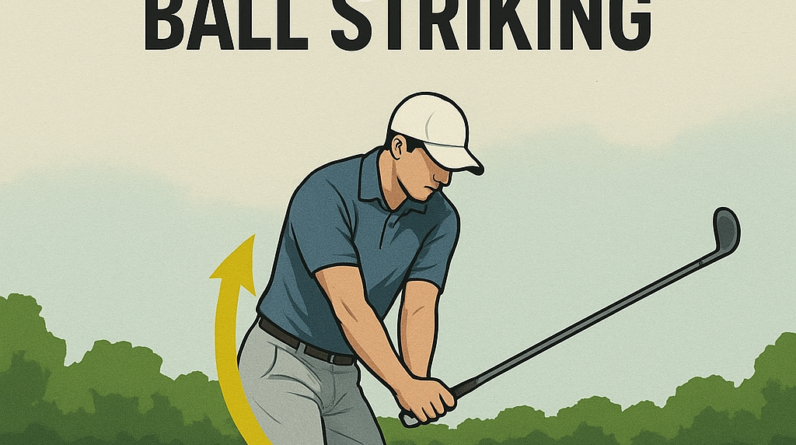

Weight Transfer: The Key to Consistent Ball Striking
Focusing on how you move your weight from your trailing foot to your leading foot can dramatically improve contact, distance, and control. This post covers a single, practical concept: weight transfer through impact.
What the concept is
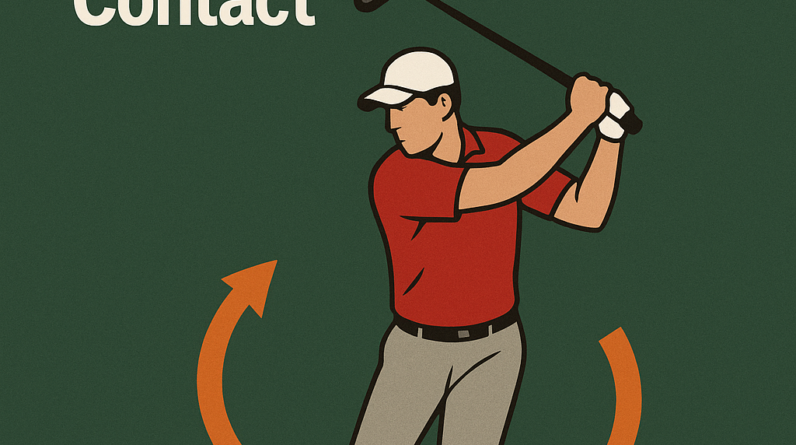
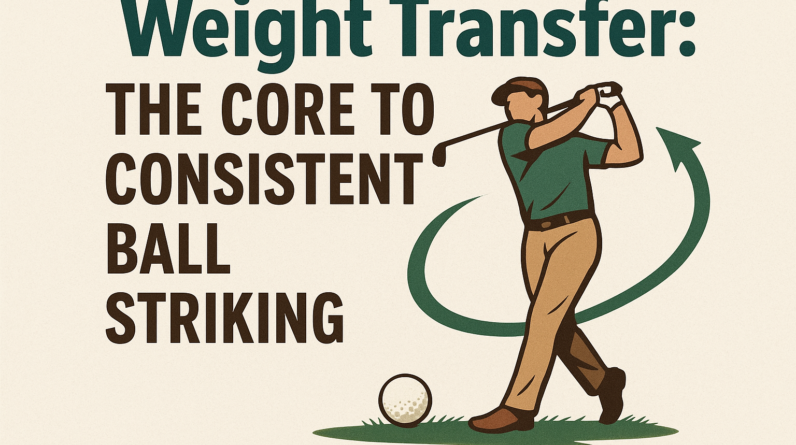
Weight transfer means shifting your center of gravity from the back foot (trail) toward the front foot (lead) as you swing and make contact. The goal isn’t to “crush” the ball with brute force, but to create a smooth, coordinated path where your hips rotate and your weight flows forward at the moment of impact. Think of the downswing as a controlled forward move that finishes with most of your weight on the lead foot.
Why it matters to the golf swing
- Solid contact: Proper weight transfer helps you strike the ball on the sweet spot more consistently.
- Better sequencing: Front-weighted impact promotes from-the-ground-up power rather than overusing your arms.
- Consistent ball flight: When weight moves forward, it’s easier to control draw/fade tendencies and maintain balance through impact.
What you should feel when doing it correctly
- You feel the pressure shift from your trail foot toward your lead foot as you approach impact.
- Your hips rotate toward the target, and your spine angle stays relatively constant (you don’t “stand up” or hover over the ball).
- The lead knee flexes slightly, and your weight settles on the lead foot at impact, allowing the arms to release naturally through the ball.
2–3 common mistakes (and simple fixes)
- Mistake 1: Weight stays on the back foot at impact.
Why it happens: The body hasn’t rotated toward the target, or the arms take over too early.
Fix:- During the downswing, think “rotate, then forward step” rather than “step and swing hard.”
- Drive the trail hip toward the target and allow the weight to move toward the lead foot as you approach belt-buckle height.
- Maintain a slight knee flex in the lead leg and keep your head steady over the spine.
- Mistake 2: Swaying or sliding instead of rotating the hips.
Why it happens: The lower body moves laterally instead of rotating around a stable spine.
Fix:- Feel a hip-to-target rotation rather than a lean forward slide.
- Keep your upper body quiet while the hips initiate the move, then allow the torso to follow naturally.
- Practice with a balanced finish where your weight is clearly on the lead foot.
- Mistake 3: Early extension (hips thrust forward) during the downswing.
Why it happens: Trying too hard to get to the ball, you push your hips forward too soon and lose spine angle.
Fix:- Maintain your spine angle through impact; imagine your tailbone staying tucked under you.
- Rotate through the shot rather than “jumping” forward with the hips.
- Keep the chest from rising too quickly; a steadier torso helps the hands release later, producing better contact.
One easy practice drill you can do at home or on the range
Step-Through Weight Transfer Drill
- Stand with feet close together and a short iron or a club held lightly in your hands.
- Take a small backswing to about 9 o’clock. At the start of the downswing, step forward with your lead foot toward the target while continuing the swing.
- Finish with balanced weight on the lead foot and your chest facing downrange. If you feel your balance waver, reduce the step size and repeat.
- Repeat 8–12 reps, focusing on a smooth transfer of weight and a quiet upper body.
Short, focused work on weight transfer can pay big dividends in your daily golf. Practice this concept consistently, and you’ll notice more solid contact, improved distance control, and steadier ball flight. If you’d like, I can tailor these cues to your current swing and help you apply them on the range with a quick three-week plan.
Weight Transfer: The Key to Consistent Ball Striking
Understanding the Role of Weight Transfer in Ball Striking
Weight transfer is the purposeful shift of your body’s pressure from one foot to the other during the swing or stroke. When executed well, it coordinates the kinetic chain—from the feet through the hips and torso to the arms and hands—so that energy flows efficiently into the ball. The result is cleaner contact, more power, and repeatable results. Poor or inconsistent weight transfer frequently enough shows up as toe-sides, topped or fat shots, off-center contact, and a loss of control. whether you’re swinging a golf club, racquet, or bat, the ability to move your weight correctly at the right moment is what separates good ball strikers from great ones.
Biomechanics of Weight Transfer
Good weight transfer isn’t mysterious—it’s a predictable sequence of body movements and ground reactions. Understanding the biomechanics helps you train more effectively and diagnose errors on the range or court.
Your feet push against the ground, and the ground pushes back. A well-timed shift in weight uses thes forces to store and release energy as you approach impact. Keeping the center of gravity over a stable base allows smoother rotation and better control of the swing plane or stroke path. Energy starts in the legs and hips, travels through the core, then to the arms and hands. efficient sequencing minimizes energy leaks and increases ball speed without sacrificing control. proper hip drive followed by controlled spine and shoulder rotation helps you deliver the clubface or bat head at the correct angle and position. Timing is everything. A rapid, abrupt weight shift can derail rhythm, while a well-timed transfer supports consistent strike quality.
Phases of Weight Transfer: Setup,Load,Transition,and Impact
Think of weight transfer as a four-act play:
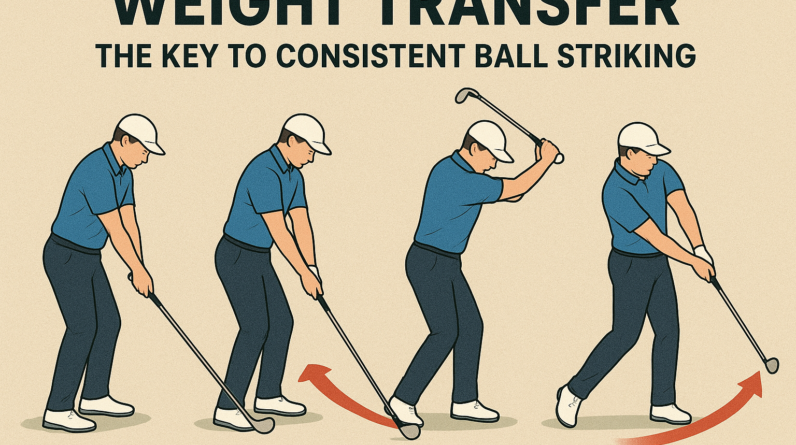
- Setup: Establish a balanced,athletic stance with your weight evenly distributed or slightly favoring the trail side (back foot) depending on your sport. Your spine remains tall,with a comfortable knee bend and hips hinged to allow smooth movement.
- Load (back swing or planning): Initiate a controlled loading of your back side—heels/back foot pressing into the ground, slight knee bend, and engagement of the hips. this stores potential energy for the transition to forward movement.
- Transition (the shift): Begin moving weight toward the lead side (front foot) as you rotate the hips and torso. The timing should feel like a well-choreographed sequence, not a lurch or slide.
- Impact and follow-through: At impact, most of your weight should be over the lead foot, with the hips and torso square to the target. After contact, the weight continues to transfer through the finish, promoting balance and control.
Key components of Effective Weight Transfer
Ground contact distribution matters. A balanced stance allows you to shift weight without losing control. The hips initiate rotation; the core stabilizes, preventing over-rotation or sway. Arms must follow the body’s rotation to square the face or contact point at impact. A combination of lateral weight shift and rotational movement ensures you’re aligned with the path to the ball. A stable breath supports timing and helps prevent tension that can disrupt transfer.
Practical Drills to Improve Weight Transfer
These drills train your body to adopt a repeatable, sport-agnostic pattern of weight transfer. Practice with intention, start slowly, and gradually increase tempo as control improves.
In a neutral stance, tap the front toe forward as you begin your forward movement, then return to center and repeat.Focus on smooth, controlled weight shift from back foot to front foot with minimal swaying. Place a dowel along your spine from tailbone to head. As you rotate into the backswing or prepare to strike, ensure the dowel stays in contact with your back, indicating proper spine angle and hip rotation. Transition into an impact position while maintaining that alignment. Stand a comfortable distance from a wall. Practice three-part tempo—load, transition, impact—without hitting the wall. The wall serves as a reminder to avoid over-rolling or losing balance during transfer. Hold a light medicine ball at chest height. Perform slow, controlled swings with emphasis on transferring weight from back foot to lead foot, feeling the energy flow through the hips and core into the arms. Stand on a balance board or foam pad during practice to train proprioception and discover how subtle weight shifts impact balance and contact. Record slow-motion clips from side and front views. Review for signs of early weight shift,weight staying on the back foot too long,or early extension,and adjust accordingly.
Common Mistakes and How to Fix Them
- Fix: Initiate a purposeful transition earlier in the swing or stroke.Feel the hips start the rotation before the arms follow. Practice with a two-beat tempo: load, then transition to impact within a crisp two-count.
- Mistake: Over-rotation or loss of spine angle (early extension).
- Fix: Maintain a steady spine tilt through impact. Focus on keeping the chest over the front leg longer and using the hips to drive rotation, not the spine alone.
- Mistake: Lateral sway rather than rotation.
- Fix: Break the swing path into an axis through the spine. Use a towel or alignment stick behind your back to remind you to rotate, not slide sideways.
- Mistake: Poor sequencing between hips, core, and arms.
- Fix: Emphasize hips initiating movement, followed by the torso, then the arms. Slow down to master the order before increasing speed.
- Mistake: Breath held or excess tension.
- Fix: breathe consistently and loosen shoulders.A relaxed upper body supports smoother transfer and better contact.
Sports-Specific Tips: Applying Weight Transfer to Different Ball-Striking Disciplines
Golf: Sequencing for Distance and Accuracy
In golf,effective weight transfer means shifting approximately 60–70% of your weight onto the lead foot at impact,depending on swing type and individual build. The trail knee should unlock, and the hips should lead the upper body into the ball. A good transfer maintains spine angle and enables a square clubface at impact.
Tennis: Groundstrokes and rotational Consistency
Tennis relies on a dynamic weight transfer from the back foot to the front foot, with swift, explosive hip-driven rotation. For forehands and backhands, cue a smooth transfer that aligns the momentum with the racket face trajectory to maximize pace and control without sacrificing balance.
Baseball/Softball: Contact Point and Power
In bat-based sports, staying connected through the hips and transferring weight efficiently toward the front foot enables a consistent contact point and power transfer. Focus on delaying forward weight shift just enough to meet the ball at the optimal launch angle, then unleash the energy through the swing.
Cricket: Front Foot Landing and Shot Timing
Cricket strokes frequently enough hinge on precise weight transfer during a forward step and stroke. The front foot should land with enough load to drive through the ball while maintaining balance and posture. The weight should finish over the front foot for a controlled follow-through.
First-Hand Experience: A Practical Case study
A hypothetical but practical case study illustrates how weight transfer improvements translate to on-field results. A recreational golfer, Sarah, noticed inconsistent iron shots and struggled with distance gaps.Over eight weeks, she incorporated targeted drills—toe-tap progression, dowel rotation, and tempo wall drills—into her practice. With consistent, measured tempo and a deliberate hip-initiated transfer, she reduced fat and thin shots by 40% and gained more predictable ball flight. Her clubhead speed improved modestly, but the most notable change was improved contact quality and confidence at impact. This example demonstrates that even modest improvements in weight transfer can yield meaningful gains in accuracy and repeatability.
Measurable Progress: Metrics to Track
To monitor progress, use simple, repeatable metrics that reflect weight transfer quality. The table below outlines key indicators, how to measure them, and practical cues to use during practice.
| Metric | What It Measures | Ideal Cue or Target |
|---|---|---|
| Lead-foot pressure at impact | Percentage of body weight on the front foot at impact | Golf-like aim: 60–70% on front foot; adjust for sport and individual style |
| Hip rotation angle | Amount of hip turn during transition | Smooth, progressive rotation without early extension |
| Spine angle maintenance | How well spine tilt is preserved through impact | Maintain 5–8 degrees of spine tilt toward the target line |
| Contact quality (strike pattern) | Frequency of solid center strikes vs. mishits | Increased center-contact ratio with consistent swing path |
| Tempo consistency | Consistency of swing or stroke pace across reps | Three-part tempo: load, transition, impact, repeatable |
Putting it All Together: Building a Practice Routine
To embed weight transfer into your game or sport, design a practice routine that balances drills with live practice. A sample weekly framework:
- 2 sessions focused on drills (toe-tap, dowel rotation, wall tempo) for 20–30 minutes each
- 1 session with video analysis to check sequencing and spine angle
- 1 session on the range or court dedicated to live practice, applying the learned transfer pattern in full-speed swings or strokes
- Daily 5–10 minute proprioception and balance work (single-leg stands, stability ball presses) to support weight transfer control
Common Questions About Weight Transfer
- Answer: Most efficient ball-striking patterns involve a forward transfer, but the exact distribution depends on sport, stance, and shot type. Aim for a controlled, repeatable transfer that matches your swing or stroke mechanics.
- Question: How long should weight stay on the back foot?
- Answer: Long back-foot hold times tend to reduce timing and increase the chance of mis-hits. Work toward a balanced setup with a crisp, muscular transfer just before impact.
- Question: Can I re-train weight transfer without changing my grip or stance?
- Answer: Yes.Focus on sequencing, tempo, and core-hip connection. Small adjustments to how you load and rotate can yield big results without altering dominant grip and stance.
Closing Thoughts: The Psychology of Consistency
Consistency in ball striking isn’t just about physics; it’s about trust in your own mechanics.By cultivating a repeatable weight transfer pattern, you’ll gain more reliable contact, better distance control, and greater confidence under pressure. The key is to practice with intention, measure progress, and adjust drills to match your sport and physical build. With time, weight transfer becomes second nature—an automatic response that powers every strike you make.