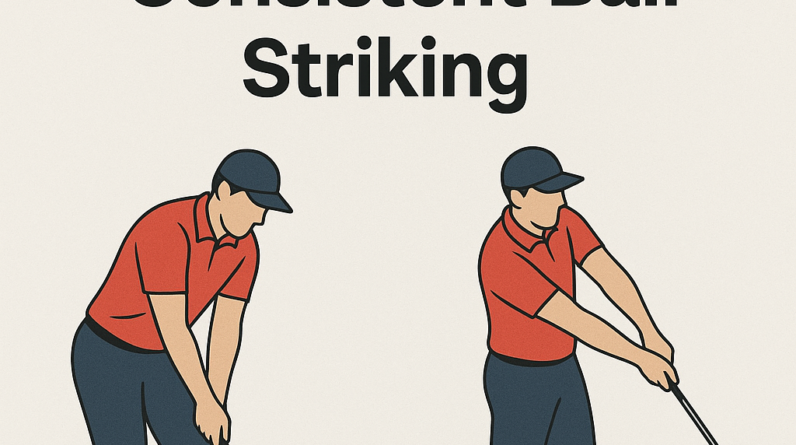

Weight Transfer: The Key to Consistent Ball Striking
Let’s focus on one foundational idea that quietly powers a solid contact and distance: weight transfer. In a right-handed swing, that means shifting your weight smoothly from the trail foot (right foot) toward the lead foot (left foot) as you strike the ball and finish. It isn’t about “lifting the front foot” or swinging with your arms alone—it’s a coordinated shift of your center of mass that supports a square clubface and solid contact.
What the concept is
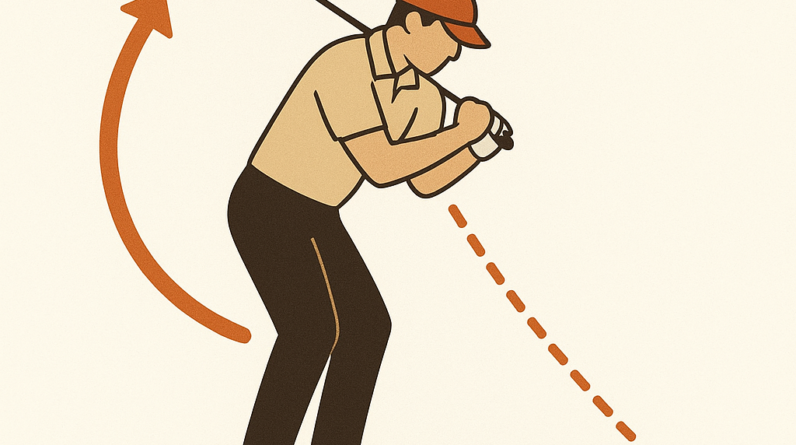
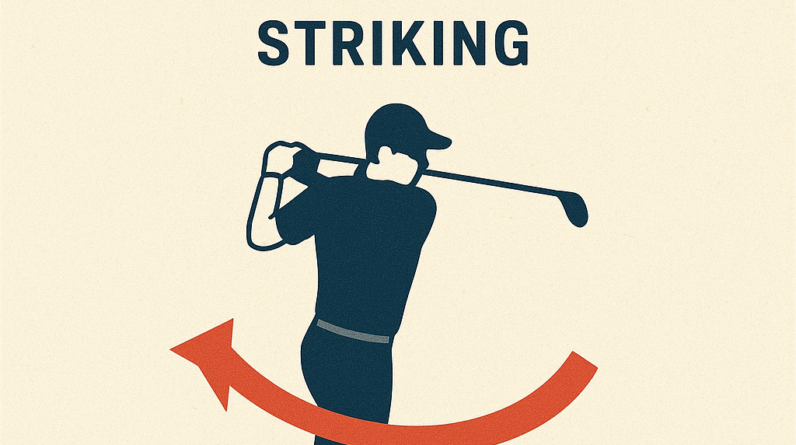
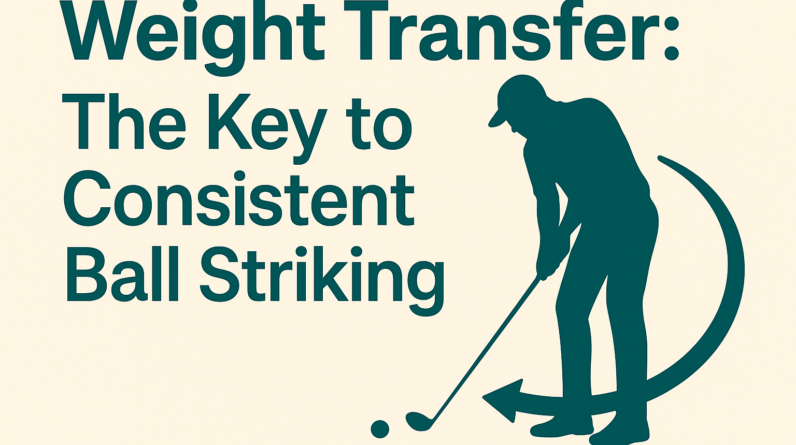
Weight transfer is the deliberate movement of your body’s weight from the back side to the front side during the downswing and through impact. Ideally, you start the downswing with your hips rotating and your weight beginning to move forward, and you finish with most of your weight on the lead foot. This transfer helps the club stay on the correct arc, promotes crisp contact, and reduces the likelihood of hitting behind the ball or flipping the hands too soon.
Why it matters to the golf swing
- Creates solid contact by keeping the center of your mass over the ball as long as possible.
- Improves ball compression and distance control, since the clubface meets the ball in a stable, forward position.
- Promotes proper sequencing: hips and torso rotate first, followed by the arms and hands as weight shifts forward.
- Helps maintain balance through impact, reducing the tendency to “sway” off the ball or flip at impact.
What the golfer should feel when doing it correctly
- You feel pressure gradually moving from the right foot toward the left foot as you swing down and through the ball.
- Your hips rotate toward the target and your chest stays relatively level while moving forward.
- At impact, you sense a stable base under you, with weight mostly on the lead foot and the trail knee soft rather than locked.
- You finish in a balanced pose with your chest facing the target and your weight comfortably over the front foot.
2–3 common mistakes and simple fixes
Mistake 1: Weight stays on the back foot through impact
Result: thin shots, loss of power, blocks or pushes, and reduced control of the clubface.
Fixes:
- Feel the weight gradually shift forward during the downswing, not all at once at impact. Imagine the trail knee bending slightly and the lead knee accepting the weight as you swing.
- Practice with a Step-Through Drill (see the practice drill below) to reinforce forward weight transfer.
- Keep your head quiet and your spine angled into the shot rather than leaning back.
Mistake 2: Weight shifts forward too early or too quickly
Result: early release, loss of lag, and inconsistent contact.
Fixes:
- Tempo check: slow the downswing slightly to let your arms and club drop naturally before stepping forward.
- Pause momentarily at the top of the backswing, then initiate the downswing with a slight hip rotation and weight transfer toward the lead foot.
- Keep the hands and wrists from flipping the club too soon; let the body lead the transfer.
Mistake 3: Loss of balance after impact
Result: falling off the shot line, poor follow-through, and inconsistent distances.
Fixes:
- Finish tall and balanced with the chest facing the target and the majority of weight on the lead foot.
- Finish drill: hold your finish for a count of two, feel stable, and re-establish your setup for the next shot.
- Keep a slight knee flex in the lead leg to absorb momentum and maintain balance.
One easy practice drill you can do at home or on the range
Step-Through Drill
- Set up in your normal address position with a comfortable stance.
- Take a half or three-quarter swing to the top, keeping your balance centered.
- On the downswing, gently step your lead foot forward toward the target as you strike a ball (or into a club or alignment rod on a mat if you’re at home). The step should be small and controlled—the goal is to feel your weight moving onto the lead foot through impact.
- Finish with a balanced, tall posture and your chest facing the target.
- Do 6–10 reps, then repeat a few sets, gradually building to full-speed swings as you gain confidence.
Closing
Mastering weight transfer won’t overhaul your entire swing overnight, but it lays a stable foundation for consistent contact and better distance control. Practice with intention, keep the feeling of a smooth forward shift, and you’ll notice cleaner strikes and more reliable ball flight over time.
Weight Transfer: The Key to Consistent Ball Striking
Understanding Weight Transfer
Weight transfer is the deliberate and controlled movement of your body weight from the back foot to the front foot during a swing or stroke. It’s a fundamental part of the kinetic chain that starts with the legs and travels through the hips, torso, arms, and finally into the ball. When weight transfer is timed correctly, energy is stored in the backswing and released at impact, producing more power with less effort and, crucially, greater consistency in ball striking.
- Ground reaction and balance: Your feet push against the ground, and the ground pushes back. Effective weight transfer uses this reaction force to stabilize and store energy for release at the moment of contact.
- Center of gravity management: By shifting your center of gravity smoothly, you keep your spine angle and posture intact while guiding the club or racket through the hitting zone.
- Sequencing of segments: A proper kinetic sequence—feet, legs, hips, torso, arms—ensures each segment adds power in the right order without breaking down technique.
practical takeaway: Think of weight transfer as a controlled “loading” and “unloading” of energy. The load happens away from the ball, and the unload happens through the ball for a clean strike.
Why Weight Transfer Impacts Consistency
Consistency in ball striking comes from repeatable mechanics. When weight transfer is consistent,you minimize off-center hits,maintain solid contact,and improve both distance control and directional accuracy. Here are the key benefits:
- Increased power without added effort: Proper loading stores energy that is released at impact, boosting ball speed.
- Improved timing and rhythm: A smooth transfer helps synchronize the downswing with the moment of contact.
- Enhanced balance under pressure: Maintaining balance during weight shift reduces mishits on fast or awkward surfaces.
- Better control of trajectory: Front-side pressure and hip rotation influence ball flight, spin, and control.
Biomechanics of Weight Transfer
Setup and balance
A solid stance creates a stable base for weight transfer. Feet hip-width apart with slight knee flex, posture tall but relaxed, and eyes on the target. The key is to establish a balanced starting position that allows a natural shift of weight without losing spine angle.
initiation of weight shift
Most efficient weight transfer starts with the legs and hips—not the hands or arms. A subtle push off the back foot initiates the sequence. In many sports, the initial move is a small pelvic and hip turn that sets the direction of the swing or stroke.
Load and unload
As you begin the downswing or forward swing,your weight travels from the back foot toward the front foot.The unloading phase releases the stored energy through the hitting surface.The aim is a smooth transfer,not a sudden gust of movement that disrupts rhythm.
Release and follow-through
at impact, the majority of weight should be on the lead leg. A balanced finish with a stable chest and forward-facing hips signals that the weight transfer has completed cleanly and the energy has transferred into the ball.
Weight Transfer Across Sports
While the specifics vary by sport, the underlying principle remains the same: load energy in the backswing or planning and release it through the hitting zone. Here are concise notes for several popular ball-striking disciplines.
Golf
In golf,efficient weight transfer means shifting from the trail foot to the lead foot during the downswing,while maintaining spine angle and balance. The hips start the rotation, then the torso, then the arms, delivering clubhead speed through impact.
Tennis
For groundstrokes and serves, the weight transfer starts with a unit turn of the shoulders and hips, then a shift to the front foot as the racket meets the ball. Proper sequence helps generate pace while preserving control and spin.
Baseball/Softball
Batting efficiency relies on loading the back leg and hips, then unloading the energy through the front leg and torso into the bat. Stride length and timing influence how cleanly weight transfer happens at contact.
Soccer/Football (ball striking with foot)
for powerful passes and shots,the approach involves a coordinated transfer from the back foot to the front,with hip and core rotation guiding energy toward the ball for accuracy and distance.
Key Principles for Effective Weight Transfer
- Balance is the baseline: Start with a stable setup; balance is the foundation for a repeatable transfer.
- Start with the feet and legs: The legs generate the initial momentum; the arms follow.
- Maintain spine angle: Keep your spine angle consistent to avoid losing control at impact.
- Controlled timing over brute force: Smooth, well-timed transfer produces more accurate results than sheer momentum.
- Lead with the hips: Hip rotation sets the sequencing for the rest of the body and helps direct energy toward the ball.
- Stay connected from ground to ball: Ground reaction forces transfer through the legs, hips, and torso into the hitting surface.
practical Tips and Drills
Use these actionable steps to develop consistent weight transfer in your sport of choice. Start slowly, then ramp up speed as your technique stabilizes.
- Step Drill (start-to-impact sequence): Place your feet together, take a small step forward with the front foot as you initiate a gentle weight shift to the lead side, then swing. Focus on a clean transition from back to front foot.
- Slow-motion tempo drill: Perform the swing at 50% speed, emphasizing the deliberate weight transfer. Increase tempo only after the sequence feels natural.
- Heel-to-toe weight switch: In a static stance, shift weight from the heel of the back foot to the toe of the front foot, then reverse. This trains balance during the transfer.
- Wall drill (no-ball contact): Stand a agreeable distance from a wall, perform your swing or stroke while pressing the lead heel into the ground and keeping your back foot loaded until impact.
- Mirror feedback: Practice in front of a mirror to observe hip rotation, spine angle, and weight shift. Visual feedback accelerates learning.
- Cue-based reminders: Use short cues like “load, hinge, deliver” or “hips first, hands second” to reinforce the sequencing.
Drills at a Glance (WordPress-styled Table)
| Drill | Focus | How to Perform | Common Mistakes |
|---|---|---|---|
| Step Drill | Weight transfer sequencing | From stance, step forward with front foot while loading weight to back foot, then swing through | Excessively swift weight shift; torso jumps ahead of hips |
| Heel-to-Toe Switch | Balance and weight stability | Shift weight from heel of back foot to toe of front foot, pause briefly, repeat | Forgetting to load on the back foot |
| Wall Drill | Contact timing and posture | Lean into the wall with rear hip slightly behind center; practice swing without losing posture | Leaning too far or collapsing the spine |
| Mirror Feedback | Body awareness and alignment | Perform slow practice in front of mirror; adjust hips and spine angle to maintain balance | Over-focusing on hands at the expense of lower body |
Progression Schedule
Use this simple weekly plan to build reliable weight transfer. Adjust as needed for your sport and skill level.
| Week | Drills & Focus | Sessions per Week | Expected Outcome |
|---|---|---|---|
| 1–2 | Step Drill, Heel-to-Toe Switch | 3 | Solid weight shift cues; improved balance feel |
| 3–4 | Wall Drill, Mirror Feedback | 3 | Better posture and timing; fewer mishits |
| 5–6 | Slow-motion to full-speed with cues | 3–4 | Controlled energy transfer at target speed |
Case Studies and First-Hand Experience
Real-world examples illustrate how disciplined weight transfer improves consistency and performance.
Case Study A — Golf
A mid-handicap golfer reduced off-center strikes by 40% after a 12-week program focusing on hip-driven weight transfer and trunk stability. The key changes included a smoother downswing sequence and a more balanced finish, leading to more accurate carries and greener proximity.
Case Study B — Tennis Forehand
A recreational tennis player with inconsistent forehands incorporated a deliberate weight shift from back foot to front foot during the forward swing. Within eight weeks, winners increased, and unforced errors decreased as timing improved and contact zone widened.
Measurement and Feedback
to optimize weight transfer, use a mix of self-monitoring, coaching cues, and simple data. Here are practical ways to measure progress without expensive equipment:
Record slow-motion footage from front and side angles to check footwork, hip rotation, and spine angle at impact. - Balance checks: Hold a farmer’s walk or single-leg stance before and after drills to gauge balance improvement.
- Contact quality: Note center contact,sound,and ball flight direction during practice sessions to infer transfer efficiency.
Common Mistakes and How to Fix Them
- Mistake: Early arm swing disrupts sequencing. Fix: Focus on initiating the downswing with hips and legs; arms follow naturally.
- Mistake: Weight stays on the trail foot too long. Fix: Encourage a controlled transfer to the lead foot just before impact.
- Mistake: Loss of spine angle during load. Fix: Maintain posture by keeping head stable and chest aligned with the target line.
- Mistake: Over-striding or collapsing the knee. Fix: Use a compact step pattern with a slight knee bend to absorb energy smoothly.
Frequently Asked Questions
Q: Can weight transfer fix all hitting inconsistencies?
A: It’s a foundational element. While crucial, it effectively works best in combination with proper grip, alignment, and practice habits.
Q: How long does it take to see improvements?
A: Many athletes notice meaningful changes within 4–6 weeks of consistent practice focused on weight transfer.
Q: Are ther drills for beginners?
A: Yes—start with step drills and slow-motion swings to ingrain the basic sequence before adding speed or complexity.