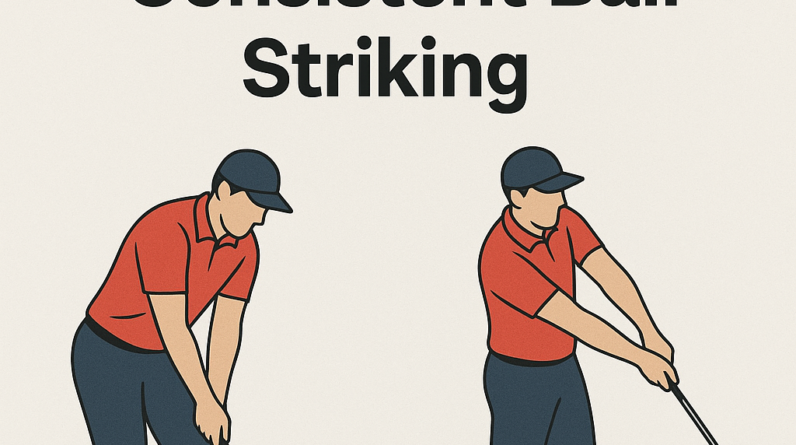

Weight Transfer: How to move your weight through impact for consistent ball striking
Focused guidance for beginner to intermediate players. This post stays on the single topic of weight transfer and how it affects contact, power, and flight.
What the concept is
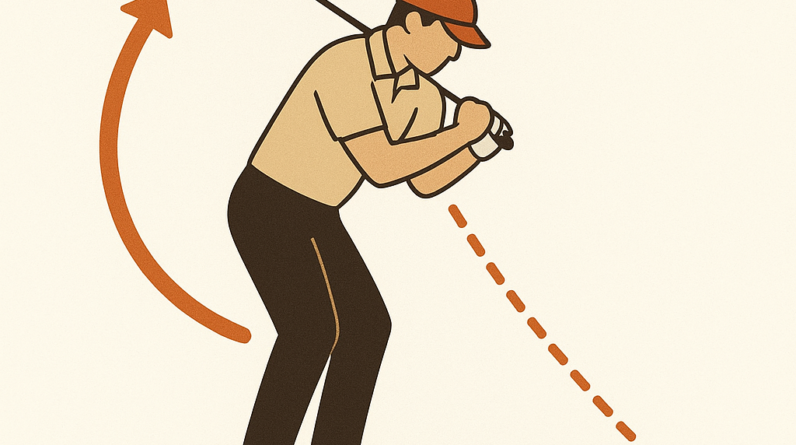
Weight transfer is the deliberate shift of your body’s mass from the trail (back) foot toward the lead (front) foot as you move from the top of the backswing into impact. It isn’t a quick hop or a slide; it’s a smooth sequence that lets your hips rotate, your spine stay tall but angled, and your arms release with the clubface square to the ball. When done well, your weight ends up on the lead side at impact, helping you compress the ball and maintain solid contact.
Why it matters to the golf swing
- Improves contact consistency: a clear transfer helps you strike the ball more cleanly, not just the turf.
- Increases driving power: energy stored in your coil is released through the lead side, creating more clubhead speed at impact.
- Regulates shot shape and trajectory: proper transfer encourages solid, repeatable contact, which reduces flares and bad miss cues.
- Enhances balance and control: finishing with weight on the lead foot helps you stay balanced through the swing and into the finish.
What you should feel when doing it correctly
- During the downswing, you gradually load the lead-side leg while your trail knee unwinds toward the target.
- Your chest and hips rotate toward the target, and your weight settles onto the lead foot at impact (the trail foot is light, not smashed into the ground).
- Arms release naturally as you rotate through, and your balance finishes with the chest facing the target and most of your weight on the lead foot.
2–3 common mistakes golfers make with this concept
- Staying on the trail foot too long. The body doesn’t shift forward, leading to thin or inconsistent contact and a loss of power.
- Shifting weight too early, especially in the backswing. The transition loses its timing and you don’t store energy for impact.
- Breaking posture or collapsing the spine as you shift. If you tilt or lean improperly, you’ll mishit or lose balance.
Simple, actionable fixes for each mistake
- Staying on the trail foot too long — Fix: feel a steady pressure build in the lead foot during the downswing. Practice with a small pause at the top, then “step into the target” with your lead foot during impact while keeping spine angle intact.
- Shifting weight too early (backswing) — Fix: focus on turning the hips and torso first, then allow the weight to move forward as you descend. A helpful cue is “turn first, then transfer.” Keep your head over the ball until you sense the shift beginning in the downswing.
- Posture break during the shift — Fix: maintain a consistent spine angle and a slight knee flex. Imagine your upper body stacked over your hips as you rotate, not leaning toward the target with the head or hips leading too aggressively.
One easy practice drill you can do at home or on the range
- Step-Through Weight Shift Drill — Stand with feet together and a club laid across your shoulders (or a light, empty swing). Take a half backswing, then feel the weight shift toward your lead foot as you begin the downswing. As you strike the ball, imagine stepping forward with your lead foot through impact, finishing tall and balanced with most weight on the lead foot. Do 8–12 half-swings, focusing on controlled, smooth weight transfer rather than quick movement.
- Progression: add a towel or alignment stick under the lead foot line to cue your foot posting and guard against sliding too far or too little.
- Goal: maintain balance and a square clubface at impact, with a confident finish showing your chest toward the target.
Weight Transfer in Golf: Move Your Weight through Impact for Consistent Ball striking
Why Weight Transfer Matters in Golf
In golf, the path to consistently solid contact starts with a purposeful weight transfer. The moment the club head meets the ball,the body’s power source—the lower body and pelvis—must correctly shift weight from the back foot through impact to the front foot. When weight transfer happens smoothly, it promotes a stable spine angle, maintains posture, and delivers a solid compressive strike with the clubface square to the target. Poor or delayed weight transfer is a common culprit behind mishits, thin shots, and loss of distance. By prioritizing how you move your weight, you can unlock more consistent ball striking and better control over trajectory and dispersion.
The Physics and Mechanics of Weight Transfer
Weight transfer in golf is a controlled sequence of loading, rotating, and unloading that aligns the body’s kinetic chain with the club’s path. Key elements include:
- Load phase: At address and early backswing, the golfer loads weight onto the trail (back) leg, storing potential energy through the knee flex and hip hinge.
- Transition and sequencing: As the downswing begins, the hips rotate toward the target, and pressure shifts from the trail foot to the lead foot. The goal is a smooth,continuous transfer rather than a jarring shift.
- Impact position: Through impact, weight should be under the lead foot, with the torso stacked over the lead leg. This stabilizes the spine,allows the hands to release naturally,and helps the clubface stay square to the target.
- Release and follow-through: After impact, weight continues to move toward the lead foot and through the target line, finishing with balanced posture.
For right-handed players, the journey is typically from the right foot (trail) toward the left foot (lead) during the downswing. Left-handed players follow the opposite pattern. The objective is not to “force” weight forward but to enable a natural transfer that matches your swing plane, tempo, and balance.
Ground reaction forces, hip rotation, and knee stability all contribute to how cleanly you move weight. A well-timed weight transfer preserves spine angle, supports consistent strike, and minimizes compensations like early extension or over-rotation that can derail contact quality.
Benefits of Proper Weight Transfer
- More consistent ball striking with improved contact and distance control.
- Better impact alignment: clubface is more likely to square to the arc through impact.
- Enhanced balance and stability during the swing, reducing mishits and capsizing.
- Cleaner sequencing that allows shorter players and taller players to optimize their swing plane.
- Improved compression on center impact, leading to more consistent ball flight and spin control.
- Reduced stress on the back and shoulders by distributing load through the legs and hips rather than relying solely on the arms.
how to Train Weight Transfer for Consistent Ball Striking
Foundational Drills
- Slow-motion weight shift drill: Start with a narrow stance. From address, feel the weight transition from the back foot to the front foot in a controlled, slow-motion downswing without swinging hard. Focus on keeping your spine angle and hips quiet while transferring weight.
- Feet-together balance drill: With feet together, practise a compact, turning backswing and a shift to the lead foot at impact. This helps you feel balance without over-rotating.
- Step-through drill: After contact, take a small step toward the target with your lead foot, allowing your weight to flow naturally through impact and into the finish.This reinforces forward weight transfer and a stable finish.
Progressive Drills by Phase
- Emphasize loading the trail leg and maintaining posture as you reach the top of the swing.
- transition focus: On the downswing, initiate with hip rotation while maintaining knee flex and spine angle; begin shifting weight toward the lead foot earlier rather than later.
- impact focus: At impact, feel your weight comfortably under the lead foot, with the torso stacked and the hands delivering a clean line to impact.
- release focus: Complete the swing with balanced weight transfer through the finish, ensuring no early collapse or shoulder tilt.
Cue-Based Cues to Play With
- “Feel the ground”: Imagine pressing into the ground with the lead foot just before impact to encourage proper weight transfer.
- “Load, then explode”: Load into the trail leg, then transition with purpose toward the lead leg on the way to impact.
- “Stack and stay”: Keep your spine angle and stack your torso over the lead leg through impact.
Common Faults and Fixes
- Fault: Weight stays on the back foot too long. Fix: Initiate the downswing with hip rotation and a deliberate shift to the lead foot earlier in the downswing.
- Fault: Early extension (standing up too soon). Fix: Maintain spine angle by engaging core and keeping the trail knee flexed through impact.
- Fault: Over-rotation or sway. Fix: Focus on a stable lower body, and avoid sliding laterally; rotate around a stable axis while transferring weight forward.
Practical Tips for Everyday practice
- Start with slower swings to feel the weight transfer accurately before adding speed.
- Use a weight-shift drill mat or a simple line on the practice surface to visualize weight moving from back foot to front foot.
- Video your swing from the side to assess whether your head and spine stay relatively still during the transfer.
- Incorporate a pressure plate or simple foot-tracking device to monitor weight distribution between feet during training sessions.
- Combine weight transfer work with tempo training to ensure you don’t rush the transition and lose control of the swing path.
Sample Weekly Practice Routine for Weight Transfer
| Day | Focus | Drills | Goals |
|---|---|---|---|
| monday | Foundation | Slow-motion weight shift, feet-together balance | Feel the sequence; establish comfortable weight transfer |
| Wednesday | Transition | Step-through drill, hip rotation emphasis | Improve timing and sequencing |
| Friday | Impact | Impact bag drills, pause at impact | Solidify weight under lead foot at impact |
| Sunday | On-course transfer | Full swings with tempo focus | Translate drills to ball striking under pressure |
Note: Adjust the plan to your schedule and fitness level. The goal is consistency, not speed. revisit fundamentals if you notice persistent misstrikes or imbalance.
Case Studies and First-Hand Experience
Case Study: Modern Am Tour Player
A contemporary amateur tour player reduced dispersion by 12% after a six-week focus on weight transfer.By aligning their downswing with pelvis rotation and ensuring the trail-to-lead weight shift happened through impact, the player reported more consistent contact and improved distance control. The key was maintaining spine angle and finishing with balanced weight on the lead foot.
Case Study: Weekend Warrior with Inconsistent Contact
After incorporating a progressive weight-transfer routine, the player moved from frequently topping shots to achieving solid center-face contact on the majority of swings.The main changes were: early transition cues, deliberate load through the trail leg, and practicing the pause at impact to verify weight distribution under the lead foot.
First-Hand Experience: From Slumps to Consistent Striking
One golf enthusiast described a long-term improvement after prioritizing the feel of weight transfer. Rather than chasing random swing changes, the player focused on three cues: keep weight on the trail foot during backswing, initiate weight shift with a controlled hip turn, and land weight under the lead foot at impact. Within weeks, they noticed more reliable contact, cleaner trajectory, and a noticeable reduction in pushes and pulls. The takeaway is that a consistent weight transfer pattern, practiced in varying conditions, translates into steadier ball striking and more confidence on the course.
Checklist for Real-world Practice
- Can you feel a seamless weight transfer from trail to lead foot within the arc of your normal swing?
- Is your spine angle maintained through impact, or do you observe early extension?
- Are you producing a balanced finish with weight clearly on the lead foot?
- Do you feel the hips rotate before the arms release, promoting cleaner impact?
- Are you incorporating drills that emphasize tempo, not just force?
Frequently Asked Questions
- What is the most significant aspect of weight transfer in golf?
- The timing of the transition from the trail foot to the lead foot and maintaining spine angle through impact for a solid contact.
- how can I tell if I am transferring weight correctly?
- Watch for a balanced finish, a center contact on the face, and consistent ball flight with proper compression rather than pulls or pushes.
- How long does it take to improve weight transfer?
- Progress varies by individual, but with consistent weekly drills (15–20 minutes per session) many players notice improvements within 4–8 weeks.
SEO details and article structure for search engines
Inline Resources and Visual Aids
Utilize the following visuals to reinforce weight-transfer concepts in practice sessions:
- Video cue: “Load, transition, land” sequence
- Practice aid: Balance board or simple floor line to visualize weight distribution
- mirror feedback: Side view to verify spine angle and finish balance
Keep Steady: Move Your Weight with Purpose
Weight transfer is the bridge between a good swing and a great one. By conscientiously loading the trail leg, transitioning with the hips, and delivering weight through impact onto the lead foot, you lay the groundwork for consistent ball striking. Combine theory with practical drills, track your progress, and tailor the routine to your swing characteristics. The payoff is reliable contact, improved distance control, and the confidence that comes with mastering one of golf’s most essential swing fundamentals.