
Weight Transfer: The Quiet Power Behind Consistent Ball Striking
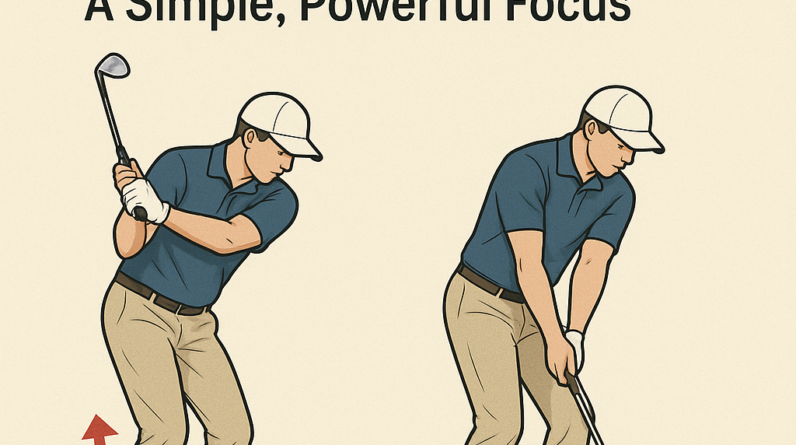
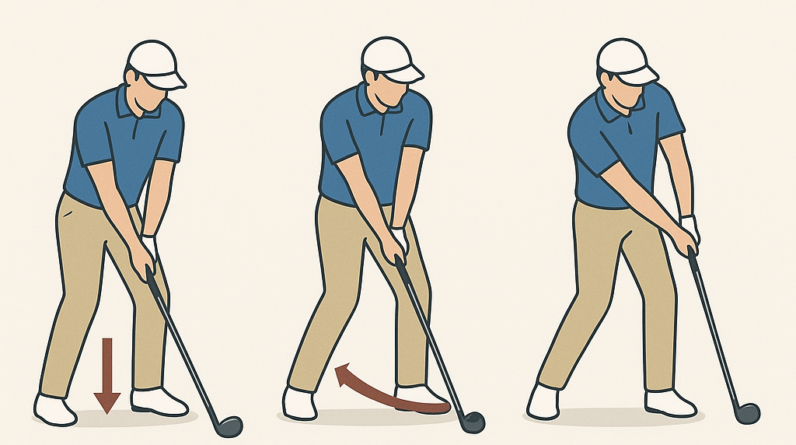
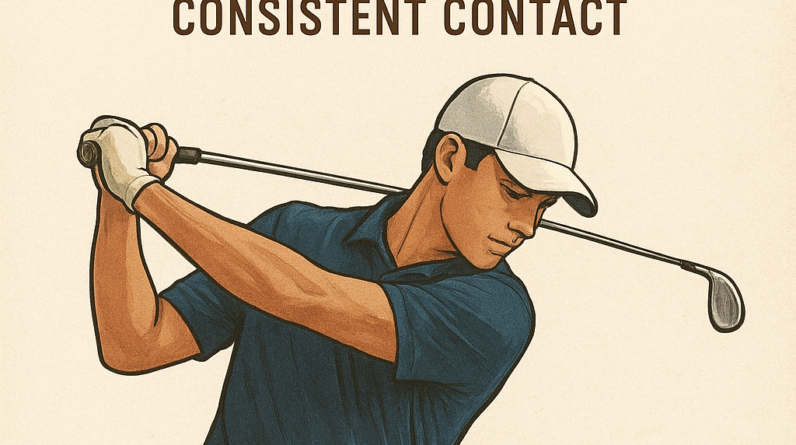
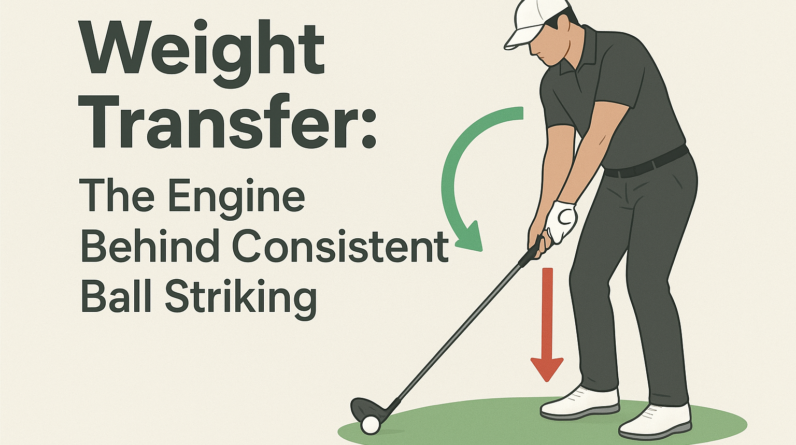
When you hear a PGA pro talking about solid contact, they’re often referring to weight transfer. In simple terms, it’s the controlled shift of your body’s weight from the back foot to the front foot as you move the club from the takeaway, through impact, and into the finish. This isn’t about a big dramatic move—it’s a steady, athletic transfer that helps you compress the ball, maintain balance, and hit the target more consistently.
What the concept is
- Weight transfer is the progressive move of your center of gravity from your trail (back) leg to your lead (front) leg during the swing.
- It involves hip rotation, knee flex, and a deliberate push off the ground, not a sideways slide or a “stomp.”
- The goal is to contact the ball while the majority of your weight is near or slightly onto the lead foot at impact, with a stable spine and balanced finish.
Why it matters to the golf swing
- Solid contact: Proper transfer helps you avoid thin or fat shots by aligning your body’s center with the ball through impact.
- Distance control: Efficient weight shift promotes consistent clubhead speed and compression, so shots fly straighter and with predictable distance.
- Balance and tempo: A controlled transfer supports a smoother transition from backswing to downswing, reducing overswing or late swoops.
What you should feel when doing it correctly
- A gradual shift of weight onto the lead foot as you start down, not a sudden slam
- Behind-the-ball feel: your trail foot’s heel lightens, and you feel a stable, athletic turn of the hips
- Spine angle remains mostly intact; your head stays relatively still as your body rotates
- Through impact, you sense the ground pushing you toward the target and your chest facing the target line
2–3 common mistakes (with fixes)
- Mistake 1: Weight stays on the back foot at impact.
- Fix: Think “hip lead” and small push off the trail foot early in downswing. Feel your lead knee flex and your hips rotate toward the target so weight completes on the lead side at impact.
- Mistake 2: Weight shifts too early or too late during the swing.
- Fix: Maintain a steady tempo. Start the transfer as you begin the downswing, not at the moment of contact. A simple mental cue: “hips turn, feet follow” to keep momentum smooth.
- Mistake 3: Lateral swaying instead of turning.
- Fix: Focus on rotating the hips rather than sliding the hips forward. Keep your head over the same vertical line while your lower body turns beneath you.
A simple drill you can do at home or at the range
- Step-Through Weight Transfer Drill:
- Set up as if you were going to hit a normal shot, feet shoulder-width apart.
- Take the club back and start down as you would in a real swing.
- As you reach the transition from downswing to impact, take a small, controlled step forward with your lead foot (about 6–8 inches). Land softly and finish with your weight on the lead foot.
- Hold the finish for 1–2 seconds, then reset and repeat 8–12 times.
- Key focus: Maintain balance, rotate the hips, and let the push off the trail foot drive weight onto the lead foot at impact.
This drill teaches you to feel the weight moving forward into impact without sacrificing balance. If you’re at home, you can perform it with no ball—just practice the feeling of transfer and the step-through motion on a carpet or mat.
Weight Transfer: The Quiet Power Behind Consistent Ball Striking
Understanding weight transfer and its impact on ball striking
Weight transfer is the intentional movement of your body’s weight from one supporting leg to the other during a swing or strike. Though it happens quietly, this dynamic sequence is the cornerstone of energy delivery in sports that require precise contact, whether you’re carving a golf shot, driving a tennis rally, or blasting a baseball.When executed correctly, weight transfer aligns the kinetic chain—from feet and ankles through the hips, core, and upper body—so that power is generated efficiently and consistently.
Think of weight transfer as a controlled “loading and unloading” of forces. The goal is to store energy in the takeoff phase and release it through impact, rather than relying on brute force alone. This approach improves distance, accuracy, and repeatability while reducing undue strain on joints by distributing stress through a well-timed, whole-body sequence.
Key principles that govern effective weight transfer
- Baseline balance: Establish a stable stance with a slight knee bend and a neutral spine. Balance is the foundation that allows smooth weight movement without drifting off-line.
- Ground reaction forces: Your feet are the first contact points. Efficient weight transfer uses the ground to drive your hips and torso into the desired direction.
- Sequenced rotation: The hips typically initiate the transfer, followed by the torso, shoulders, arms, and finally the club or bat. Proper sequencing keeps energy from dissipating prematurely.
- spine angle maintenance: Maintain a consistent spine angle to avoid leaking energy and to prevent timing issues during impact.
- Sport-specific cues: Different sports emphasize different transfer directions (forward for forward-moving shots, lateral for certain groundstrokes), but the underlying principle remains the same: efficient energy transfer through the kinetic chain.
Benefits of proper weight transfer
- Increased distance without over-swinging
- Greater shot consistency and repeatability
- improved accuracy through better face/string/face alignment relative to the intended line
- Enhanced control over ball flight, spin, and trajectory
- Reduced risk of common injuries by distributing load across joints and muscles
practical cues and goals to train weight transfer
- Feel the load: Imagine shifting weight into the trail foot during the backswing or backswing-like motion, then unloading into the lead foot through impact.
- Lead with the lower body: Allow hips to rotate first, then the torso, then the arms. This sequencing helps prevent “slamming” the hands through contact.
- Maintain a steady spine: Don’t let the torso over-tilt or collapse; keep the spine angle consistent from setup through impact.
- Use the ground as a lever: Push off the ground with the trail foot at the right moment to propel weight forward and into the target direction.
Drills to develop reliable weight transfer
1) Split-stance loading drill
- Stand with feet shoulder-width apart; shift weight gently to the back foot as you simulate the backswing or backswing-like motion.
- During the simulated strike, transfer weight to the lead foot while maintaining balance and posture.
- Progress by adding a light swing or swing-like movement and focusing on the moment of transition.
2) Medicine ball rotational tosses
- Stand with feet hip-width apart,holding a light medicine ball at chest level.
- rotate hips and torso to load the back side, then rapidly rotate through to throw the ball forward.
- This drill reinforces hip-first sequencing and core engagement essential for effective weight transfer.
3) Step-through drill
- Take a narrow stance and perform a controlled step-through toward the target after a short backswing—or swing-like motion for upper-body sports.
- Focus on transferring weight to the lead leg and driving through contact with a stable spine and neutral posture.
Case studies: real-world results from improved weight transfer
Case studies illustrate practical outcomes rather than relying on theory alone. These summaries highlight how better weight transfer translates to sharper ball striking in different sports.
“After integrating a hip-first transfer and a deliberate trail-to-lead weight shift,my iron shots started landing closer to the target line,and I found more consistent contact.” — Amateur golfer, 6-handicap
“In tennis, refining the weight shift helped me maintain pace on groundstrokes without losing control. My rallies became steadier and more aggressive when needed.” — Club-level tennis player
First-hand experience: a coach’s viewpoint on weight transfer
As a coach,I’ve watched countless players improve when they stop trying to hit harder and start coordinating timing across the kinetic chain. A simple test I use is to observe the moment of transition from load to unload during impact. If the weight transfer is rushed or mis-timed, the shot often loses direction or flies off-line. By emphasizing a smooth, deliberate transfer—from trail foot to lead foot—the energy transfer becomes smoother, and shots become more predictable.Players report better confidence on tough courses, as their swings feel more controllable, even under pressure.
Weight transfer cues by sport
| Aspect | Golf | Tennis | Baseball |
|---|---|---|---|
| Initial load | Load into the trail heel with a slight knee bend; feel the hips loading | Ground contact and a stable base with slight knee flex | Weight settles to the back leg during the load phase |
| Transition cue | Hips initiate the turn; torso follows; wrists stay relaxed | Core engagement leads the shoulder rotation; hands stay soft | Body rotates through the leg drive; hands stay inside the swing plane |
| Impact moment | Push off toward the lead foot; maintain spine angle | Contact occurs on the forward arc with stable weight transfer | Drive through the ball with balanced weight distribution |
| Follow-through | Continue rotation; finish with even weight on lead foot | Complete the swing with a smooth deceleration and recovery | finish with proper hip-shoulder alignment and balance |
Practical tips and common mistakes to avoid
Excessive hip or torso rotation can throw off timing. Rotate efficiently and let the arms follow. Excessive head movement disrupts weight transfer and timing. A collapsing spine or rounded shoulders can dissipate energy. Maintain a tall, athletic posture through contact.
Quick-start routines for ongoing improvement
Alternate between load on the trail leg and a controlled transfer to the lead leg, focusing on balance and posture. Record a few practice swings, review weight transfer visuals (foot pressure, hip rotation), and adjust cueing. Start with slow, controlled movements; gradually increase speed while maintaining form.
integrating weight transfer into overall performance
Weight transfer is not a single cue but an integrated part of athletic technique.It supports precision in flight path, control of contact, and consistency under pressure.When you train with intention—focusing on the load, transition, and release—you’ll notice more dependable ball striking across a range of shots and sports. The quiet power of weight transfer lies in its ability to harmonize how your feet, legs, core, and upper body work together to deliver clean, repeatable impact.