
Weight Transfer: The Key to Consistent Ball Striking
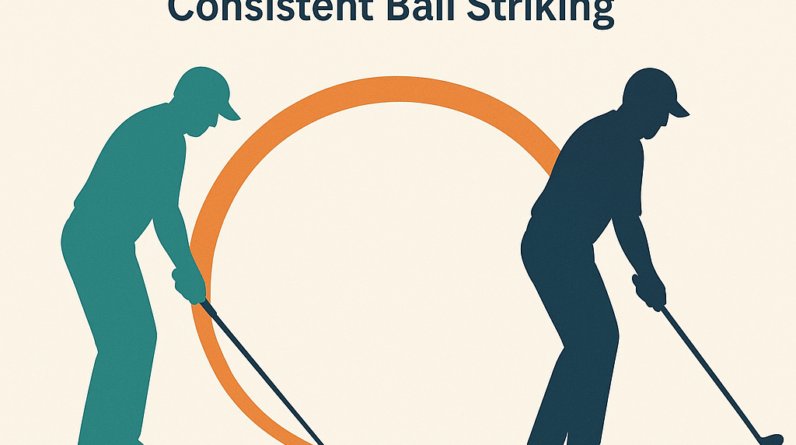
In a good golf swing, your body moves weight from the back foot to the front foot through impact. That movement—your weight transfer—keeps your energy connected to the ground, helps you strike the ball cleanly, and leads to solid distance control. Think of it as a purposeful load and unload of your legs, not a dizzying hip thrust.
What the concept is
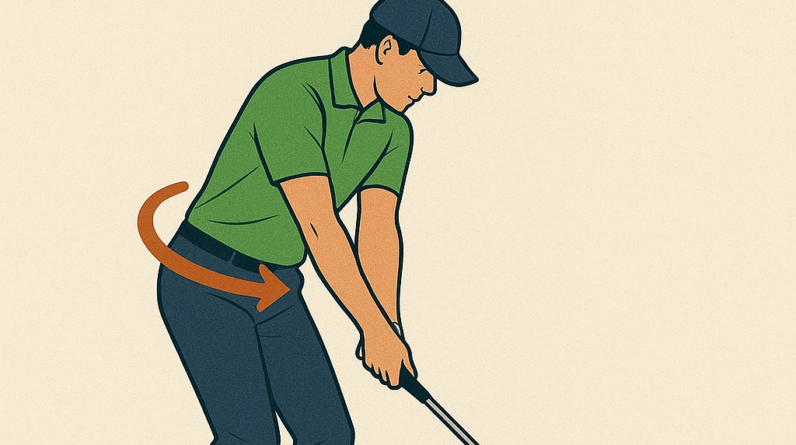
Weight transfer is the controlled shift of pressure from the trail side (the right foot for right-handed players) to the lead side (the left foot) as you swing. A good transfer starts in your lower body and continues through your torso and arms. It isn’t about twisting faster; it’s about timing the shift so your hands meet the ball with solid contact and consistent direction.
For left-handed players, reverse the terms: trail is left foot, lead is right foot.
Why it matters to the golf swing
- Solid contact: Proper transfer helps you compress the ball and avoid fat (hitting behind it) or thin (hitting on the top) shots.
- Distance and direction control: A clean transfer maintains the clubhead’s connection to the ground, promoting consistent ball flight.
- Balance and rhythm: Moving weight smoothly reduces wobbly finishes and helps you reproduce a repeatable swing.
What you should feel when doing it correctly
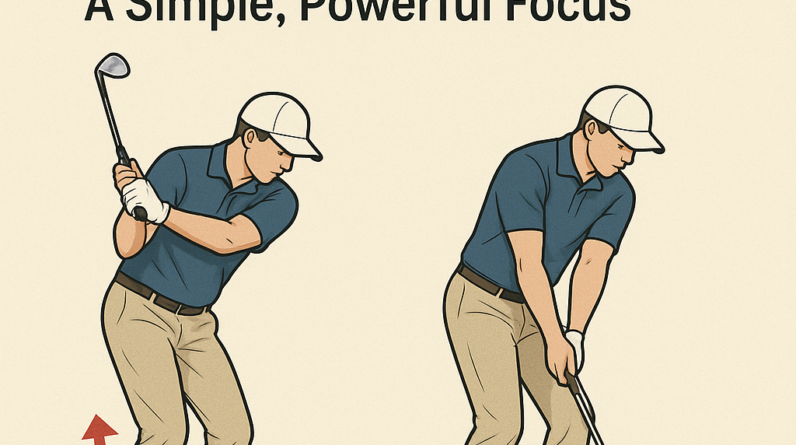
- You load into your trail foot during the backswing—pressure builds on the right side (for right-handers).
- In the downswing, you feel the weight shift toward and through the lead foot, finishing with most of your weight on the front side.
- Your spine angle stays relatively stable; you don’t “dump” your weight forward or slide excessively to the side.
- Foot pressure changes are subtle but real: the lead heel often feels more connected to the ground at impact, and you sense a forward push into the ball.
2–3 common mistakes golfers make with this concept
Mistake 1: Not transferring weight at all
The swing stays mostly on the back foot, so contact is inconsistent and ball flight suffers.
- Fix: Feel your trail foot press into the ground during the backswing, then consciously shift weight forward toward the lead foot on the downswing. Pause briefly at impact with the weight on the lead foot to confirm the feeling.
- Drill: Practice with a small towel or towel under your trail foot. As you swing, keep the towel from lifting and feel the energy move to the lead side near impact.
Mistake 2: Moving weight too early or too aggressively
Weight leaves the trail foot before you strike the ball, causing shots to thicken or lose distance.
- Fix: Slow the tempo and think “load, then drive.” Make a 2-beat sequence: load to trail, then transfer to lead on the downswing and through impact.
- Drill: Do half-swings or pause at the top, then feel the weight shift forward as you start the downswing. Keep your head and spine stable while you initiate the transfer.
Mistake 3: Losing balance or over-rotating
Excessive lateral movement or swaying robs you of a repeatable strike and finish.
- Fix: Maintain a tall posture from start to finish and let the hips rotate rather than slide. Imagine you’re tracing a straight line with your sternum toward the target until you finish.
- Drill: Practice with a chair or golf mat behind you to limit lateral movement. Focus on rotating and transferring weight without dipping or swaying off balance.
One easy practice drill you can do at home or at the range
Step-Through Weight Transfer Drill
Purpose: train the visible shift of weight from the trail foot to the lead foot through impact.
- Set up in a normal address position with a mid-iron. Take a small, comfortable backswing.
- At the top, pause for a moment, then start the downswing while stepping your lead foot forward toward the target (a small step is fine). Your weight should move onto the lead foot as you strike the ball or into a half-swing damper if you’re practicing without a ball.
- Finish with a balanced, athletic finish—most weight on the lead foot, chest facing the target, and a quiet head position.
- Progression: perform slow, controlled swings first, then gradually increase speed while maintaining the transfer timing.
Temper your expectations and build the sensation gradually. Once weight transfer becomes natural, you’ll notice cleaner contact, crisper turf interaction, and more reliable distance control. If you’d like, I can tailor this drill to your current setup and club type to maximize results.
Weight Transfer: The Key to Consistent Ball Striking
Weight Transfer: The key to Consistent ball Striking
When athletes talk about delivering clean,powerful contact,the phrase weight transfer frequently enough rises to the top of the discussion. From golfers and tennis players to batters in baseball and players in pickleball, the ability to move your weight smoothly and efficiently through the shot is a foundational skill. This article dives into the science behind weight transfer, explains why it matters for ball striking, and offers practical drills you can start using today to see more consistent results on the court or the field.
What is weight transfer, and why it matters for ball striking
Weight transfer refers to the controlled shift of your body’s center of gravity from one part of the stance to another during the execution of a swing or stroke. In most sports, the path of weight transfer follows a sequence known as the kinetic chain: from the feet through the legs, hips, torso, shoulders, and finally through the arms to the implement (whether that’s a club, racquet, or bat). When this chain works smoothly, you convert ground reaction forces into forward energy, resulting in faster club head or racquet speeds and more solid contact with less effort.
Key components you’ll hear coaches mention include:
- Ground reaction forces: The force your feet push into the ground, which in turn pushes back up and helps drive the swing.
- Center of gravity management: Keeping a balanced line of gravity over a stable base to avoid lurching or collapsing during contact.
- sequencing: The order in which body segments engage—typically hips initiating the turn before the torso and than the arms—ensuring maximum energy transfer to the ball.
- Angle preservation: Maintaining the appropriate spine and shoulder angles so that energy is not wasted during transfer.
Across sports, the practical outcome of effective weight transfer is the same: closer to optimal timing, more consistent contact, and higher ball velocity with better control. In golf,it means a solid,centered strike at impact. In tennis and pickleball, it translates into crisp, penetrating groundstrokes or dinks with minimal effort. In baseball, it helps you drive through the ball and avoid “casting” the bat away from your path. The underlying physics—efficiently converting body rotation and weight shift into linear velocity at the point of contact—are global.
Benefits of proper weight transfer
- Increased ball speed with control: Efficient weight transfer converts rotational energy into forward momentum without overcompensating with the arms.
- Better hit quality and consistency: A stable base and timely weight shift reduce off-center hits and mis-hits.
- Improved balance and stability: Proper transfer keeps you grounded, which helps you recover faster for the next shot.
- Injury prevention: A well-sequenced transfer minimizes excessive loading on the back, knees, and shoulders by distributing forces more evenly.
- Adaptability across surfaces and situations: Whether you’re playing on fast grass, clay, or indoor hardwood, consistent weight transfer supports reliable contact in varying conditions.
Common errors that break the transfer
Understanding typical mistakes helps you diagnose issues in your own technique and address them efficiently. common transfer problems include:
- Staying back too long: Weight remains on the rear foot beyond the optimal moment, causing late impact and thin or fat contacts.
- Early forward lean or collapse: The head or torso moves forward before contact, breaking timing and reducing power transfer.
- Over-rotation without balance: Hips and shoulders turn too aggressively without maintaining a stable base, leading to instability at impact.
- Inadequate hip extension: Not fully opening the hips can limit the amount of energy you can channel into the shot.
- Arm-dominant swings: Relying on arms rather than the legs and hips to drive the swing reduces efficiency and increases inconsistency.
Key principles for mastering weight transfer
Adopting a few core principles helps you to train the right habits and translate them into performance on the court or field:
- Ground-to-ground connection: Start from a solid, balanced stance and use the floor to generate energy. Think of your feet as the power source that feeds the rest of the body.
- Sequential loading and unloading: Load the weight into the back leg early in the backswing or step,then unload through the core and into the lead limb at impact.
- Hip-shoulder engagement: Initiate the turn with the hips,then let the torso and arms follow in a natural sequence.This keeps energy within the kinetic chain.
- Angle maintenance and posture: Preserve spine angle and posture through contact to maximize energy transfer and minimize deviation.
- Track the ball with the center of gravity: Keep your center of gravity squared to the target line for maximum consistency in contact location.
Practical drills and tips to improve weight transfer
The following drills target the mechanics of weight transfer and can be adapted for golf, tennis, baseball, and pickleball. Start slowly, focusing on feel and control before increasing speed. Always pair practice with video feedback if possible to confirm sequencing and balance.
- Drill 1: Slow-motion weight transfer — Stand in your normal stance and take 6–8 slow, purposeful swings. On each swing, pause halfway through the forward swing to check whether your weight has moved from the back foot toward the lead foot in a controlled way. Cue: “feel the hip push and the torso unwinding.”
- Drill 2: Step-through transfer — Perform a small, controlled step after impact to emphasize forward weight shift and balance recovery. Start with a two-step pattern and progress to one step per swing. Cue: “Step into the target, land softly, stay level.”
- Drill 3: Fence drill (or wall drill) — Stand close to a fence or a wall at waist height. Practice turning through the shot while maintaining contact with the wall with your lead hip or shoulder (depending on sport) to enforce proper sequencing and prevent over-rotation. Cue: “Keep the wall in contact, but let energy flow forward.”
- Drill 4: Balance and proprioception — Use a balance pad or perform single-leg holds for 20–30 seconds to improve ankle stability and proprioception. Then add a light swing or shot while balancing. Cue: “Stabilize, then rotate, never collapse.”
- Drill 5: Closed- and open-stance progression — Start with a closed stance to emphasize weight shift, then progress to a more open stance to simulate real-game adjustments. Cue: “From back foot to lead foot, in a controlled arc.”
In addition to these drills, here are practical tips that athletes frequently enough find transformative:
- Use a slightly wider stance for stability if you’re learning the transfer, then narrow as you gain control.
- Keep the head steady and eyes on the ball during contact to ensure clean transfer and contact location.
- Focus on the sensation of pushing off the back foot and letting the hips clear into the lead side while maintaining posture.
- Slow practice first, then gradually increase pace to preserve control while building speed.
Case studies: weight transfer in action
Golf case study: Consistent iron play improves with better sequencing
A college golfer who struggled with thin and fat iron shots worked with a coach on weight transfer sequencing. By emphasizing a deliberate weight shift to the lead side during the downswing and ensuring the hips contributed first to the rotation, the player reduced mishits by 40% over eight weeks. The key change: a visible hip-driven sequence that allowed the torso to unwind through impact while maintaining balance. The result was a more centered strike with higher forgiveness on off-center balls.
Tennis case study: Groundstroke reliability through energy transfer
A competitive junior tennis player who relied too heavily on arm speed shifted emphasis to the kinetic chain. With drills focusing on loading the back leg, rotating the hips, and guiding the shot with the core, the player achieved more consistent ball velocity and improved depth on returns.The coaching notes highlighted smoother weight transfer as the main driver of accuracy gains, especially on cross-court backhands where timing can be challenging.
Firsthand experience: coaching perspectives on transfer dynamics
From years of coaching across multiple sports, the most consistent performers share a few defining practices. They emphasize the value of a stable base, deliberate loading, and a deliberate, audible transfer of energy from the ground up. Athletes who master these elements report less fatigue after long practice sessions and a higher sense of control,even as they push pace and power. The takeaway: weight transfer isn’t a single cue or drill; it’s an integrated pattern that grows with conscious practice and real-game repetition.
Practical takeaway: building a training plan around weight transfer
To convert understanding into performance gains, structure a weekly plan that alternates between technique focus and match-like scenarios. A sample week might look like this:
- Day 1: Technique focus — slow-motion weight transfer drills (15–20 minutes), video review (10 minutes).
- Day 2: Field or court work — live drills with a partner or coach focusing on transfer timing (30–40 minutes).
- Day 3: Balance and stability day — proprioception and single-leg work (20 minutes) plus one or two weight-transfer swings at reduced speed.
- Day 4: On-court or on-field match practice — apply transfer concepts under game-like pressure (60 minutes).
Drills at a glance: quick reference table
| Drill | Focus | Duration | Key Cues |
|---|---|---|---|
| Slow-motion weight transfer | Sequencing and balance | 6–8 reps per side | “Feel the hip push, then unwind through contact.” |
| Step-through transfer | Forward transfer and recovery | 10–15 reps | “Step into the target; land softly.” |
| Fence/wall drill | Posture and rotation control | 5–10 minutes | “Maintain contact, energy flows forward.” |
| Balance and proprioception | Stability under load | 2–3 sets of 30 seconds | “Stable base, then rotate.” |
| Closed- to open-stance progression | Versatility in transfer | 15–20 minutes | “From back foot to lead foot, controlled arc.” |
Frequently asked questions about weight transfer and ball striking
- Is weight transfer the same across all sports? The core idea—moving energy from the ground through the body to the ball—remains constant, but the exact sequence and emphasis can vary with equipment, constraints, and ball flight goals.
- How long does it take to see improvements? most athletes notice more consistent contact within 3–6 weeks of focused practice, especially when drills are integrated into regular training and video feedback is used to track progress.
- Can beginners benefit from weight transfer work? Absolutely. Early emphasis on stable footing, balanced stance, and basic loading can prevent bad habits and accelerate skill advancement.
- What role does footwear and surface play? A stable, well-cushioned sole and a flat, predictable surface help your feet express the intended weight transfer, especially on hard surfaces or uneven terrain.
Bottom line: the transfer is where power and precision meet
Weight transfer is not a single movement but a coordinated pattern that brings together balance,timing,and biomechanics to deliver consistent ball striking. By focusing on the ground, sequencing the rotation of hips and torso, maintaining posture through impact, and practicing with purpose, you can unlock more power and control with less effort. The more you train this energy flow, the more natural it becomes in competition, helping you adapt to different balls, surfaces, and shot types without losing consistency.
Remember, the goal is not to rush weight forward erratically but to guide energy from the ground up in a controlled, repeatable sequence. Start with the fundamentals, use the drills that suit your sport, and build toward a fluid transfer that you can rely on under pressure. With patience and consistent practice, weight transfer becomes your most dependable ally for clean, powerful, and repeatable ball striking.