
Weight Transfer for Consistent Ball Striking
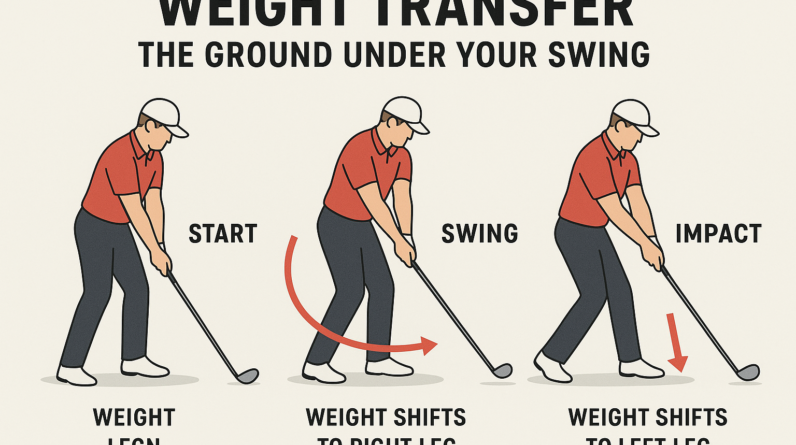
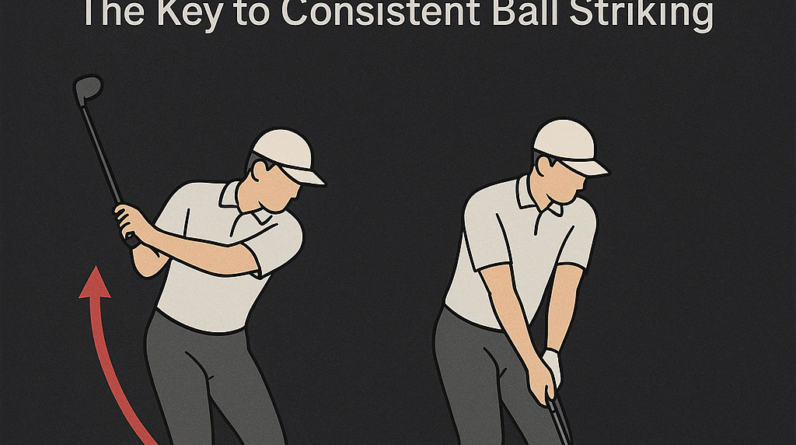
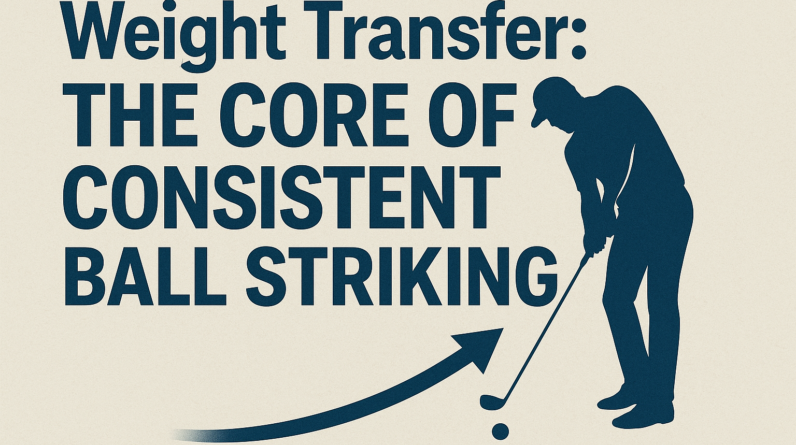
In this focused lesson, we’ll lock in on one fundamental idea that separates solid ball striking from streaky shots: weight transfer. Think of your swing as a controlled shift of pressure from the trail foot to the lead foot, driven by hip rotation and a smooth downswing sequence. When done well, this move helps you contact the ball on the center of the clubface, with solid contact and more consistent direction.
What the concept is
- Weight transfer is the intentional move of your body’s pressure from the back foot (trail) toward the front foot (lead) as you swing down and through the ball.
- It’s not a “lunge” or a slide to the toes. It’s a coordinated shift that starts with the hips turning toward the target, followed by the torso and arms delivering the club on the intended path.
- Efficient weight transfer helps you shallow your angle of attack slightly, compress the ball, and keep your head steady enough for solid contact.
Why it matters to the golf swing
- Consistent contact: With the majority of your weight on the lead foot at impact, you’re more likely to strike the ball in the center of the face.
- Better contact quality: Proper transfer reduces thin or fat shots by keeping your pressure over the center of gravity longer through impact.
- Improved balance and direction: A controlled forward shift supports a stable finish and reduces compensations caused by staying back or sliding too much.
What the golfer should feel when doing it correctly
- A smooth, gradual shift of pressure from the trail foot to the lead foot as you start the downswing.
- Hips fire first, followed by the torso and arms — the legs feel engaged, not stiff.
- Footwear arch and the inside of the lead foot stay connected to the ground; you should be able to finish balanced on the lead foot with a quiet head height shift.
- At impact, you’ll feel the weight primarily on the lead leg, with comfortable knee flex and a centered face of the club.
2–3 common mistakes (with easy fixes)
- Mistake 1: Weight never leaves the trail foot
- Fix: Emphasize a hip-then-torso sequence. As you begin the downswing, feel your hips rotate toward the target and your weight gradually shift to the lead foot. A simple cue is “hips first, hands second.”
- Drill cue: practice slow half-swings focusing on the transition; pause for a beat as your weight shifts forward, then finish.
- Mistake 2: Weight shifts too early or too aggressively
- Fix: Maintain your spine angle and let the club fall into the ball rather than leaping forward. Think “rotate, then settle” rather than “swing and lunge.”
- Drill cue: do a controlled 3/4 swing with a light pause at the top; feel the hips initiating the downswing and gradually transferring pressure to the lead foot.
- Mistake 3: Loss of balance or finishing with the body leaning toward the target
- Fix: Keep a tall, athletic posture through impact and finish with solid weight on the lead foot. A balanced finish is the best test of proper transfer.
- Drill cue: step-through finish drill (see below) to reinforce finishing balance after a proper weight shift.
One easy practice drill you can do at home or on the range
Step-Through Balance Drill
- Set up in a comfortable, athletic stance. Take a half-swings back and pause at the top.
- Start the downswing, feel your hips rotate toward the target, and shift weight onto your lead foot as you begin to step forward with your trail foot into a balanced finish.
- Finish with weight solidly on the lead foot and your chest facing the target. Reset and repeat 8–12 times.
- Tip: keep your head steady and allow the step-through to happen naturally as a result of the weight transfer.
Small, deliberate practice sessions focused on weight transfer will translate into more consistent contact and better direction over time. Remember: the move is a coordinated sequence—hips, torso, arms—and it finishes with solid balance on the lead foot. Stay patient, and you’ll feel the difference in your next range session.
Weight Transfer for Consistent Ball Striking
Weight Transfer for Consistent Ball Striking: Shift Pressure Smoothly for Center-Face Contact
Understanding weight transfer basics
Weight transfer is the intentional movement of your body’s mass from the back foot to the front foot during the golf swing. Proper weight transfer creates a stable, on-plane rotation and sets up center-face contact when the club meets the ball. The goal is to shift pressure smoothly and predictably, so your hands, arms, and body stay connected and the clubface meets the ball in the sweet spot.
- Center-face contact means striking the ball with the center of the clubface, yielding consistent launch, spin, and distance.
- Dynamic balance is the ability to maintain control of your center of gravity during the swing, even as you shift weight.
- Sequencing refers to the order in which your hips, torso, arms, and hands coordinate their movement to deliver the club to the ball smoothly.
When weight transfer is mistimed or excessive, you’ll tend to miss the center of the clubface. the right pattern involves a gradual unloading off the back foot, a confident transition through the ball, and a stable finish with the majority of your weight on the front foot after impact.
Why center-face contact matters
Center-face contact is the focal point of repeatable ball striking. Hits toward the heel or toe of the clubface produce inconsistent ball flight, reduced distance control, and more dispersion. Weight transfer influences where the clubface makes contact:
- proper pressure shift helps keep the hands ahead of the clubhead through impact.
- A steady base reduces lateral movement of the torso and prevents compensation with the arms.
- Center-face contact tends to produce truer ball flight, better compression, and cleaner divots with less clubhead twisting.
The sequence of weight transfer
Think of weight transfer as a controlled cascade from back foot to front foot, guided by the hips and torso turning toward the target. A reliable sequence typically follows these phases:
- Set and backswing: The weight rests more on the inside of the back foot, with the trail knee flexed and the pelvis coiled slightly away from the target.
- Transition: As the downswing begins, the hips open toward the target and the weight starts to slide toward the front foot.
- Downswing impact: The pressure shifts fully onto the lead foot while maintaining balance and connection through the arms to the clubface.
- Follow-through: After impact, the majority of weight remains on the front foot as the body rotates through the shot.
Timing is the critical factor. If weight shifts too early or too late, the clubface may contact the ball off-center. The aim is a smooth, continuous transfer that aligns with your swing plane and tempo.
Practical drills to develop smooth weight transfer
Below are drills designed to reinforce the feel of shifting pressure smoothly while promoting center-face contact. Start slow, then gradually add speed as you maintain control and balance.
- Foot-Pressure Drill: With a lightweight stance, feel the weight shift from the inside of the back foot to the ball of the front foot during the downswing. Use a training aid or simply press into the ground with your feet while keeping the upper body quiet.
- Step-Through Drill: Take a short backswing, then step toward the target with your lead foot through impact while maintaining balance. This helps you feel the transition and encourages forward weight transfer.
- Toe-Tap Maintenance: Tap your lead toe lightly after contact to confirm you are not collapsing your weight forward too abruptly. Maintain a quiet trail leg while you swing.
- Pause-Then-Release Drill: Pause momentarily at the top of the backswing, then start the downswing with a deliberate hip rotation. This trains sequencing and prevents early arm-dominant hits.
for players struggling with timing, use visual or tactile cues to ensure the clubface meets the ball with center contact. A slow-motion practice routine can help you feel the exact moment of weight transfer without rushing the hands.
Drill progressions: a compact table for rapid reference
| Drill | Setup / Cues | Focus | Progression |
|---|---|---|---|
| Foot-Pressure Drill | feet shoulder-width apart, light hold of the club | Weight shift from back foot to front foot | Slow tempo → Moderate tempo → Normal swing tempo |
| Step-Through Drill | Small backswing, step through toward target | Efficient transition and balance | 4 reps, then 8 reps |
| Pause-Then-Release Drill | Backswing and hold at top for 0.5–1.0 seconds | Hip-driven downswing sequencing | Engage core rotation after pause |
Benefits and practical tips for reliable weight transfer
- Consistency: When pressure shifts smoothly, you are more likely to strike the ball with center-face contact on a repeatable path.
- Power with control: Weight transfer allows the legs and hips to contribute to speed without overusing the arms.
- Injury prevention: A stable motion reduces undue stress on the back and wrists by distributing load evenly through the kinetic chain.
- Course management: With predictable contact, you gain confidence to shape shots and adjust for wind or terrain.
Practical cues to reinforce proper weight transfer:
- Feel the floor under your back foot during the backswing; migrate pressure toward the front foot as you start the downswing.
- Keep the chest rotating toward the target, not dragging the arms ahead of the body.
- Maintain a slight knee flex through impact to support stable weight transfer.
Case studies
Case A: The Hovering Hips — A mid- handicap player noticed inconsistency with heavy hands at impact. after focusing on hip rotation and a deliberate weight shift to the front foot, center-face contact improved. gains included tighter dispersion and higher greenside confidence.Short-term drills emphasized the pause-then-release cue to train sequencing.
Case B: The Early Release — A student struggled with a brisk early release, causing toe hits. Implementing the Step-Through Drill helped coordinate footwork with the downswing, pushing weight toward the front foot earlier in the chain and promoting better center-face contact.
Case C: Balancing On the Front Foot — A player who tended to fall back after impact learned to maintain pressure through the lead leg longer, stabilizing the follow-through and ensuring clean contact on the center of the face.
First-hand experience: player insights
- “When I finally felt the weight settle on my front foot at impact,my ball started going straighter and farther with better spin control.” — Amateur golfer, 12 handicap.
- “the trick is not forcing weight transfer but guiding it with the hips and chest. It took a few sessions, but the center-face contact became the norm.” — Weekend golfer, single-digit index.
Common faults and fixes
| fault | Symptom | Fix / Cues |
|---|---|---|
| Late weight transfer | Ball goes to the back foot or hits behind the ball | Increase hip glide toward the front foot earlier in the downswing; use pause-then-release drill |
| Early forward weight shift | Ball goes left of target, pelvis tilts forward | Slow down the hips; delay forward pressure until after the downswing starts; maintain spine angle |
| Heel strike or toe hits | Inconsistent contact and dispersion | Refine center-face contact cues; practice with a mirror or video to verify face alignment at impact |
Frequently asked questions
- How much weight should be on the front foot at impact? Aim for a forward-centered pressure distribution where the front foot carries the majority of your weight at impact, while staying balanced and connected through the swing.
- Is weight transfer different for various clubs? The basic principle remains the same, but longer clubs may require more pronounced hip rotation and tempo to maintain center-face contact.
- Can I improve weight transfer with just one drill? A combination of drills that emphasize sequencing, balance, and tempo tends to yield the best long-term results.
Putting it together: a sample practice plan
Use this 20-minute routine to train smooth weight transfer and center-face contact progressively:
- 5 minutes: Warm-up with light swings focusing on balance and tall posture. feel the weight shift from back foot to front foot without rushing.
- 5 minutes: Pause-Then-Release Drill at 60% speed. Emphasize hip rotation and timing between hips and arms.
- 5 minutes: Step-Through Drill with a short backswing. Step through toward target and maintain control of balance.
- 5 minutes: Full speed swings, monitoring center-face contact on a impact tape or with a pilot ball drill.
Keep a log of your observations. Note how your contact quality changes with tempo, balance, and weight distribution.Small, consistent improvements compound over time, leading to a dependable swing that delivers center-face contact consistently.