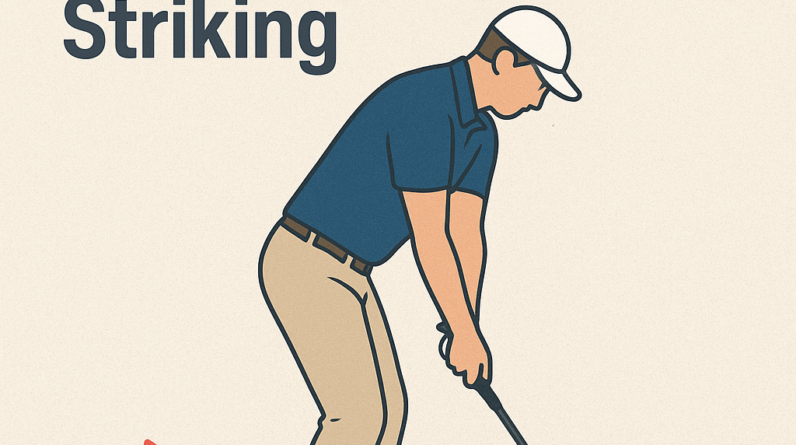

Weight Transfer: The Engine of Consistent Ball Striking
In this post we focus on one essential concept that often makes the biggest difference for beginner to intermediate players: weight transfer. When your weight moves smoothly from the back foot to the front foot through impact, your contact, distance control, and balance improve dramatically. It’s a simple idea, but powerful when practiced with intention.
What the concept is
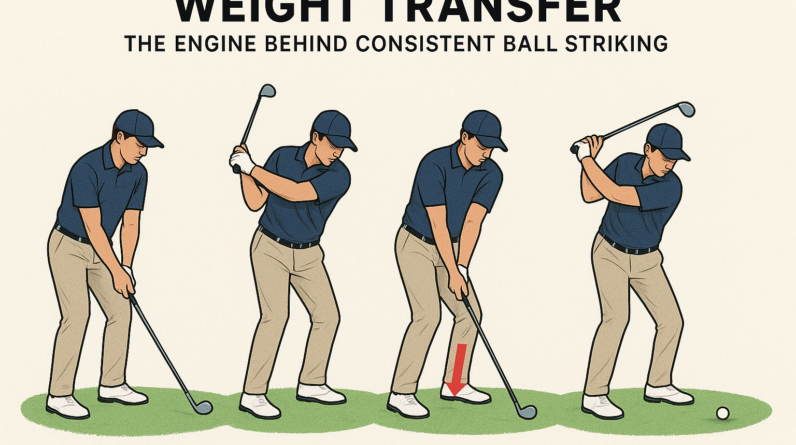
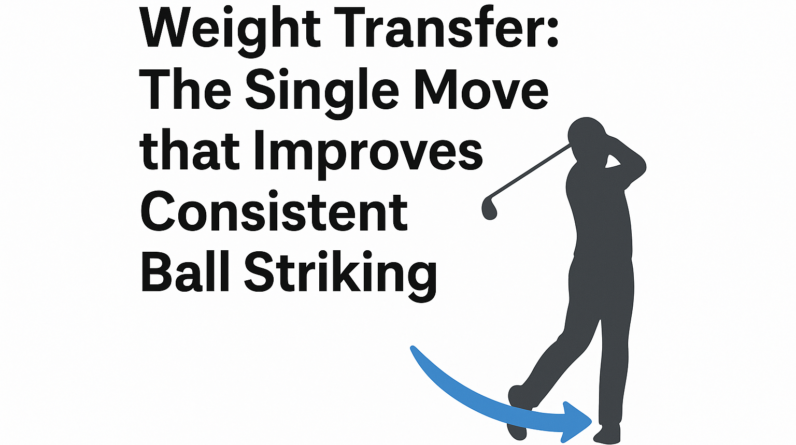
Weight transfer means shifting pressure from the trail foot (the right foot for right-handed players) to the lead foot (the left foot) as you swing, especially through impact. It’s not a separate motion you add; it’s the result of a coordinated sequence: hip rotation, a rotating torso, and posting into the lead leg. The goal is a continuous, natural transfer—not hanging back or sliding too far without turning the hips.
Why it matters to the golf swing
- Promotes solid contact and center-face strikes.
- Improves angle of attack and the arc of the clubhead through the ball.
- Boosts balance, consistency, and distance control.
What you should feel when doing it correctly
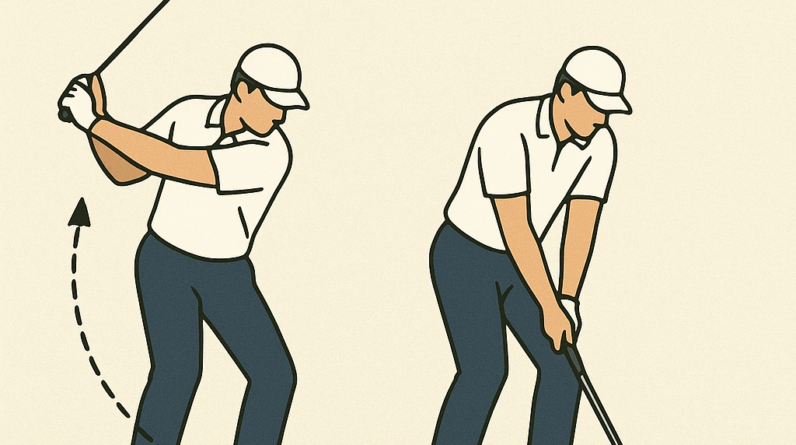
You should feel the pressure move from your trail foot into your lead foot as you descend into the ball. Your lead knee flexes, your belt buckle angles toward the target, and your chest gradually faces the target. By impact, your weight is mainly on the lead foot, and your back heel is lighter. If you glance in a mirror from behind, you’ll notice your torso and hips have moved toward the target while staying balanced over the lead foot.
2–3 common mistakes and how to fix them
- Mistake 1: Stays heavy on the back foot at impact.
- Fixes:
- Try the Step-Through Drill: after the strike, gently step into your lead foot and finish tall to feel forward weight shift.
- Use a belt-buckle cue: at impact, aim your belt buckle toward the target to cue forward rotation and weight shift.
- Fixes:
- Fixes:
- Practice a slow, three-beat transition: gather, shift weight to the lead foot during the downswing, and finish with chest and hips facing the target.
- Visual cue: imagine your chest “leading” toward the target while your legs drive the motion.
- Fixes:
- Let the lower body drive the shift; think hips first, then arms.
- Widen your stance slightly in practice to allow a steadier, controlled transfer without wobble.
One easy practice drill you can do at home or on the range
Step-Through Weight Shift Drill
- Set up with a normal grip and stance. For right-handed players, your trail foot is the right foot.
- Place a towel roll or a small cushion under your trail foot’s arch to encourage a forward transfer rather than staying rooted.
- Swing slowly to about 75% speed, focusing on the weight shifting from the trail foot to the lead foot as you descend to impact.
- At impact, step forward with your lead foot and finish with your chest facing the target and your weight on the lead foot.
- Repeat 20–30 reps, emphasizing a smooth, controlled transfer rather than speed.
Closing note
Weight transfer is not about grinding power from the legs alone; it’s about allowing your hips to rotate and your torso to settle into the lead side, producing a clean, balanced strike. Practice this with patience, and you’ll see crisper contact and more consistent distance.
Weight Transfer: The Engine of Consistent Ball Striking
Why Weight Transfer Matters
weight transfer is the intentional and practiced shift of your body’s weight from one foot to the other (and through the center of mass) during the moment of ball contact. In any sport that involves hitting, striking, or shooting a ball, the way you move your weight determines contact quality, shot power, and consistency. When weight transfer is timed correctly, you generate momentum from the ground up, converting stable balance into explosive, precise ball striking. Poor weight transfer frequently enough results in inconsistency: slices, hooks, mishits, or off-center contact. The goal is to create a smooth, repeatable transfer that aligns your center of mass with the point of impact and the target line.
- Improved contact on the sweet spot or ideal contact zone
- Increased power with less effort due to efficient energy transfer
- Better balance and less compensatory upper-body movement
- Enhanced control over shot trajectory and accuracy
The Science Behind Weight Transfer
Weight transfer is rooted in biomechanics and athletic training. By understanding the physics of movement, you can optimize the sequence that leads to clean ball striking. key concepts include the kinetic chain, ground reaction forces, and the deliberate sequencing of hips, core, and shoulders.
Kinetic Chain and sequencing
The kinetic chain describes how energy flows from the ground up through the legs, hips, torso, and finally to the arms and the object being struck. In most sports, a well-timed loading phase (backward weight shift) followed by an unloading phase (forward weight shift) maximizes power while maintaining control. The upper body doesn’t create all the power; it transfers the energy generated by the legs and hips through the trunk to the ball.
Ground Reaction Forces
Every step and stance change generates ground reaction forces (GRFs). By anchoring force into the ground at the right moment, you convert that reaction into forward momentum toward the ball. Muscles work as a coordinated system to absorb, store, and release energy during the transfer, rather than fighting against it.
Center of Mass, Balance, and Alignment
Balance is the foundation of effective weight transfer. Aligning your center of mass over the base of support and keeping it coherent with the target path reduces wobble and mis-hits. Good alignment ensures that the momentum you generate with your lower body travels through your spine to your striking hand and then to the ball.
Weight Transfer Across Sports
While the fundamentals are shared, the application of weight transfer varies by sport because the point of contact and swing arc differ.Here’s a rapid look at how athletes apply weight transfer in golf, tennis, and baseball.
Golf
golf requires precise timing and a wide arc. The weight shifts from the trail foot (right foot for right-handed players) toward the lead foot during the downswing, with a pronounced transfer through the impact zone. A stable yet dynamic transfer helps maximize clubhead speed while preserving contact accuracy.
Tennis
In tennis,weight transfer supports power generation through the ground and into the racquet. On forehands, players typically load into the back leg and then actively transfer weight forward into the front foot at contact. On backhands and serves, efficient weight transfer helps maintain rhythm and balance during rapid changes of direction and high-speed frames.
Baseball/Softball
batting and hitting mechanics rely heavily on trunk rotation and weight transfer from back foot to front foot.The transfer acts as a lever, enabling the batter to engage the hips and torso, creating torque that drives the bat toward the ball. Consistent transfer reduces early or late contact, leading to more solid hits.
Key components for Effective Weight Transfer
To make weight transfer reliable, integrate these components into your stance, movement, and practice routine.
A balanced, slightly athletic stance with distributed weight between both feet, ready to shift without losing alignment. The hips initiate the sequence, creating a foundation for the torso and arms to follow in a coordinated path. A braced core stabilizes the spine, allowing energy to move through the trunk without excessive sway. Maintain posture that keeps the spine neutral and stable during the transfer to prevent energy leaks. Breathing tempo helps synchronize timing with the transfer, keeping the stroke repeatable under pressure.
Drills and Practical Tips for Weight Transfer
Integrate these drills into your practice routine to train the brain and the body to work together. Start slow, then increase tempo as accuracy improves.
Tempo Drill: Slow-Then-Tempo Transfer
Purpose: Build awareness of start-to-finish transfer timing.
- Stand in your normal athletic stance with light resistance in your legs.
- Take a slow backswing or backswing-like motion, pausing briefly at the top to feel the weight shift to the back foot.
- Then accelerate through the impact zone, transferring weight smoothly to the front foot.
- Repeat for 1–2 minutes, focusing on a quiet, controlled transfer rather than brute speed.
step-Through Drill
Purpose: Improve lateral weight transfer and forward progression.
- Place a chair or target marker about a step away from your stance.
- Perform a controlled step toward the target, transferring weight from back foot to front foot as you pivot your hips toward the target.
- Keep the upper body quiet and the gaze on the target. Repeat 8–12 reps per side.
Ground-Contact Awareness Drill
Purpose: Develop feel for ground reaction forces and balance.
- Stand on a flat surface and practice marching in place, paying attention to which foot bears weight during each step.
- After 20 seconds, switch to a gentle, continuous step-tunt-down pattern, emphasizing even weight distribution and a smooth transfer.
Rotational Loading Drill
Purpose: link hip rotation with weight transfer to maximize torque and speed.
- Stand with feet shoulder-width apart,arms relaxed at chest level.
- Rotate the hips slightly backward while maintaining a stable spine, then shift weight forward through the lead leg as you rotate torso toward the target.
- Finish with a light break to ensure the weight remains balanced in the forward position.
Balance and Bracing Drill
Purpose: Improve spinal stability during weight transfer.
- Adopt a neutral spine,engage the core,and brace as if preparing for a light impact.
- Execute a shot-like motion while maintaining brace and balance,preventing excessive early weight shift or collapse.
Common Faults and Fixes
Even experienced players can struggle with weight transfer. Here are frequent issues and practical fixes.
fault: Early Weight Transfer to Front Foot
- Symptom: Ball contact is often heel-first or mis-timed; loss of control over direction.
- Fix: Focus on a deliberate loading phase into the back foot, then a controlled, progressive transfer to the front foot through contact.Shorten the arc and stabilize the lower body before unleashing the upper body.
Fault: Excessive Back-Shoulder Tilt or Sway
- Symptom: Energy leaks and inconsistent contact due to lateral movement.
- Fix: Drill with a wall-press or mirror feedback to minimize lateral sway,and emphasize a balanced stance with a braced core that limits unwanted rotation.
Fault: Delay in Hips Initiating the Transfer
- Symptom: Slow energy transfer and slower ball speeds.
- Fix: Initiate the sequence with a subtle hip hinge and rotation before the arms begin to move. Timing cues like “hips before hands” can reinforce the pattern.
Fault: Poor Ground Contact on Impact
- Symptom: Floating or late contact with weak energy transfer.
- Fix: practice with slower tempo focusing on a solid foot connection at impact, ensuring the weight is centered on the lead foot as you strike.
Benefits and Practical Tips for Consistent ball Striking
Implementing robust weight transfer yields tangible benefits across sports and training levels. Here are practical takeaways to embed in daily practice.
- Improved ball striking consistency across different shot types or strokes.
- Better power generation with less muscular strain due to efficient energy transfer.
- Enhanced balance under pressure, reducing common mis-hits during competition.
- Greater awareness of body sequencing, enabling rapid adjustments when conditions change (wind, surface, opponent pressure).
Case Studies and First-Hand Experience
Real-world examples help translate theory into practice.The following anonymized notes reflect typical improvements after focusing on weight transfer.
Case Study 1: Golf Enthusiast Improving Solid Contact
A mid-handicap golfer reported inconsistent iron play with a tendency to hit behind the ball. After incorporating a hip-initiated weight transfer drill and a tempo-based loading/unloading cue, they gained better contact and a more consistent strike pattern. Over six weeks, their dispersion shrank by an average of 4–6 feet on approach shots, and they felt more confident facing tight fairways.
Case Study 2: Tennis Player maintaining Rhythm on Rallies
A competitive doubles player struggled with backhand stability during long rallies. A program focusing on controlled weight transfer during the backhand stroke led to fewer mis-hits and improved depth on returns. Coaches noted more consistent ball trajectory and better endurance in longer matches because the transfer reduced unnecessary upper-body compensation.
Weight Transfer Checklist and progress Tracking
Use this quick checklist to monitor progress and ensure the transfer remains a core part of your technique:
- Can you feel the weight shift from the back foot to the front foot through the impact zone?
- Are hip and trunk rotations initiating the sequence before the arms move?
- Is your base stable with minimal lateral movement during the stroke?
- Do grfs feel balanced across both feet during the drill phases?
- Are practice sessions showing improved contact quality and shot consistency?
Quick reference Drills and Cues
| Drill | Purpose | Cues | Common Mistakes | Progression |
|---|---|---|---|---|
| Tempo Drill | Feel load and unload timing | “Load-then-Shift-Through” | Rushing the transfer | Increase tempo while maintaining control |
| Step-Through Drill | Improve lateral weight transfer | “Step and Stick” | Overstriding; loss of balance | shorten steps; focus on foot-to-target alignment |
| Rotational Loading Drill | Link hips with trunk and arms | “Hips first, arms follow” | Excess torso rotation without weight transfer | Sync hip turn with forward weight shift |
| balance-Bracing Drill | Stabilize spine during transfer | “Brace and engage core” | Soft core, wobbly posture | Maintain brace through impact |
Final Notes on Sequencing and Practice
weight transfer is not about moving faster alone; it’s about moving smarter.The most repeatable, powerful ball striking happens when the ground reaction forces become a controlled, purposeful energy that travels through the kinetic chain. practice with intention, measure progress with contact quality and consistency, and gradually add speed only after you’ve established a solid transfer pattern.
Frequently Asked Questions
Is weight transfer the same as weight shifting?
Yes, weight transfer describes the systematic shift of weight through the stance and into the impact zone as part of a coordinated sequence. Weight shifting is the broader concept, but in skill training it is indeed frequently enough used to describe the intentional, sport-specific transfer of weight during a stroke or swing.
can I overdo weight transfer and lose control?
Overemphasis on transfer without core stability and proper sequencing can cause loss of balance and mis-hits. The goal is a balanced,timed transfer that travels through the center of mass and stays anchored to the base of support.
How long does it take to improve weight transfer?
Improvements can appear within a few weeks of consistent practice, especially with targeted drills and feedback. For some players, noticeable gains in consistency and power appear after 6–12 weeks of dedicated work.
About Your Body and the Swing: A Quick Recap
Weight transfer is a holistic process. It involves the legs, hips, core, and upper body moving in a coordinated sequence. Your feet serve as anchors; your hips initiate the energy flow; your core stabilizes the trunk; and your arms and hands guide the instrument to contact. Tracking this flow with purpose helps you strike the ball with greater consistency and efficiency.