
Weight Transfer: The Key to Consistent Ball Striking
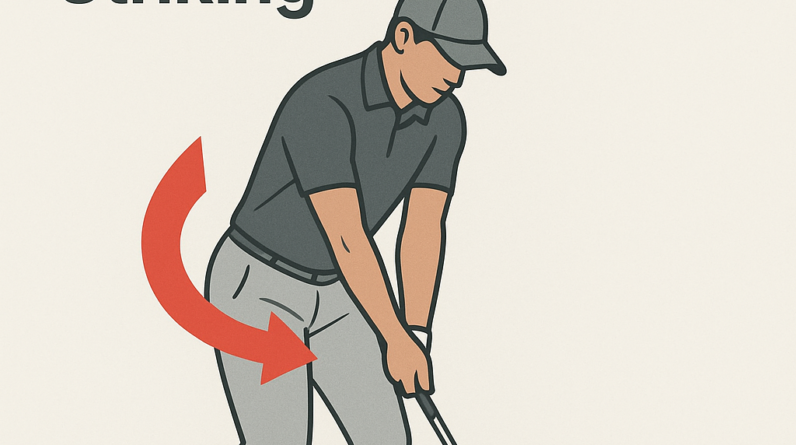
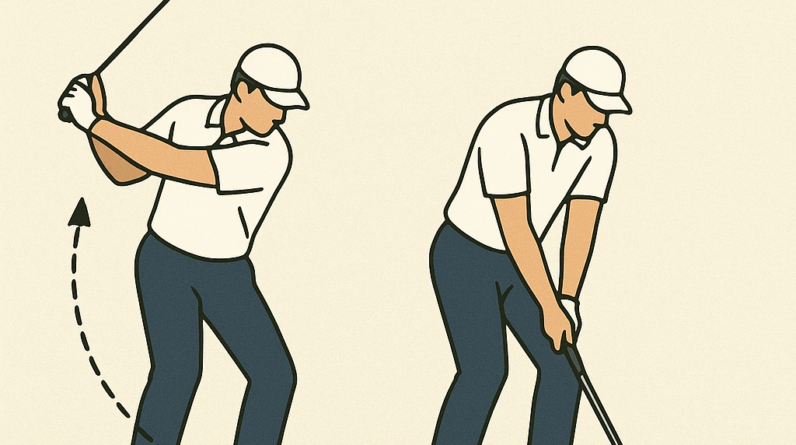
Focusing on weight transfer helps you strike the ball more consistently by keeping your lower body stable while your upper body rotates. For a right-handed golfer, the idea is simple: move pressure from the trail foot toward the lead foot as you approach and through impact.
What the concept is
- Weight transfer is a controlled shift of your center of gravity from the back foot to the front foot during the downswing and into impact.
- It happens naturally as your hips rotate and your torso unwinds toward the target.
- Done correctly, your body stays balanced and your arms can deliver the clubface to the ball with solid contact.
Why it matters to the golf swing
- Improves contact: more centered hits and less toe- or heel-first contact.
- Enhances direction and distance control: a forward, timed weight shift reduces “over the top” or slicey paths.
- Supports a stable base: good weight transfer minimizes excessive sway and preserves spine angle.
What you should feel when doing it correctly
- You’ll sense the bulk of your weight moving to the lead foot (left foot for a right-handed golfer) as you approach impact.
- Lead-leg pressure increases; the trail-foot lightens without you “popping” off balance.
- Your hips rotate and your torso unwinds toward the target while your spine angle is maintained.
2–3 common mistakes (with simple fixes)
- Mistake: Weight shifts too early, before you deliver the club to impact.
Fix: Start the downswing with your hips turning toward the target. Think “hips before hands,” and feel the belt buckle rotate to the target side just before impact. Practice half-swings focusing on starting the downswing with lower-body rotation, not the arms. - Mistake: Not transferring enough weight; you stay on the trail foot into impact.
Fix: Create a deliberate center of gravity cue: slightly press into the lead foot as you swing through. Visualize your weight crossing the midline at impact and finishing with most of your weight on the lead foot. - Mistake: Excessive lateral sway or sliding instead of turning.
Fix: Maintain a quiet spine and rotate around it. A simple cue is to imagine you’re brushing your hips toward the target while keeping your upper body from drifting sideways. If you need a drill, place a towel between your back and a wall and rotate—your back should stay in contact with the towel as you swing.
One easy practice drill you can do at home or at the range
The Step-Through Weight Transfer Drill
- Set up in your normal stance with a short iron or a positional club.
- Make a few half-swings, focusing on a clear weight shift from the trail foot to the lead foot just before impact. Feel the lead-foot pressure building as you reach the ball.
- After contact, step forward with your lead foot toward the target, allowing your weight to finish on the lead leg. This reinforces the forward transfer and helps you feel a balanced finish.
- Progress to full swings once you can consistently finish with most weight on the lead foot and a quiet trail side.
Tip: start slow, then build tempo. The goal is a smooth, centered transfer—not a dramatic lunge or a slide. Keep your eyes on the ball, breathe evenly, and let the lower body lead the rhythm of the swing.
Weight Transfer: The Key to Consistent Ball Striking
Weight Transfer: The Key to Consistent Ball Striking
weight transfer is the intentional shift of your body weight from the rear foot to the front foot during the swing or strike. In any ball-contact sport, proper weight transfer unlocks power, accuracy, and repeatability. When the body’s center of gravity moves smoothly and in sync with the swing arc, the club or bat can strike the ball with clean contact. Conversely, mis-timing weight shift leads to off-center hits, reduced speed, and inconsistent ball flight.
The Science Behind Weight Transfer
Weight transfer is a biomechanical sequence that engages the entire kinetic chain—from the feet through the ankles, knees, hips, torso, and shoulders to the arms and hands. The goal is to transfer ground reaction forces efficiently into the implement that hits the ball. Here’s what happens behind the scenes:
- Ground reaction forces: Your feet push against the ground,and the ground pushes back.Properly timed force transfer from rear to front foot generates better club speed and solid contact.
- Center of gravity and balance: A stable but dynamic center of gravity allows you to maintain posture during rapid hip rotation and shoulder turn.
- Hip and trunk sequencing: A well-timed hip slide or turn powers the swing and helps keep the hands from getting out in front of the body.
- Impact stability: At impact, weight should be loaded into the front side to compress the body’s spring-like structures, creating solid, accelerating contact with the ball.
In practice, this means your brain coordinates a smooth transfer of energy through every link in the chain.When one link misfires—such as early weight shift or lingering on the back foot—the efficiency drops, and ball striking suffers.
Phases of transfer in a Swing
Understanding the phases helps athletes train the right cues at the right moment.While different sports have unique tempo, the core idea remains the same: load, move, strike, and recover with controlled balance.
- setup and Load: Establish a solid base, slight knee flex, and weight slightly toward the rear foot to prepare the backswing.
- Transition: Initiate the transfer from the back foot to the front foot as you begin forward motion, creating sequence and momentum.
- Impact: Peak forward pressure onto the lead foot while maintaining spine angle and track to the ball.
- Follow-through: Allow the hips and torso to rotate naturally, finishing with balanced weight on the lead foot.
Applying Weight Transfer Across Sports
The concept of weight transfer translates across golf, baseball, tennis, and even cricket. While equipment and flight paths differ,the physical principles stay the same: efficient energy transfer,stable balance,and precise timing lead to superior ball striking.
In Golf
Golfers aim to start the downswing with a coordinated shift of weight from the trail leg to the lead leg. A common cue is to feel pressure building into the left foot (for right-handed players) just before impact, while keeping the head still and eyes on the ball. The best players emphasize a smooth transition rather than a brute slide, preserving spine angle and delivering a solid, centered strike.
In Baseball
baseball requires a explosive, linear transfer of energy from the back leg through the hips into the bat.The stride should feel like a controlled collision as weight moves forward, enabling the hands to swing through the hitting zone with rhythm.Premature weight shift can lead to pull-off or off-speed contact,while late transfer reduces bat speed and bat-control.
In tennis
Tennis players optimize weight transfer to generate groundstroke pace and spin. A forward bias on the front foot at contact helps stabilize the shot and improve control. The transfer should be timed with racket acceleration so you don’t throw your shoulder or wrist out of alignment, which can cause mishits or inconsistent ball flight.
Key Drills and Cues to Master Weight Transfer
Consistency comes from repeatable cues and purposeful practice. Use these drills to build feel for the sequence and establish robust swing mechanics that translate to better ball striking.
- Step-Through Drill: After addressing the ball, take a small step toward the target during the downswing while keeping balance. This reinforces front-side loading without over-extending.
- Wall Push-Off Drill: Stand with your back foot near a wall. As you rotate into the downswing, push off the wall with your lead leg to feel the forward weight shift without swaying.
- Medicine Ball Rotation: Stand tall, hold a medicine ball at chest level, and rotate hips and torso while transferring weight to the front foot on each rep. This builds sequencing and power transfer.
- From-Back to Front Balance Drill: Use a thin balance board or a towel under your front foot.Practice shifting weight from back to front while maintaining posture and head position.
- Impact Position Cue: At impact, imagine you’re “stamping” the ball with your lead foot while your hips finish open. This helps lock in front-side weight and solid contact.
Practical Tips for Daily Practice
Small, focused tweaks over time yield big results. Try the following recommendations to ingrain proper weight transfer into your routine:
- Start with slow-motion swings to feel the weight shift before adding speed.
- Keep your head steady and eyes on the ball for a consistent contact point.
- Maintain a slight knee flex and athletic posture to preserve balance during the transfer.
- Use mirrors or video to check if your weight is visibly moving forward during the downswing.
- Integrate breathing cues: exhale slightly through impact to help relax the body while transferring weight efficiently.
Case Studies: Real-world Applications of Weight Transfer
Examining how professionals leverage weight transfer can illuminate practical methods for amateurs. Here are two concise examples drawn from high-level swing work.
Pro Golf Case: The Smooth Transition Master
A touring golfer reduced inconsistency by emphasizing a deliberate hips-first transition, with a crisp but controlled forward press into the lead foot at impact. after implementing a step-through drill and a front-side balance cue, ball striking improved with more on-center hits and noticeably higher driving accuracy. The key change was timing—focusing on the moment when the weight fully shifts from the trail foot to the lead foot rather than forcing speed early in the downswing.
Pro Tennis Case: Groundstroke Rhythm and Control
A top-50 ATP player refined weight transfer to stabilize groundstrokes. By practicing a forward-weight shift during the forward swing and maintaining a stable head position, the player achieved more consistent depth and spin. The coach’s notes highlighted that the transfer should be coordinated with racket acceleration, avoiding late or early transfer that creates mishits or errant ball flight.
First-Hand Experience: Coach Perspective
From working with students across ages and skill levels, the most common obstacle to effective weight transfer is not lack of strength but lack of awareness. Many players start the swing with too much weight on the front foot or fail to load enough onto the back foot before initiating the transition. The practical approach that consistently yields results involves:
- Establishing a stable base with cozy knee flex and even weight distribution at setup.
- Practicing slow, deliberate transitions to feel the load-to-acceleration sequence.
- Using cue phrases like “load, rotate, push” to reinforce the correct order of moves.
- Recording and reviewing footage to ensure the weight shift aligns with the intended contact point.
When players internalize the concept of a coordinated transfer, their ball striking becomes more repeatable, and their swing feels more effortless—despite increased speed and power demands.
Practical Templates: Speedy-Reference Table
The following table summarizes common mistakes, visible symptoms, and practical fixes. The table uses WordPress-amiable styling classes for easy integration into a WP post.
| Mistake | Symptom | Fix |
|---|---|---|
| Early weight transfer | Ball hits off-pace, pulls or slices | delay weight transfer until the downswing initiates; feel rear-to-front load |
| Late weight transfer | Low power, no forward momentum at impact | improve transition timing with a cue like “into the front foot by impact” |
| Excess weight on lead foot at setup | Loss of balance and range of motion | Reset stance with balanced weight, slight knee bend, and even pressure |
| Head movement during swing | Inconsistent ball contact and mis-hits | Keep head steady; imagine a tether to the ball to minimize vertical drift |
| Rigid torso | stiff swing, reduced acceleration | Promote a relaxed upper body while maintaining solid core engagement |
Frequently Asked Questions
- What exactly is weight transfer? It’s the intentional shift of body weight from the back foot to the front foot during the swing or strike, coordinated with hip rotation and trunk timing.
- Can you overdo weight transfer? Yes. overemphasizing weight transfer can cause loss of balance and off-center contact.The goal is a smooth, controlled transfer that matches your swing tempo.
- Is weight transfer the same in golf and baseball? The underlying physics are similar, but the timing and emphasis differ due to equipment and flight path. Golf emphasizes center contact and release, baseball emphasizes powerful, linear transfer into the bat.
- How long does it take to improve weight transfer? With consistent drills, most players notice measurable improvement within 4–8 weeks, depending on practice frequency and feedback quality.
- Should I consult a coach? If you plateau or experience persistent inconsistency, a coach can provide personalized cues and video analysis to refine your transfer sequence.
Related Topics and Further exploration
While weight transfer is central to consistent ball striking, other elements reinforce the affect:
- Core stability and posture
- Footwear and surface interaction
- Grip pressure and hand timing
- Breathing and relaxation during swing
Illustrative Quick-Start Routine (15 Minutes)
Use this practical routine to begin each practice session and reinforce healthy weight transfer patterns. Each drill is designed to be performed with minimal equipment and maximal focus on sensation and timing.
- 5 minutes: Slow-motion swings focusing on load and transition.
- 3 minutes: Step-through drill on a flat surface, emphasizing forward weight shift.
- 3 minutes: wall push-off drill with gentle contact and balance checks.
- 4 minutes: Medicine ball rotations, linking hip drive with weight transfer to the lead foot.
Measurement and Progress Tracking
To verify improvements in weight transfer and ball striking, track these indicators over time:
- Ball speed and distance consistency across multiple swings
- Hit quality: center-face contact rate (using impact tape or video analysis)
- Discrepancies in flight direction before and after implementing transfer cues
- Balance stability: able to maintain posture through impact without excess forward head movement
Closing Notes: Integrating Weight Transfer into Your Game
Weight transfer is not a single trick or a quick fix; it’s a holistic element of swing mechanics that, when understood and integrated, unlocks more reliable ball striking. By combining science-backed cues, targeted drills, sports-specific adaptations, and regular feedback, you can build a repeatable transfer pattern that translates into power, control, and consistency across golf, baseball, tennis, and other ball sports. Remember, the best progress happens with deliberate practice, thoughtful coaching, and patience as you tune timing, sequencing, and balance to your unique body and style.