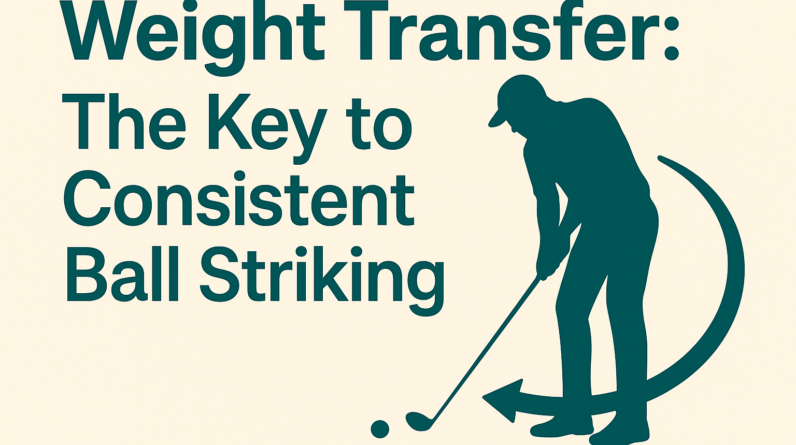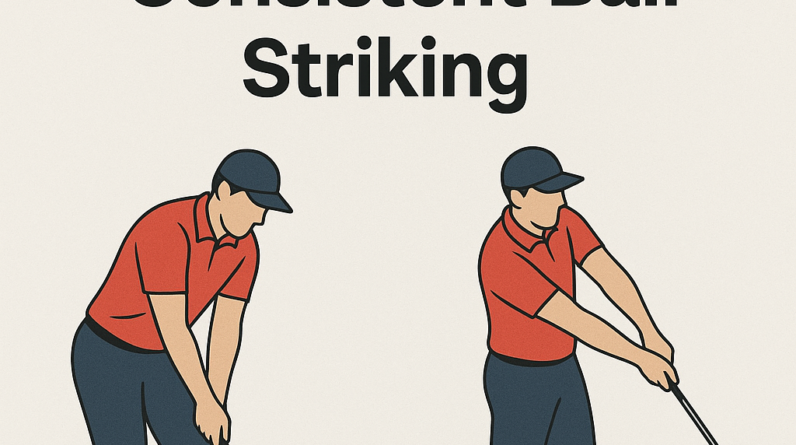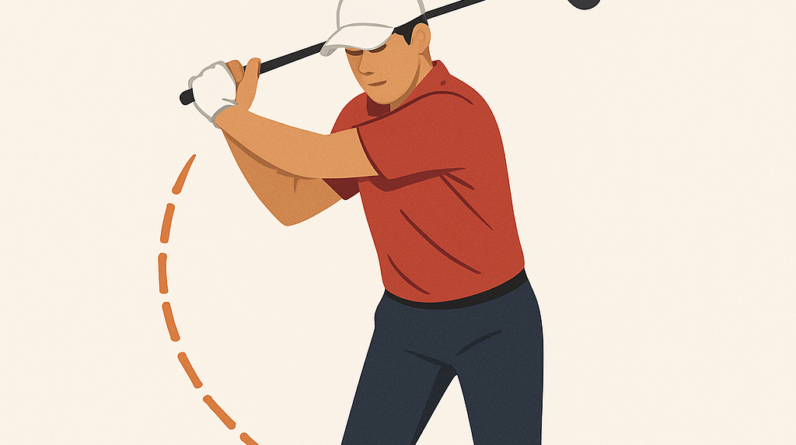

Weight Transfer: The Key to Consistent Ball Striking
Focusing on weight transfer gives your body a clear, repeatable path from start to finish. The idea is simple: move your weight from the trail leg toward the lead leg in rhythm with the swing, especially through impact. When done correctly, this sequencing helps you deliver the clubface square to the ball, compress the ball, and maintain balance from address to finish.
What the concept is
- Load into the trail leg during the backswing, then smoothly shift your weight toward the lead leg on the downswing.
- Let the hips rotate toward the target as the weight transfers, while your spine angle is preserved.
- Finish with most of your weight on the lead foot and body facing the target.
Why it matters to the golf swing
- Improves contact quality: centered, solid strikes rely on stable balance as the club meets the ball.
- Boosts power and consistent distance: a clean transfer stores and releases energy more efficiently.
- Enhances control of the clubface: a balanced, sequential move helps keep the face square through impact.
What you should feel when doing it correctly
- You feel pressure build gradually from the trail foot toward the lead foot as you swing.
- Hips rotate toward the target while your chest stays fairly level, aiding a solid strike.
- At impact, most of your weight sits on the lead foot with a light, athletic knee bend—no excessive wobble.
2–3 common mistakes (with fixes)
- Mistake 1: Not transferring enough weight (staying back on the trail foot).
Why it hurts: you often hit thin or fat, lose distance, and struggle with direction.
Fixes:
– Start with a light ball of the lead foot feeling at impact, not just the toe or heel.
– Practice half-swings focusing on moving weight to the lead foot before the ball is struck.
– Use a mirror or recording to confirm your balance is centered over the lead leg at impact. - Mistake 2: Swaying laterally instead of rotating (sliding your hips or chest off the ball).
Why it hurts: you lose the stacked, athletic posture and miss the sweet spot consistently.
Fixes:
– Set up with a narrow, athletic base and imagine your pelvis turning toward the target rather than your shoulders moving sideways.
– Do a “wall drill”: place a small towel between your backside and a wall and swing without letting your hips push you away from the wall. This trains rotation over sway. - Mistake 3: Weight shifts too far forward too early (early release or loss of lag).
Why it hurts: you may flatten your swing too soon and lose power or hit behind the ball.
Fixes:
– Pause briefly at impact during practice to feel the moment your weight settles onto the lead foot, then complete the finish.
– Drill with a light step: start with feet close together, swing to 3/4 speed, and step forward with the lead foot into the target line just as you reach impact—this cues a proper transfer without rushing it.
One easy drill to try at home or on the range
Step-Through Weight Shift Drill
- Stand with your feet hip-width apart and small, athletic knee bend.
- Make a few slow, half-swings, focusing on loading onto your trail foot in the backswing and then stepping forward with your lead foot as you transition into the downswing.
- Feel the weight shift settle on the lead foot at impact, then complete your finish with your chest facing the target.
- As you get comfortable, add a ball and hit it at a comfortable speed, maintaining the same weight transfer pattern.
Mastering weight transfer isn’t about a big move; it’s about a reliable, athletic sequence that you can feel and repeat. Practice with intent, stay balanced, and you’ll see cleaner strikes and more consistent distance.
Weight Transfer: the Key to Consistent Ball Striking
Understanding weight Transfer: A Core Skill Across Ball Sports
Weight transfer refers to the purposeful shift of your body weight from one region to another during the approach, contact, and follow-through of any ball-striking action. While the term sounds simple,the timing,direction,and magnitude of this shift determine how efficiently your body converts energy into momentum at the moment of impact.In golf, tennis, baseball, football (soccer), and other ball sports, mastering weight transfer is a foundational skill that directly influences contact quality, power, and consistency.
- Across sports, the goal is the same: align your center of gravity with the path of the swing or strike so that the kinetic chain remains fluid from ground up to the club, racquet, bat, or foot.
- Key principle: initiate movement from the ground upward, using ground reaction forces to drive through the ball rather then relying solely on arm or wrist strength.
- Common benefit: improved consistency, higher solid contact rates, and reduced injury risk due to better sequencing and posture.
The Biomechanics Behind consistent Contact
Weight transfer is more than moving weight from back foot to front foot. It involves a coordinated sequence of ground reaction forces, hip rotation, core engagement, and timing. When these elements align,your body acts like a well-tuned engine delivering energy to the point of contact with minimal energy leaks.
Phases of weight transfer in a typical ball-striking action
balance is established. Both feet contact the ground,with a slight bias toward the back foot in sports like golf or tennis preparing for a dynamic shift. weight shifts toward the back leg to load the hips and torso. The back knee flexes, and the torso angles toward the target (forward in many sports). forward weight transfer begins through hip rotation and core engagement, aligning the hips with the target line. - Follow-through phase: weight continues to transfer past impact, allowing a controlled deceleration and balanced finish.
Key mechanics that influence weight transfer
- Hip rotation and trunk sequencing: hips lead the movement, followed by the torso, then the arms. this sequence preserves energy flow and reduces reliance on arm strength.
- Ground reaction forces: the pressure you apply into the ground in the setup and loading phase creates force that you can convert into forward momentum at impact.
- Base stability: a stable base allows you to transfer weight efficiently without wasting energy on wobbling or compensations.
- Posture and spine angle: maintaining a consistent spine angle helps you deliver the energy where the ball is, rather than losing it through unwanted body movements.
- Center of mass control: shifting your center of mass smoothly toward the target line reduces late “hands” or decoupled wrist action that can spoil contact.
Practical Cues to Master Weight Transfer
Prescribing the right cues helps players internalize the timing and direction of weight transfer. Use these cues during practice to build a repeatable, coachable feel.
Setup and baseline cues
- Stand tall with a balanced, athletic stance. Distribute weight roughly 55/45 (slightly toward the back foot) in preparation for the loading phase.
- Sweep your eyes to the target line and imagine your weight as a small tide moving from back to front.
- Keep the head steady and eyes on the ball or target until impact, then allow the head to follow the direction of the swing in the finish.
Load and transition cues
- Load quietly: keep the initial leg muscles engaged without excessive tension, letting energy accumulate in the hips.
- Hip drive first: initiate rotation with the hips, then let the torso and arms follow in sequence.
- Weight shift through the midline: move your center of gravity through the midline to the forward foot, not just onto the toes.
Impact and follow-through cues
- Impact as a controlled moment: imagine you’re “posting” into the lead leg at contact, maintaining a stable spine angle.
- Finish with balance: allow the weight to settle over the lead foot in a balanced finish to prevent post-impact sway or swing fault.
Drills and Training Routines
Structured drills help you feel the transfer more clearly and lock the sensation into muscle memory. The drills below cover golf, tennis, baseball, and general ball-striking movements. Adapt the emphasis to your sport while preserving the core sequencing cues.
Top drills to improve weight transfer
- Step-Through Drill: start with feet shoulder-width apart. As you swing, step forward with the lead foot into your impact position, emphasizing a smooth weight shift from back to front without rushing the hips.
- 1-2-3 Transfer Drill: count the phases out loud: “1” load, “2” rotate/drive, “3” contact. This verbal cue helps with timing and sequencing.
- Slow-Motion Shadow Swings: perform slow swings focusing on the transfer from back foot to front foot. Stop at impact and analyze weight distribution and hip rotation.
- Lateral Hip Drive Drill: with a towel under the back foot, push laterally off the back foot to drive weight through the hips, then finish with a balanced follow-through.
- medicine Ball Rotational Throws: stand with feet planted and rotate hips into a medicine ball throw. This reinforces hip-driven transfer and core engagement without overloading the arms.
To support consistency, incorporate a few sets of the following short routines at the end of practice sessions:
- 5 minutes of balance holds on a single leg per side to stabilize the base.
- 6–8 repetitions of quiet weight transfer sways between the back and front foot, with a focus on maintaining posture and spine angle.
- A 60-second pause at peak hip turn before accelerating toward the ball, then a controlled finish.
| Drill | Focus | Common Mistakes | Key Cue |
|---|---|---|---|
| Step-Through Drill | Weight transfer timing | Over-rotation, early push | Lead foot steps into impact |
| 1-2-3 transfer | Sequencing | Rushed transfer, arm-dominant swing | Count aloud: load, rotate, contact |
| Slow-Motion Shadow | Body awareness | Lack of spine angle | Maintain posture, feel weight shift |
| M. Ball Rotational Throws | Rotational power | Using arms too much | Engage hips, snap through with core |
Common Mistakes and Fixes
Even skilled players struggle with weight transfer if timing or posture slips. Here are frequent faults and practical fixes you can apply in practice and on the field.
- Excessive upper body loading before the hips rotate. Fix: cue hip-first rotation and allow the torso to follow; practice with slow tempos to rebuild sequencing.
- fault 2: Rushing the transfer, hitting with the arms. Fix: pause at mid-swing to feel the weight shift, then reconnect with the hips for acceleration.
- Fault 3: Standing too tall or losing spine angle at impact. Fix: maintain a shallow knee bend and a neutral spine angle; monitor head position as a reference.
- Fault 4: Over-rotation causing loss of balance. Fix: keep a light, balanced finish; work on a bigger base and smoother deceleration.
- fault 5: Improper use of the back foot during loading. Fix: ensure the back foot heels remain connected to the ground during load, with the toe available to pivot.
Case Studies: real-World Examples
Case Study 1 — Golf: Smoothing the weight transfer for a more reliable iron play
A 38-year-old club golfer struggled with inconsistent iron shots. The issue was a late and abrupt weight shift that caused fat and thin contact. After integrating a Step-Through Drill and a 1-2-3 Transfer routine, the golfer learned to initiate hip rotation earlier in the setup.Within four weeks, they reported improved contact consistency, tighter dispersion, and fewer thin shots. The key change was a more predictable transfer from the back foot through to the lead foot, with less reliance on arm timing.
Case Study 2 — Tennis: Building stable footwork and reliable groundstrokes
A collegiate tennis player faced inconsistent forehand depth due to late weight transfer and excessive wrist flick. Implementing Slow-Motion Shadow Swings and Medicine Ball Rotational Throws helped rewire the kinetic chain. After eight weeks, the player demonstrated steadier contact, improved penetration on groundstrokes, and greater on-court balance during rapid rallies. The coaching focus was to keep the hips-driven transfer consistent across different depths and speeds of the shot.
Benefits of Proper Weight Transfer
- Increased power without added effort: energy is generated from the ground up, not primarily from the arms.
- Improved contact quality and face alignment at impact, leading to more solid ball strikes.
- Enhanced balance and stability during dynamic swings, reducing off-target shots and injury risk.
- Greater consistency across различным speeds and types of shots.
- Better sequencing supports faster reaction times and adaptability in live play.
First-Hand Experience: A Coach’s Viewpoint
From working with players across golf, tennis, and baseball, I’ve repeatedly seen the turning point come when athletes embrace a deliberate, hip-first transfer. The mental cue “hips lead, arms follow” translates into smoother swings and quicker feedback during training. The most prosperous athletes report that weight transfer feels like a fluid shift rather than a discrete jump—an ongoing conversation between ground, hips, torso, and hands. When athletes can repeat this pattern under fatigue, they gain a tangible edge in match conditions and competition.
A Quick Reference Table: Drills, Focus, and Benefits
| Drill | Focus | Benefits | Sport Applicability |
|---|---|---|---|
| Step-Through Drill | Weight transfer timing via step | Improved contact timing, stable finish | Golf, tennis, baseball |
| 1-2-3 Transfer | Sequencing cues | Consistent energy flow from ground to ball | All ball sports |
| Slow-Motion shadow | Posture and weight feel | Enhanced body awareness, reduced swing faults | All ball sports |
| Medicine Ball Throws | Rotational power and core engagement | Stronger core-to-ground transfer | Baseball, tennis, golf warm-up |
Incorporate these practices into weekly training, alternating between drills and live-swing practice. This balance helps you transfer the gained awareness from controlled drills to real-match situations, contributing to lasting improvements in weight transfer and overall ball-striking performance.
Closing Notes for coaches and Players
Weight transfer is a dynamic, sport-specific skill that benefits from a thoughtful blend of biomechanical understanding and practical cues. The goal is not to lock your body into a single motion, but to cultivate a repeatable sequencing that allows energy to flow from the ground up, through the hips and core, into the striking implement, and finally to the ball. By focusing on hip-driven transfer, balanced posture, and disciplined practice, you can unlock more consistent ball striking across your athletic spectrum.