Swing Tempo: The Rhythm That Keeps Your Ball Striking Consistent
Pick one clear topic to improve your game: tempo. This post explains what tempo is, why it matters, what you should feel during a swing, common pitfalls, simple fixes, and one easy drill you can do at home or on the range. We’ll stay focused on tempo only—not the entire golf swing.
What the concept is
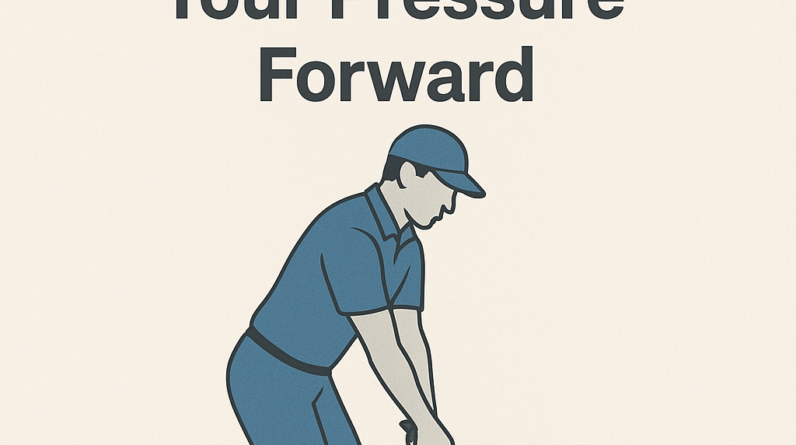
Tempo is the pace and rhythm of your entire swing. It’s not how fast you swing, but how smoothly the backswing, transition, downswing, impact, and finish flow together. A good tempo feels like a comfortable, even rhythm—neither rushed nor lazy—so the clubhead reaches the ball with control and squareface alignment.
Why it matters to the golf swing
- Improved timing: A steady tempo helps your body (hips, torso, arms) sequence correctly, which leads to cleaner contact.
- Better clubface control: When the swing is rhythmic, the hands have time to cooperate with the body, helping the clubface stay square at impact.
- More consistent distance: A repeatable tempo equals more predictable ball flight and distance from shot to shot.
- Less tension: A relaxed rhythm reduces grip and arm tension, which usually causes early release or hooks/d slices.
What the golfer should feel when doing it correctly
- A smooth takeaway with no abrupt jerks or sudden speed changes.
- A calm pause or minimal wait at the top that signals a controlled transition into the downswing.
- Downswing and into impact feel like one continuous, flowing motion rather than a snap or a punch to the ball.
- Breathing and jaw/shoulder tension stay relaxed; the grip pressure remains light to moderate, not gripping hard.
- Rushing the downswing or “snapping” into impact, which disrupts timing and clubface control.
- Inconsistently fast or slow tempo between practice swings and actual swings, leading to unpredictable shots.
- Tension that builds up in the hands, arms, or shoulders, making the swing stiff and harder to repeat.
Simple, actionable fixes for each mistake
- Rushing the downswing
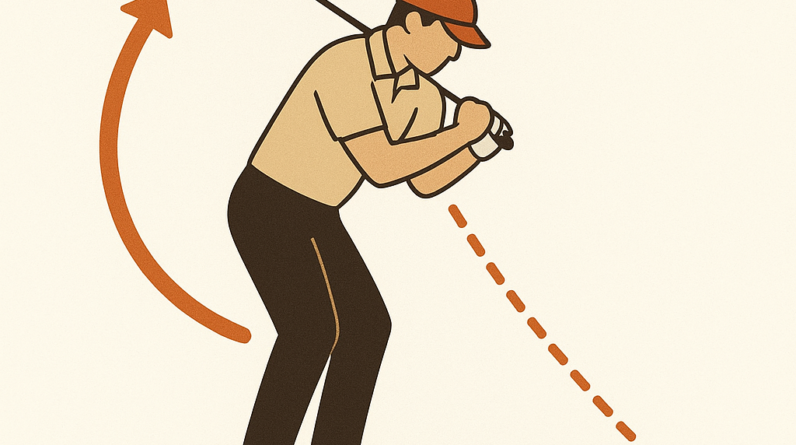
- Pause briefly at the top (about 0.5–1 second) to feel the transition from backswing to downswing.
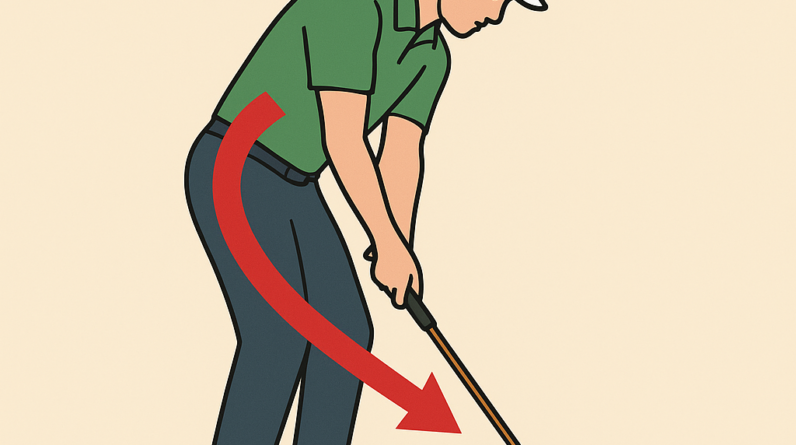
- Start the downswing with the hips rotating toward the target, followed by the torso and then the arms.
- Keep grip pressure light and even so the hands aren’t pulling on the club.
- Inconsistent tempo between swings
- Use a simple timing cue (count or metronome) to keep a steady pace. Example: backswing on counts 1–2, transition and impact on 3, finish on 4.
- Do 5–10 slow-motion reps focusing exclusively on maintaining the same tempo throughout.
- Tension in the swing
- Release tension by practicing with a lighter grip and trying to “feel” the clubhead move smoothly rather than forcing speed.
- Take a deep breath before each swing and exhale gradually through impact to keep shoulders and arms relaxed.
One easy practice drill you can do at home or at the range
The 3-Beat Tempo Drill (no ball required):
- Stand tall with a comfortable grip on your club or a broomhandle. Take the club back slowly to the halfway point on beat 1.
- Continue to the top on beat 2, keeping the shoulders relaxed and the wrists light.
- Start the downswing and impact on beat 3, finishing on beat 4 with a balanced, controlled finish.
- Repeat 8–12 times, focusing on a steady pace and an uninterrupted flow from start to finish.
Tips for the drill:
– If it helps, whisper-count aloud: “one… two… three… four…”
– Use a lightweight club or a similar object to practice rhythm without worrying about ball flight.
Quick recap
Tempo is the heartbeat of your swing. A smooth, repeatable rhythm improves timing, clubface control, and distance control while reducing tension. Addressing common tempo slips with the top pause, a simple counting cue, and a calm, relaxed grip can make a big difference. Try the 3-Beat Tempo Drill this week and notice how your impact feels more connected and your contact more solid.
Swing Tempo: The Rhythm That Keeps Your Ball Striking Consistent
Pick one clear topic to improve your game: tempo. This post explains what tempo is, why it matters, what you should feel during a swing, common pitfalls, simple fixes, and one easy drill you can do at home or on the range. we’ll stay focused on tempo only—not the entire golf swing.
What the concept is
Tempo is the pace and rhythm of your entire swing. It’s not how fast you swing, but how smoothly the backswing, transition, downswing, impact, and finish flow together. A good tempo feels like a comfortable, even rhythm—neither rushed nor lazy—so the clubhead reaches the ball with control and squareface alignment. Think of tempo as the metronome for your golf swing: a consistent beat that your body moves to in a coordinated sequence.
Tempo isn’t a single number you chase. It’s a feel and a pattern you can reproduce. In practice,you’ll notice that the same swing tempo works across irons,woods,and wedges,even when the distance changes. The key is a smooth, continuous tempo from start to finish, with a relaxed transition between the backswing and downswing.
Why it matters to the golf swing
- improved timing: A steady tempo helps your body (hips, torso, arms) sequence correctly, which leads to cleaner contact.
- Better clubface control: When the swing is rhythmic, the hands have time to cooperate with the body, helping the clubface stay square at impact.
- More consistent distance: A repeatable tempo equals more predictable ball flight and distance from shot to shot.
- Less tension: A relaxed rhythm reduces grip and arm tension, which usually causes early release or hooks/d slices.
- Consistency under pressure: The mental and physical rhythm of tempo is a reliable anchor when you’re trying to swing with less fear or tension on the course.
What the golfer should feel when doing it correctly
- A smooth takeaway with no abrupt jerks or sudden speed changes.
- A calm pause or minimal wait at the top that signals a controlled transition into the downswing.
- Downswing and into impact feel like one continuous, flowing motion rather than a snap or a punch to the ball.
- Breathing and jaw/shoulder tension stay relaxed; the grip pressure remains light to moderate, not gripping hard.
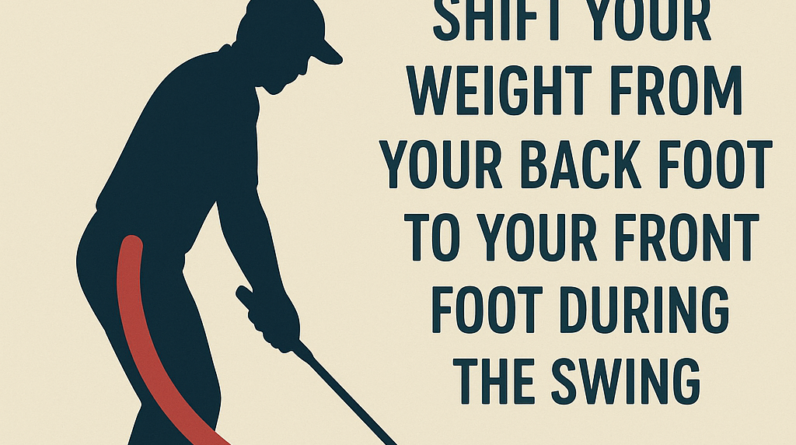
- Weight transfer feels gradual and balanced, not rushing toward the ball.
2–3 common mistakes golfers make with this concept
- Rushing the downswing or “snapping” into impact, which disrupts timing and clubface control.
- Inconsistently fast or slow tempo between practice swings and actual swings, leading to unpredictable shots.
- Tension that builds up in the hands, arms, or shoulders, making the swing stiff and harder to repeat.
Simple, actionable fixes for each mistake
- Rushing the downswing
- Pause briefly at the top (about 0.5–1 second) to feel the transition from backswing to downswing.
- Start the downswing with the hips rotating toward the target, followed by the torso and then the arms.
- Keep grip pressure light and even so the hands aren’t pulling on the club.
- Inconsistent tempo between swings
- Use a simple timing cue (count or metronome) to keep a steady pace. Example: backswing on counts 1–2, transition and impact on 3, finish on 4.
- Do 5–10 slow-motion reps focusing exclusively on maintaining the same tempo throughout.
- Tension in the swing
- release tension by practicing with a lighter grip and trying to “feel” the clubhead move smoothly rather than forcing speed.
- Take a deep breath before each swing and exhale gradually through impact to keep shoulders and arms relaxed.
One easy practice drill you can do at home or at the range
The 3-Beat Tempo Drill (no ball required):
- Stand tall with a comfortable grip on your club or a broomhandle. Take the club back slowly to the halfway point on beat 1.
- Continue to the top on beat 2,keeping the shoulders relaxed and the wrists light.
- Start the downswing and impact on beat 3, finishing on beat 4 with a balanced, controlled finish.
- Repeat 8–12 times, focusing on a steady pace and an uninterrupted flow from start to finish.
Tips for the drill:
– If it helps,whisper-count aloud: “one… two… three… four…”
- Use a lightweight club or a similar object to practice rhythm without worrying about ball flight.
Benefits of mastering swing tempo
- Stronger consistency: A reliable tempo reduces the variance in your swing path and contact quality.
- Improved distance control: With a consistent tempo, you can predict ball speed and carry more reliably.
- Better scoring opportunities: Cleaner contact translates to more greens in regulation and more sensible approach shots.
- Lower stress on the body: A relaxed tempo reduces muscular strain, allowing you to swing more freely for longer rounds.
Practical tips to maintain tempo across shots
Tempo should adapt to shot type while preserving rhythm. Use these practical tips to maintain consistency across the bag:
- Woods and long irons: Emphasize a slightly longer backswing with a gradual transition into the downswing.Maintain the same tempo cues as your mid-irons, but permit a bit more length if needed for distance.
- Mid to short irons: Focus on a compact takeaway and a smooth transition. the tempo should feel more controlled because precision matters more at these distances.
- Wedges and short game: Keep the tempo tight and focused. Short swings should still have a smooth, repeatable rhythm to avoid tension and mis-hits.
- Tee vs. fairway: On the tee, you can rely slightly more on rhythm than raw speed. On the fairway, maintain tempo to ensure solid contact even off a tight stance or slower swing.
- Wind and course conditions: Allow for small tempo adjustments without breaking the overall rhythm. The key is staying smooth rather than forcing speed into gusty conditions.
Tempo drills and progressions
Use these progressions to build and maintain a reliable tempo under different conditions. Each step can be practiced with or without a ball, depending on your comfort level and goal for the session.
| Drill / Progression |
What to Do |
Tempo Cue |
Reps / Rounds |
| 3-Beat Tempo Drill (baseline) |
Follow the beat: backswing (1), top (2), downswing/impact (3), finish (4) – no ball |
One… two… three… four… |
8–12 reps |
| Metronome Tempo Drill |
set a slow metronome (60–72 BPM); count in your swing with the click |
Tap to the beat |
5–10 reps per day |
| Pause at the Top Drill |
Pause for 0.5–1 second at the top, then transition smoothly |
Top pause to feel transition |
6–10 reps |
| Grip Lightness Drill |
Swing with the lightest grip you can maintain control |
Relaxed grip, light hands |
8–12 reps |
Case studies and first-hand experiences
Case Study 1: From erratic tempo to repeatable rhythm
A 14-handicap golfer struggled with inconsistent contact and distance control. After four weeks of focusing on tempo with the 3-beat drill and metronome cues, contact improved, and distance dispersion narrowed from 18 yards to about 8–10 yards. The player noticed fewer left–right misses and a more square face at impact,especially on mid-irons.
Case Study 2: Tempo under pressure on the course
A recreational golfer who tended to speed up on tee shots found the top pause drill particularly helpful. In competitive rounds, they reported fewer impulsive swings and a more relaxed finish. The betterment showed up as steadier fairways hit and consistent lag in approach shots, contributing to better scoring on windy days.
First-hand experience: coaching perspective
As a coach, I’ve seen tempo act like an anchor during high-pressure play. When players feel the rhythm in their bodies—hips, torso, arms, and hands moving in a coordinated sequence—they tend to make better contact with less frantic effort. The key is to cultivate a feel-based cue system (pause at the top, count, and soft grip) rather than chasing speed. The drill work pays off by translating smoothness into better ball striking when the nerves are up and the course gets tight.
Common tempo myths debunked
- Myth: Faster swing equals more distance.Fact: Beyond a certain speed, tempo breaks down, leading to off-center hits and less consistent distance.
- Myth: Tempo is only for beginners. Fact: Even Tour players work on tempo, using subtle rhythm changes to optimize shot shape and distance control.
- Myth: Tempo is the same for every club.Fact: While the tempo pattern should be consistent, some clubs may require small adjustments in length and timing without breaking the overall rhythm.
- Myth: You can “feel” tempo only with a coach. Fact: With a few simple cues and consistent practice, you can develop a dependable tempo on your own.
Swift recap
Tempo is the heartbeat of your swing. A smooth, repeatable rhythm improves timing, clubface control, and distance control while reducing tension. Addressing common tempo slips with the top pause, a simple counting cue, and a calm, relaxed grip can make a big difference. Try the 3-Beat Tempo Drill this week and notice how your impact feels more connected and your contact more solid.